
Bamboo Creative OUTREACH – sharing knowledge and skills to developing regions
Bamboo Creative Bali contributes to local communities by promoting affordable and sustainable bamboo building methods. Our programs focus on sharing knowledge, supporting practical projects, and fostering ethical production and sustainable waste management systems. Through these efforts, we aim to create positive change and attract funding for eco-friendly infrastructure projects.
At Bamboo Creative Bali, we are passionate about promoting bamboo as a versatile and eco-friendly material for construction and design. Our mission is to empower local communities and contribute to regenerative projects that foster sustainable development. Through our Outreach programs, we aim to provide opportunities for individuals to explore and learn about renewable and affordable building methods using bamboo. We believe that by reinventing the “common image” of bamboo among local people, we can create attractive and affordable designs that resonate with the needs of people in developing and post-colonized countries (the global south).
Our approach involves building local programs that aim to maintain traditional skills & knowledge while making life in the village sustainable. We facilitate knowledge-sharing, provide funding for practical projects, and demonstrate regenerative methods for building and farming. Additionally, we actively advocate for ethical production models, waste-management systems, and sustainable lifestyle changes to combat landfill issues.
By attracting finance for earth-friendly infrastructure projects, we strive to cultivate a greener future. Join us at Bamboo Creative Bali and be part of the journey towards sustainable living!

In January 2025, with Jaye Irving of Sustainable Barefoot Design, we delivered the first Bamboo4Africa training on sustainable Clump Management, Harvesting and Treatment, Biochar Production, and basic bamboo construction techniques – for weaving & splitting, making stardom’s and hyperboloid treatment towers for low-cost Vertical Soak Diffusion. The Video Documentation of the Training is available for one-time purchase at $75 USD, $25/month – or Pay what you can Afford.
Restoring the balance…
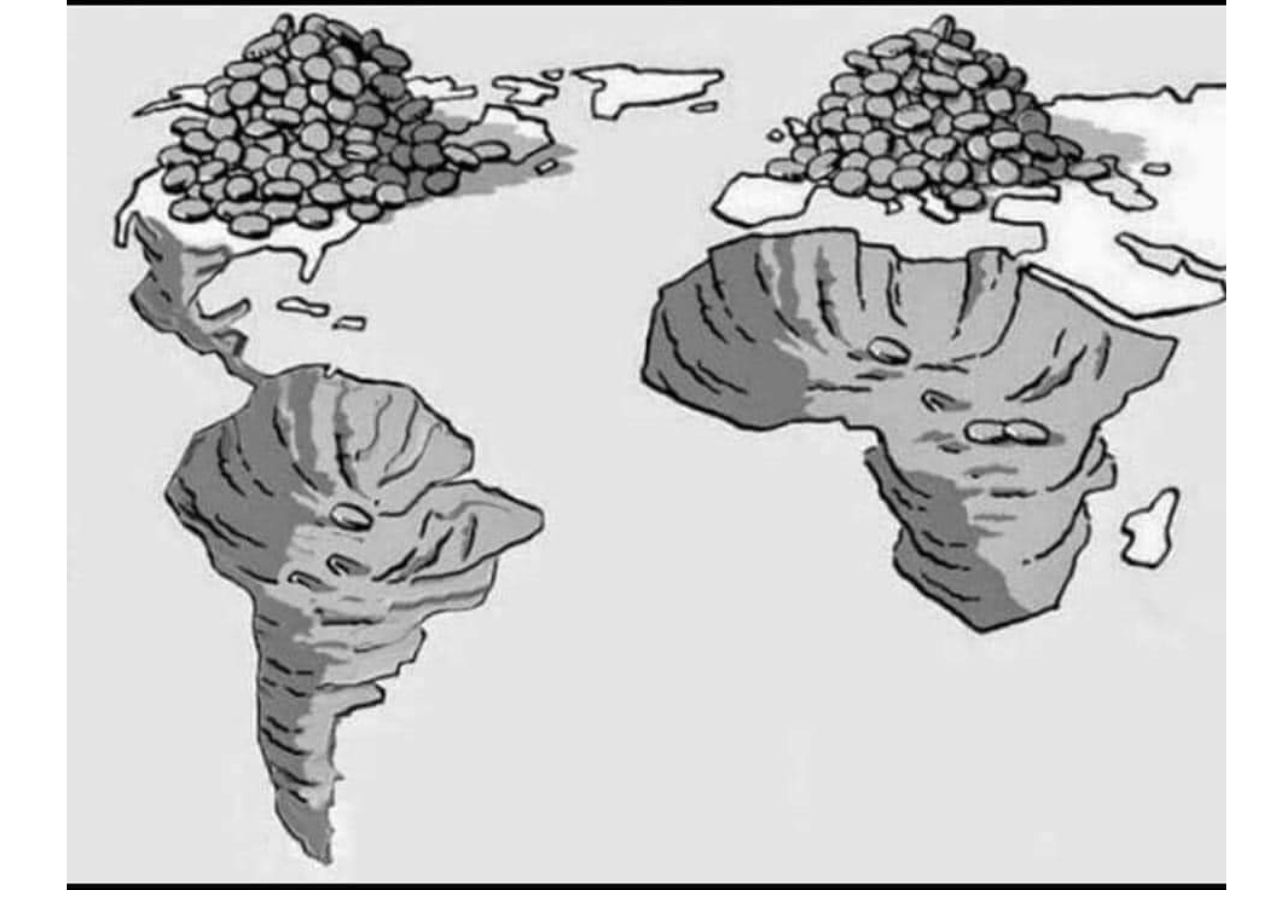
Developing regions are quickly moving towards using cement, tin/tile roofs, and air-conditioners instead of traditional natural materials. This is seen as modernization, but it means they are moving away from their traditional ways while we in the Western world are moving towards a more natural and handcrafted lifestyle. People in developing countries are heading towards more mass production and consumerism, while we long for a simpler life. Developing countries currently use about 20% of the resources that Western countries use, but as their energy needs and waste generation increase, they will need to innovate and create change to avoid environmental issues, especially because more than 70% of the world’s population lives in these regions.
As westerners, we need to acknowledge that it is the capitalist system and economy/currency-framing that has created poverty in most-all post colonized nations on the planet. It is not acceptable to assume that we are doing “poor people” a favor by paying them basically nothing to “produce goods/labour” for the “west”. You only have to take a peek behind the curtains of Capitalism to see that it is “our” very presence that continues to create poverty (through the current imposition of currency exchange rates and devaluing of local currencies) as well as the “regulations” and layers of post-colonial laws which make it practically impossible for anyone in a “third-world” country to have any kind of “equality” or “living standard” that we, as westerners, take pretty much for granted.
Through all our cultures’ greed and plundering of these nations, we have to stop and realize that the future and well-being of our planet has more to do with how sustainable “they” Are, or Will Be – in the next 20-30 years. “They”, who make up more than 70% of the world’s population, compared with our own relatively tiny proportion of the world population (otherwise known as “the global north”. Even though we’ve swallowed up most of the resources and continue to tread a much bigger carbon footprint than most people in developing countries, the fact of the matter is that they now are striving to live like us! (Side-fact: Already proven to be non-sustainable)… So if we don’t address this issue NOW and ensure that post-colonized nation peoples can access quality of life in their own lands and villages and WITHOUT moving to cities and becoming “part of the problem” … then as a friend in the Philippines said: “We’re just re-arranging deck-chairs on the Titanic”.
Most people in post-colonized countries have been dispossessed of their traditional heritage lands and live in poverty, and are dependent on low-paid jobs (compared to wage rates in the “west”/global north). We need to create a social-business model of Ubuntu which enables people to reunite with land and work in partnership with companies dedicated to uplifting the rural poor. Perhaps this can occur through Bamboo Development and reinventing business frameworks which give a fair share of income to the people whose lands and labour are being reaped from… that big business currently “thrives” off or UNFAIRLY profits from. We really need to change our mindset from “exploiatative” to “employtative”.
Enabling and encouraging entrepreneurs to develop small businesses from the myriad by-products of bamboo and seeing Bamboo Culture flourish through these unique forms, which has the potential and ability to enable balancing of work with life and culture/spirituality. Historical violence and bullying from authorities still scars the social landscape and psychology of many people… but I believe there are ways forward which can embrace our individual cultural identities and value people’s time, and respect nature, tradition and diversity, while having awesome productivity in the “big business” realm… productivity in harmony with nature and among people – through co-operation and celebration 🙂
It’s important to recognize the evolving perspective on wealth and abundance. The traditional mindset of scarcity and debt-driven economies is being challenged, giving rise to a more collective approach to prosperity. The realization that there is sufficiency for all is reshaping our understanding of wealth distribution and financial systems. The outdated notions of control and deprivation embedded in our economic structures are gradually being reevaluated and replaced with more inclusive and sustainable models.
Reflecting on the historical acceptance of these concepts, it becomes evident that they once played a role in society. However, as we adapt to the changing times, it’s essential to embrace the shifting narrative around wealth and resources. The evolving mindset urges us to reconsider the value systems we have operated under, prompting us to envision alternative constructs that prioritize equitable access and abundance for all.
As we progress towards this new perspective, we are encouraged to anticipate and prepare for the forthcoming changes. Embracing the momentum of transformation enables us to proactively engage with the evolving financial landscape, fostering a sense of readiness and adaptability. The evolving narrative surrounding money and abundance calls for a collective and open-minded approach, inviting us to actively participate in shaping a more inclusive and sustainable economic future. Let’s stand prepared for the paradigm shift and the opportunities it brings forth!`
At Bamboo Creative Bali, we are passionate about promoting bamboo as a versatile and eco-friendly material for construction and design. We believe in empowering local communities and contributing to regenerative projects that help to cultivate a greener future. We are dedicated to creating sustainable living environments in villages through knowledge-sharing, funding for practical projects, and the demonstration of regenerative methods for building and farming. We also advocate for ethical production models, waste-management systems, and sustainable lifestyle changes to combat landfill issues.
Our approach in helping to create systemic change is to build local programs which enable access to affordable technologies which can make life more sustainable “in the village” and enables knowledge-sharing and distribution of funding for practical projects/demonstrations of Regenerative methods for farming, sustainable and ethical production, building and waste-management systems and to enable finance for infrastructure/materials to start local Regenerative Farms and Businesses (and so dissuade urban migration which is the number one underlying cause of consumer behavior patterns driving climate change).
Our programs aim to create the foundations to seed/enable the development of Outreach projects and spaces to enable collective and cooperative projects which support local communities to stay on their land and where you may come and attend your internship and contribute collectively through our VIP and EcoLeader programs.
The practical components of our Internship Programs focus on building affordable and practical bamboo and earth-building designed home-stays with local families which demonstrate affordable low-tech sustainable building methods – which combined with our on-line program – enables continued outreach and education for local people on making sustainable and viable businesses which contribute to and compliment the development of Regenerative Projects. During the online program we will follow the building of a local project and demonstrate bamboo joinery while explaining and demonstrating concepts of bamboo design and characteristics of various bamboo species.
We aim to bring bamboo construction relevancy to the local level, We are working with local community organizations to help make bamboo the sustainable building material of the future – for all the world’s people.
Unlocking Kenya’s Bamboo Potential: A Youth-Led Climate Solution That’s Ready to Scale
Transforming dormant resources into thriving, climate-positive enterprises across Africa
The Untapped Opportunity Hiding in Plain Sight
Across Kenya’s landscapes, thousands of hectares of bamboo planted nearly a decade ago through government initiative remain unmanaged and underutilized. While the original market linkages didn’t materialize as planned, these bamboo forests represent extraordinary untapped potential for climate action and youth enterprise. Many farmers, lacking affordable and effective management skills, have even removed bamboo clumps to make room for cash crops—missing a golden opportunity for sustainable income generation.
But change is here, and it’s being led by the communities themselves.
From Bali to Kenya: Building a Global Bamboo Network
Through delivering hands-on bamboo construction training in Bali at Bamboo Creative and facilitating programs in Meru, Kenya, we’ve gained deep insight into the broader challenges and opportunities surrounding bamboo utilization in Africa. Since COVID-19, we’ve been part of a growing network across East and West Africa, all exploring bamboo’s role in achieving multiple Sustainable Development Goals.
Our recent training in Meru, Kenya, showcased the incredible potential when expert knowledge meets local enthusiasm. Led by expert bamboo architect Jaye Irving, participants learned not just construction techniques, but the principles behind sustainable bamboo management that can transform entire communities. Watch Jaye share insights from the January training, where he demonstrates how bamboo construction principles and case studies can be adapted for African contexts.
Our Multi-SDG Solution: Youth-Led Bamboo Cooperatives
Bamboo4Africa isn’t just about building with bamboo—it’s about building communities, careers, and climate resilience simultaneously. Our initiatives activate dormant bamboo value chains while addressing six critical UN Sustainable Development Goals:
SDG 8 (Decent Work & Economic Growth): Cooperative youth employment and bamboo enterprise development
SDG 13 (Climate Action): Biochar production for carbon sequestration and soil health
SDG 6 (Clean Water): Water filtration systems for schools and communities
SDG 2 (Zero Hunger): Fertilizer supply supporting agricultural productivity
SDG 4 (Quality Education): Construction training and practical skills development
SDG 11 (Sustainable Cities): Green building materials and construction guidelines
Why Bamboo Matters for Climate Action
Bamboo isn’t just a building material—it’s a climate solution that thrives when regularly harvested, sequesters carbon rapidly, and creates sustainable livelihoods. As they say in the Philippines, “working with bamboo makes us more human”—it represents cooperation over competition, regeneration over extraction.
Our NGO-supported implementation spans Mount Kenya and Kericho counties, and we’ve been invited to help develop bamboo construction guidelines for local Kenyan species—legitimizing and scaling bamboo solutions across the continent.
The Training Program: Building Skills, Building Futures
Our comprehensive training program equips participants with both practical and business skills:
Module 1: Foundation Skills (Kericho | September 16-26, 2025)
- Sustainable bamboo clump management, maintenance & propagation
- Bamboo biochar production for soil enhancement and income generation
- Low-cost, innovative bamboo treatment techniques
- Material preparation for building and crafting
Module 2: Construction & Carpentry (Rungiri | October 7-23, 2025)
- Hands-on construction of eco-friendly bamboo buildings
- Advanced joinery and structural techniques
- Quality control and safety standards
- Business planning for bamboo enterprises
Phase 3: International Collaboration & Bamboo Shala Eco-Festival Build (Naivasha | January-February 2026)
- Global community and cultural exchange
- Advanced design workshops
- Cooperative business model development
- Regenerative village planning
The Bigger Vision: Regenerative Village Network
We’re developing Phase 3 of our global initiative where:
✅ Young Africans are trained to steward bamboo enterprises and build cooperative businesses
✅ International supporters can invest in or visit regenerative eco-villages
✅ Global participants contribute skills (design, engineering, permaculture, etc.) in exchange for accommodation, workshops, or equity in sustainable living spaces
This creates a model where environmental restoration, youth empowerment, and global cooperation intersect to build resilient communities.
How You Can Get Involved: Multiple Pathways to Impact
Whether you’re passionate about climate action, youth empowerment, or sustainable living, there are multiple ways to support:
For Funders & Investors:
- Fund youth training programs (scholarships available)
- Invest in regenerative living spaces and eco-villages
- Support equipment and infrastructure development
- Sponsor community demonstration projects
For Professionals & Volunteers:
- Contribute specialized skills (architecture, marketing, education, permaculture)
- Join training modules as a mentor or instructor
- Participate in the International Collaboration phase
- Share expertise through virtual workshops
For Participants & Visitors:
- Enroll in upcoming training modules
- Visit or stay in our developing eco-villages
- Join our cooperative model with timeshare or equity opportunities
- Experience authentic cultural exchange while contributing to climate solutions
For Organizations & Partners:
- Develop institutional partnerships for scaling impact
- Create supply chain linkages for bamboo products
- Support research and development initiatives
- Join our growing pan-African network
Training is Crucial for Impact
Training is essential to reducing deforestation, creating jobs, and improving community resilience. Bamboo4Africa is nurturing a pan-African network of regenerative villages and social enterprises that uplift rural economies and empower youth, all in alignment with global Sustainable Development Goals.
As we say: “Bamboo requires many hands”—and with Bamboo4Africa, we are building youth cooperatives to partner with local farmers to grow bamboo stronger together.
Ready to Join the Green Revolution?
This isn’t just about bamboo—it’s about creating a replicable model for how communities can transform underutilized resources into thriving, climate-positive enterprises. Together, we can build a future where environmental restoration and youth empowerment go hand in hand.
Ready to Get Started?
📧 Email: Bamboo4Africa@gmail.com
📱 WhatsApp: +254
🌐 Websites: Bamboo4Africa.org | BambooCreative.org
📝 Register: Sign-up Form
Founded by Natalie Davenport
Bamboo Creative Bali & Bamboo4Africa
Let’s connect if you’re interested in being part of this regenerative future. Together, we can transform dormant resources into thriving, climate-positive enterprises.
INVEST IN AND BE PART OF BUILDING BAMBOO FOR THE FUTURE (NOW): Our Regenerative Inclusive Model for COMMUNITY INCLUSION, REGENERATIVE ACTION and FUN TIMES!
Outreach Development & Local Programs
Our main focus is to design and build affordable bamboo structures that are attractive to people in post-colonial countries and those who cannot afford the more elaborate styles of bamboo building commonly found in modern architecture. Through our Internship programs, we leverage our ability to share skills with those not able to afford access in our current system and are working on designs and techniques that are affordably replicable and relevant to local communities/people living in post-colonised countries to promote regenerative development. We offer personalized programs for hands-on group build internships, elementary construction skills, design, and VIP programs.
Through Outreach Programs, we aim to make available online the skills shared during our programs by documenting and recording them (our Bamboo Training Courses). Our goal is to help members in remote locations learn from the online training materials we have gathered. We would appreciate your support and contribution to the ongoing study and practical processes for making affordable bamboo design accessible to local populations. Our aim is to contribute to a regenerative culture of inclusion, transparency, and fairness.
Subscribe to get access
Read more of this content when you subscribe today.
* see our Facebook page for updates. .
Check out our Facebook page for our latest activities or go see our MAIN WORKSHOPS PAGE

Access our Online Content
Subscribe to get access
Get access to our Bamboo Creative Bali Online Video Albums, Facebook Group with all the materials we will be sharing with start-up projects and receive Special Discounts for our programs. Pay what’s affordable for you:
Unite the Tribes
Through international collaboration, UNITE THE TRIBES aims to help tribal and indigenous communities by providing them with resources through our Home-stay network. This will enable them to build sustainable local livelihoods and reduce the pressure to sell their traditional land.
There are many things that affect the use of sustainable building and technologies in developing regions. One big issue is that banks in SE Asian countries won’t lend money unless the house is made of cement and tile. This makes bamboo seem like a material only for the poor or very rich. Local wages and currency exchange rates also affect how affordable materials and technologies are for people.
By helping developing countries finance sustainable businesses and sharing important knowledge, we can preserve local cultures and minimize the potential impacts of rapid economic development. For example, in many developing countries, there’s a lack of knowledge about using bamboo as a durable building material, as it’s often destroyed by insects within 5-7 years. The modern preservation methods for bamboo are too costly for people living on low wages in these countries. What if there was an affordable way to preserve bamboo? What if we could show the value of using bamboo in a modern environment, so that people in these countries could see how it’s possible to achieve such goals?
We want to share this technology and partner with others to make impactful and effective change. This includes preserving bamboo, using simple sustainable technologies like pumping and storing water, managing waste, and producing a variety of foods. Our aim is to help rural communities, improve living conditions, offer affordable technology, teach about reducing pollution, and support sustainable ways of living. We plan to achieve this through initiatives such as pumping water without electricity, affordable water storage, creating renewable electricity, preserving bamboo, building structures from renewable/recycled materials, and implementing zero-waste systems.
We are creating projects that offer hands-on learning opportunities in bamboo design, preservation, building, and construction to people from the “global north.” They will work directly with our local and regional project partners (“sister projects”) to contribute to ecological sustainability and development. Our goal is to share a knowledge base of resources for environmentally friendly economies to accelerate global innovation and change.
Eastern cultures have plenty of Time, but no money; Western cultures have plenty of Money (comparatively), but no Time… If we could bring together our needs, and make a mutually beneficial solution that can be sustained and bring about a greater sense of family… perhaps we could indeed build a bridge and a heart-felt trust (clear and fair – legally or in good-faith) – an Ecological Enterprise which surpasses our capitalistic needs/expectations and which serves us at a more truly human level…
Let’s invest COLLABORATIVELY in a way where-in which we may learn from and benefit each other and Thrive as a human species.
You can become a part of this project to initiate change and create the foundational steps of our partner projects. Through the establishment phase, and during this critical time as global food supplies are becoming less reliable and income from foreign/international “trade”/tourism can not be relied upon… We are creating Bamboo Creative Enterprise to have membership levels which are inclusive and fair – ranging from Fiscal to Physical and other In-Kind contribution methods.
Our goal is to restore ecological and economic balance. We want to create systems that benefit people and communities, and support the regeneration of cultures and environments. It’s crucial for the next 25 years to be a time of regeneration and growth rather than further decay and exploitation. We choose the outcome according to what we focus on and the economic activities we choose to engage in.
Become a PAID MEMBER to support the causes we are working towards addressing as a collective. Find your part in what you do and love. Share with us! Whether your method of contribution is financial or through some other physical/labour/skills exchange means… Let’s see how we can can involved in creating this change that needs to happen across the world!


Join Us!!!
Our Outreach bamboo learning program aims to bring bamboo construction relevancy to the local level through local programs on-the-ground 🙂 We are working with local community organizations, coordinators who are planting bamboos with local farmers and also some established bamboo farms – to help make bamboo the sustainable building material of the future – for all the world’s people.
Donate towards our Outreach Programs
Pay $100 NOW and you will receive $125 CREDIT towards your future Bamboo program
Make a one-time donation – and receive 125% credit towards your future bamboo program.
Make a monthly donation
Make a yearly donation
Choose an amount
Or enter a custom amount
See more information on our Outreach Programs page and sign up for Updates if you want to attend our Upcoming programs. Or if you would like to join us in Bali, indicate Internships on the form above. Your contribution can also opt that your donation contributes towards local community programs in Indonesia.
Your contribution is appreciated.
Your contribution is appreciated.
We are working to provide solar wells for our sister projects in Kenya and Uganda… through our network connected with organizations there helping people to farm Organically, Syntropically and Regeneratively… East Africa is about to experience one of the severest droughts on record. Let’s Unite to bring healthful abundance and building experiences together with local villages for the children of Earth. Right now we are preparing to bring Bamboo Building Skills to Africa. And we are in the process of mapping local populations and impact of solar well pump installations to access artesian water!!!
Our Sister Projects – Uganda:
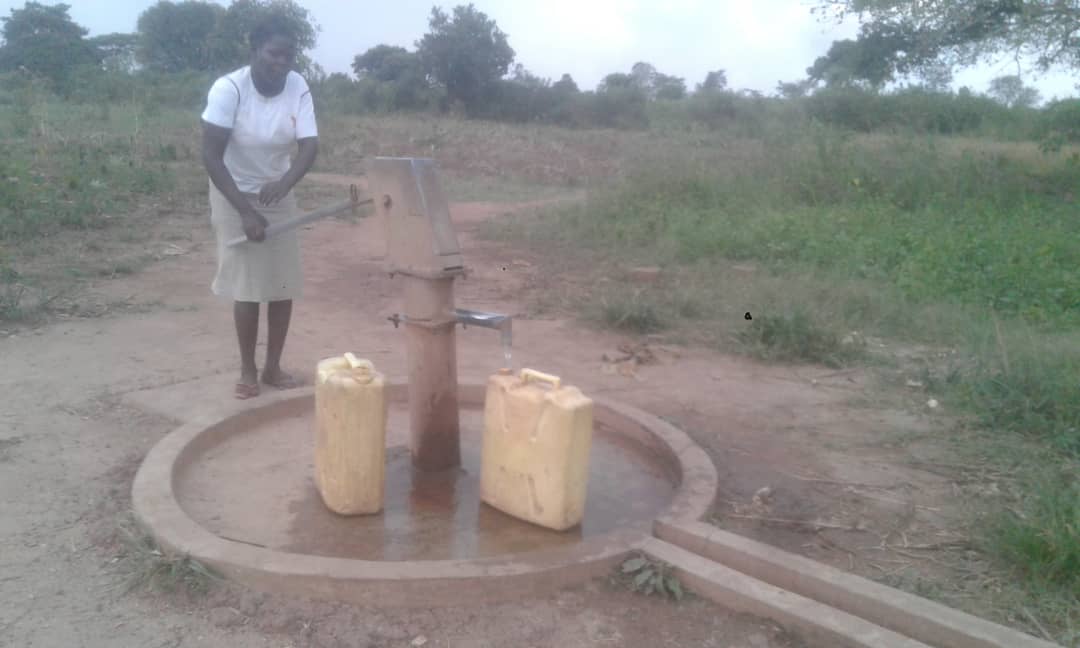
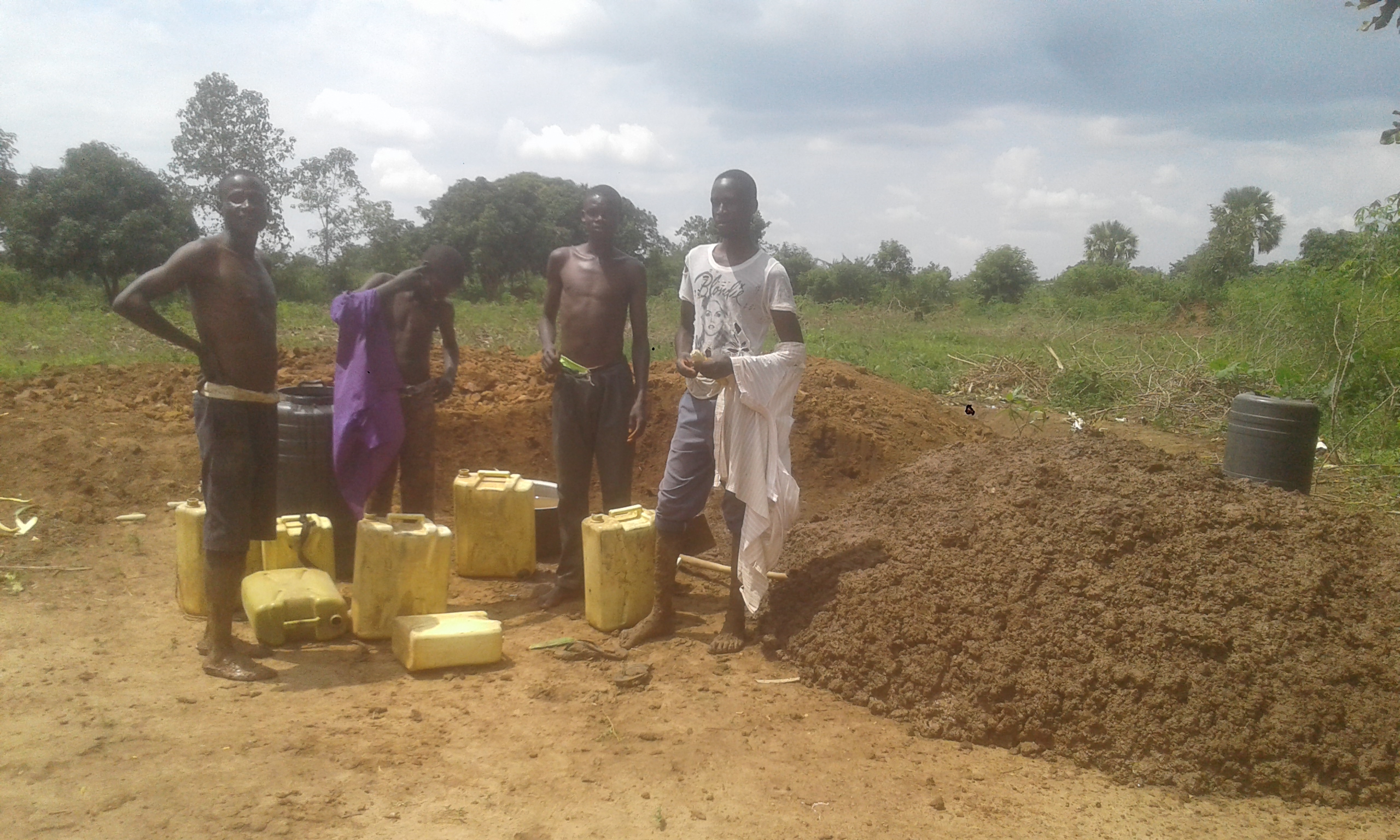
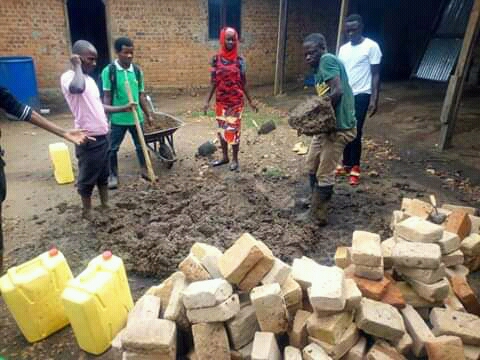
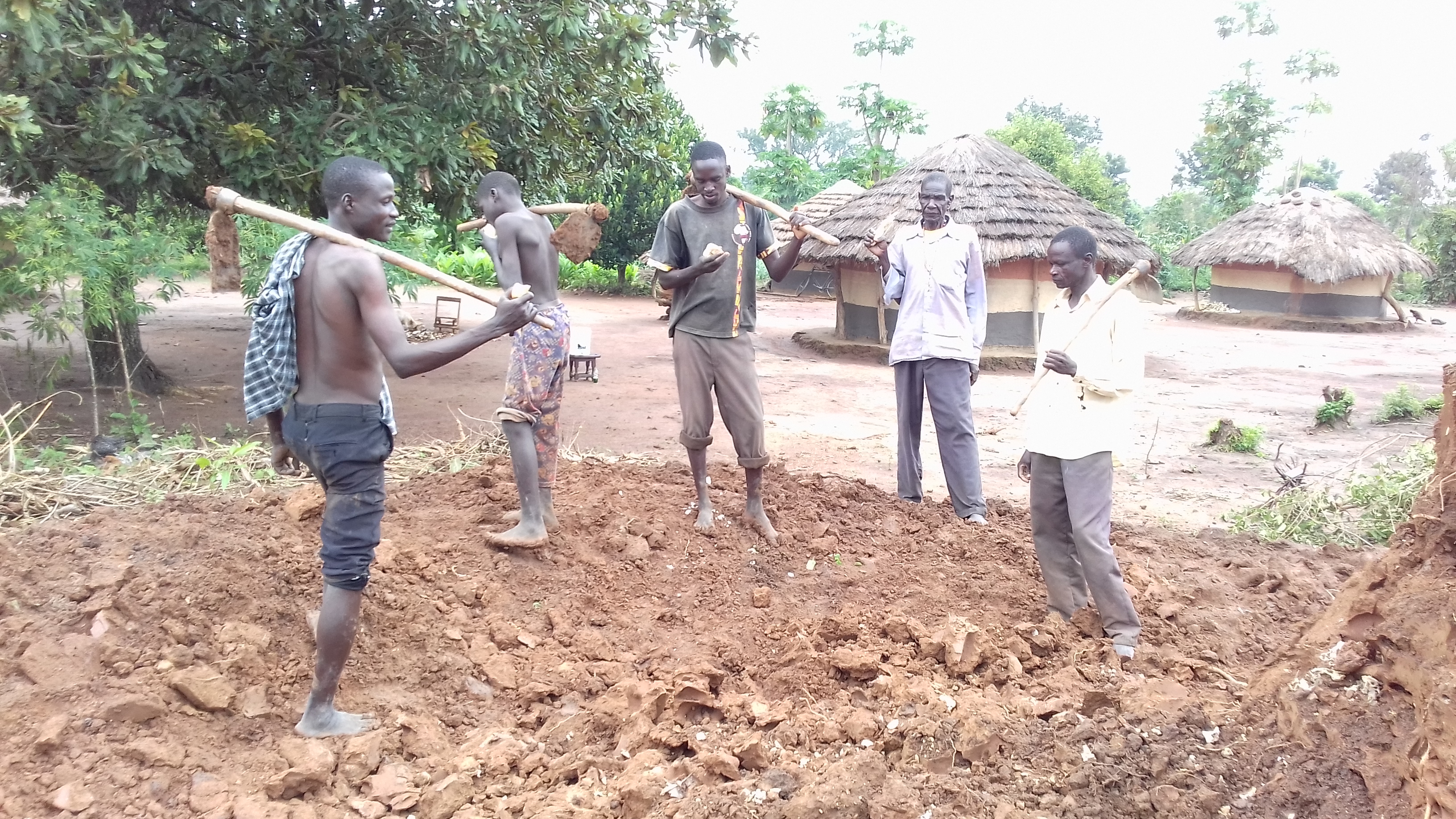
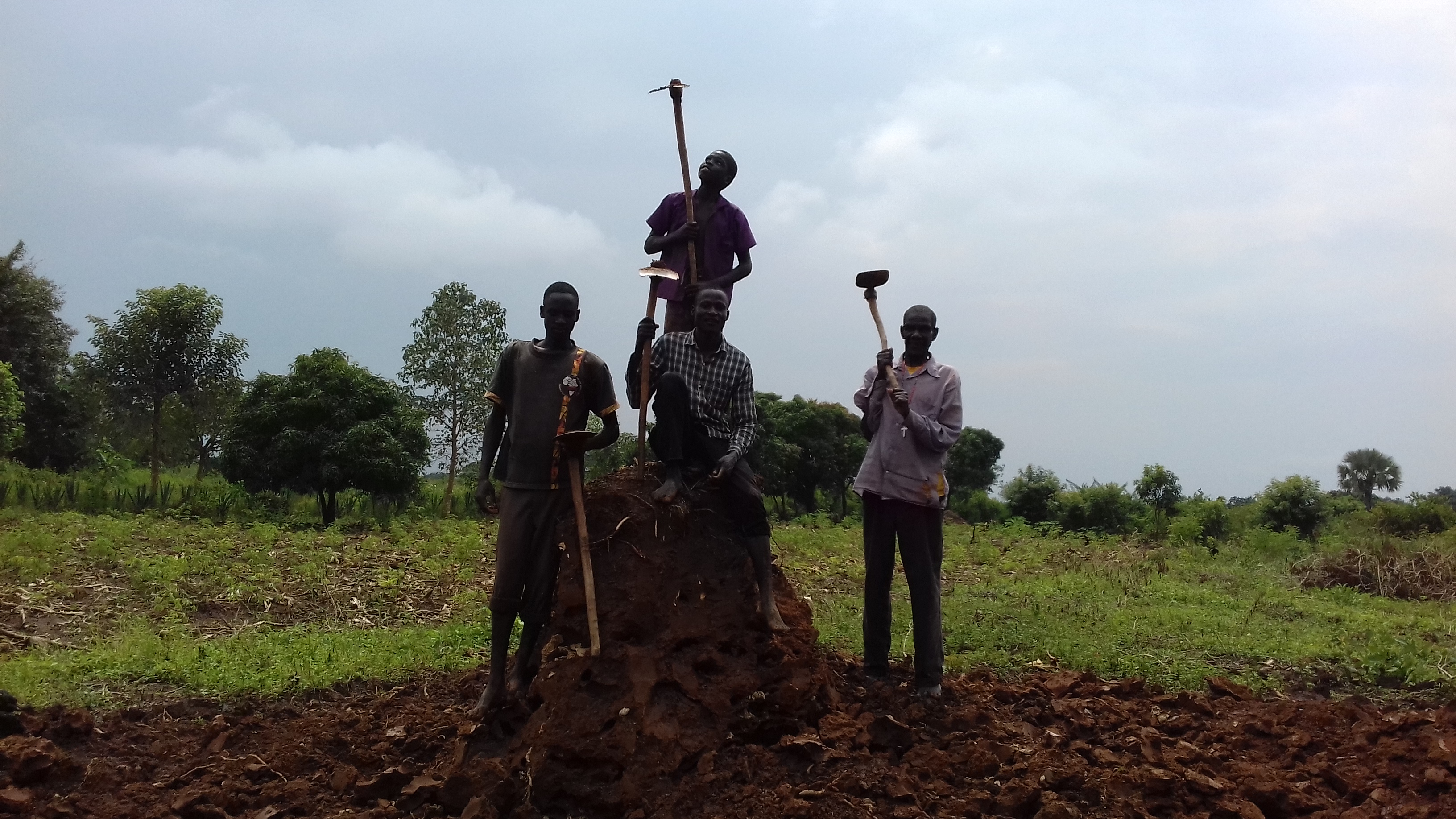
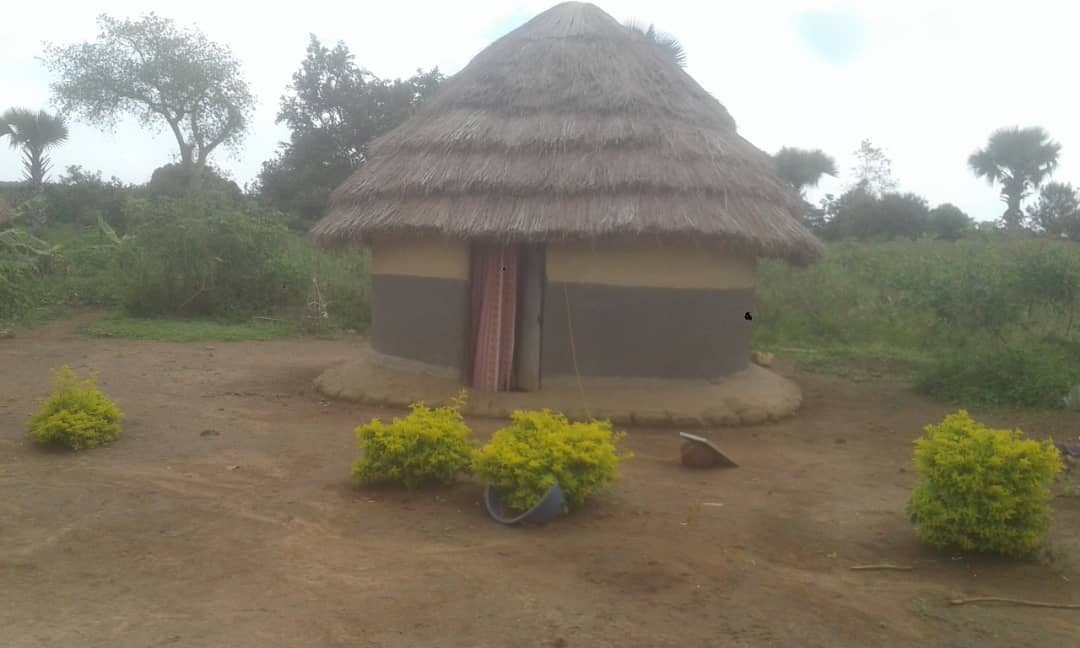
This project in East Uganda, founded by Joel Odongo is a Women and Youth Empowerment Project. Joel reached out over three years ago having been granted an area of land in his local community to develop his community project vision for a Bamboo and Recycled Plastic Eco-Enterprise to enable the Revivement and Regeneration of his local community and empower Youth and women to take an active environmental and economic role in uplifting their community’s quality of life and sense of cohesion and rebuild “ownership” of their community lives through Helping their community as a whole. (All the people I have spoken to via video call have a strong sense to help their community). We need help to build the central community building and water infrastructure and Joel’s community members have already made 20,000 clay bricks!!! and establish the bamboo and plant nursery. You can help by donating here:
So far we have been working on sharing techniques for building smokeless stoves in people’s homes. (Smoke inhalation causes health problems mainly in women, who do most of the cooking, as stoves are located inside people’s homes and cooking fuels are wood and charcoal). Deforestation, even just around the village is an issue as there is no sustainable reserve for cooking fuel… so we are working on a Charcoal Briquette Brigade – a small enterprise which will earn an income for its members through sales of briquettes, and utilising agricultural waste from peanut, rice hull and maize to make the briquettes so no further tree loss needs to happen. (Joel and I have learned a lot about each other’s cuisines and cooking styles as Indonesia and Uganda share quite a similar climate and crops … a few of our conversations have turned momentarily entirely gastronomical… ;-)… it happens). This project is currently actionable and needs financial support for purchase of materials for project infrastructure and the community is providing labour in-kind:
CONTRIBUTE here or read more : https://wordpress.com/post/bamboocreative.org/4679
Uganda has a very large resource of bamboo vegetation, but not much is known locally about how to use it…. and that is the main area Joel is seeking knowledge and support in to enable his community to build a community centre from bamboo and recycled materials. We aim to facilitate knowledge transfer of appropriate uses and growing methods, planning and sustainable management of bamboo for local communities such as Joel’s. If you would like to request access to our knowledge base, please send a request to outreach@bamboocreative.org
There are many “reports” available online about the “commercial” potential of a bamboo “industry” in Uganda. Essentially the mindset of these reports hinge of capitalistic logic of seeing/using local people as a workforce for deriving profitable returns via “export”. What we aim to create instead are locally-owned ventures which create tangible value for the makers as well as production of something that actually enhances the quality of life and sustainability of local economies. Though still having commercial application – we hope to work alongside local communities and project partners to Grow community industries which empower local people and regain a co-ownership model with fair profit-sharing and incentives towards Real Sustainable Growth and Socio-economic Enterprise.
An abundance of plastic waste is also available to utilise locally…. and we aim to facilitate fusion between traditional weaving skills and techniques for upcycling plastic waste to come up with unique value-added innovative products that enable the makers to brand their product directly (and to not pose as a third party “innovator” ourselves – but give direct responsibility to the makers and just help create a platform for them to market their products). We would love to connect with other organisations with similar interests and aims appreciate advice to help further the project goals. If you are an innovator interested in becoming involved with this project and partnering with communities or individuals within them to develop joint-ventures, please get in touch. We would love to hear from you!
Philippines – Palawan – Salacot Waterfalls /Napsan Area
Living in Palawan sparked my interest in bamboo; I wondered why it wasn’t being used more by locals – and as to what are the barriers to bamboo becoming a sustainable building material there. Presently, most local people can’t see how bamboo can be of benefit to them. Bamboo workers are generally still low-paid and the practical skills and expertise are being lost at a rapid rate (it’s not seen by locals as an ‘attractive career prospect because it’s low-paid. Further, bamboo may become an industrialised and mass produced “product”, so to maintain it’s value and the art of working with it – we must facilitate it’s cultural revival and enable developing country populations fairer deals around the sales process and improve worker salaries/empower the formation of local businesses to trade themselves rather than the current model where the makers of products receive something around 10% of the end sale-price…. Shipping fees out of developing countries currently work to ensure that middle men are the ones making the mark up and prevent local businesses themselves from trading independently – keeping them on “poor” salaries basically as most traders “buy low; sell high” – it’s the Capitalistic way.
Background
I have a promise to a family in the Napsan area of Palawan to bring low-tech affordable water technology to their tribal village area – where there is so much water but they have no electricity and no way to pump it up the hill so every day are carrying water which is impractical and unnecessary… My plan while living with this family was to build a little homestay with them to give them a source of income they could utilise instead of having to go to the city to work… but the termites were phenomenal (this is what initially brought me to Bali – to learn about bamboo treatment). But first, they needed running water…
Even though there is plenty of pristine water close-by, the families carry it up to the houses manually each day in gallons. We purchased polypipe and tried to set up a gravity-feed from a nearby spring – but the ‘head’ wasn’t high enough (also there’s no electricity so an electric pump wasn’t feasible). I abandoned the project to find the knowledge we needed, and when the opportunity arose, I invited a Philippino friend to come to Bali and learn about it so we could take the skills back there.
In October 2017 Richard Tercio joined us from the Philippines to learn about renewable technologies at the Bali Appropriate Technology Institute with Rus Alit. Topics covered included Hydrolic Ram Pump (pumping water without electricity) and Water Filtration, Our plan: To make OUTREACH tours to the Philippines – to visit and share this technology with others in need of it both in Palawan and areas in the mountain behind Manilla; Learn more and experience local lifestyle and skills to do with traditional making of rattan, nipa palm, bamboo; and, hopefully help set up a bamboo treatment facility, make a building collaboration and encourage “trash innovation” !
Become part of this project and help further the goal of sharing renewable technologies and knowledge of treatment methods for making bamboo a long-term sustainable building material/resource in developing countries through low-cost low-tech bamboo preservation and treatment processes for village-scale sustainable bamboo developments. Contact Us for more info.
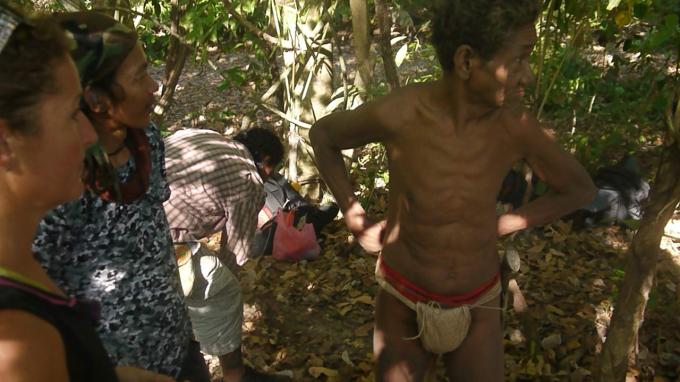
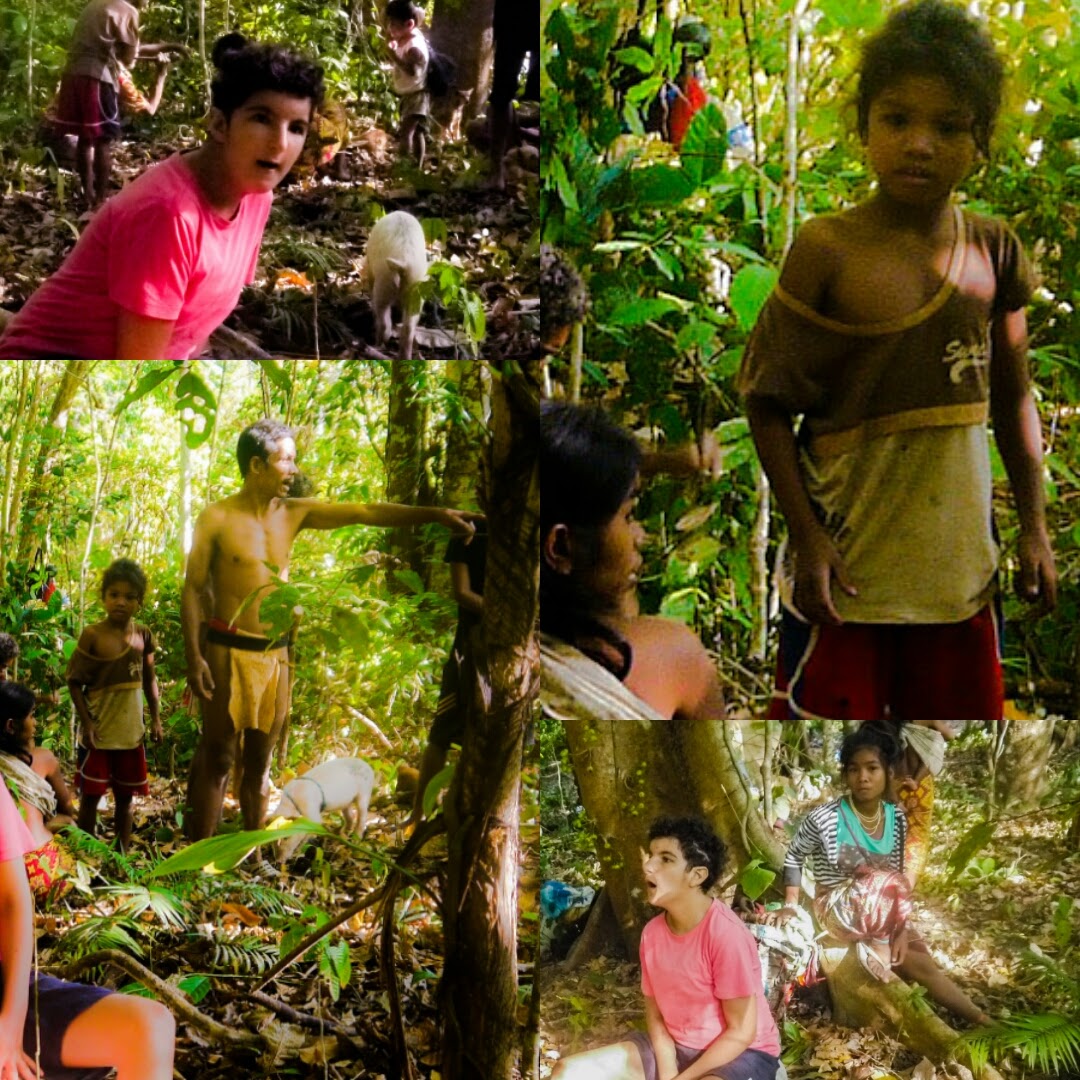
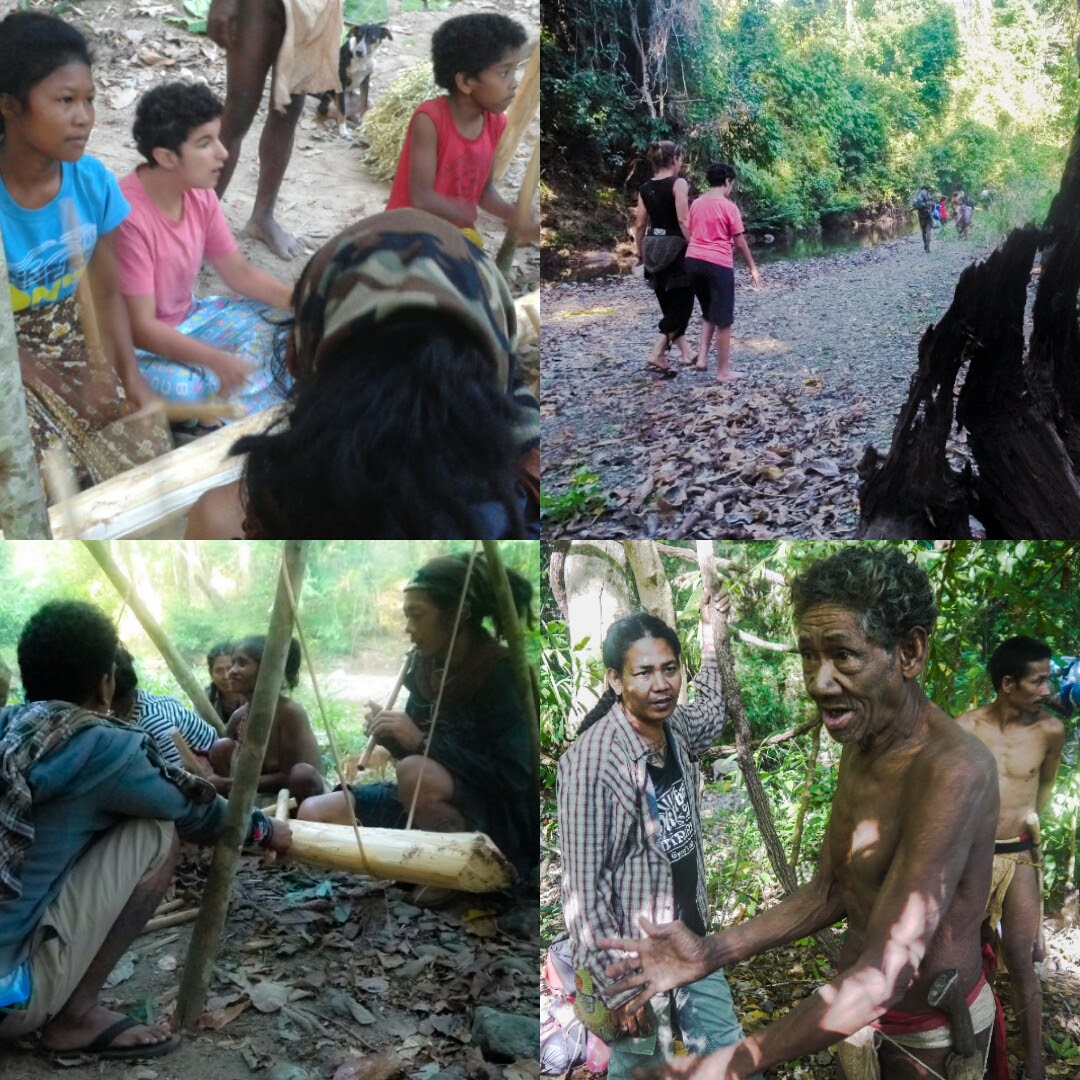
Taking solar lamps to families of the Batak tribe in Palawan, Philippines… Finding a need and going on an adventure with a friend who wants to help and see remote village life…
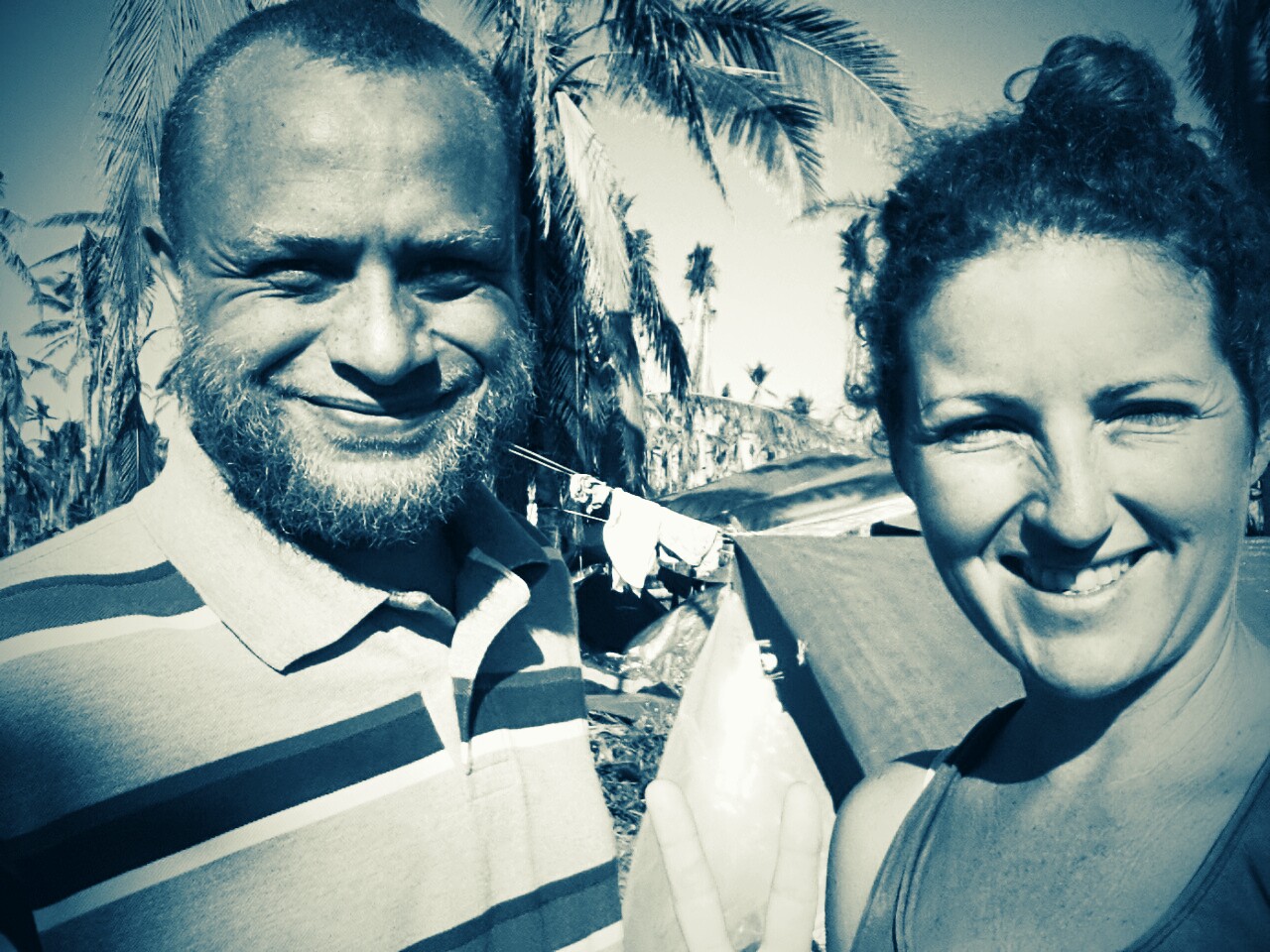
This is me and my awesome friend Sameh, who I met on the Tacloban Earthship Volunteer Build in Philippines in 2015 after Typhon Yolanda/Hyan. Sameh works for a Muslim AID organisation in Kuwait and asked me to help him take solar lights to some “poor people in a remote area” of Palawan (where I was living with my daughter during 2016). “Coincidentally”, I had just been on a visit to the Batak Tribe area for their annual Wild Bee Honey harvesting festival… and actually the tribal elder requested that I bring solar lights on my next visit there… It was Sameh’s vacation time from work and he wanted to see some beautiful places and help people (don’t you love that…!?). I organised things and we visited the tribal area and distributed solar lights bought locally in the town of Puerto Princessa.
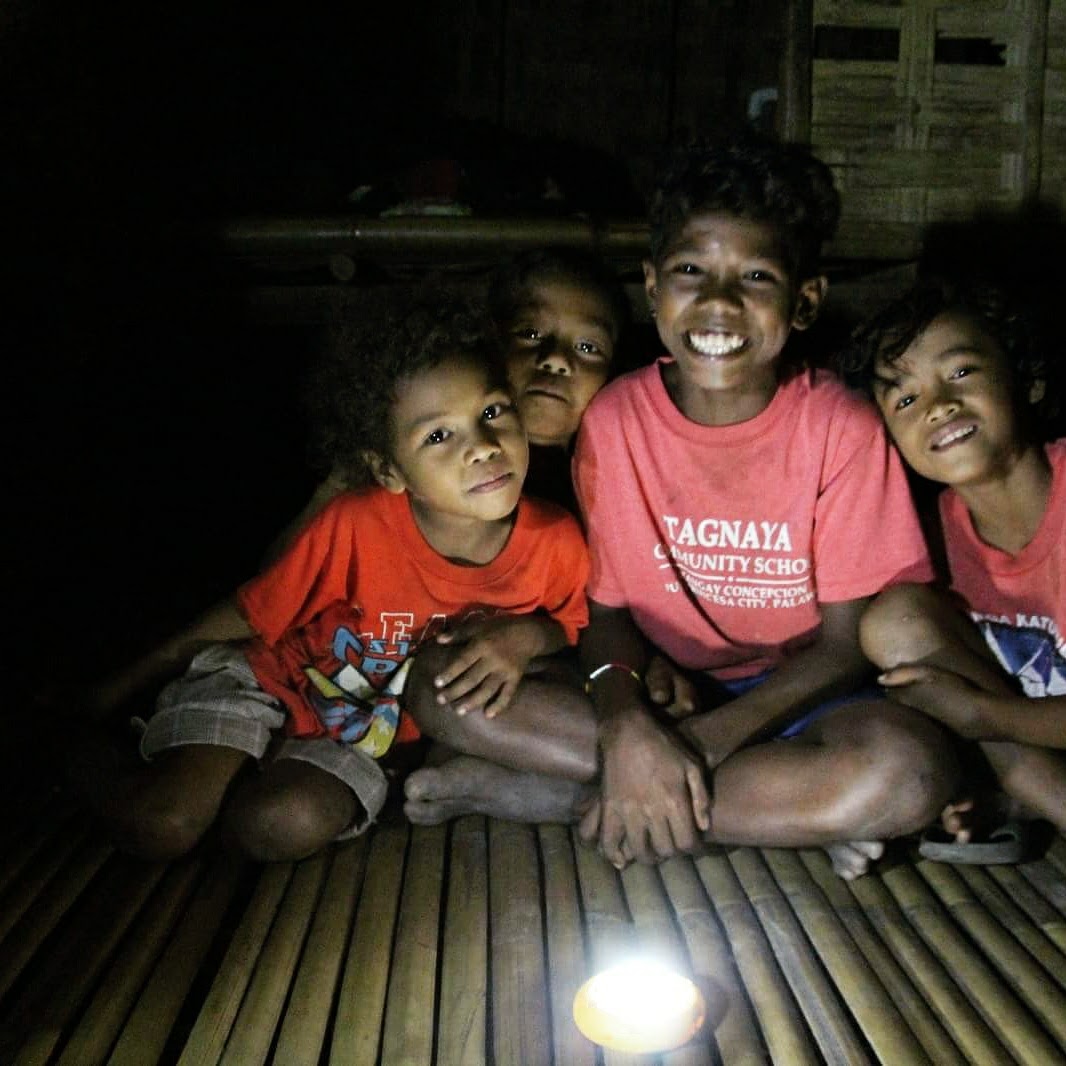
I have some reservations about the quality of solar lights and what will happen to the batteries when they die… as well as the plastic parts etc. I’ve been blessed to have been put in touch with Akarsh of BePolite, a solar technology innovation project in India, originating in Calcutta where previously, on nightfall, it was difficult for street-stall holders to operate and little dangerous. Akarsh and his team have developed a highly portable and robust solar lamp kit with 2 lamps and a usb output which serves the needs of street vendors perfectly… and could probably be utilised in Indonesia quite well at this level… a little different from Sundaya who are a local brand of solar lamp and technology manufacture suited to household systems.
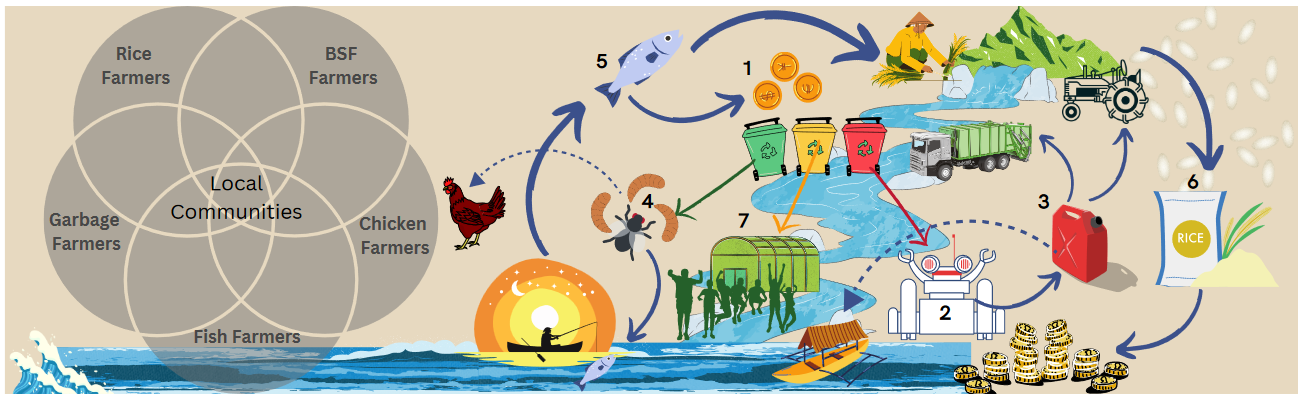
And I came across POWERWELLS who are developing small solar systems using recycled laptop batteries for remote communities and up cycled torches (bamboo) which cost around $1 to produce. These systems stand to create much less waste and enable more people to “charge” devices and to make solar lights themselves. We would like to help make use of old laptop batteries in Indonesia and make an incentive program for local people, especially where there is no trash collection, to sequester any single-use plastic waste into ECOBRICKS and bring rewards in the form of sustainable technologies such as these to help our planet and give solutions to the plastic “throw-away” problem littering our societies.
In upcoming Outreach Adventure tours, we aim to bring this technology to our communities with ECOLEADER PROGRAMS and ECOBUILDER TOURS to make structures from natural/recycled materials where small solar systems can be installed centrally in the community… where people can charge their phones/solar lamps (One Powerwells system can charge around 20-30 mobile phones/solar lights per day). We are currently working on the incentive of Ecobrick Exchange…. to reward communities for taking ANTI-POLLUTION measures to dispose of waste and SHARE knowledge and education about encapsulating and keeping trash OUT of our natural ecosystems through Ecobrick-building.
Contact Us if you’d like to get involved!
Show Your Love!!!
Contribute NOW towards Our Outreach Programs… Make a one-time donation – and receive 120% of the donated amount credit towards your future bamboo program.
Make a monthly donation
Make a yearly donation
Choose an amount
Or enter a custom amount
See more information on our Outreach Programs page and sign up for Updates if you want to attend our Upcoming programs in Africa. Or if you would like to join us in Bali, indicate Internships on the form. You can also opt that your donation gives a place to a local community member in Indonesia or Africa.
Your contribution is appreciated.
Your contribution is appreciated.
Contribute NOW and get 120% Credit towards your future Bamboo program Enrollment
Online-Access Bamboo Internship and Outreach Program
We plan make knowledge available to local farmers on the economic potential and benefits of growing and treating bamboo affordably and non-toxically; We hope that more local farmers (worldwide) will gain knowledge of this method of treatment which the farmer can value-add, lengthen the lifespan of bamboo and also lower the cost of production. Though this process can get a bit smelly (fermentation of the plant sugars), by raising awareness and sharing this knowledge, it could incentivise more farmers to grow bamboo and integrate syntropic agroforestry/mixed cropping on their land/s. The modules of this workshop will be delivered in person through our CSR programs and be made available via on-line video for local farmer groups internationally to help to raise local community awareness of sustainable management of bamboo.
Join here on Facebook (free) and for the paid course, please register on the form below.
See our Workshop Page for details on other upcoming training, workshops and events currently available.
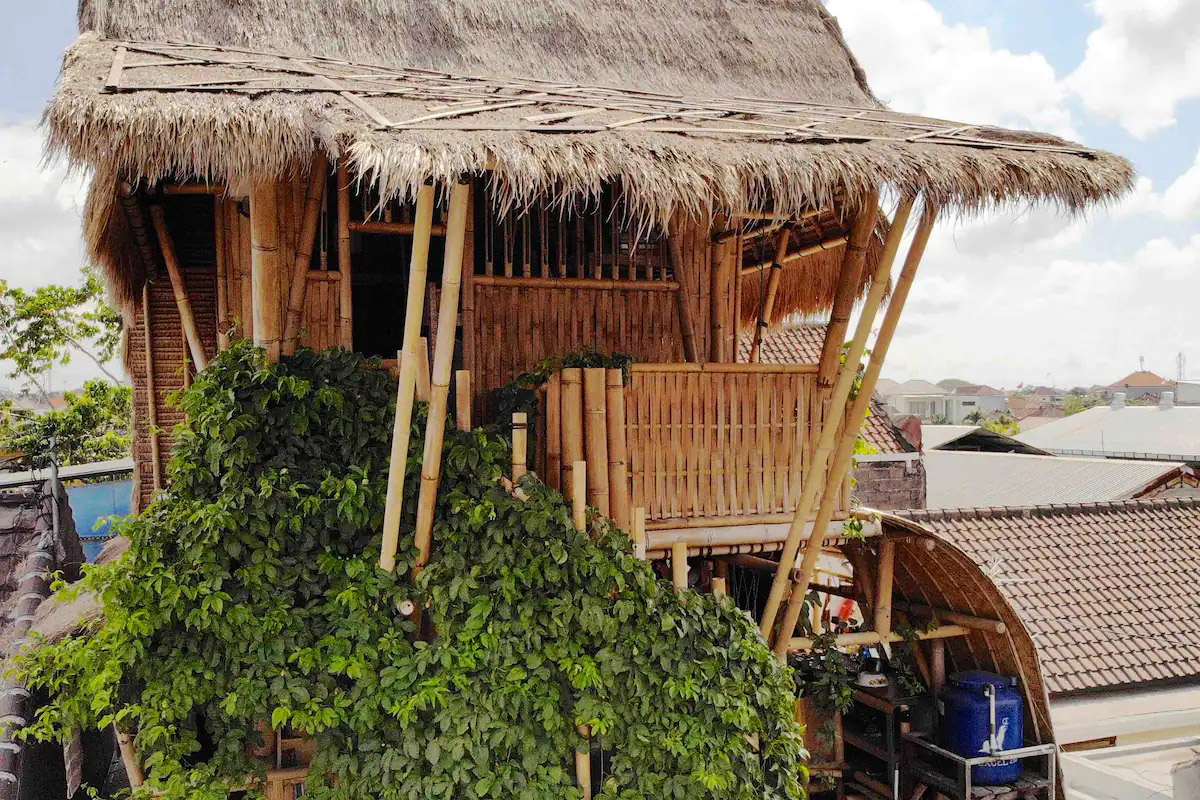




These are amazing projects.
LikeLiked by 1 person