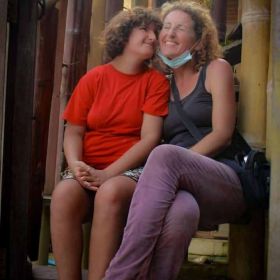
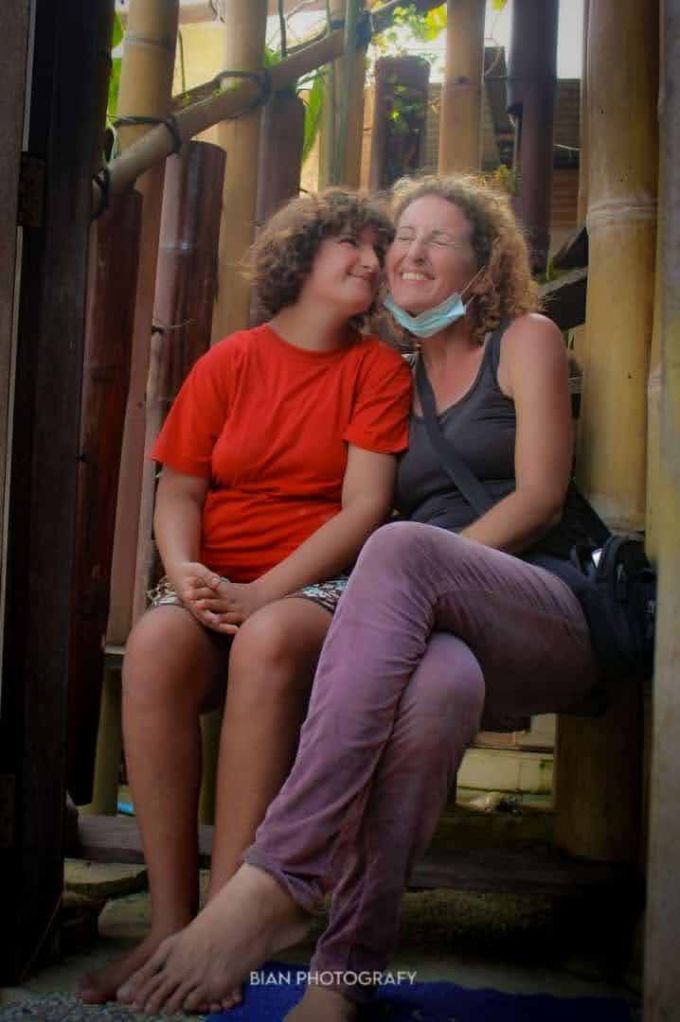
VItal Light Villages is a concept that first came to me around 2012/2013 when i was seeking an appropriate place I could call a long-term home with my daughter – a place that would be sustainable (in that we could afford to live there and participate), where there would be activities or my daughter to engage with, and participate meaningfully – where we could be part of a community and economic model that is unexpolitable by corporations. Where the efforts of the community are returned to them, not to sharehoder profits.
Our time living in the Philippines living with local families inspired this Vision and I have been testing out aspects along this journey in South-East Asia. From social-exchange programs, kids’ workshops, bamboo-building courses and meeting so many like-minded people with similar paths and inspration. As the political and economic climate in many “developed” countries seems to be moving towards defunding people with disabilites and moving them into institutional care away from their families – it seems more and more that there is a growing need for alternative living and care environments which allign wih what we would expect from a “civilised” society.
Recently I have been all-to-well reminded of the predatory nature of companies in the disability-care field – with my own daughter becoming a victim of companies that seem unaccountable – in the eyes of government and the “justice” system. Attempts to intimidate me and try to take control of decision-making and finances for my daughter have shocked me – though I’m not altogether surprised. That many parents share a similar situation where the “state” has taken decision-making authority out of their hands for apparently pretty pathetic reasons, highlights to me the need for a full investigation into the Guardianship System, especially where it relates to children and adults wth a disability who don’t have decision-making ability (verbal; though if you actually spent time getting to know them, you would know what they want and need).
One mother who reached out to me (in response to one of my personal Facebook Posts) said her family spent over AUD$20,000 in legal fees to get rid of state guardianship over her son – losing their house and savings. Others have either spent similarly and lost their homes/businesses/livelihoods in the process or are unable to afford legal advice and are in a limbotic pond of sheep shit. In my situation, my finances are expired through fighting this for the last 5 months… And now I’m expected to return to Australia and place my daughter in Instutional Care that will not meet her support needs? I don’t think so! I would rather live with “nothing”/no support for her disability than subject her to the trauma of family separation again, risk of harm, being bounced around with people who do not know her, and assessed by people who have no clear idea of what her long term actual goals are.
I sent Freyr to Australia in mid-2023, after a long battle to get her an NDIS plan and a supported transition. Her local school program in Bali had finished, and I needed to keep building my business here — where we had already been living, unsupported by any government, for seven years. I wanted to expand beyond our first project in Denpasar, Freyr’s Bamboo Home, and go deeper into affordable bamboo treatment and building techniques with Balinese builders.
Things were going well for Freyr. She was becoming a semi-independent young woman. Then the NDIS funding cuts started, and it ended in a total collapse of her care late last year.
This is where choosing life in Australia has left us. I’ve had to seriously question whether re-engaging with the Australian disability system is in Freyr’s interests at all — particularly for those who have no one to advocate for them. In my own case I’ve found myself actively obstructed from advocating for my daughter by a system that seems to have lost sight of natural justice. For now, Freyr’s needs are better served here, where she is settled, engaged and known. I had actually planned to move back to help her get the assessments needed to lift her funding to a safe and sustainable support ratio — and after ten years away, reconnecting with friends and community in Cairns was genuinely lovely. I’m sad that isn’t where things have landed for the moment. But God has shown me I’m strong, and we will keep building.
I have set a Charter for Friends of Freyr. It sets down in writing what should never have needed writing down: that a person with a disability has the right to live among people who know them and choose to be there. That care built on real relationship is worth more than care assigned by a roster. And that decisions about someone’s life should be made the way a loving parent would make them.
Around each person is a Care Circle — the people who actually know them, who have shown up over years, who can tell when something is wrong before anyone has filled in a form. That circle holds the decisions. Not a stranger, not a department, not a company with a service agreement.
It’s a simple idea, and it’s the one thing that has kept Freyr safe every time the system hasn’t. I’d rather build that properly, from the ground up, than keep asking permission from people who have never met her.
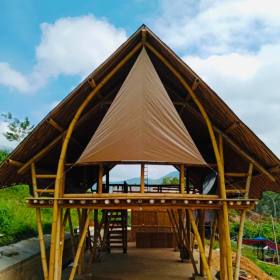
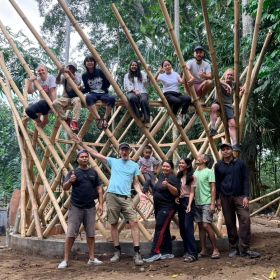
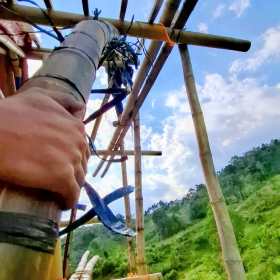
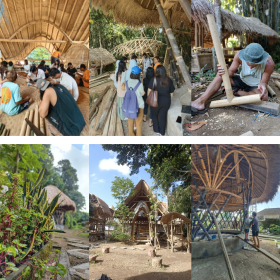
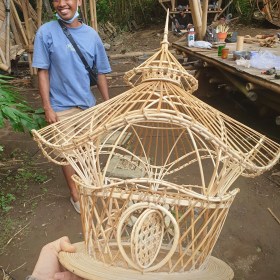
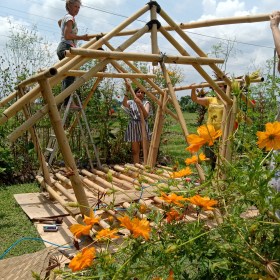
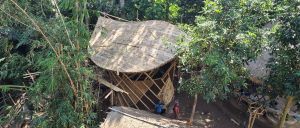
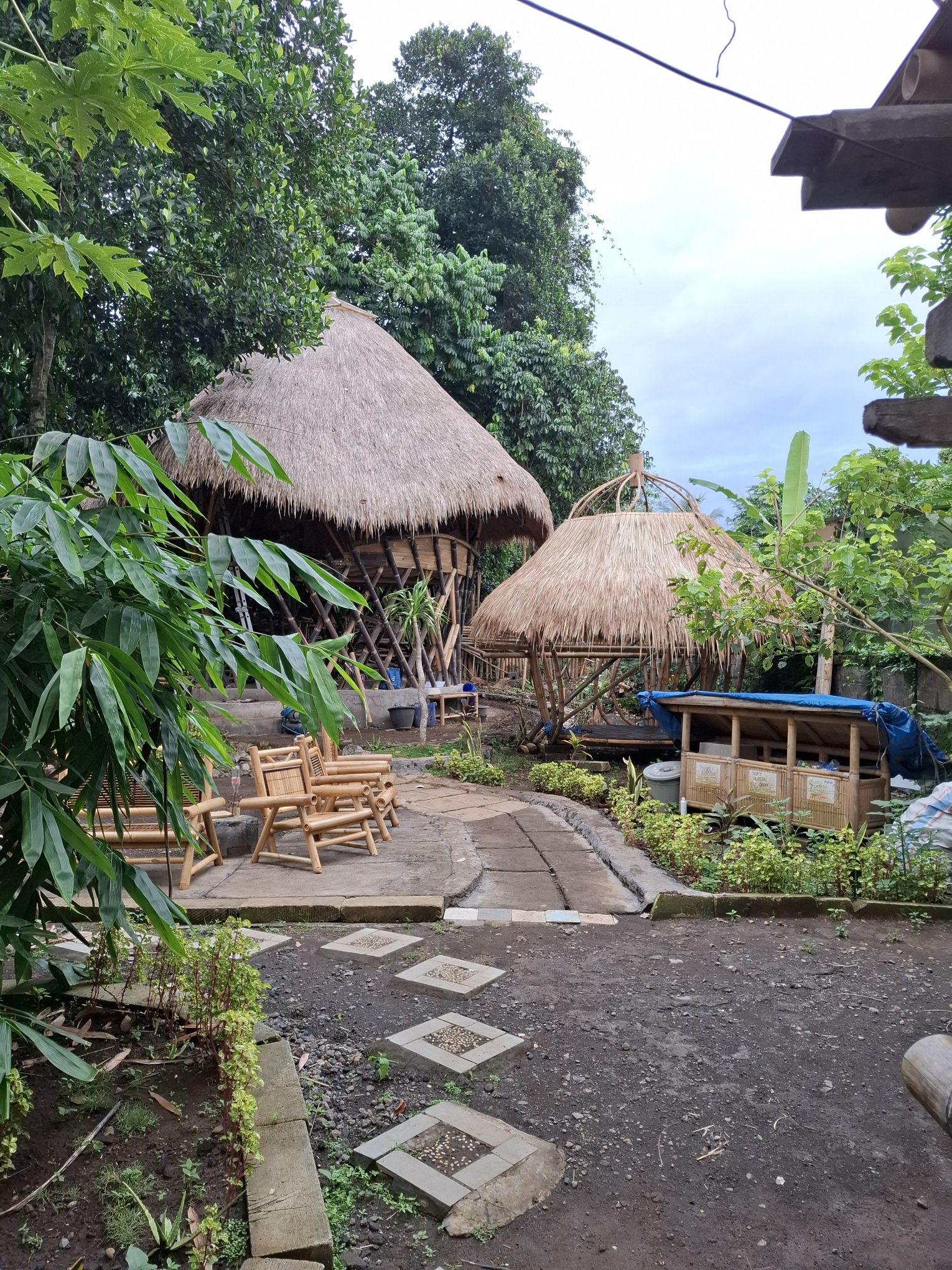
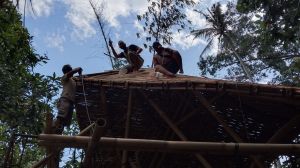
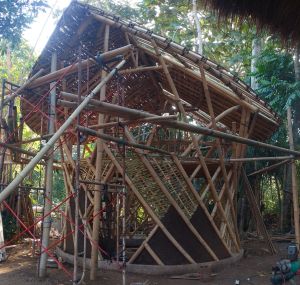
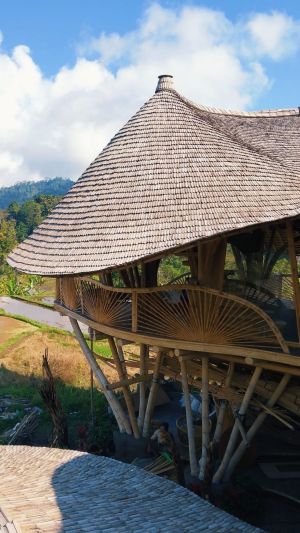
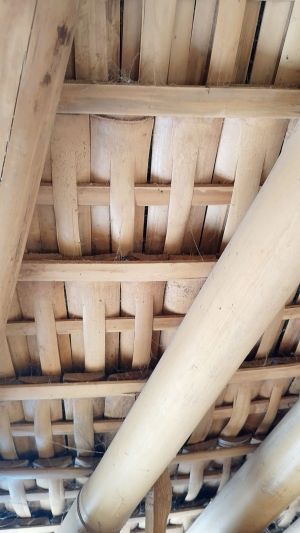
Over the three years Freyr was in Australia, I have been able to develop a new project site – a bamboo eco-school, built through the Bamboo Building Programs of Bamboo Creative Bali in Belega (near Keramas). It’s a working school and demonstration site for bamboo skills and prototype buildings. The structures and site still need finishing, but it is now safe and suitable for Freyr to be here. Our workshop focus here at the Belega Eco-School is now shifting towards small-group family and VIP programs, while our longer build programs look for a new site and will become part of the next phase of our Vital Light Village pilot in Bali.
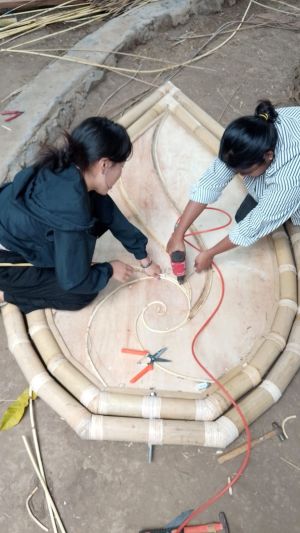
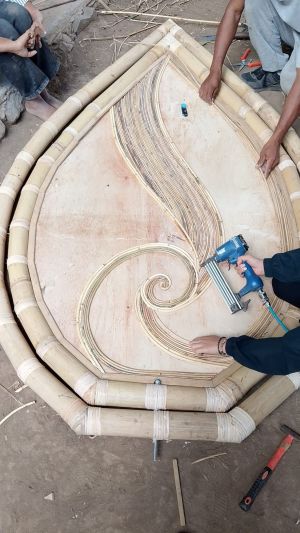
It was always meant to be inclusive – and for Freyr to be able to come and spend time here… to meet her need for inclusion and to be able to be part of a functioning community. She enjoys being around People! So again, we’ve come full circle – and are now building another social program that focuses on creativity, developing our Ecobrick and funding strategy to be able to take our bamboo education programs to interested communities. and incentivise plastic waste sequestration. We are also working towards resident artist and internship opportunities for people who want longer-term placement — starting at the basic level of learning bamboo skills, and moving towards teaching those skills to others in our Vital Light Programs.
Check out our upcoming Resident Artist Opportunity
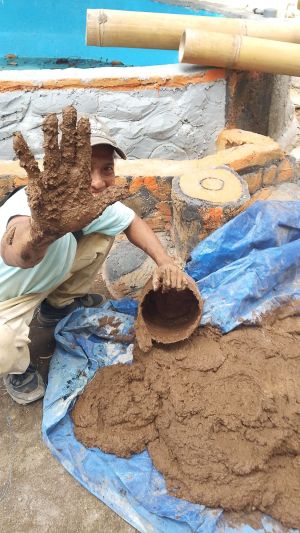
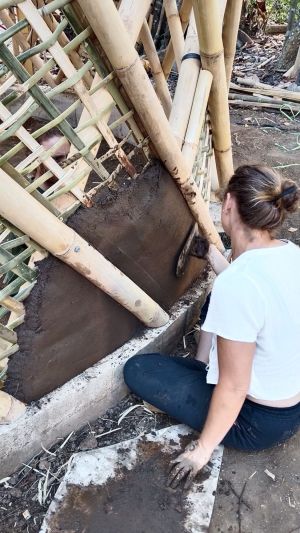
During the coming months we are completing earth walls, a lime floor, light clay straw eco-brick walls, stairs, roofings, finishing the surrounds/ landscaping, and the bathroom and washing facilities that will make the site genuinely usable and accessible.
These aren’t simply finishing jobs. Each one is another thing to learn. What makes a healthy earthen wall? How do you create a beautiful natural floor that survives real community use? How do you manage water, and what happens to wastewater? How do you build an accessible bathroom in a regenerative setting? How do pathways, ramps, gardens, sensory spaces and gathering areas change who can actually participate?
These are questions about architecture. But they are also questions about who our communities are designed for.
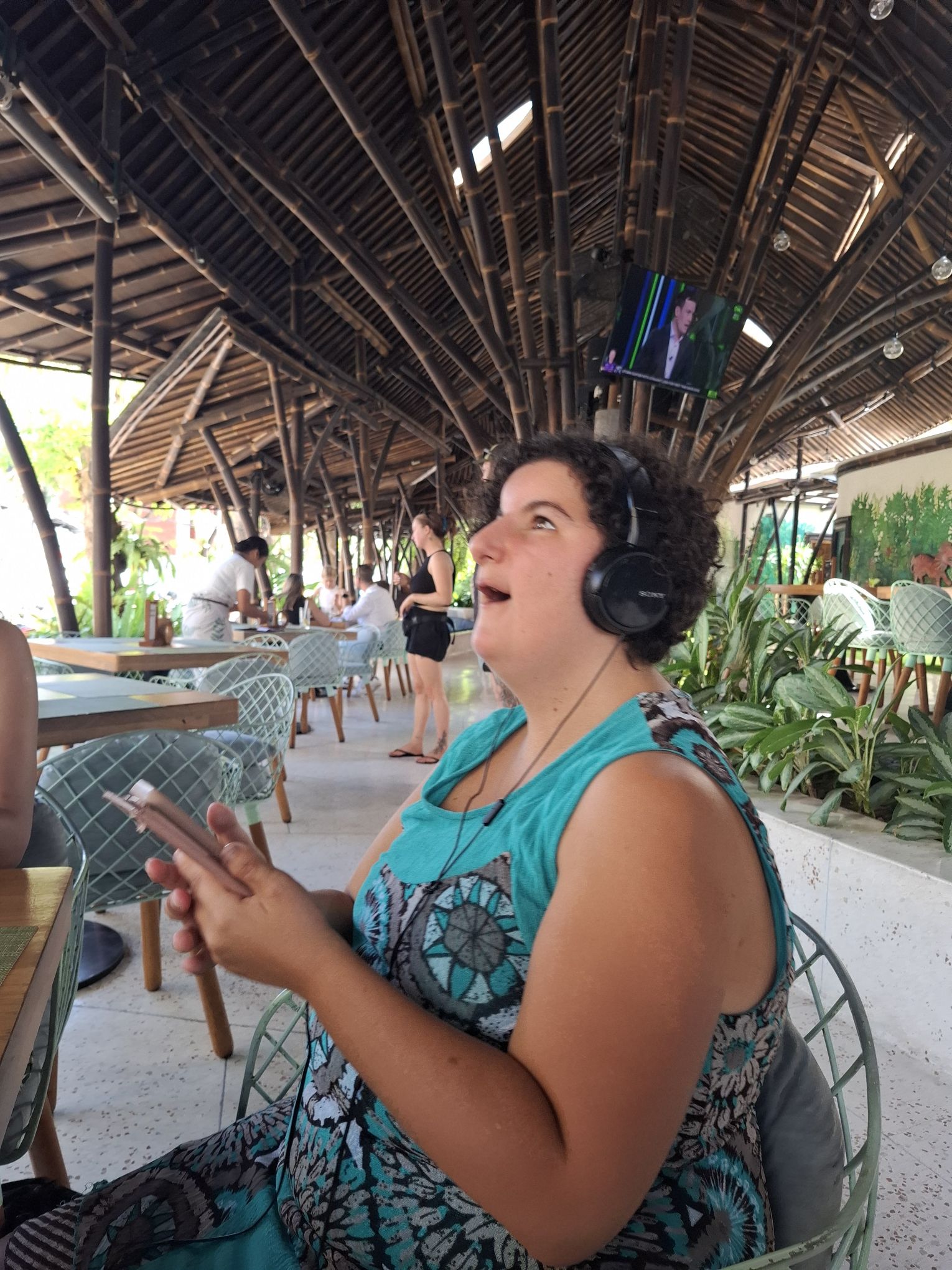
They are not abstract questions for me. Freyr is here now, living in Bali, and every one of those decisions is a decision about whether she can use this place — whether she can move through it, wash in it, rest in it, and be part of what happens here.
For almost ten years, most of my work has been circling the same question: how do we create places where people with different abilities, families, carers, craftspeople, teachers, visitors and local communities can actually live and participate together?
Not an institution. Not a disability centre held apart from ordinary life. Not somewhere families hand over the people they love to a system. Something much more like a village.
I call this concept Vital Light Villages — living human ecosystems where culture, care, ecology and enterprise evolve together.
The idea isn’t that every village looks like Belega. Quite the opposite. A community in Bali may develop around bamboo, weaving, food, agriculture and natural building. A community in Australia might develop completely different enterprises and architecture. Communities in the Philippines or Africa will have their own landscapes, traditions, materials, opportunities and needs. And within each community there may be many enterprises — some of them connecting several villages.
Check out our upcoming Resident Artist Opportunity
What if traditional craft became part of the care economy?
This is where it gets interesting.
Imagine a community where people with disabilities aren’t simply recipients of funded activities, but participate according to their interests and abilities. Someone may weave. Someone may prepare fibres, or grow plants, or paint, or package products, or feed animals, or welcome visitors. Someone may love music and become part of the rhythm of community gatherings.
And some people will need substantial support to participate. That’s fine. The question changes from “how productive is this person?” to “what does this person need in order to belong and contribute?”
Paid support workers still have an essential role. But they become part of a much richer human environment, rather than being the entire environment surrounding a person. And community enterprises can start generating economic value alongside the funding required for care.
Every village doesn’t need to make everything.
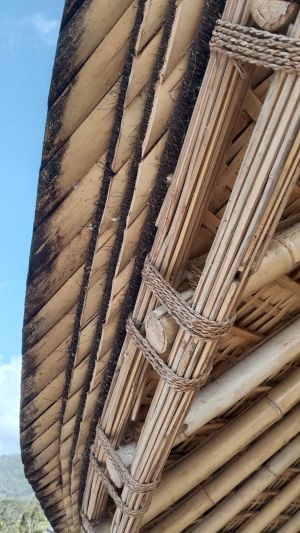
One community might become exceptional at pandan weaving. Another might specialise in sirap roofing shingles — a highly skilled and valuable component of natural and bamboo architecture. Another might grow and treat bamboo. Another might develop accessible tourism, or food production, natural dyes, ceramics, digital media, music.
Some enterprises would operate within one village. Others could connect producers and specialists across several. What matters is that an enterprise develops where there is genuine skill, interest, commitment, resources and demand to sustain it.
Instead of every community straining to be self-sufficient, villages become interconnected. Many villages, many enterprises, one living network.
Tourism as participation rather than consumption
This also changes what tourism can mean.
Instead of travelling somewhere, buying a handmade object and leaving, imagine spending a week learning from the person who knows how to make it. Helping build an ecobrick wall or a bamboo greenhouse. Learning bamboo joinery. Weaving alongside local artisans. Planting food, sharing meals, making music, learning why a particular material belongs to that landscape. And paying properly for that experience and that knowledge.
Tourism then becomes a way of financing the continuation of culture rather than contributing to its disappearance. The artisan isn’t hidden at the start of a supply chain while the value accumulates elsewhere. The visitor meets the maker. The learner pays the teacher. And the community keeps a far greater share of what it creates.
Help us build the next stage
Most of our buildings at Belega Eco-school are structurally complete. The next challenge is turning this into the living, accessible learning environment that alligns with our Vision.
The coming stages: earth walls, lime flooring, accessible surrounds and landscaping, bathroom and washing facilities, and learning and activity spaces.
This infrastructure is also what will make it possible for Freyr to be fully part of the place I have spent much of the past decade working towards. That matters more to me than I can easily put into words.
Because ultimately this isn’t about constructing beautiful bamboo buildings. It’s about constructing the conditions in which people can have a life. A life with family. A life with friends. A life with meaningful activity. A life where carers get to have lives of their own. And a life in which people spend more time together, and less time navigating systems and bureaucracy.
Become part of the next build
Check out our upcoming Resident Artist Opportunity
Contribute to the Belega Build — help fund materials, accessibility, earth walls, flooring, landscaping and the bathroom facilities.
Pre-purchase Bamboo Bank Notes — put value into the project now and use your notes towards eligible future Bamboo Creative Bali workshops, programs or packages.
Join a future workshop — come to Bali and help us build, learn and test these ideas in practice.
Follow the build — follow the next stages through our videos, photographs and stories.
This isn’t a finished model. It’s something we are building, learning from, and inviting other people to help shape.
Perhaps that is exactly how a village should begin.
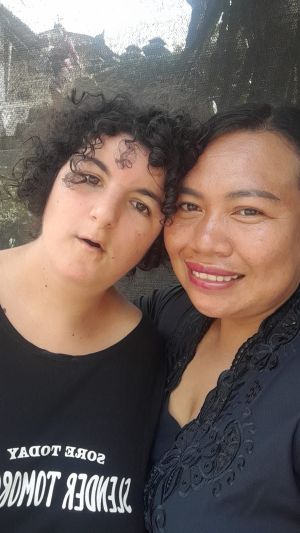
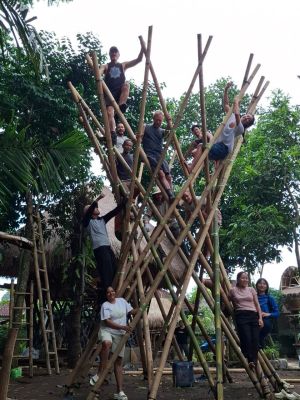
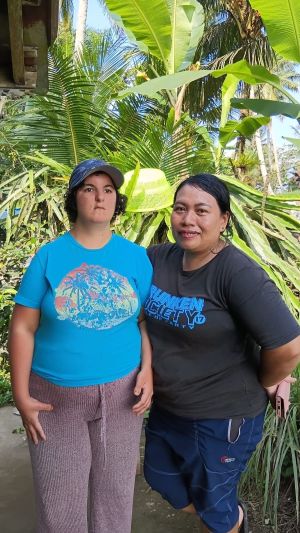
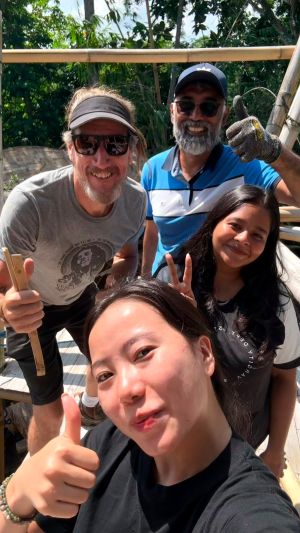
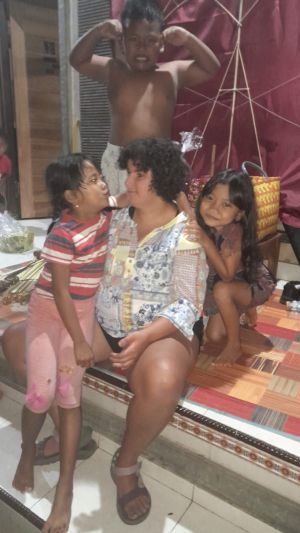
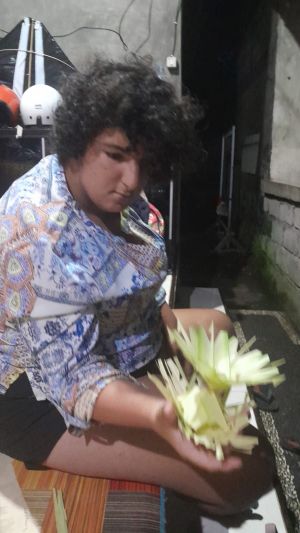
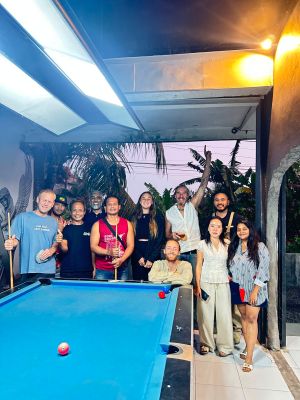
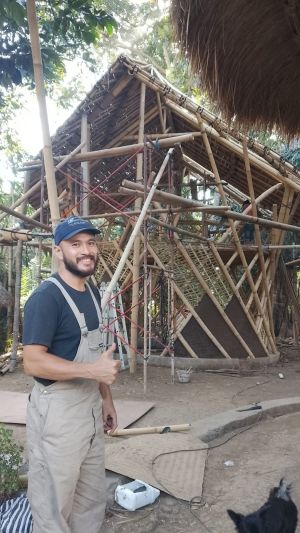
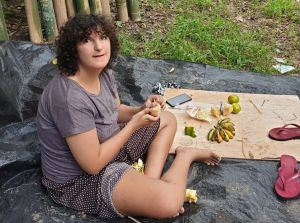
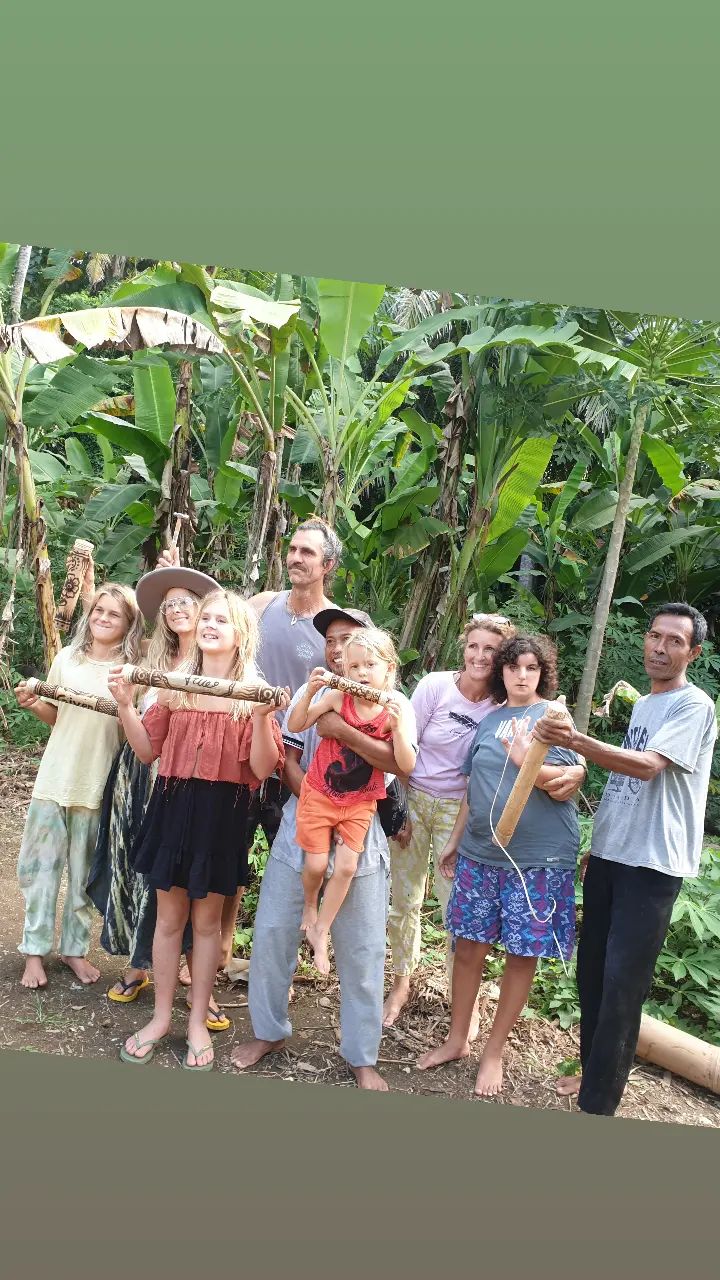
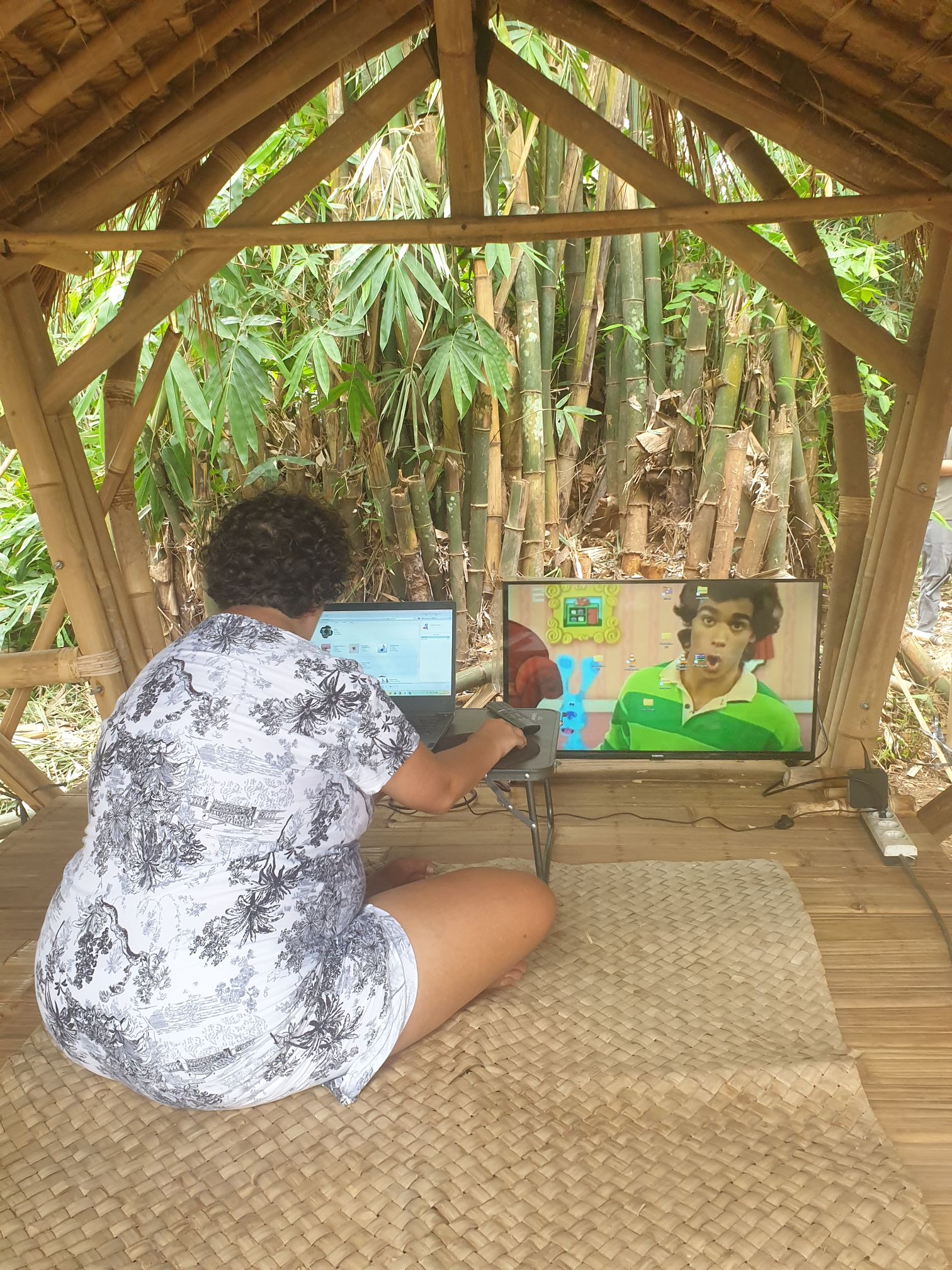
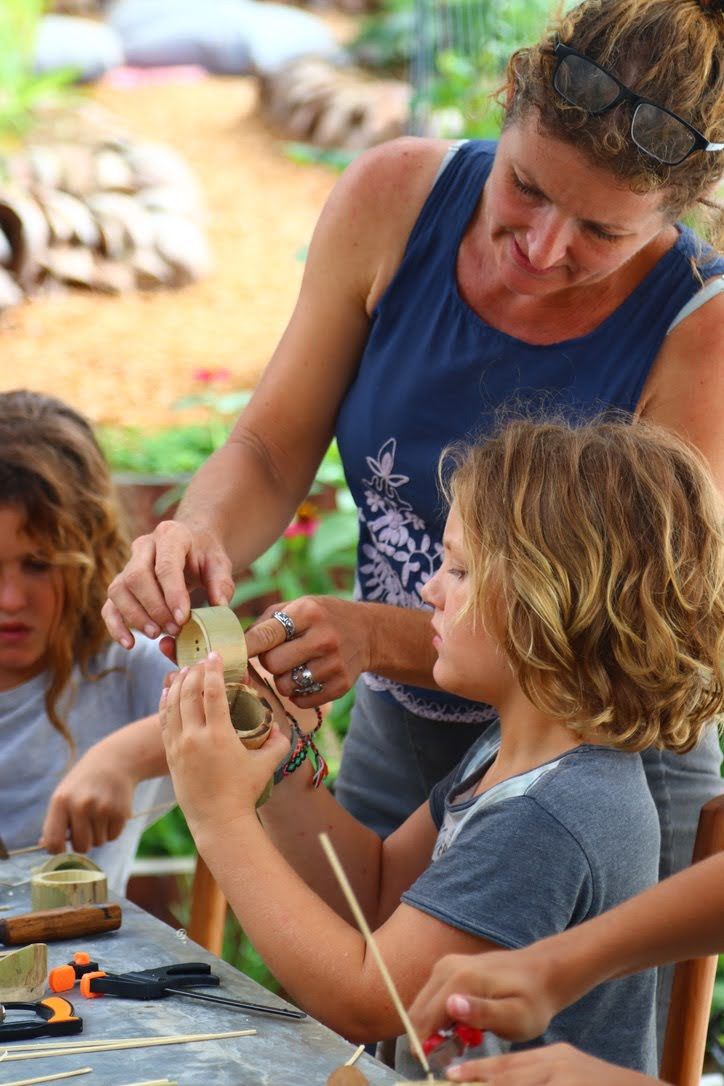
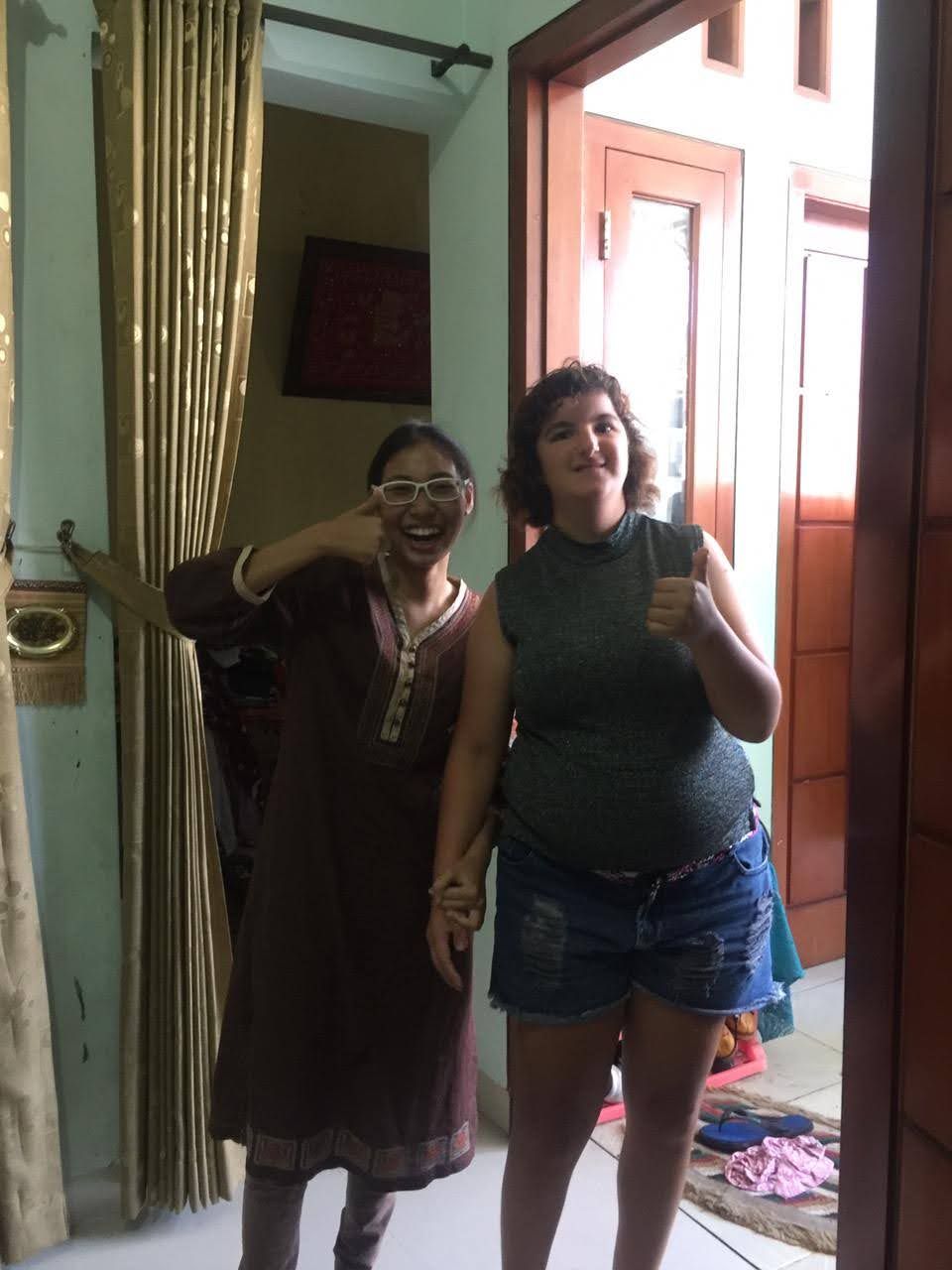
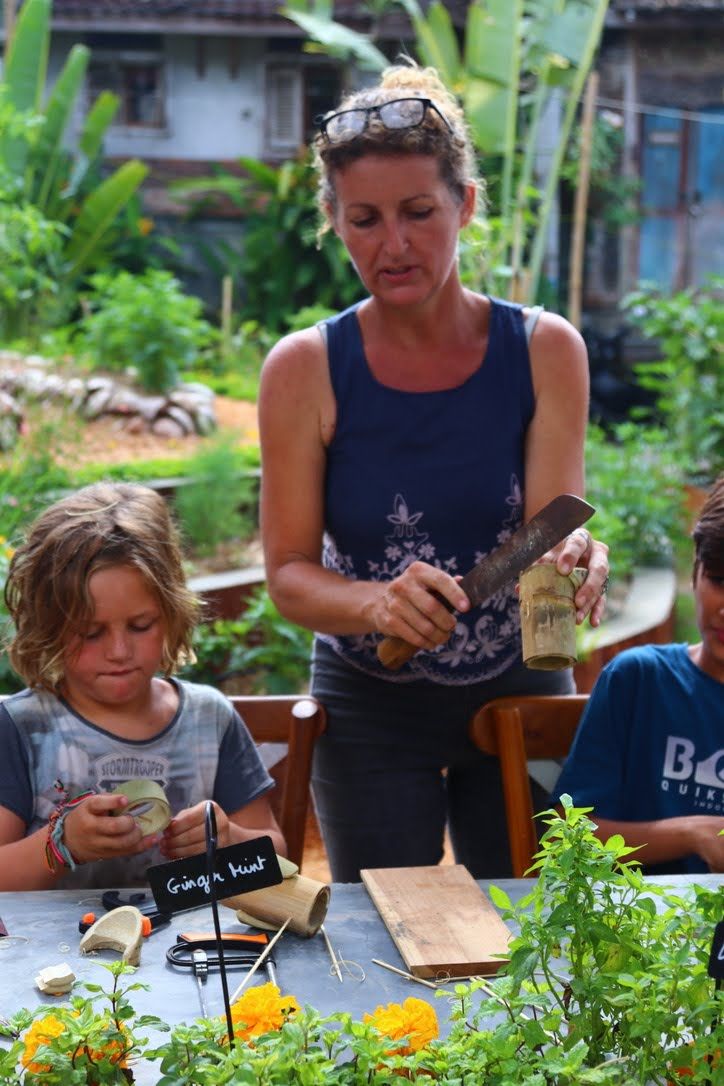
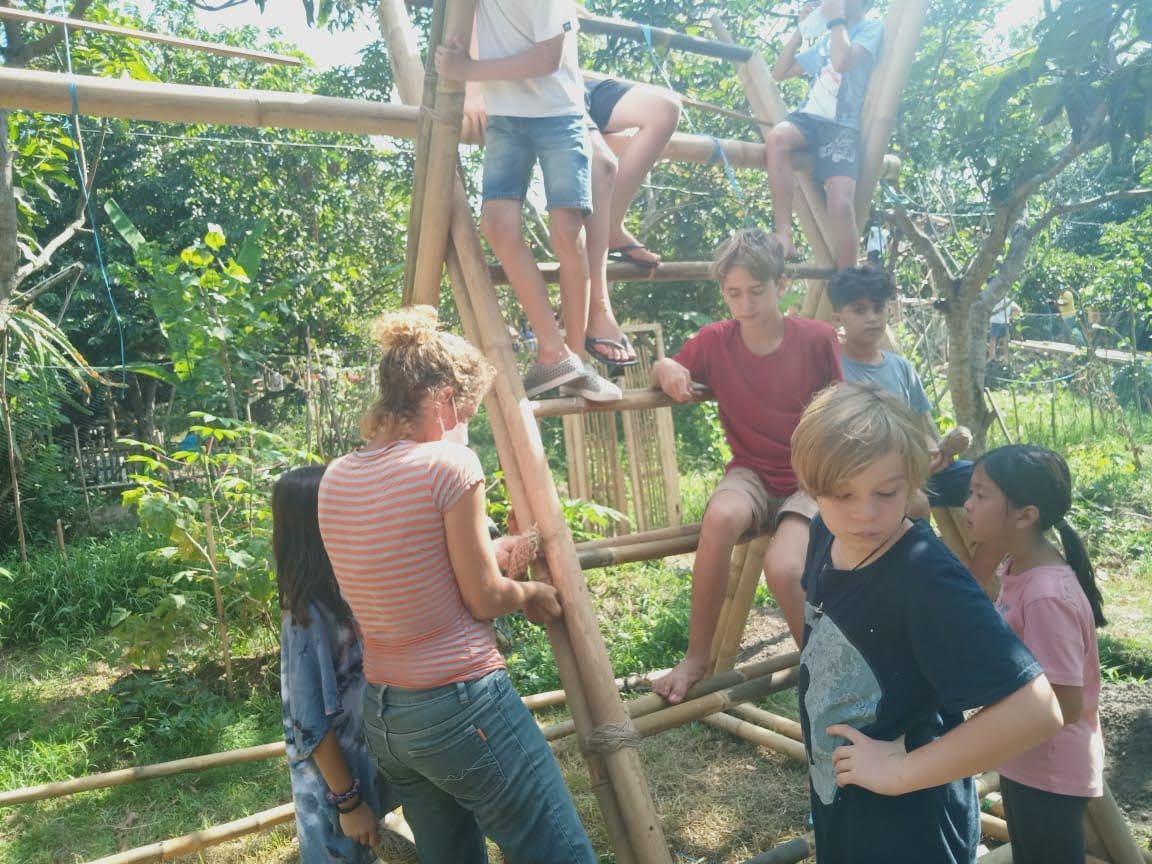
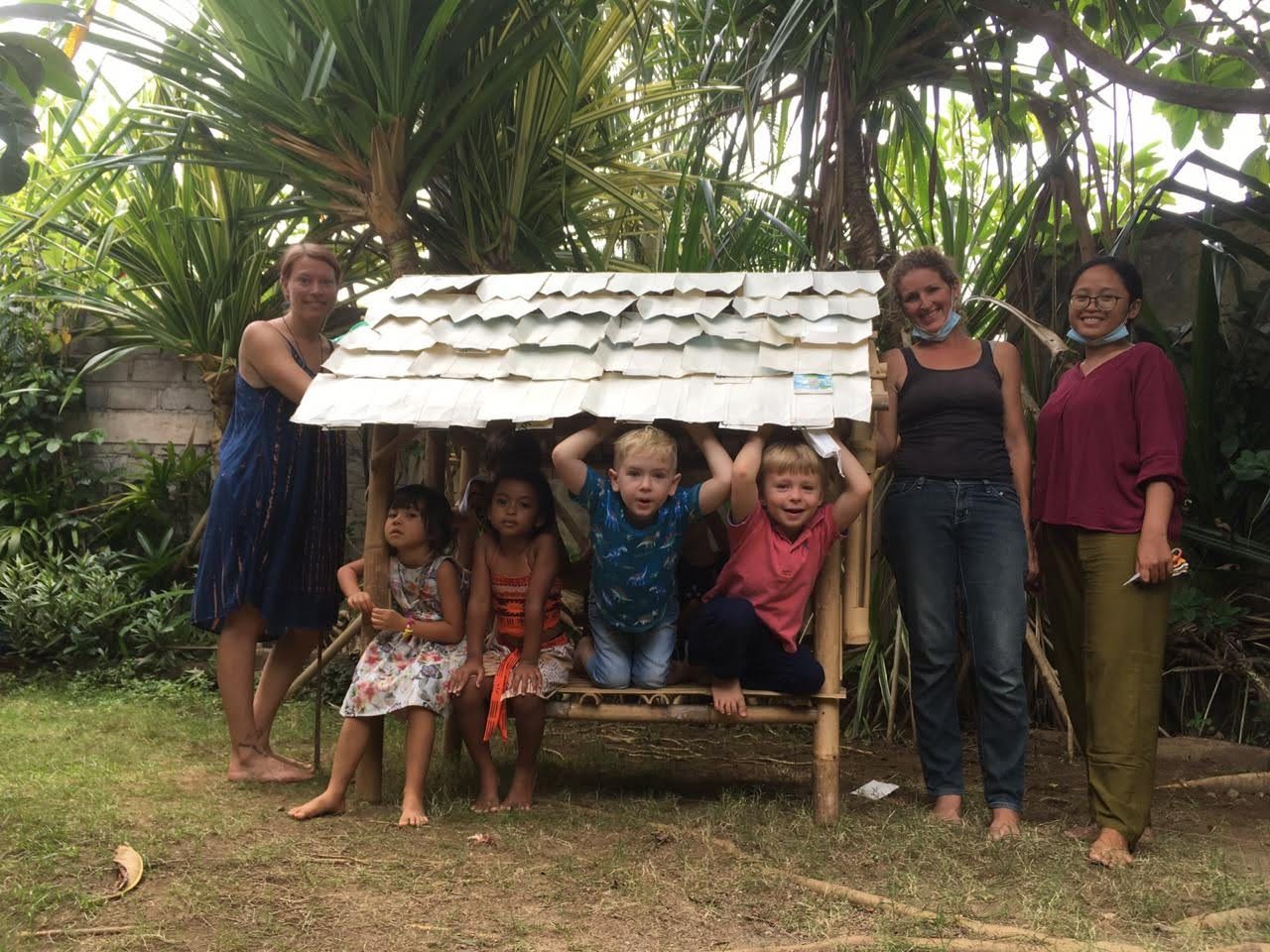
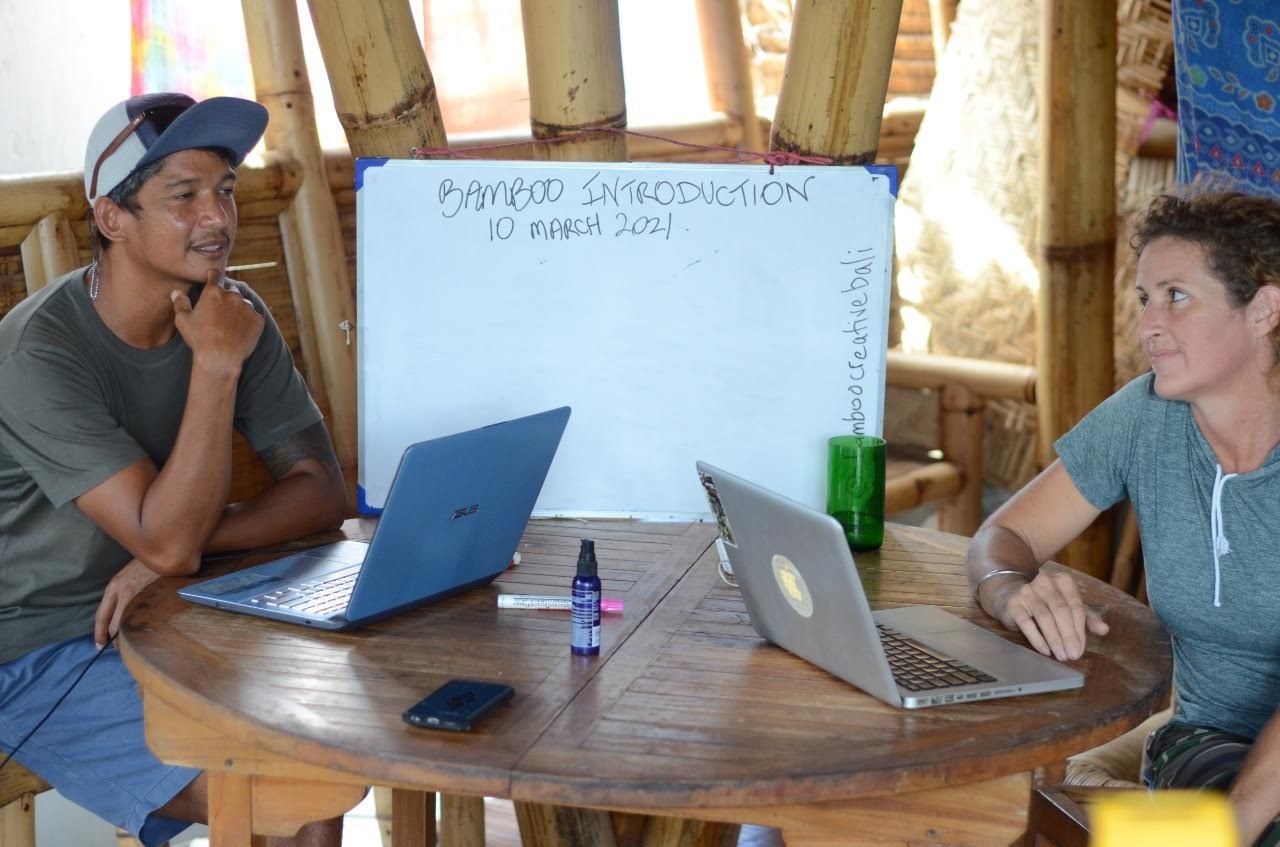
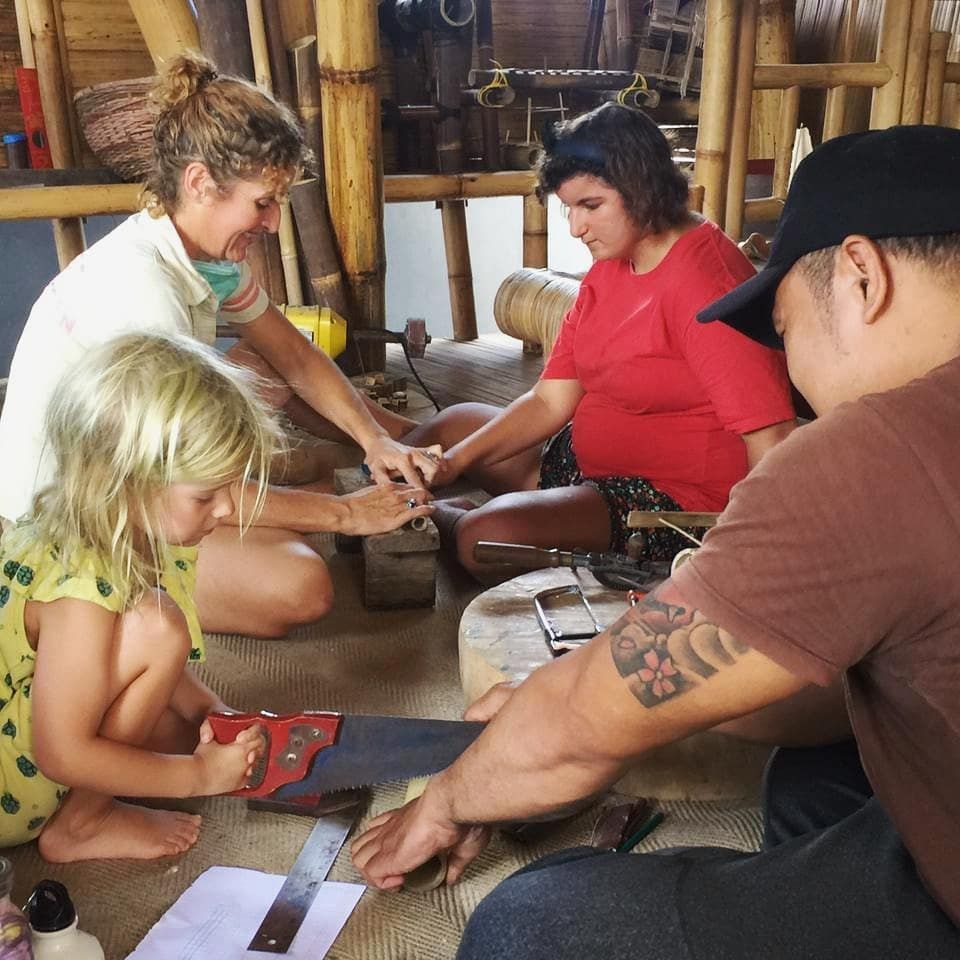
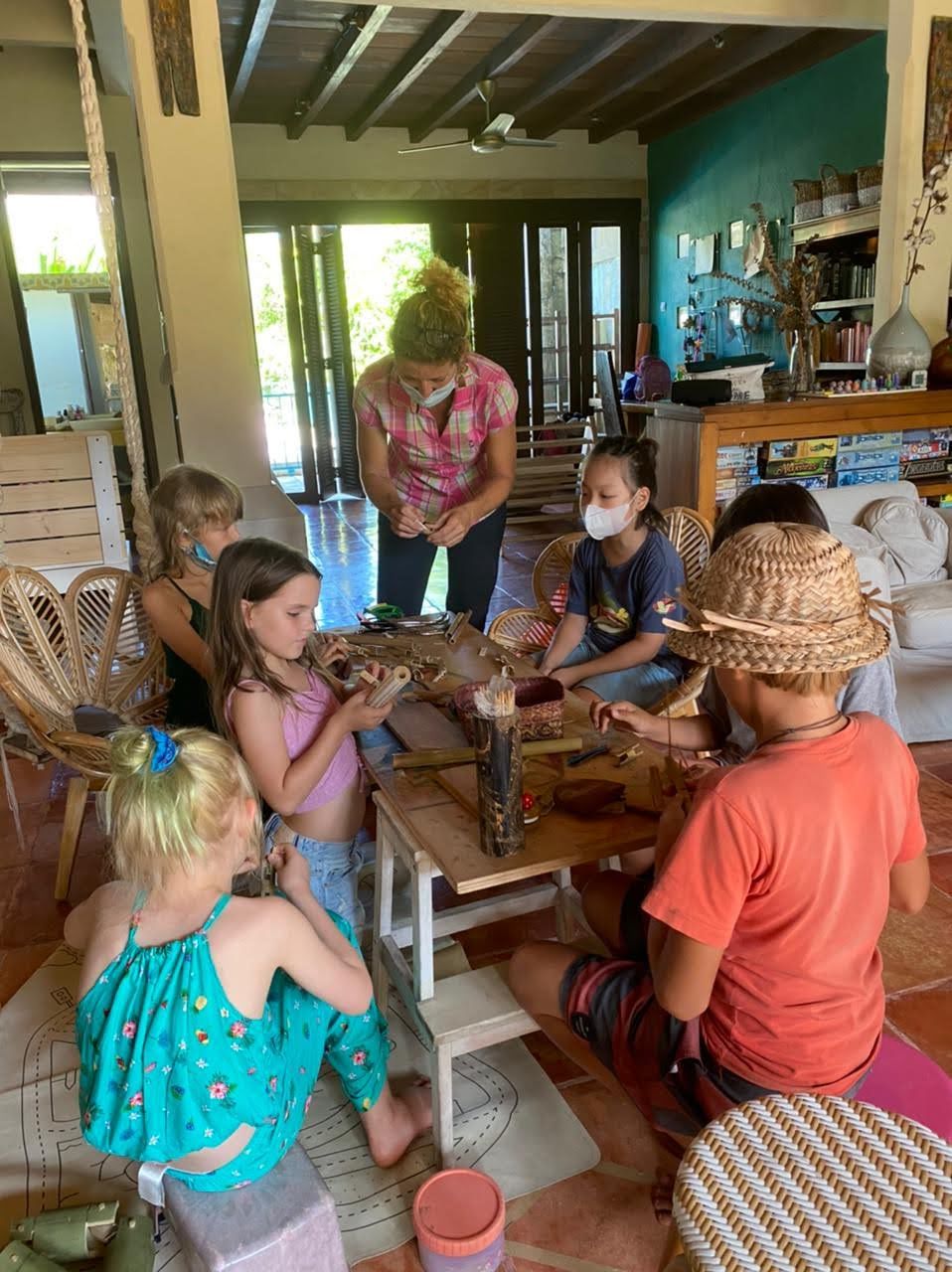
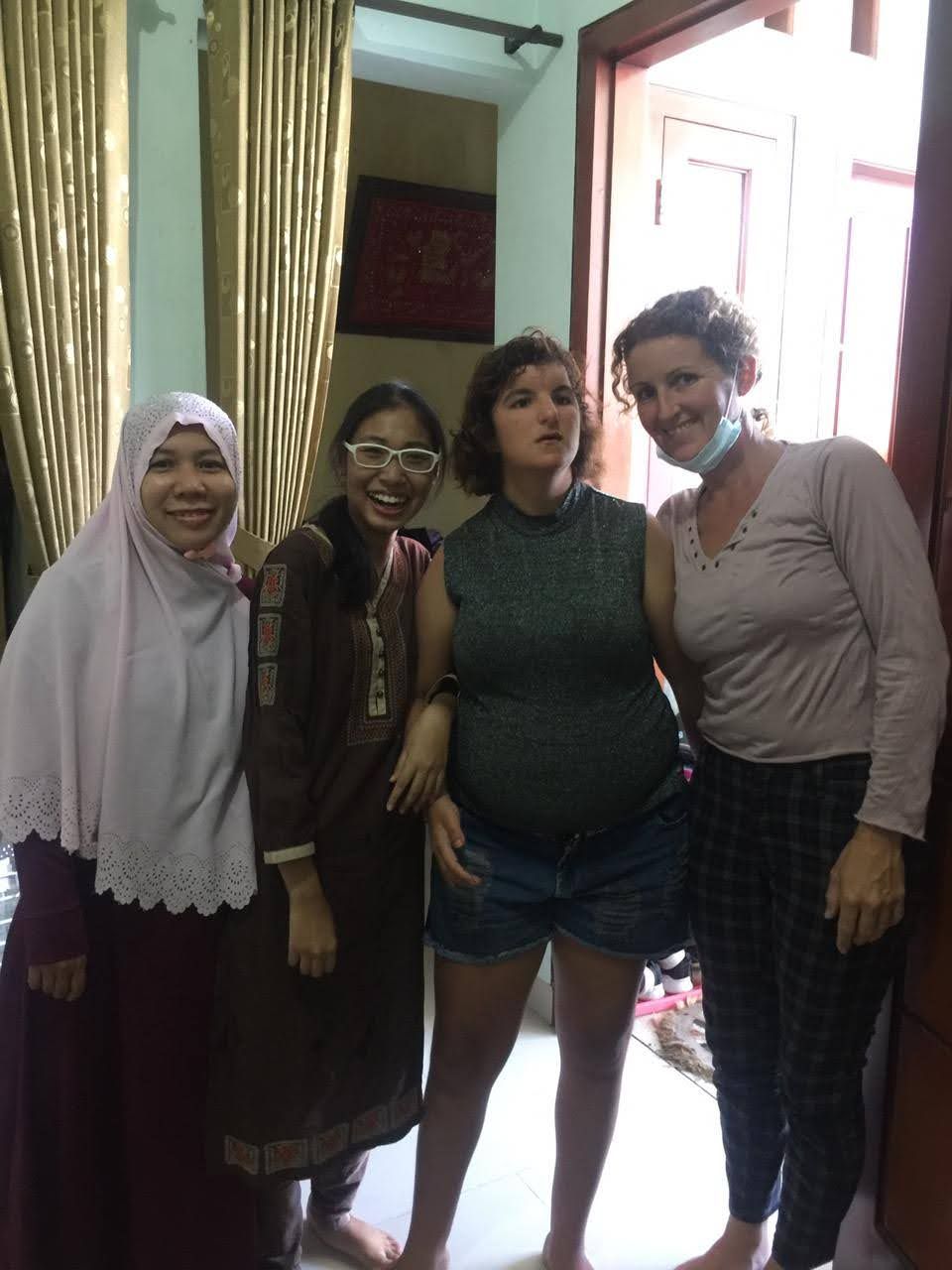
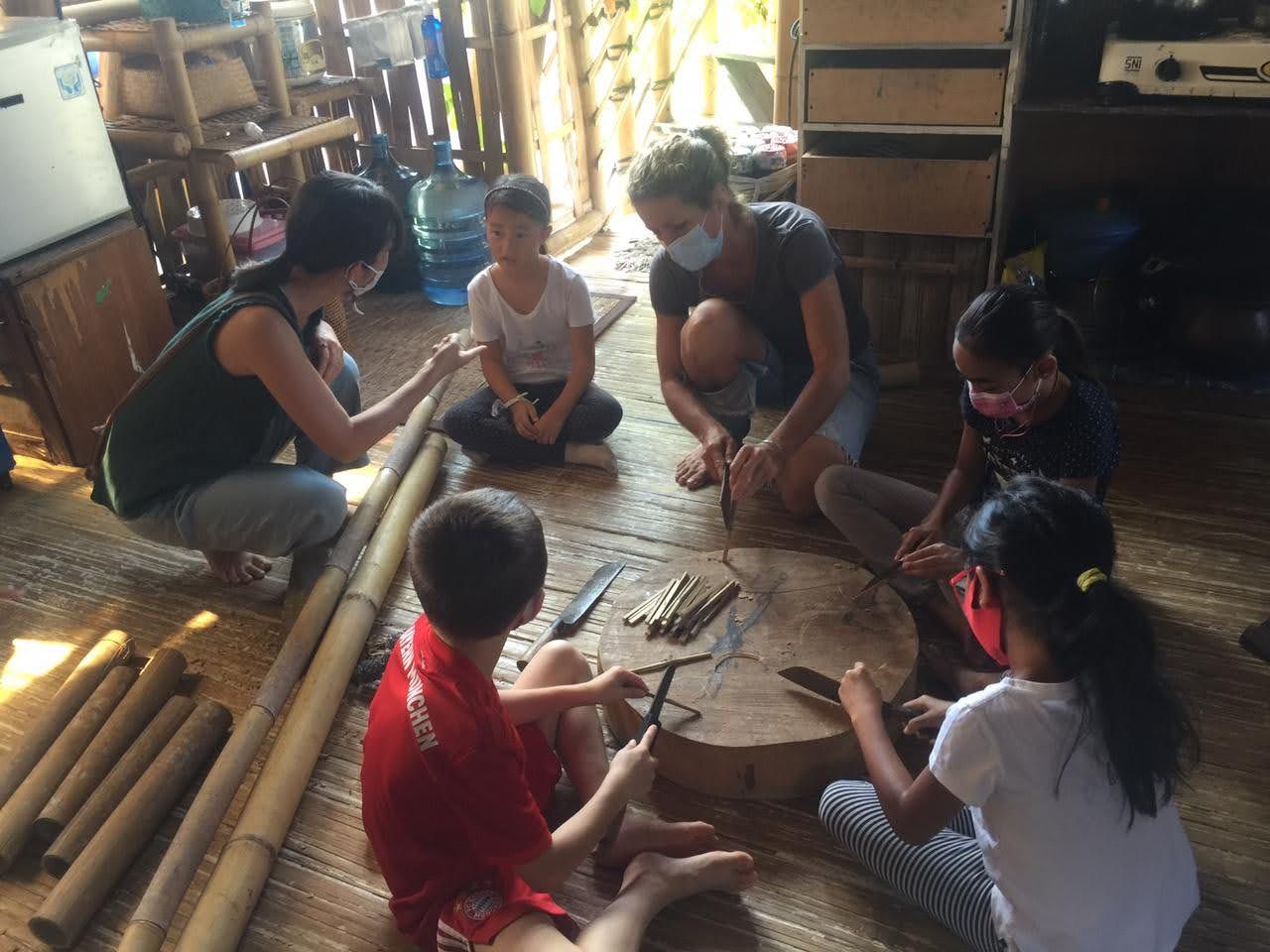
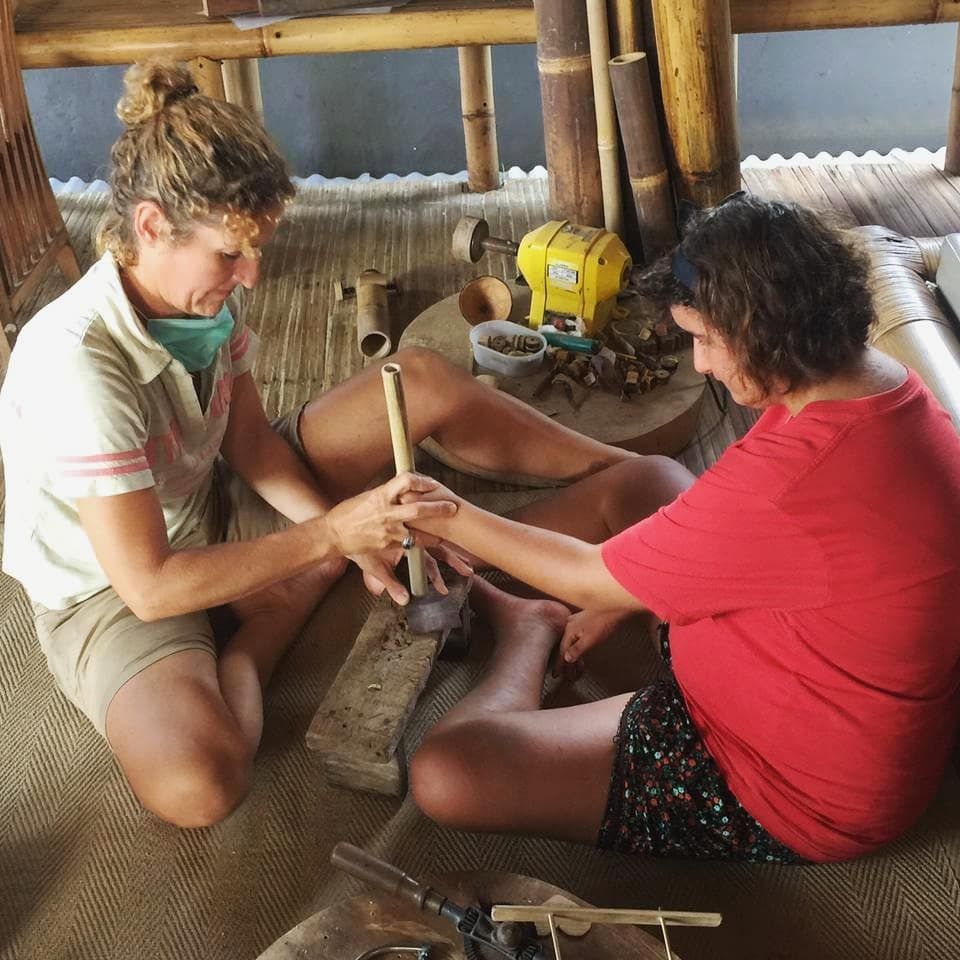
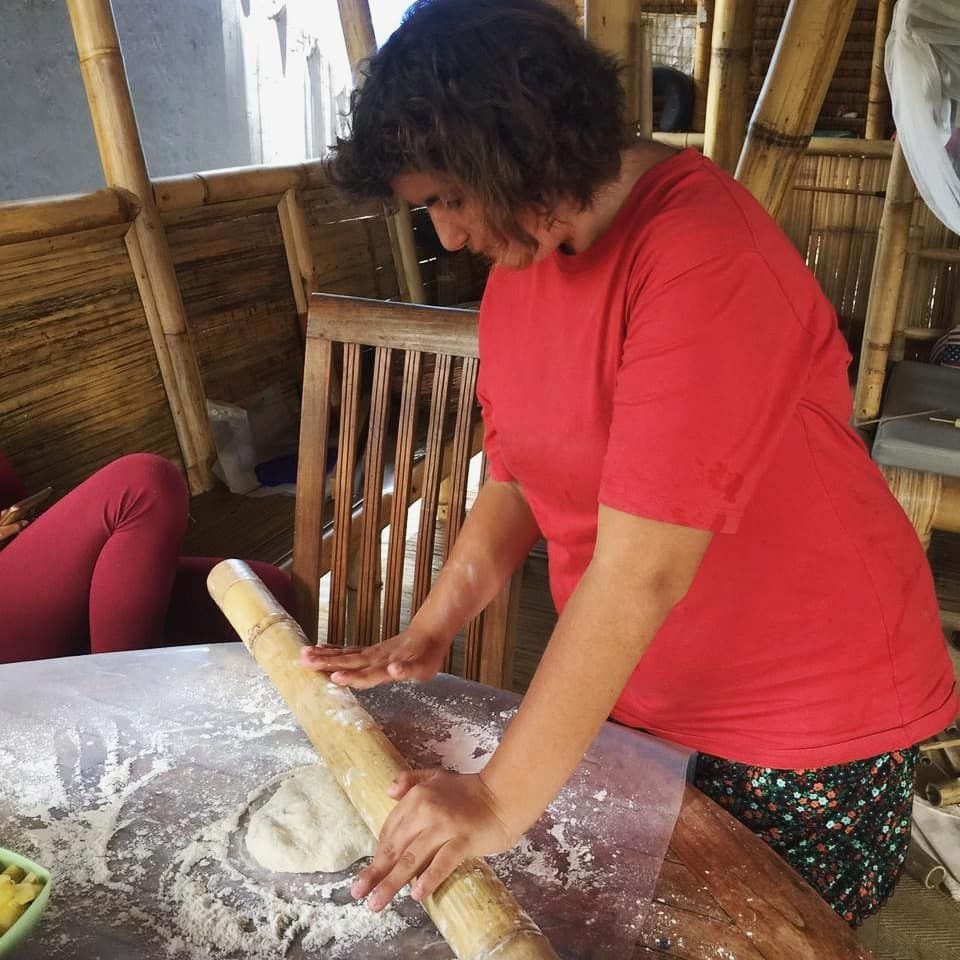
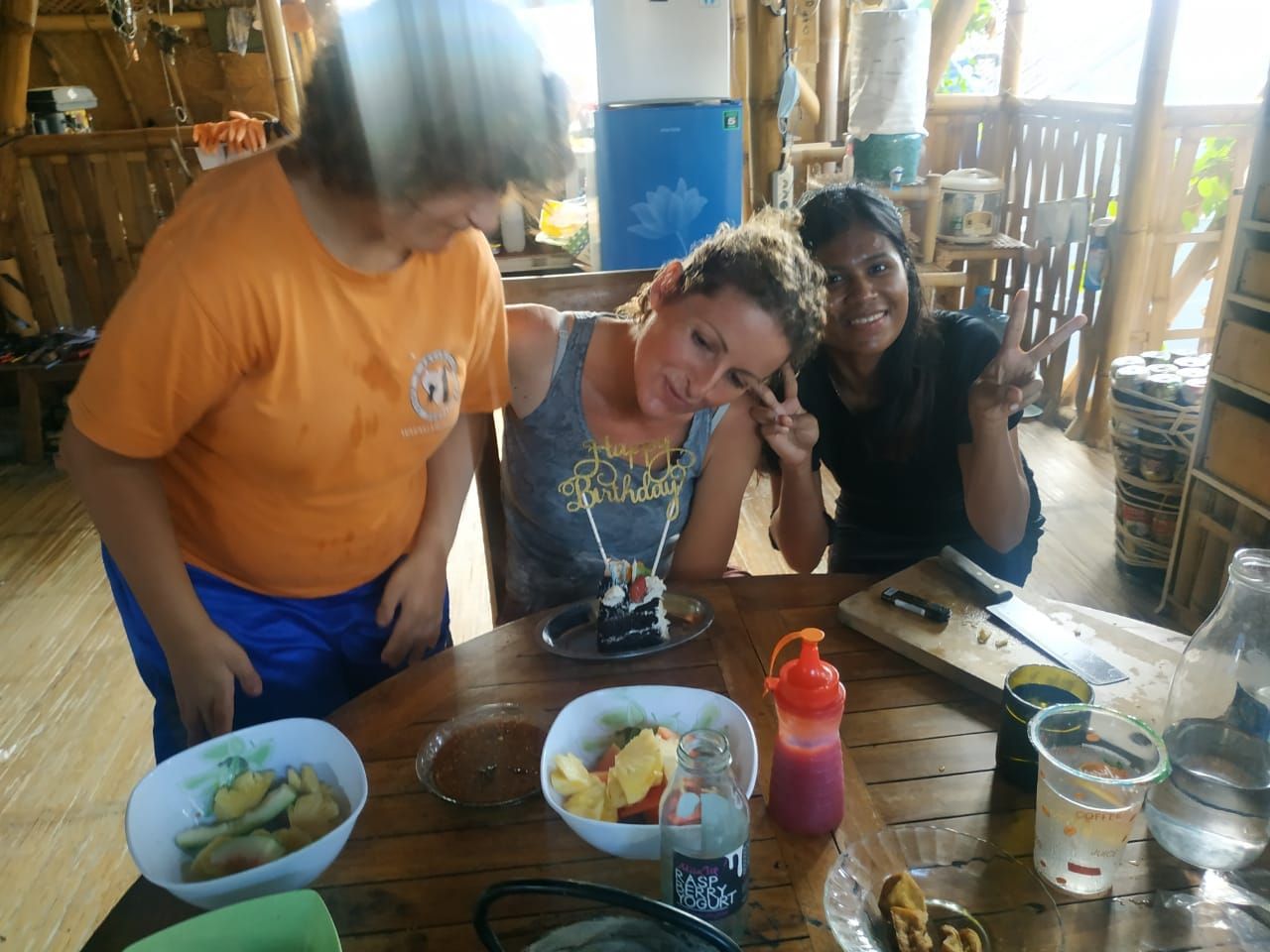
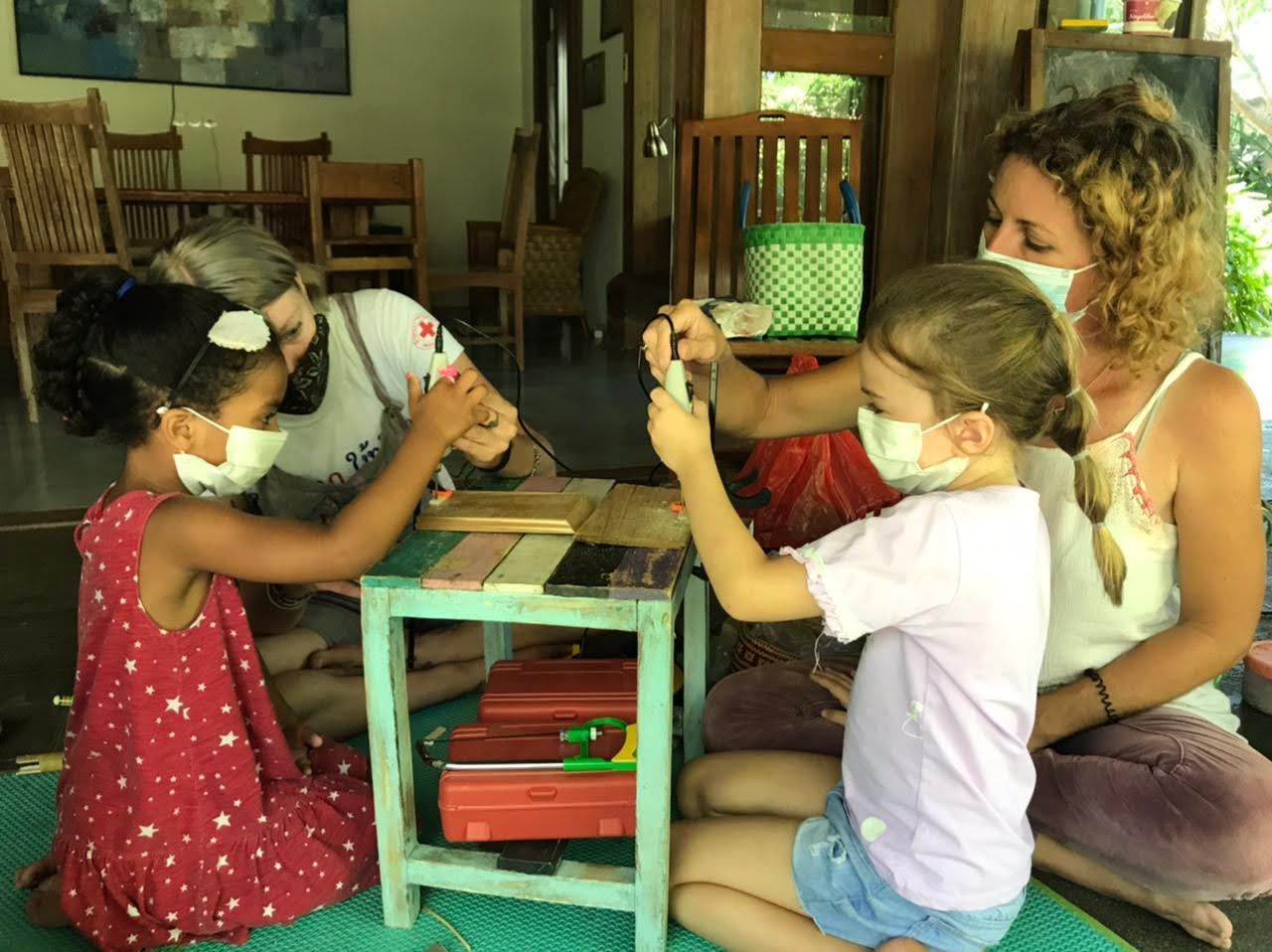
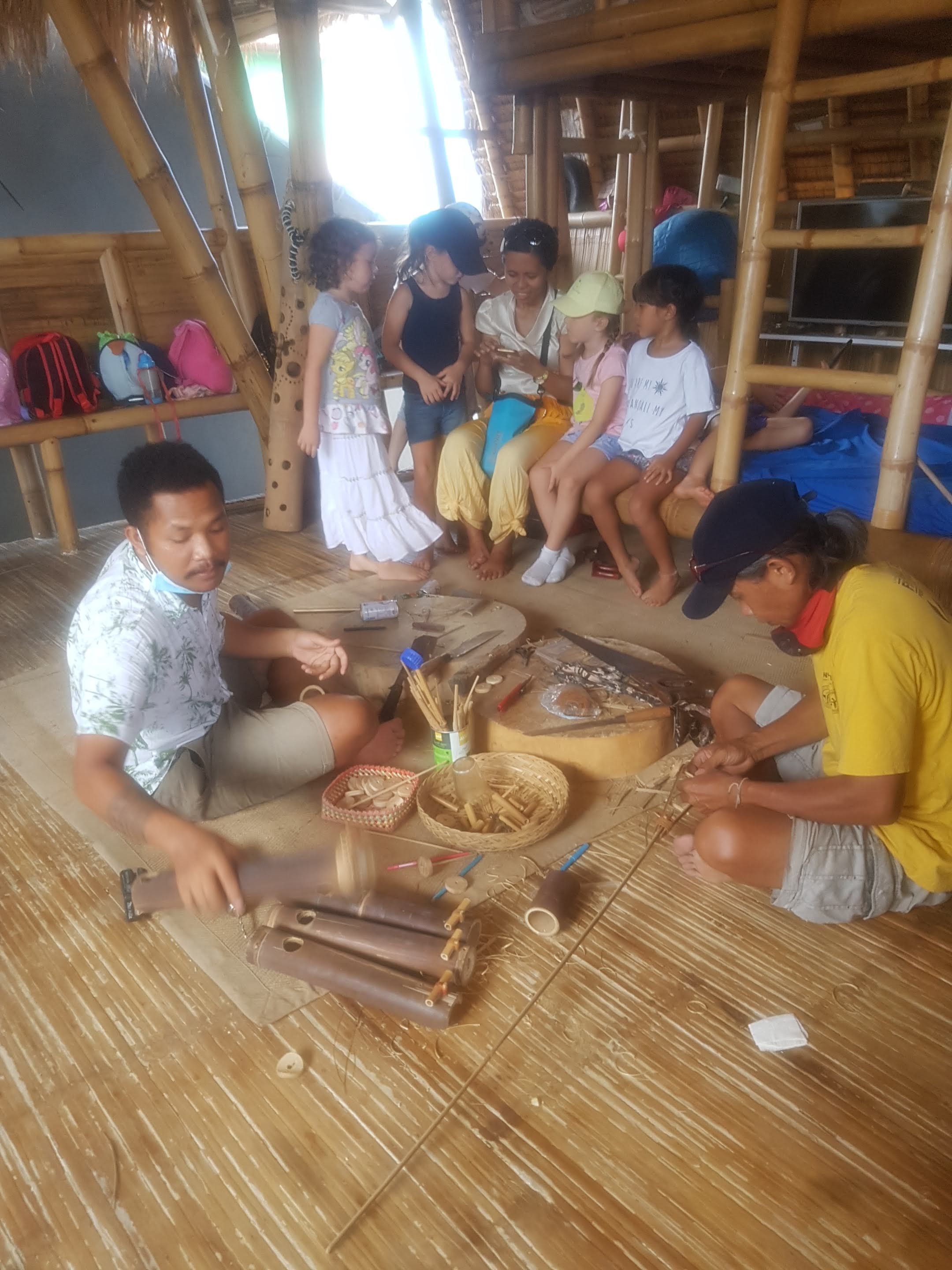
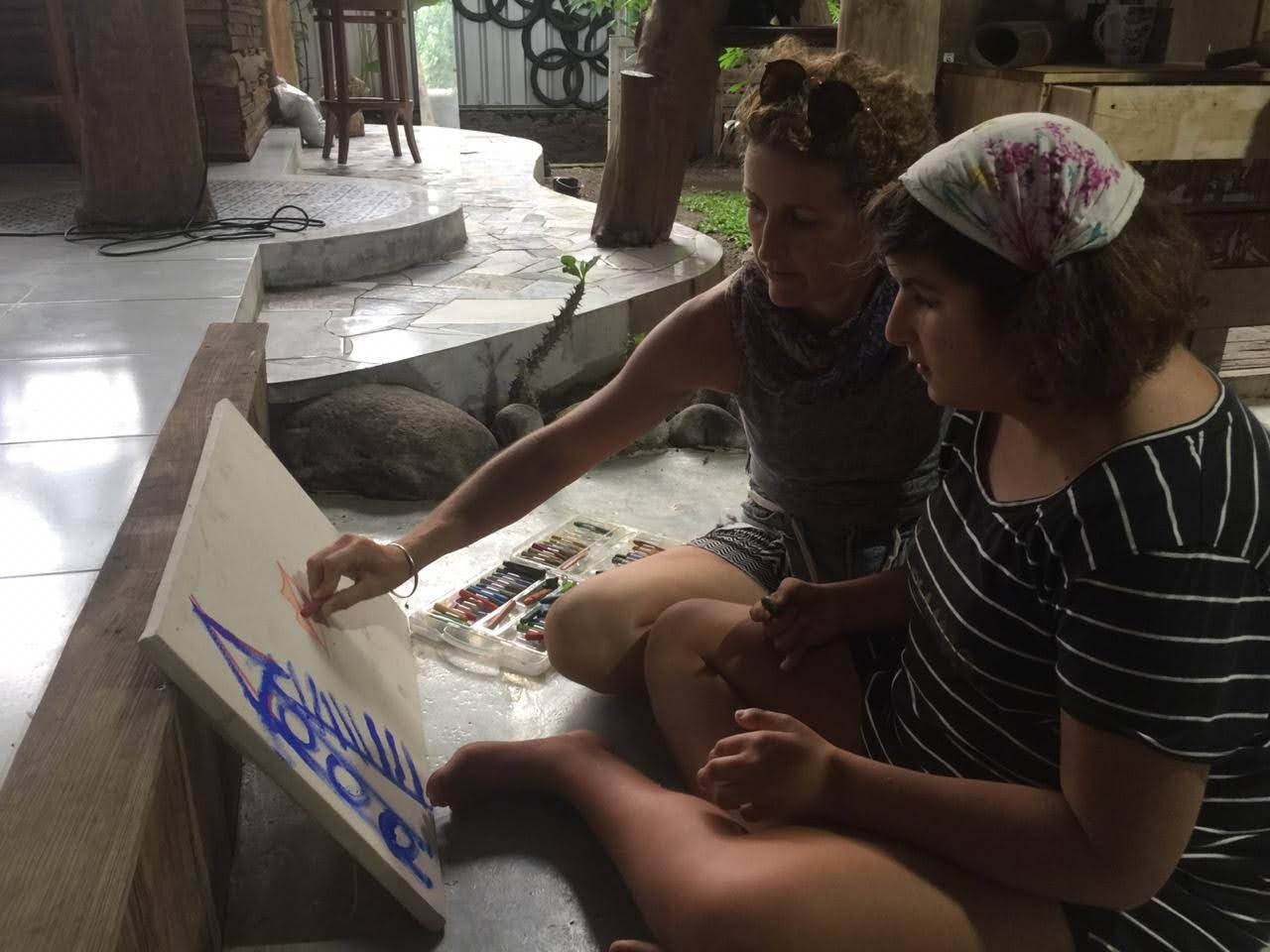
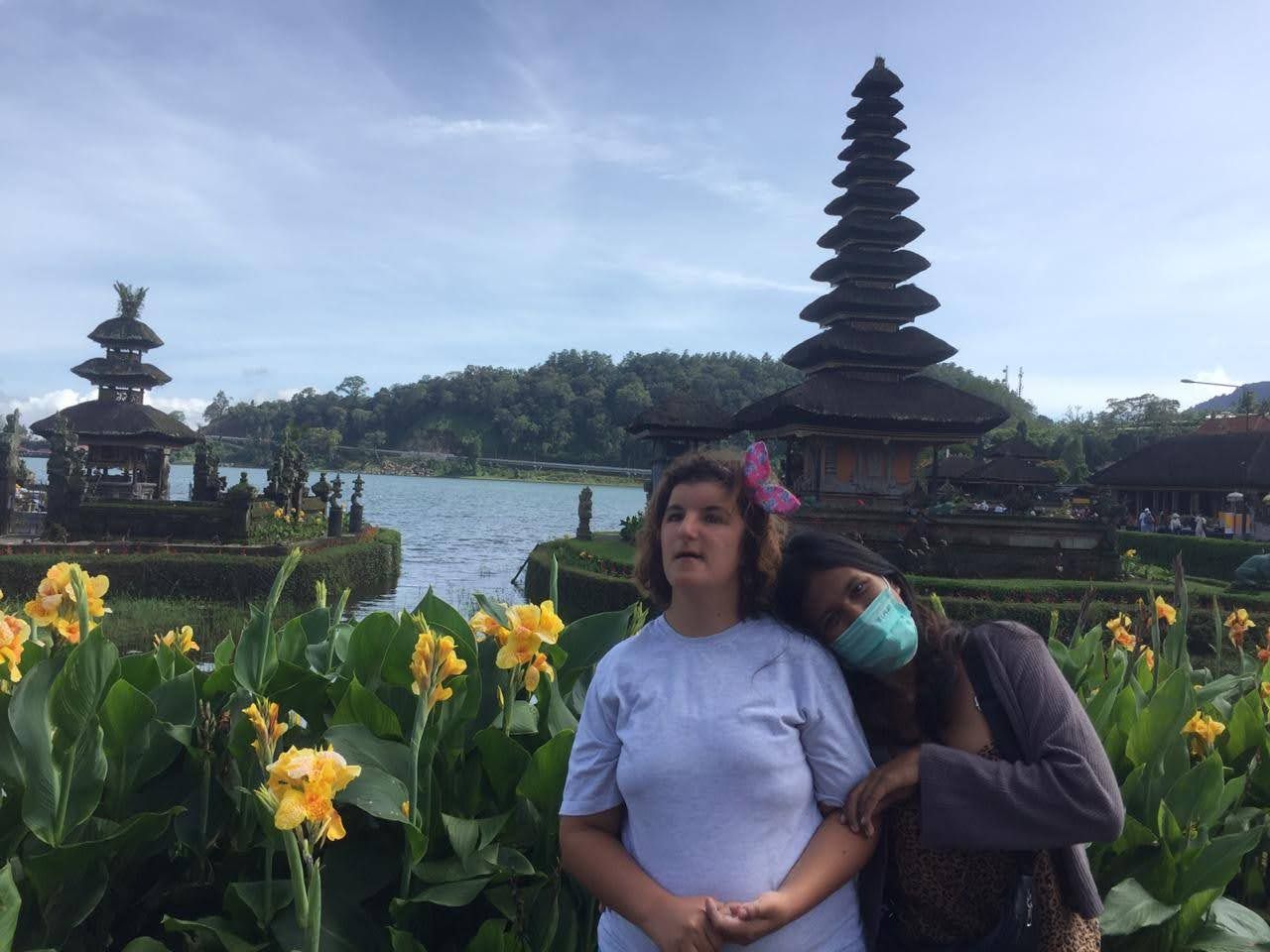
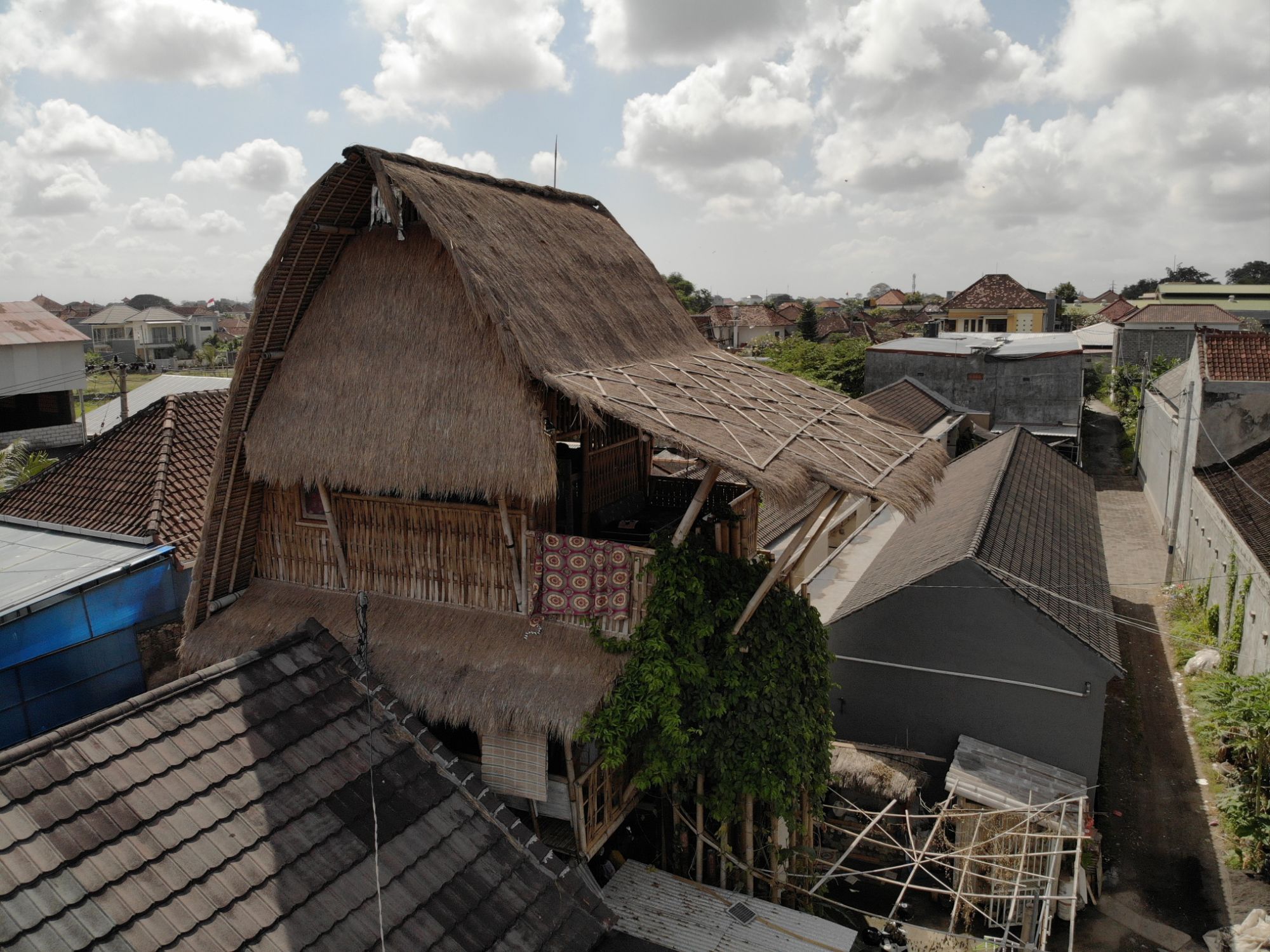
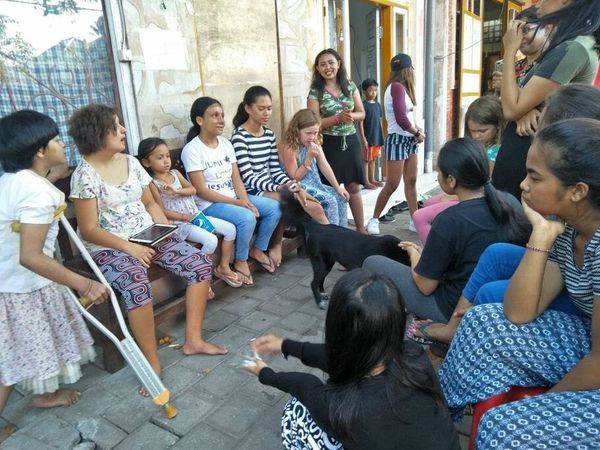
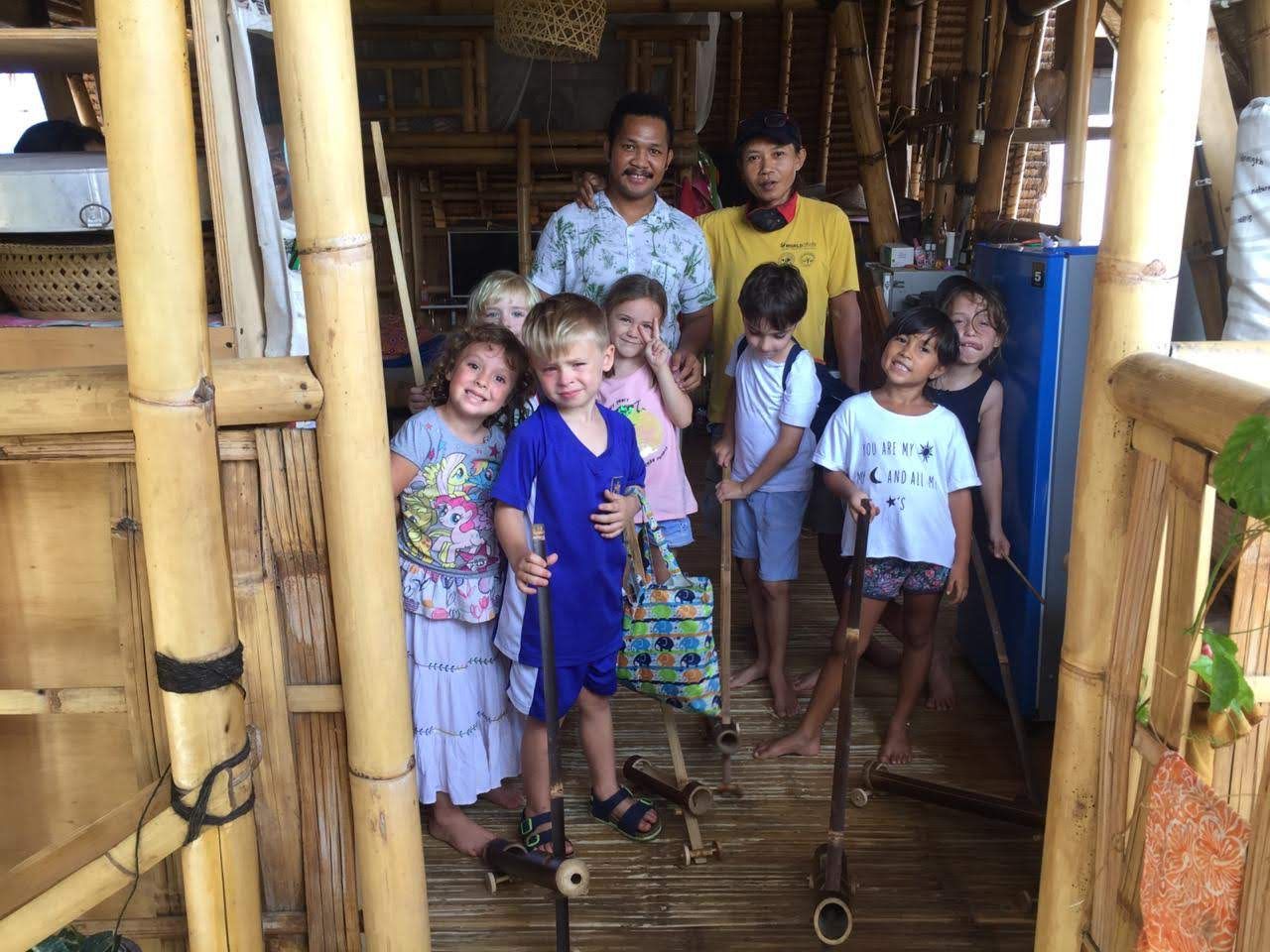
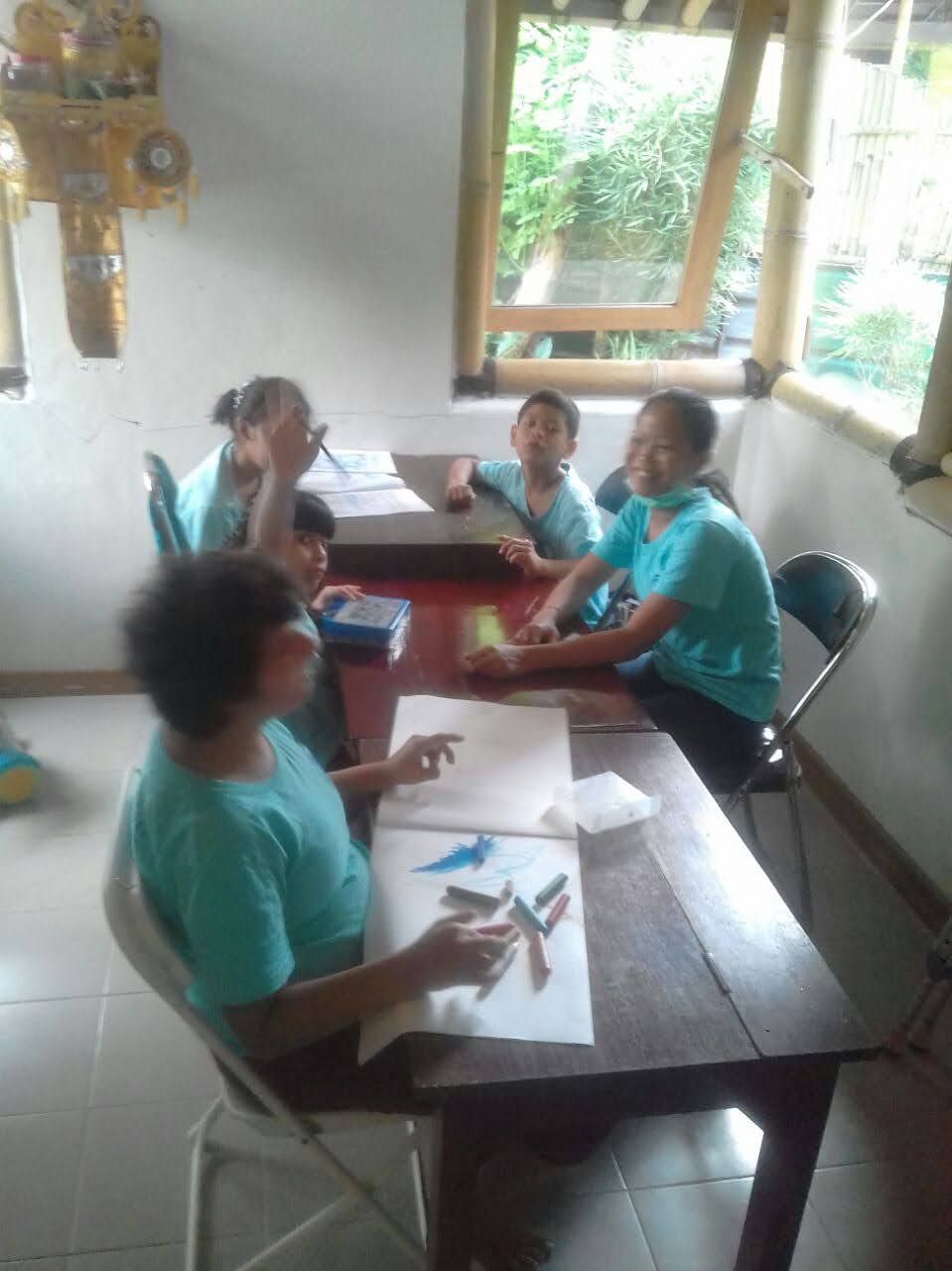
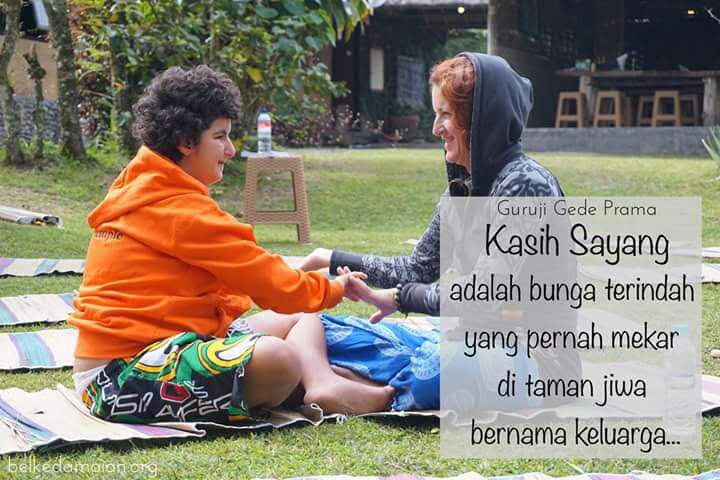
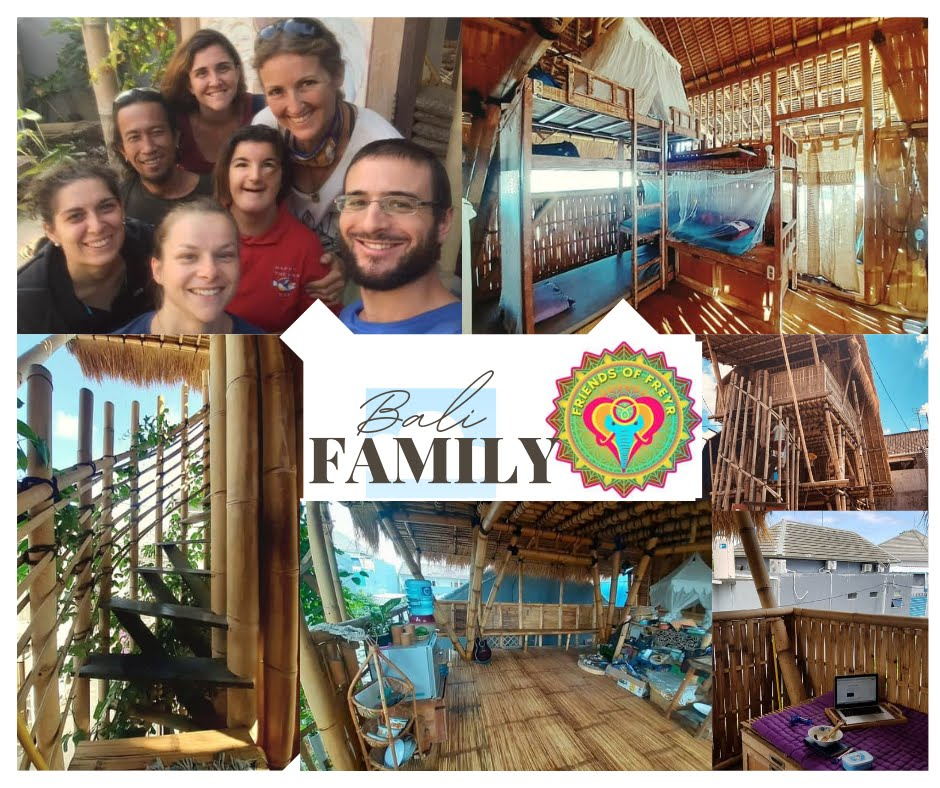
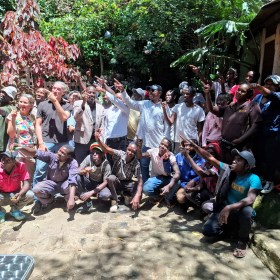
Our aim is to enable a network of Vital Light Villages to emerge where disability is welcomed, where circular local economy thrives, and where local people can benefit and value-add / enhance their local bamboo resources and skills which are “common” but typically not valued (and where it is seen as more “prestigious” to have a cement and tile house). We aim to develop our Outeach programs to share knowledge and skills in local communities while helping to root circular economies and incentive systems to prevent plastic from entering the environment – while nurturing ecotourism cultural exchange, regenerative farming systems and handicraft/product development and microeconomies of bamboo specialties which at the collective/cooperative level bring income, pride and empowerment to communities.
Next Article:
The Skills We Cannot Afford to Lose
Discover more from Bamboo Creative Bali
Subscribe to get the latest posts sent to your email.