
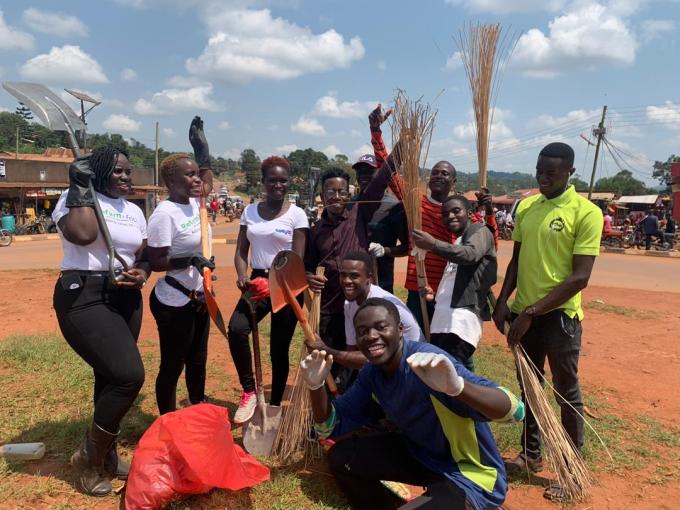
Bamboo Creative Outreach – Revivement Village Chapter: Uganda
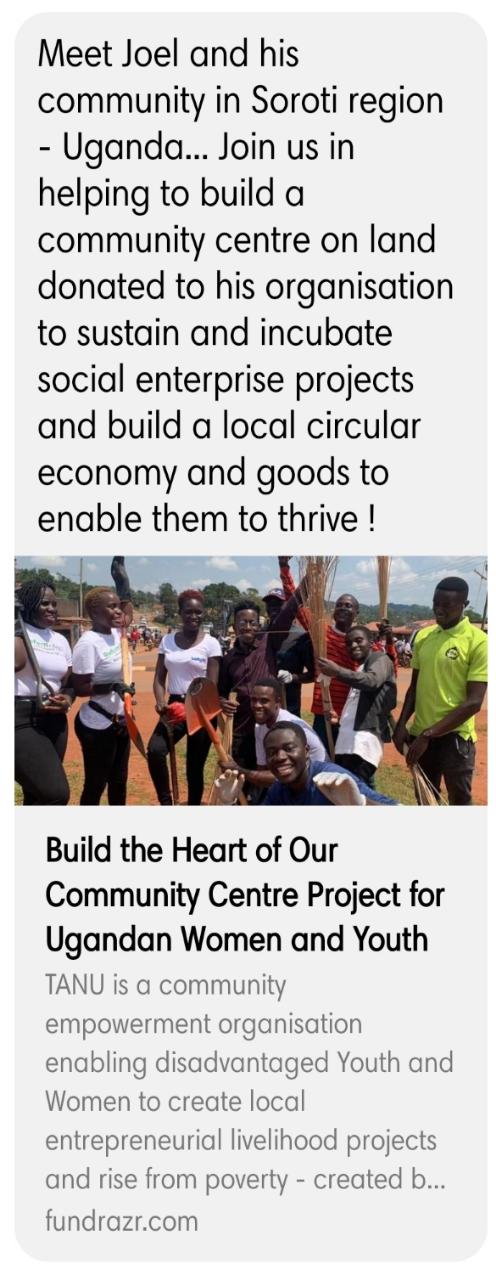
Joel Odongo, founder of TANU in Uganda, aims to build a sustainable Community Centre using bamboo and recycled plastic to support local youth and women in Soroti. Facing hardships, Joel seeks funding for infrastructure and training. The project includes syntropic farming and addressing water scarcity. Support development in Uganda at Fundrazr.com/campaigns/21vv11.
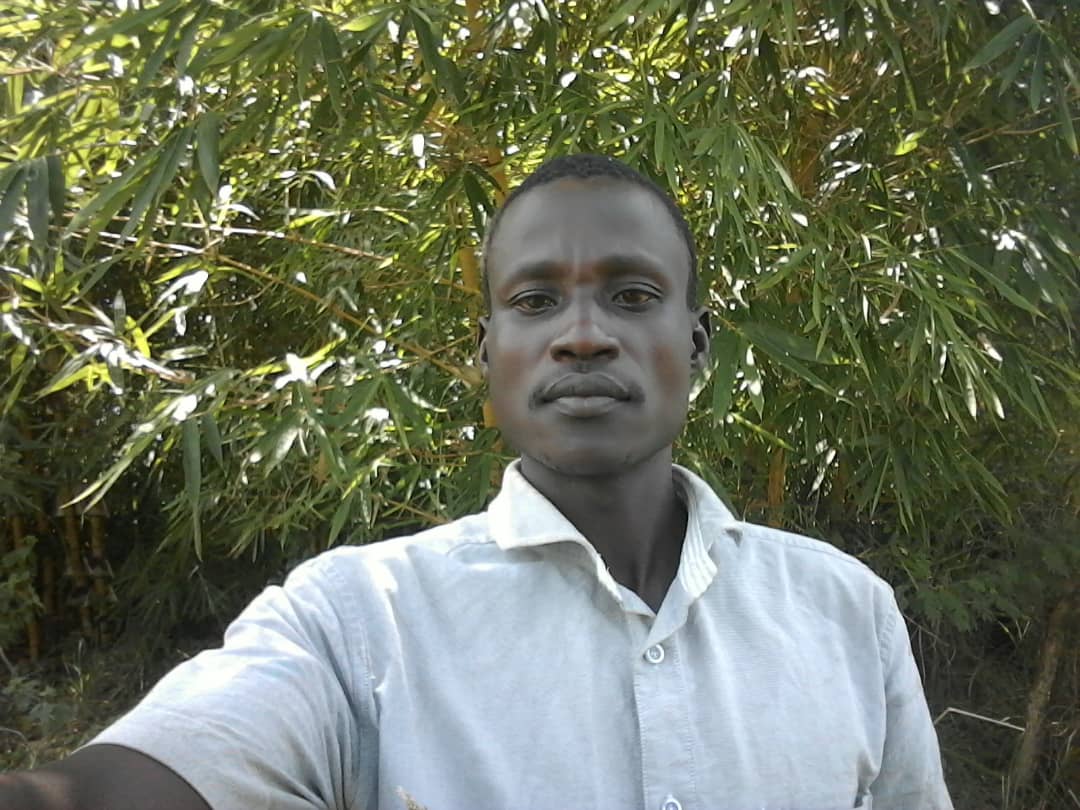
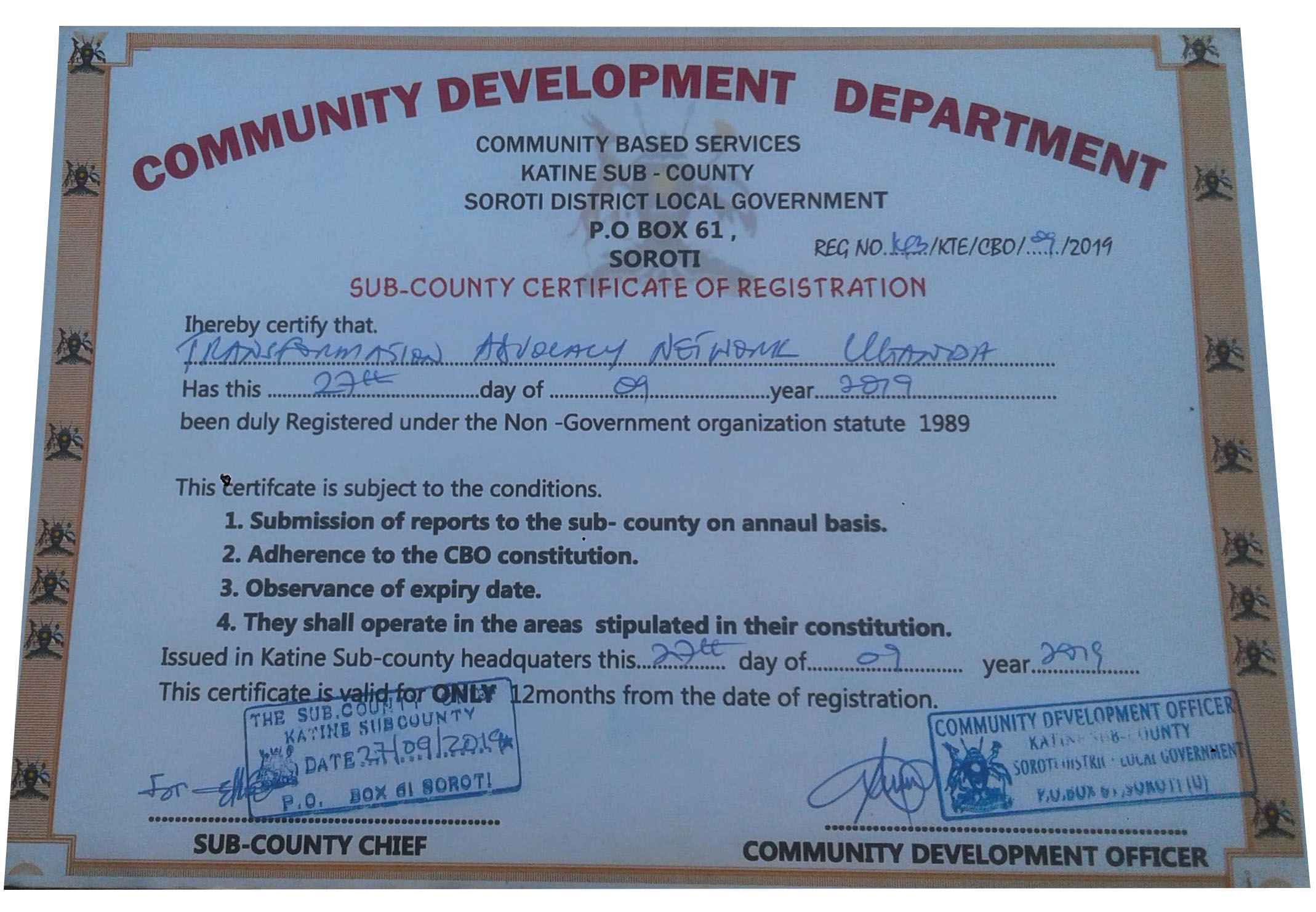
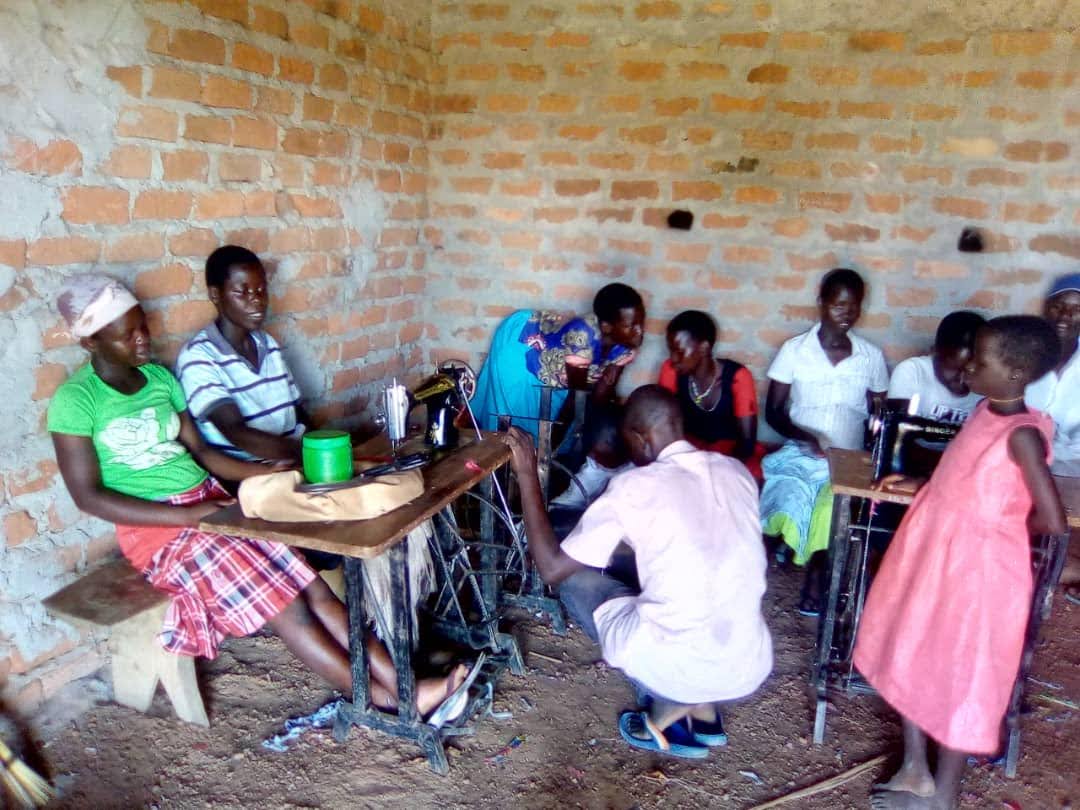
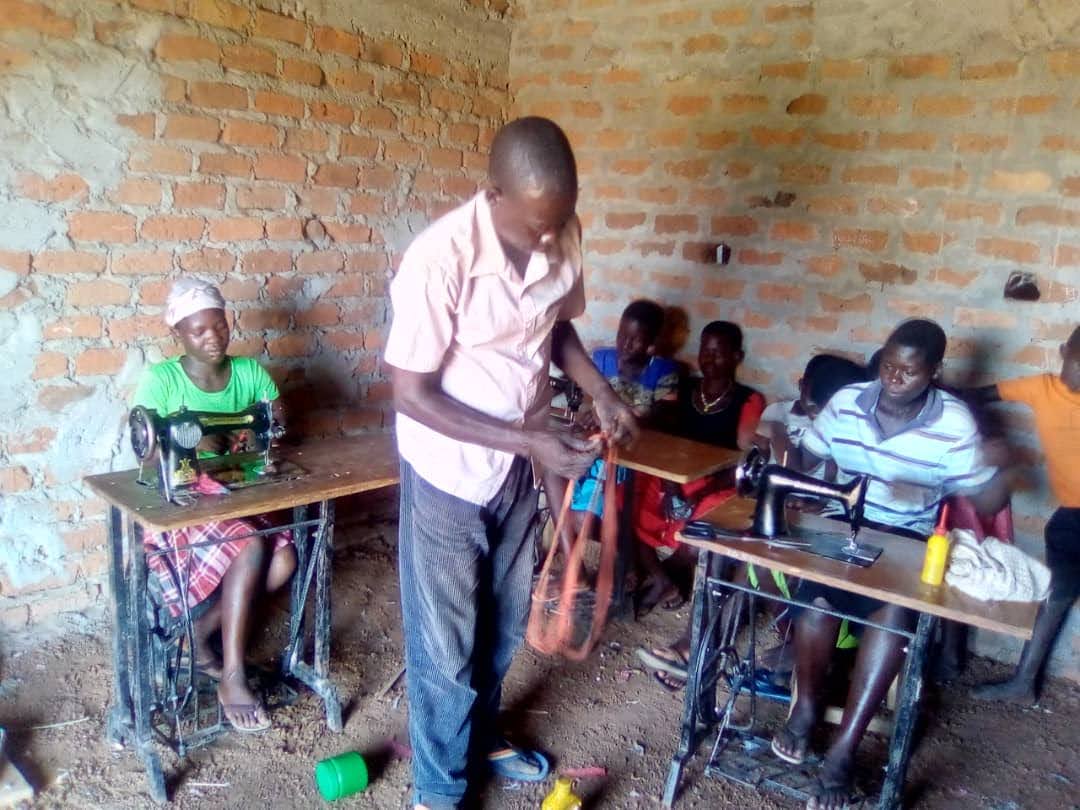
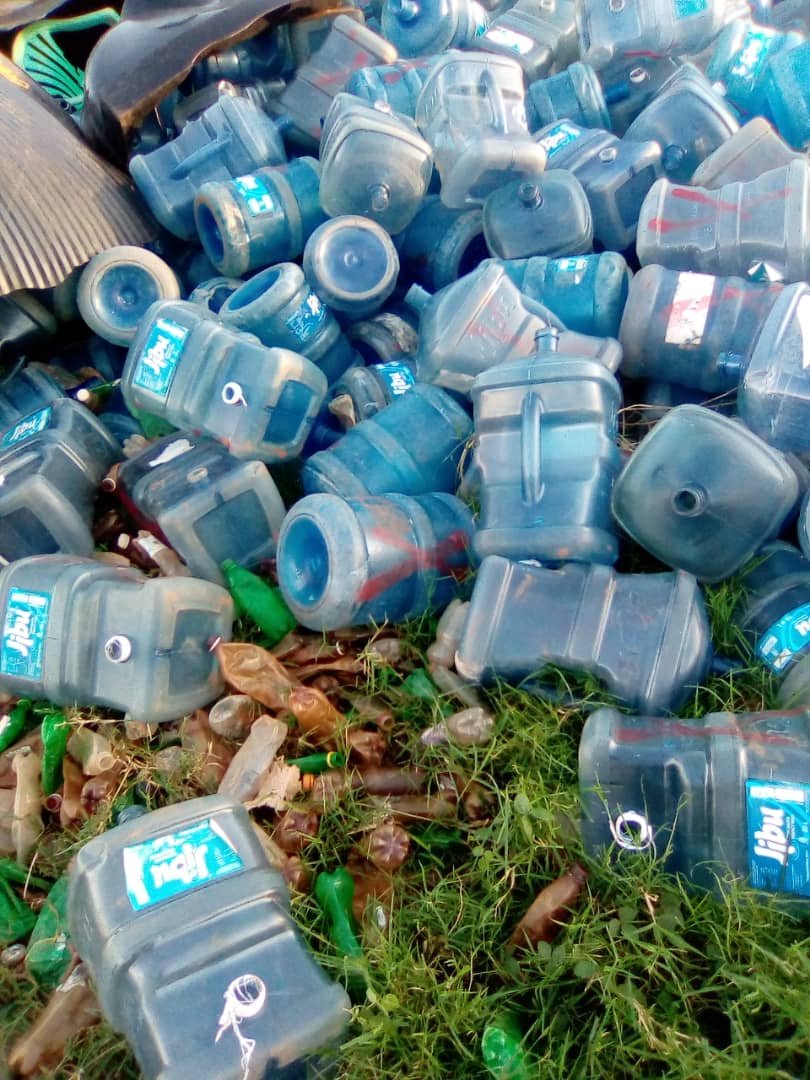
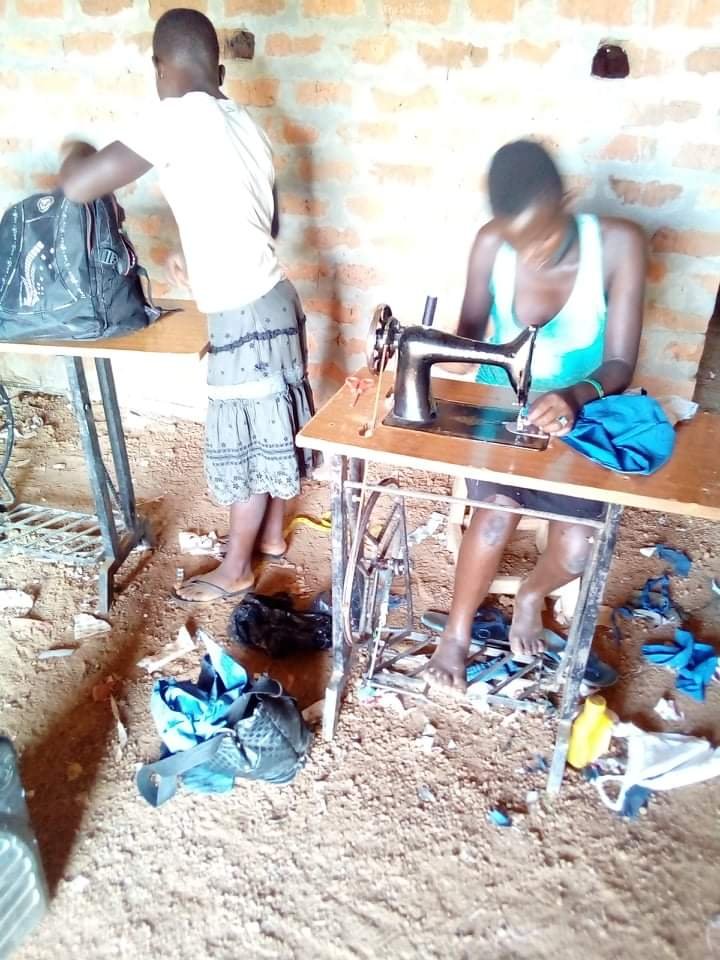
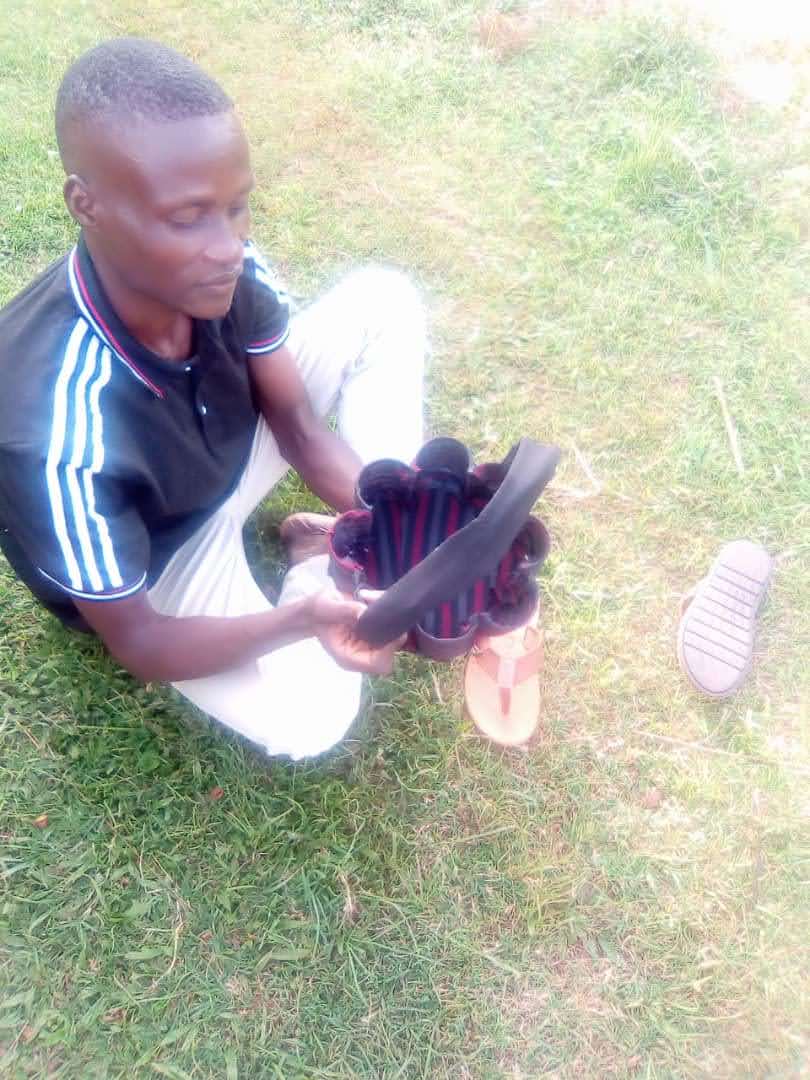
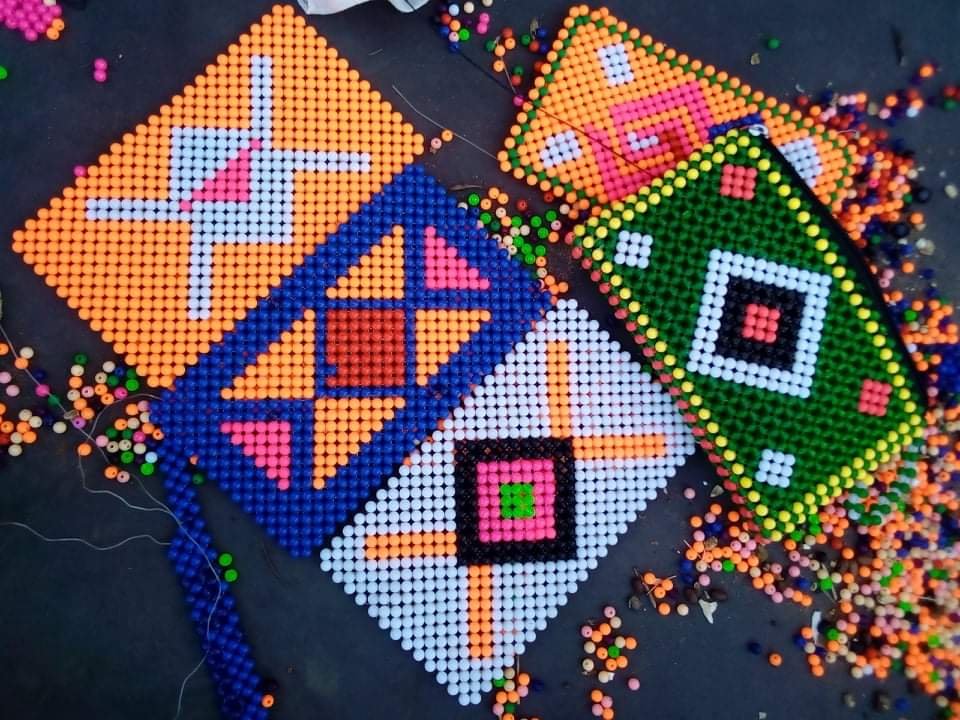
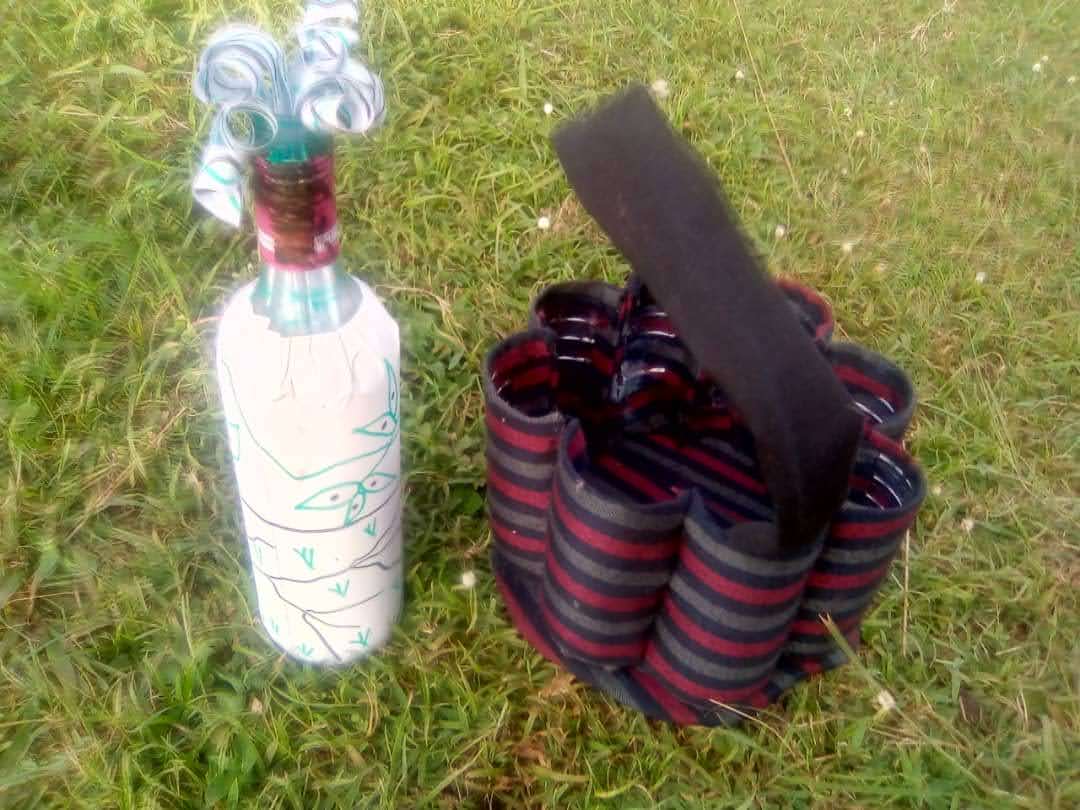
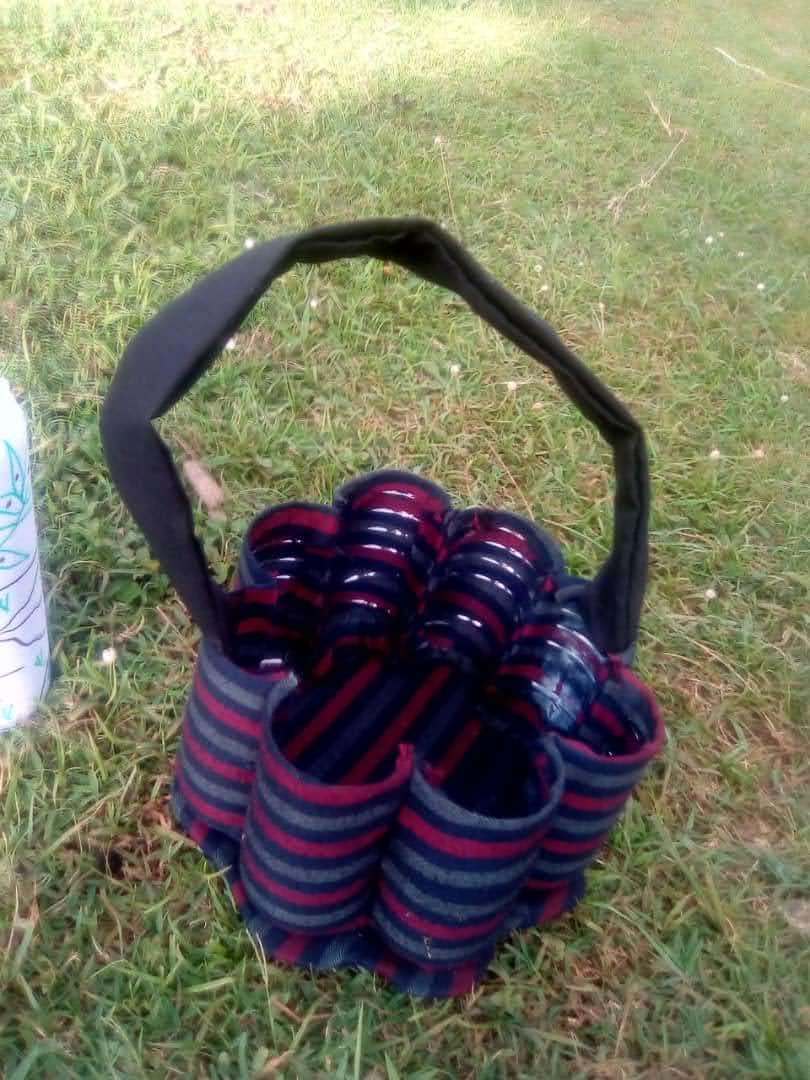
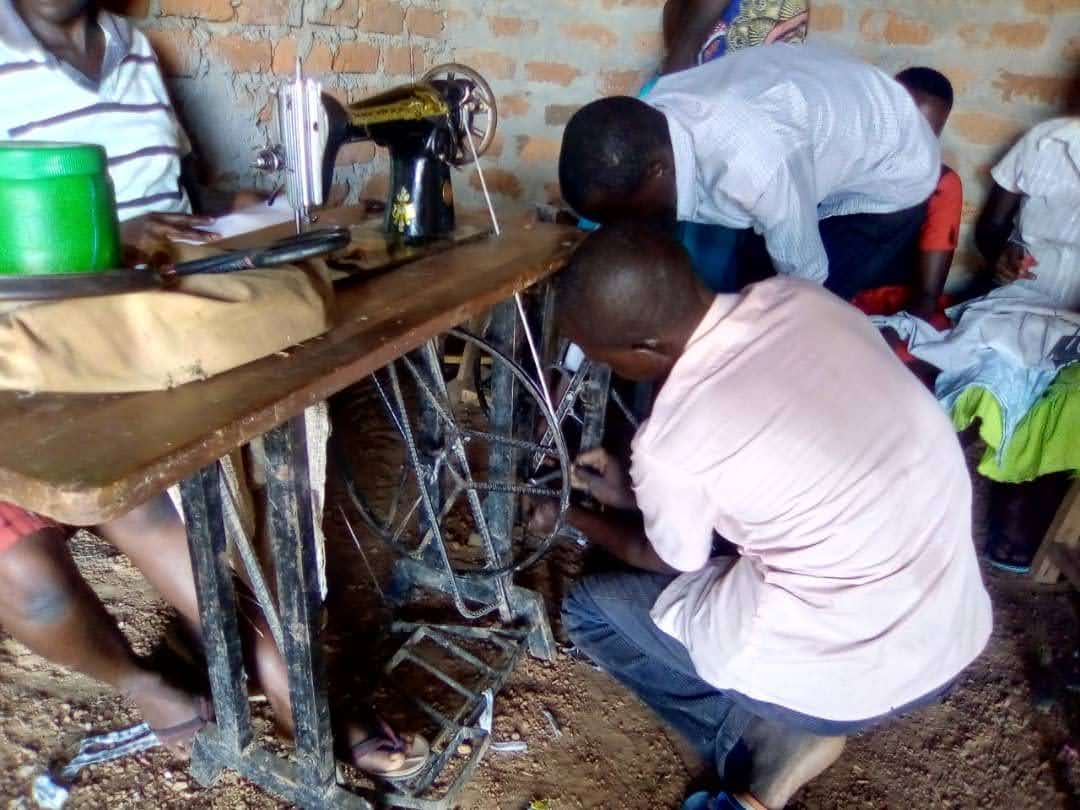
Joel Odongo reached out to me over a year ago for help in building a Community Centre with bamboo and recycled plastic in Soroti, Uganda. He has faced hardships in his life but has chosen to give back to his community. In 2015, he established the Community Organisation TANU (Transformation Advocacy Network Uganda) to support the youth and women in Soroti. He has obtained land for the project and has been working on small farming activities, but additional funding is needed for infrastructure and training to make the project sustainable.
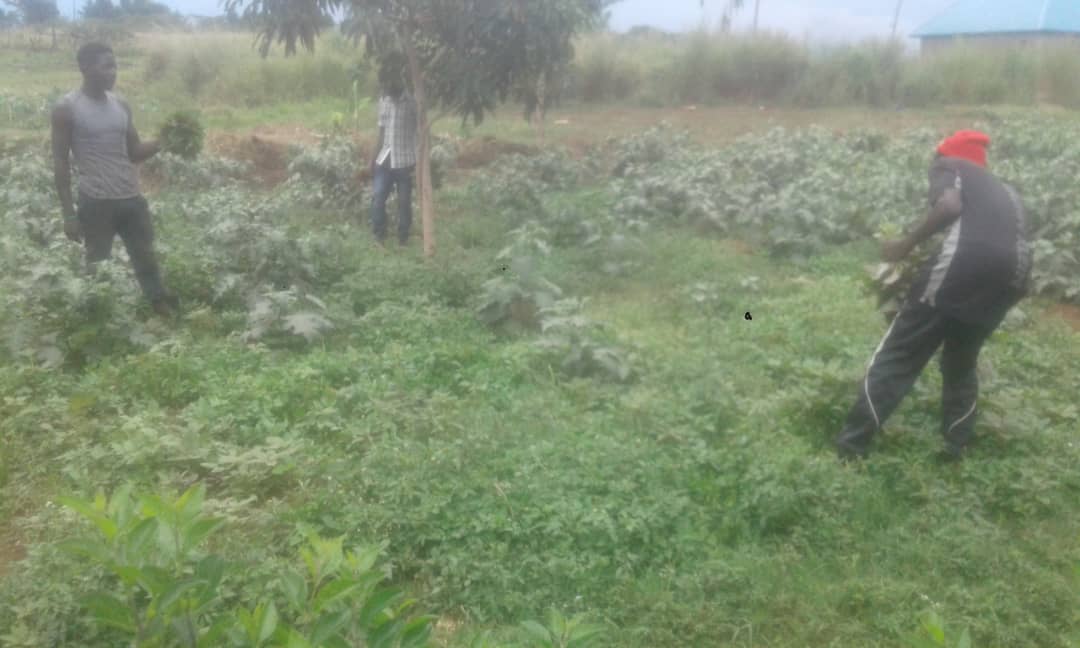
The 2.5 acres of land will support 20-30 families. Joel wants to help TANU build a Community Centre on the donated land. They also plan to grow bamboo for construction and fuel, trees for reforestation, vegetable crops, and establish fish ponds. Jackson Buzingo, a Syntropic Agroforestry Trainer from Tanzania, will assist in training local youth and women in syntropic farming.
During our conversations, I learned a lot about local life in his hometown. It made me think about my own experiences living in the Philippines. I asked them about what they use for cooking in Uganda – gas, charcoal, or firewood. I also asked where cooking is done. I helped to initiate activities for making smokeless stoves and charcoal briquettes from organic waste to support sustainable practices. Joel and his group started these activities right away.
Joel has recently overcome Malaria and Typhoid and he looks very different now in this video – his passion and dedication is amazing.
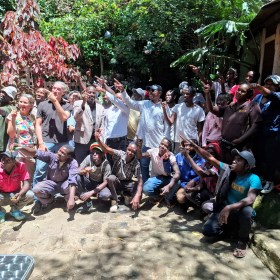
Joel and his community group (TANU) want to create a program to learn about bamboo building. They plan to grow bamboo on the community land and then use animal manure and organic waste to make compost. This compost will help nourish a nursery where bamboo and other plants will be grown. They have the support of a Kenyan Community Group who are already growing bamboo and helping farmers grow bamboo on their lands. They are also discussing joining TANU to learn Syntropic Farming techniques with Jackson Buzingo. The Kenyan group says these techniques are urgently needed in their area due to increased flooding and the resulting damage to farms.
Areas of the project have been planned out in stages – with water supply being in the first stage to access water from a nearby well (already present) through a solar pump that will provide water supply for the nursery and plants as they are planted. The well will also supply water more easily to the surrounding community than the existing manual well.
http://www.fundrazr.com/campaigns/21vv11
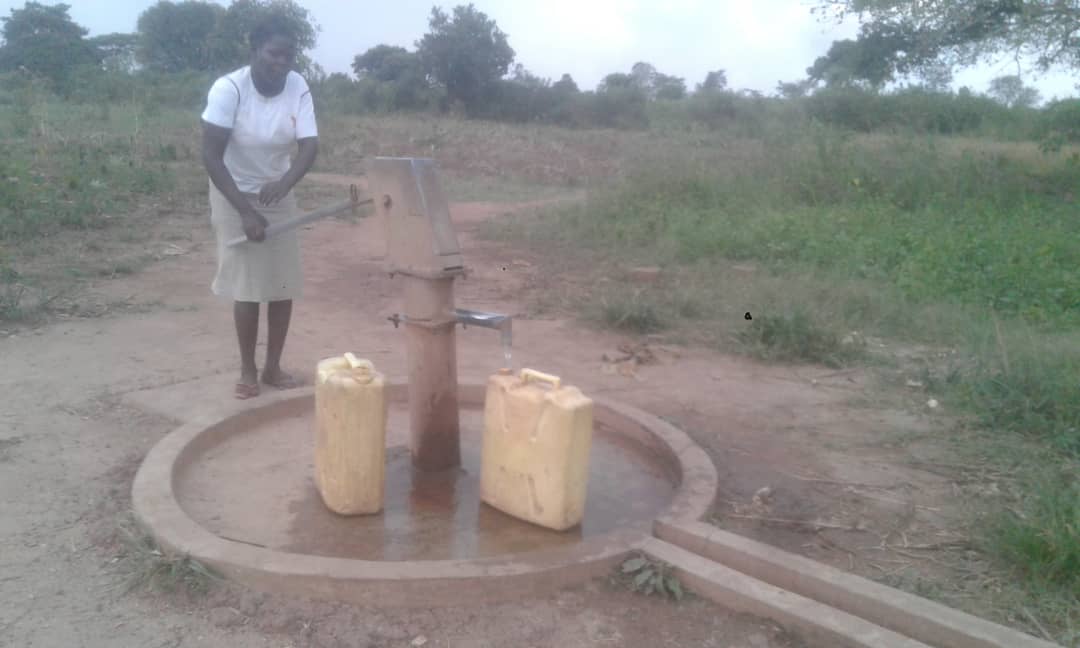
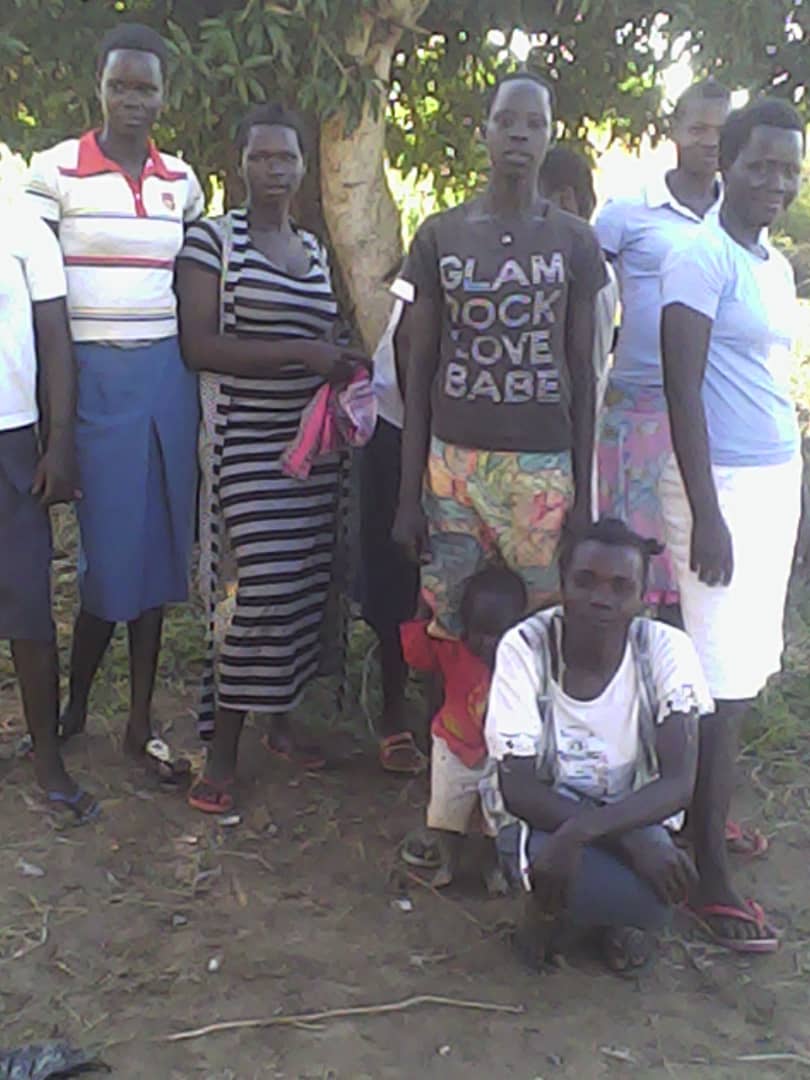
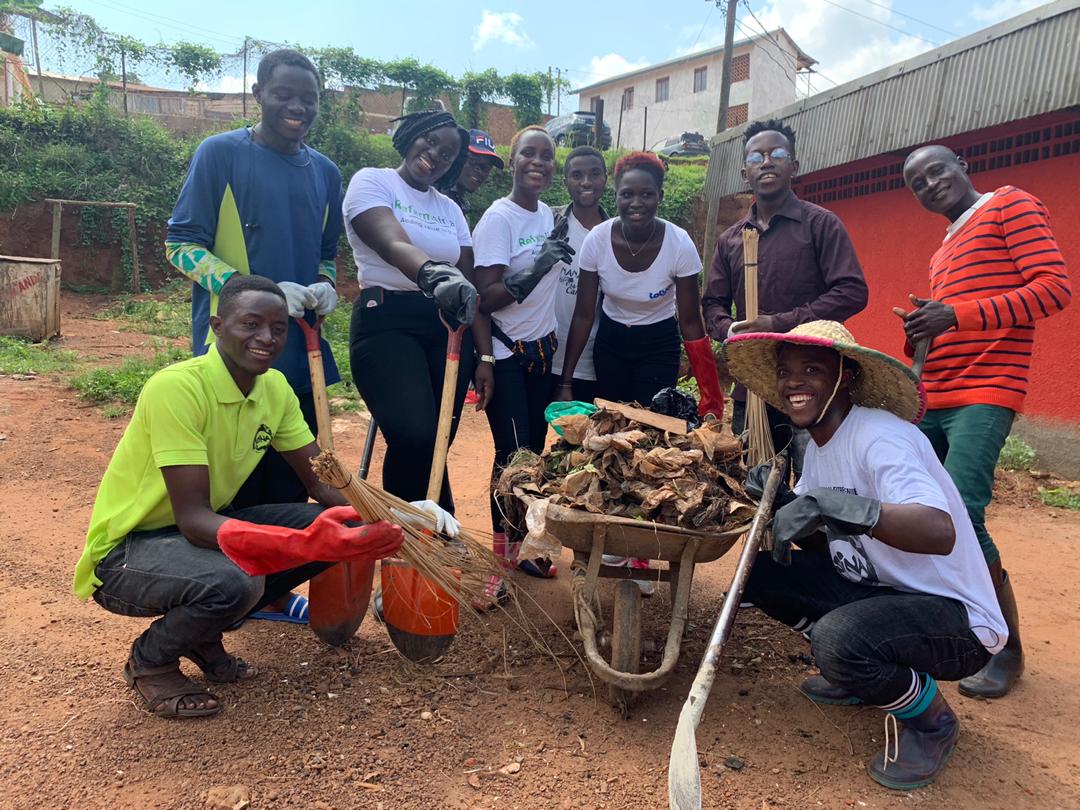
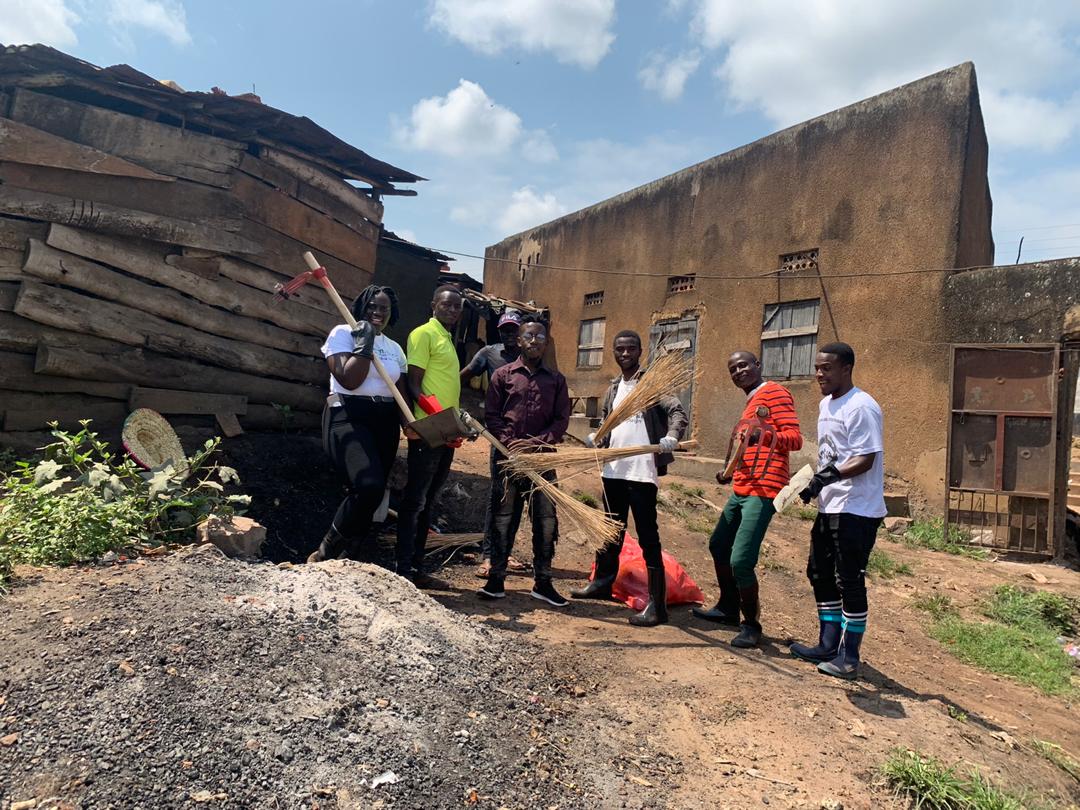
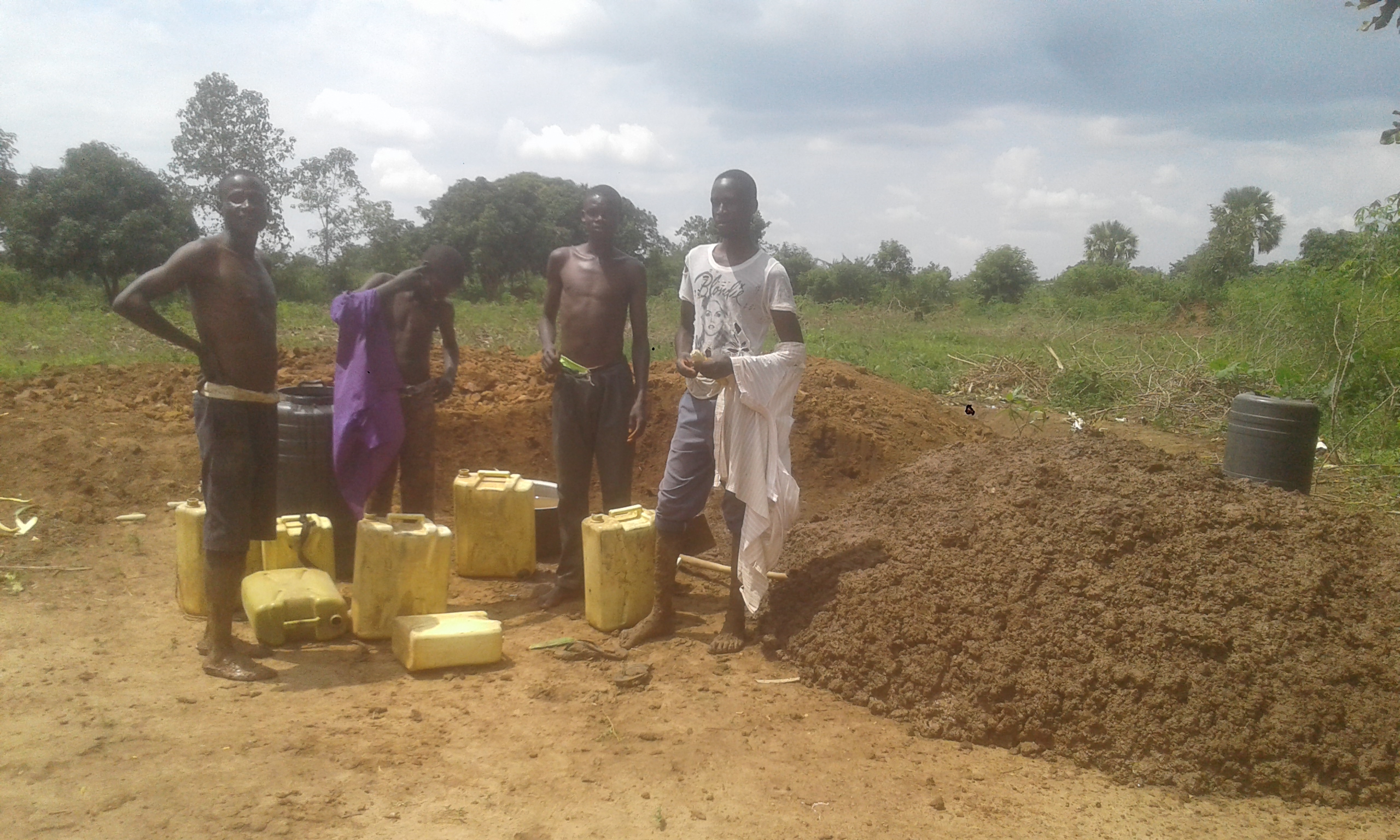
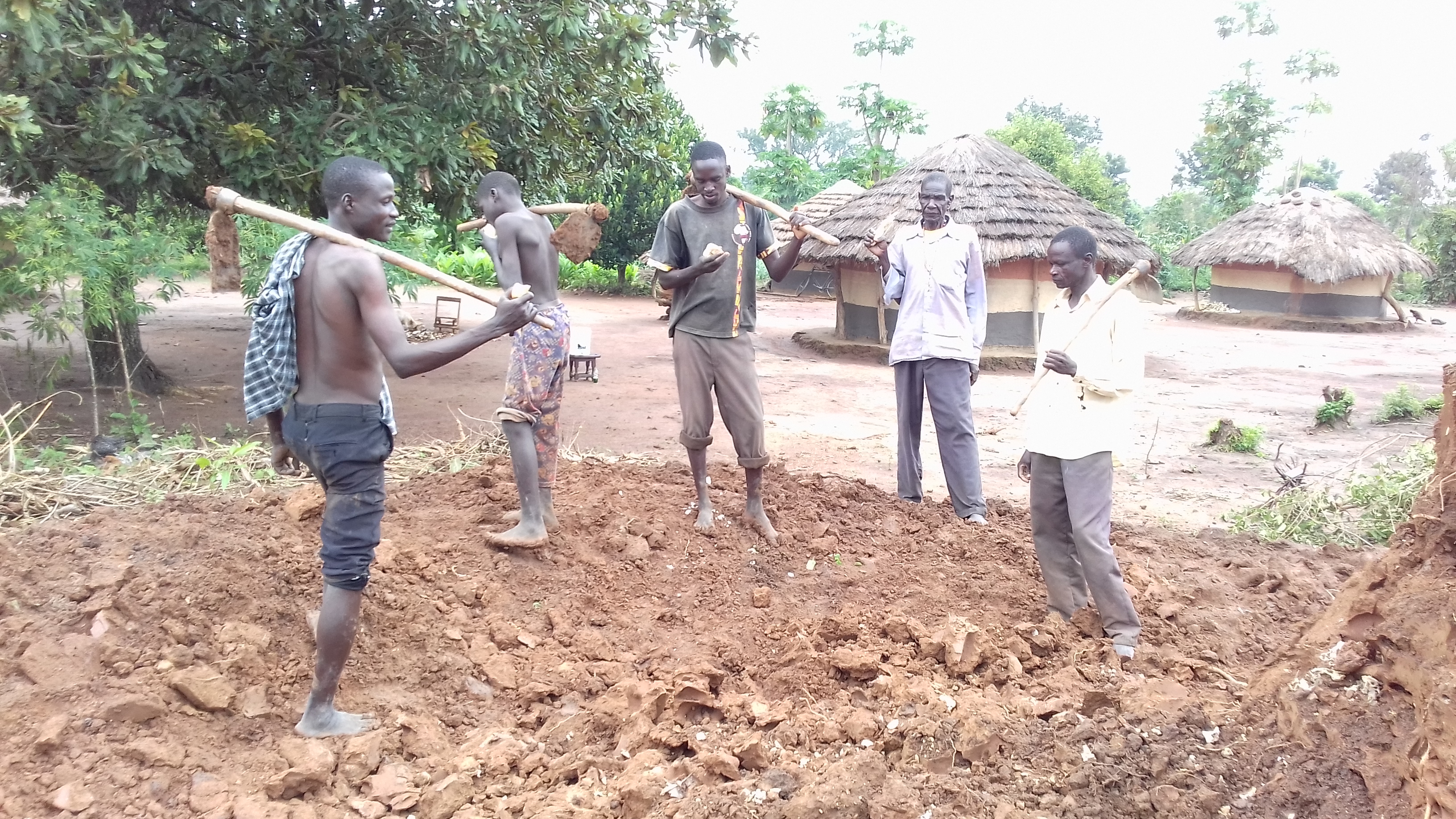
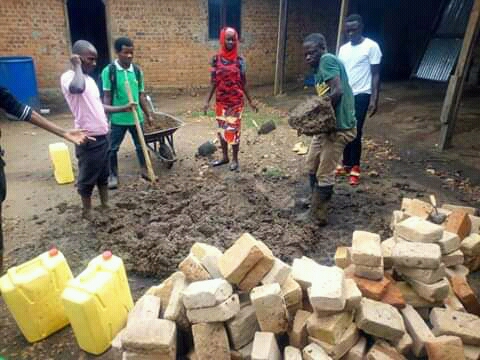
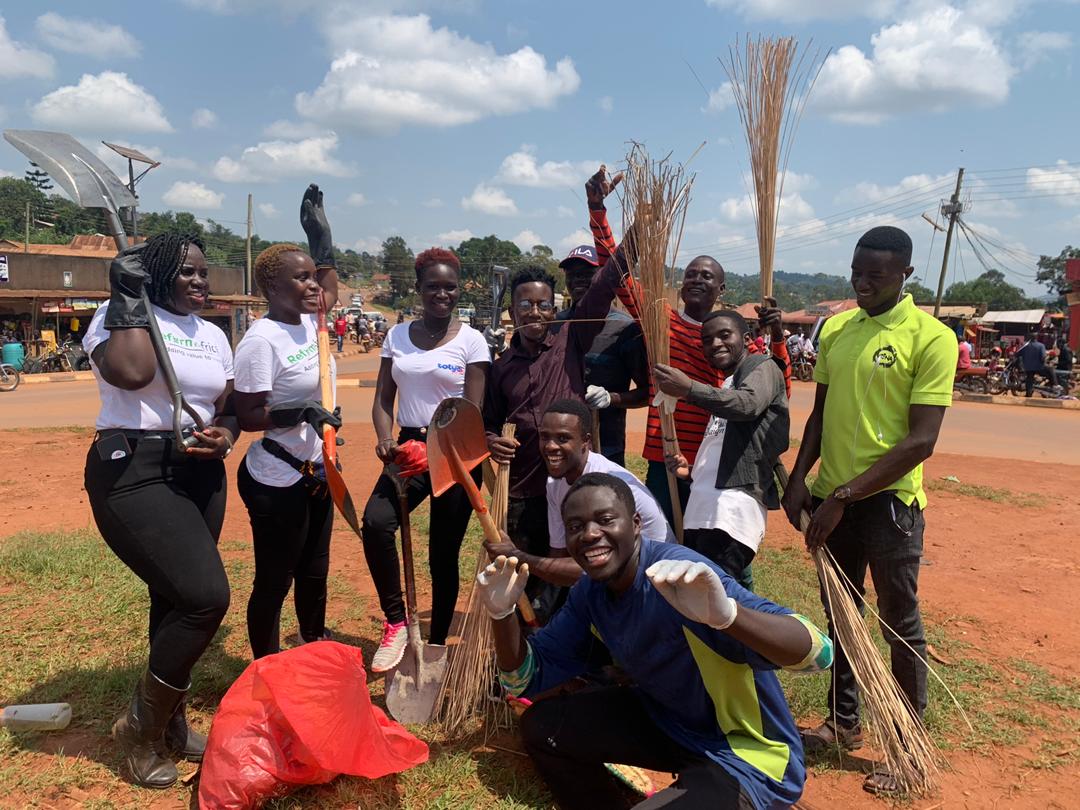
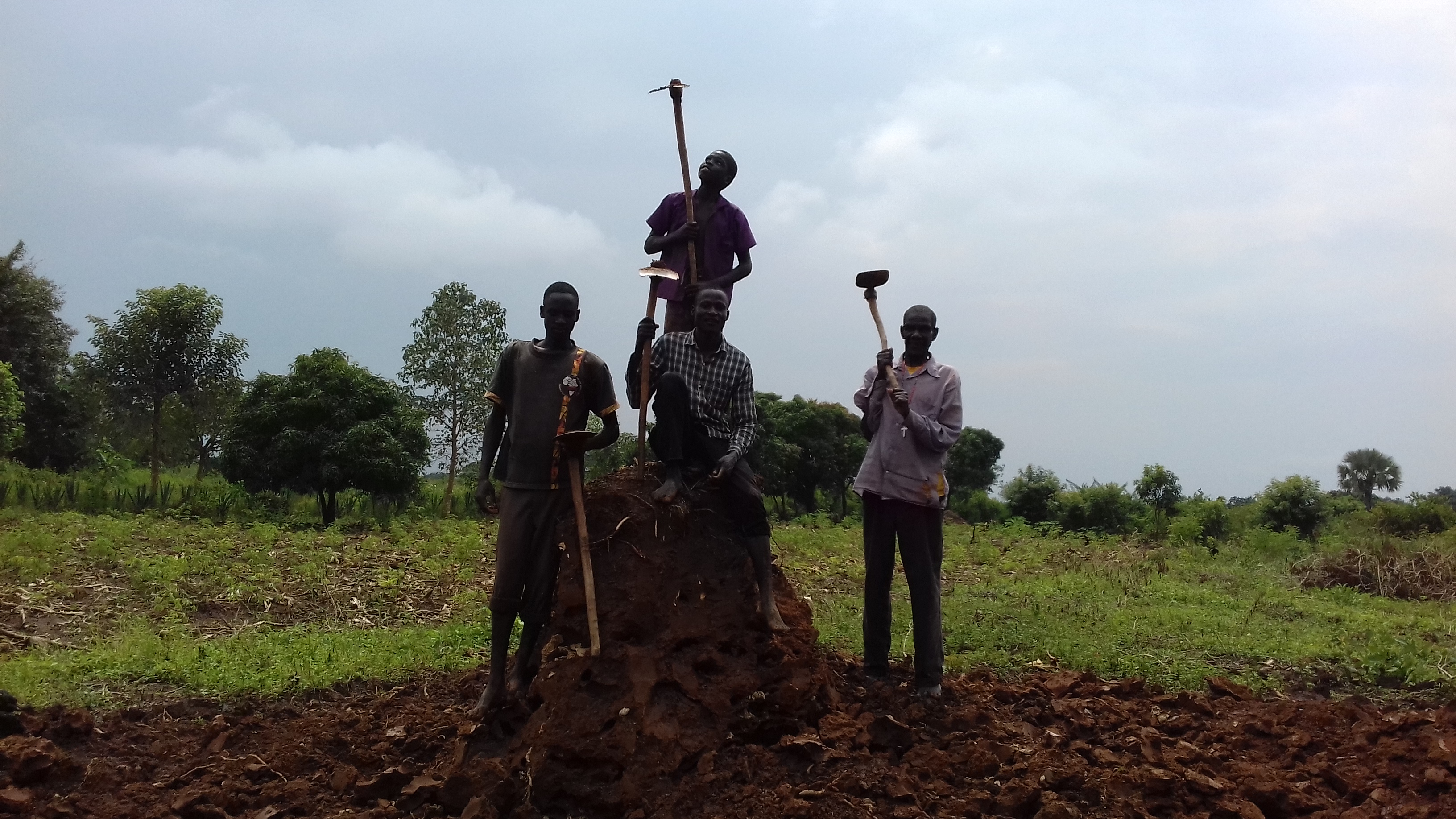
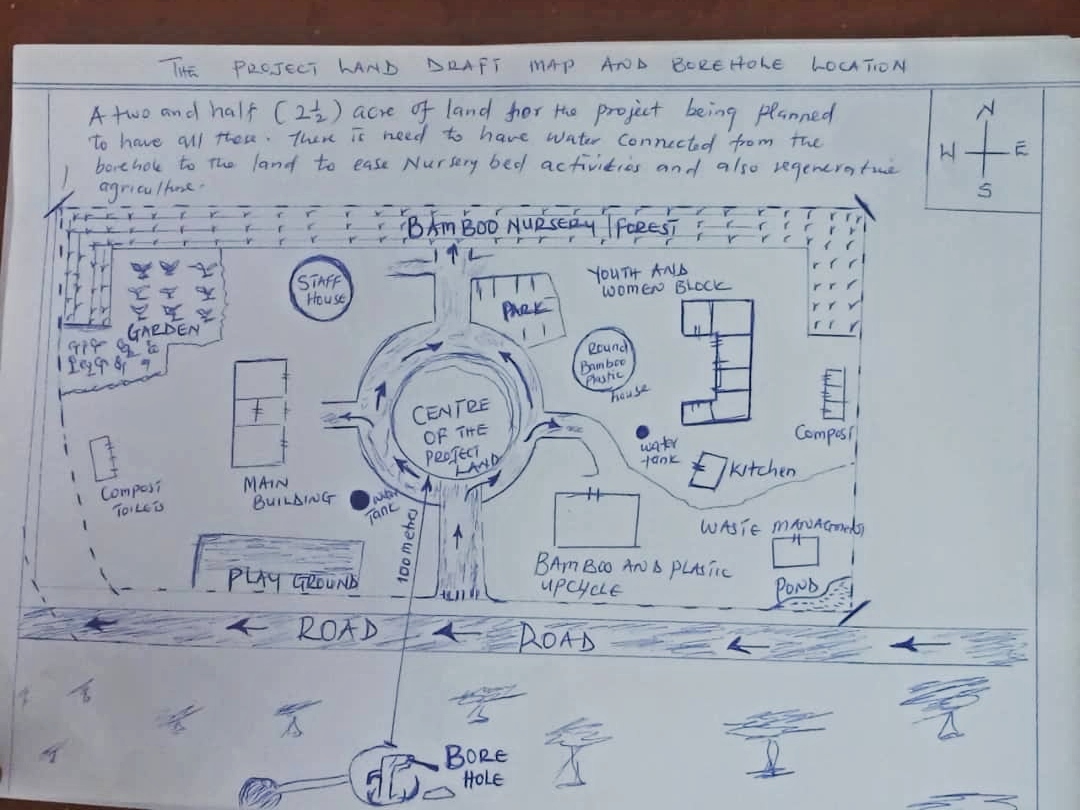
The group currently has nowhere suitable to meet and times are difficult in Uganda. With funds to build this building, the group can contribute their time and labor to build the building and start projects to help raise income for the community and create livelihood businesses to alleviate poverty and sustain people. Times are even more difficult at present with very low rainfall this season and people are unable to get their crops growing sufficiently to produce food. Joel has reported to me that people in his village have taken their own lives in the past 2 months as they are not able to feed themselves!
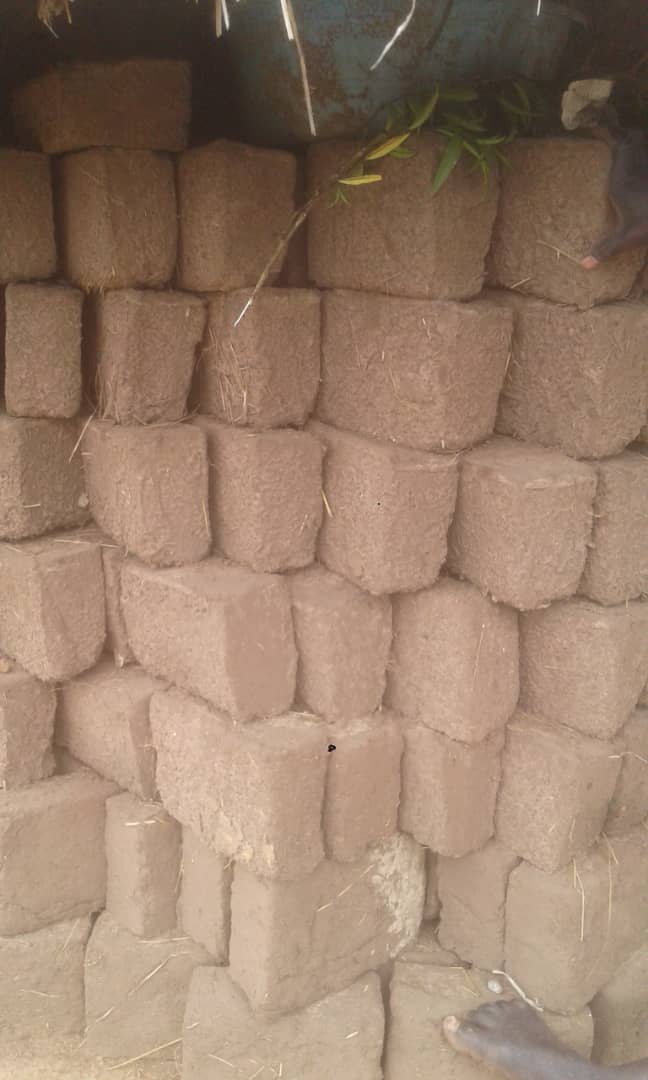
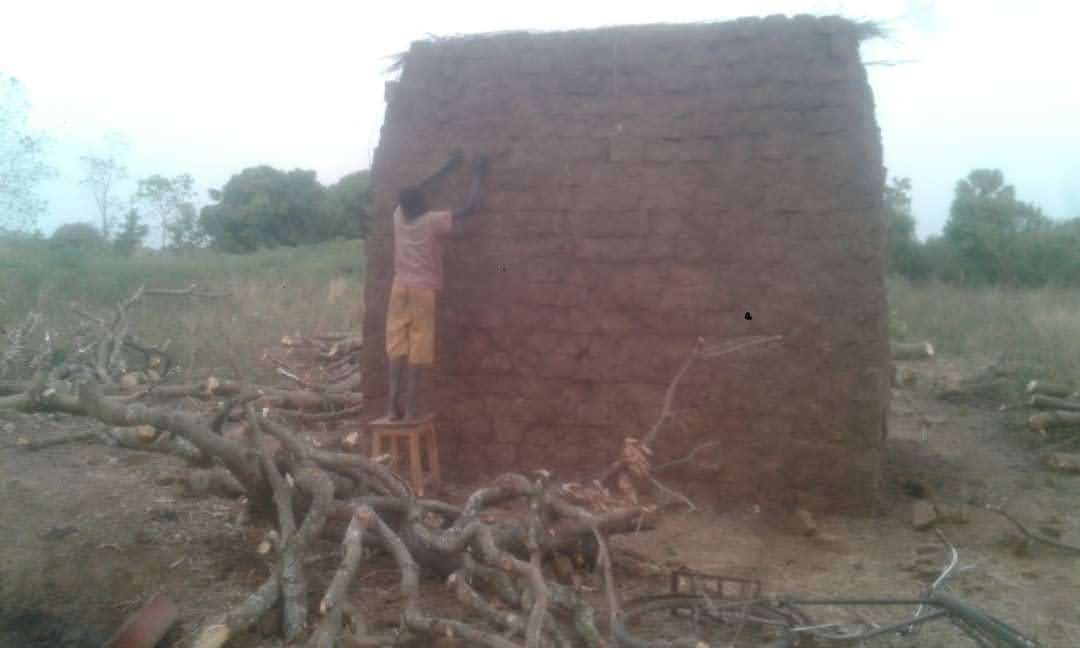
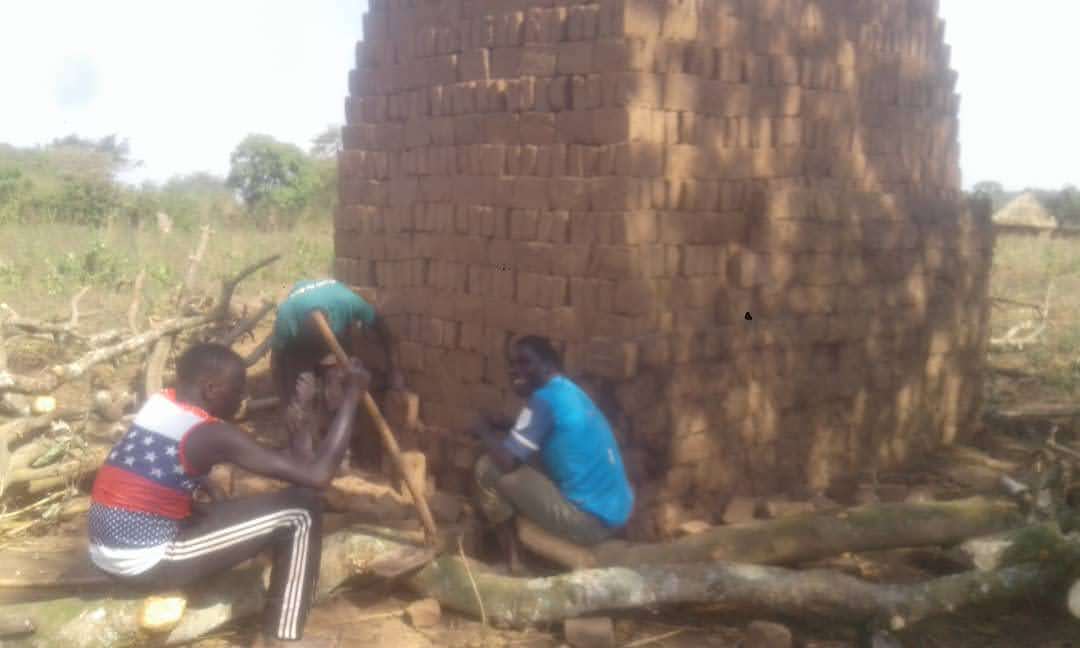
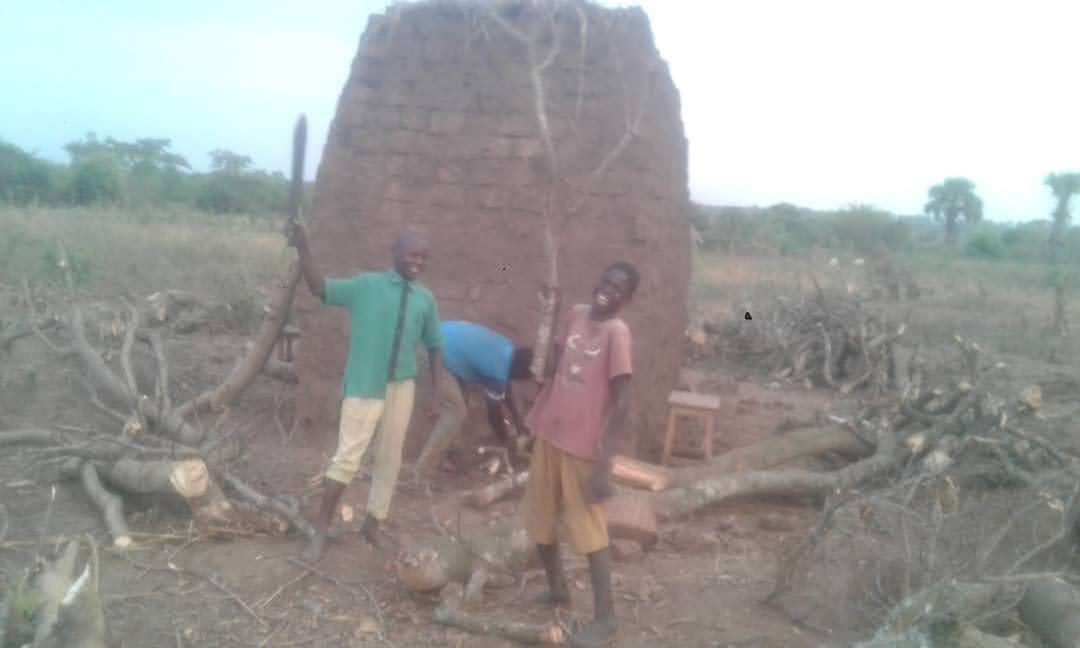
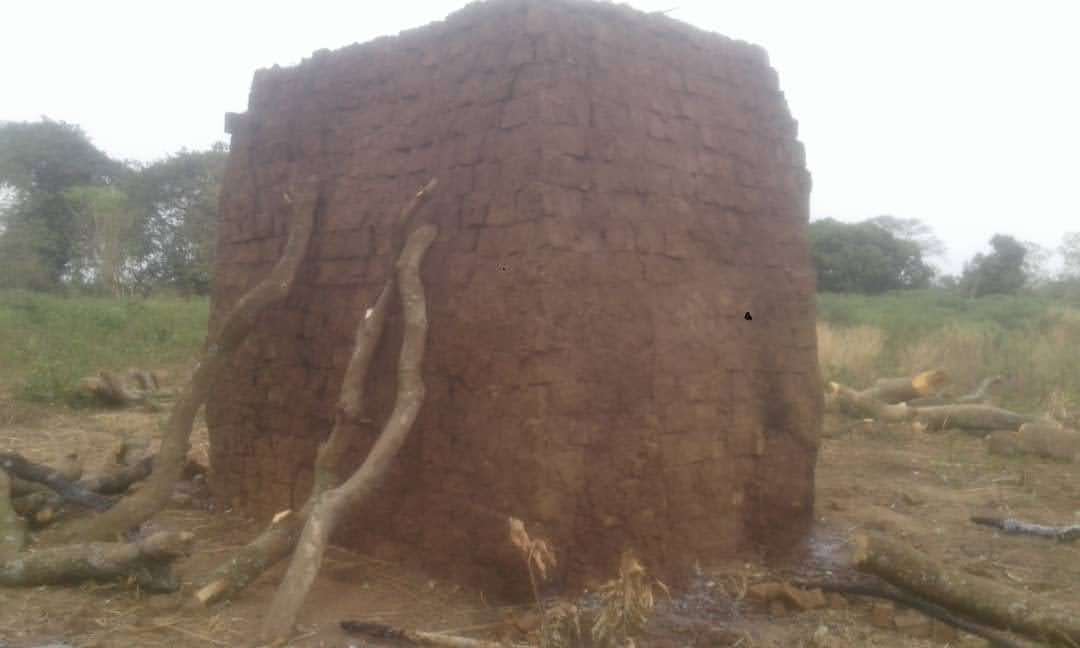
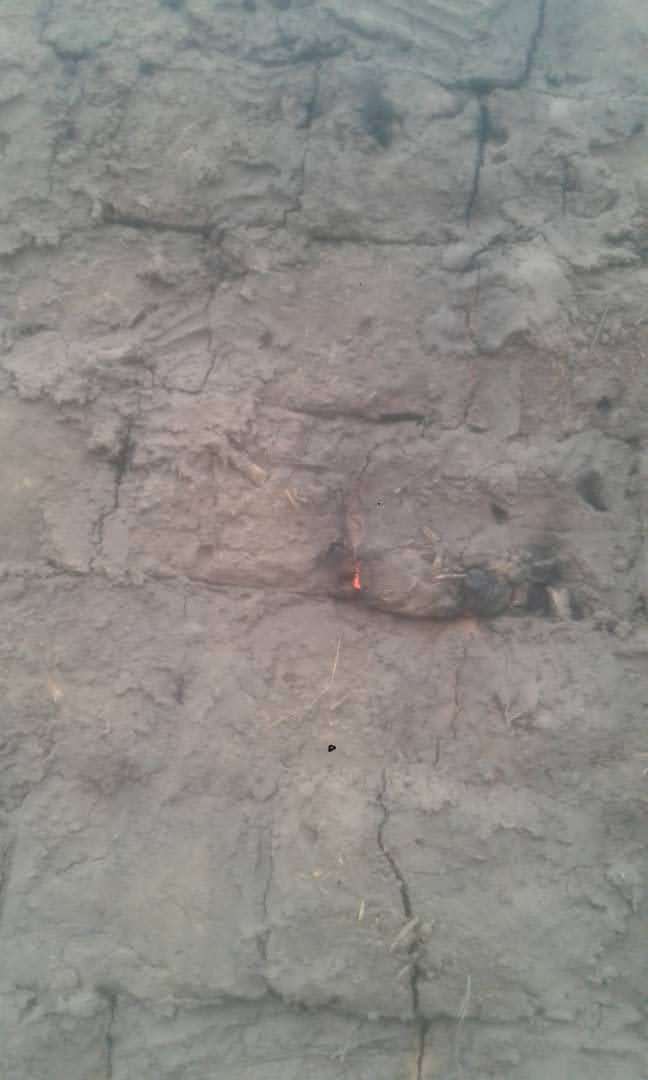
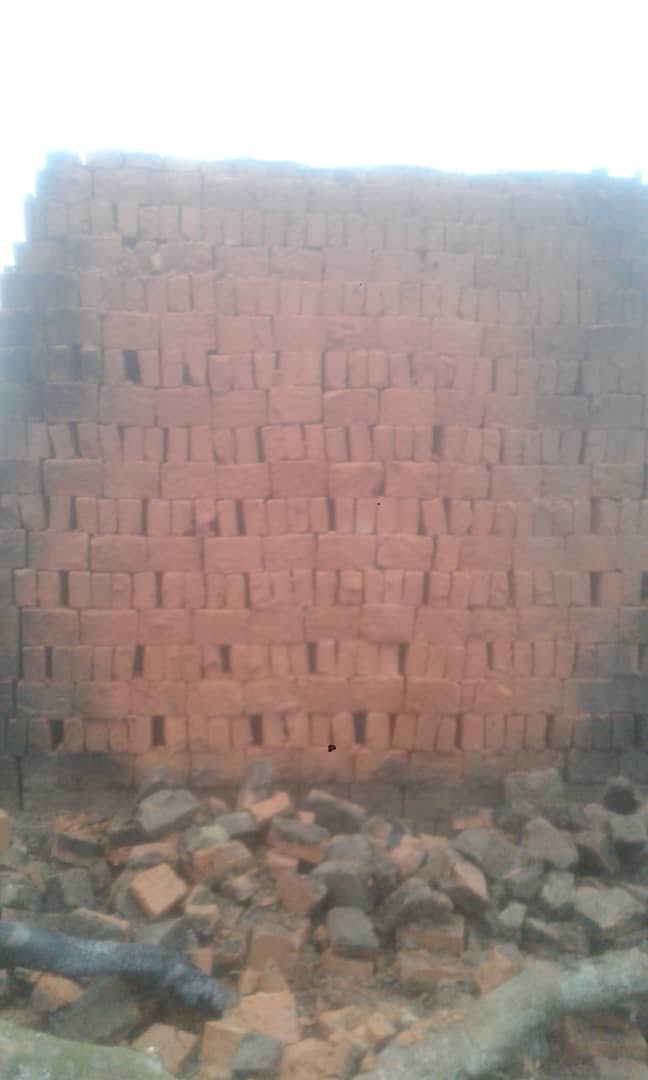
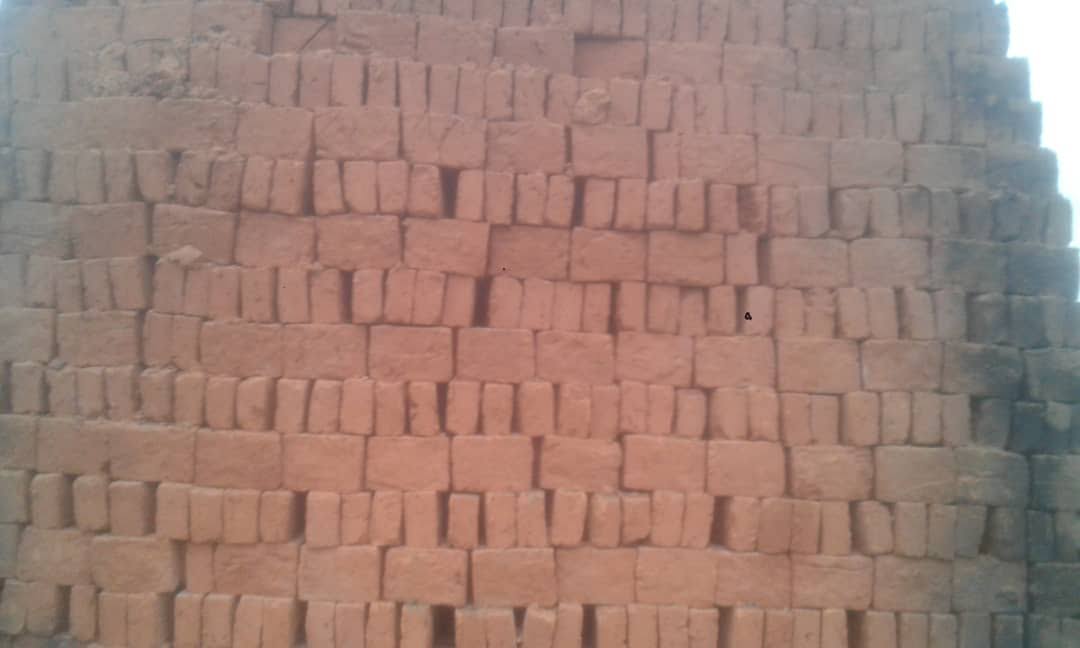
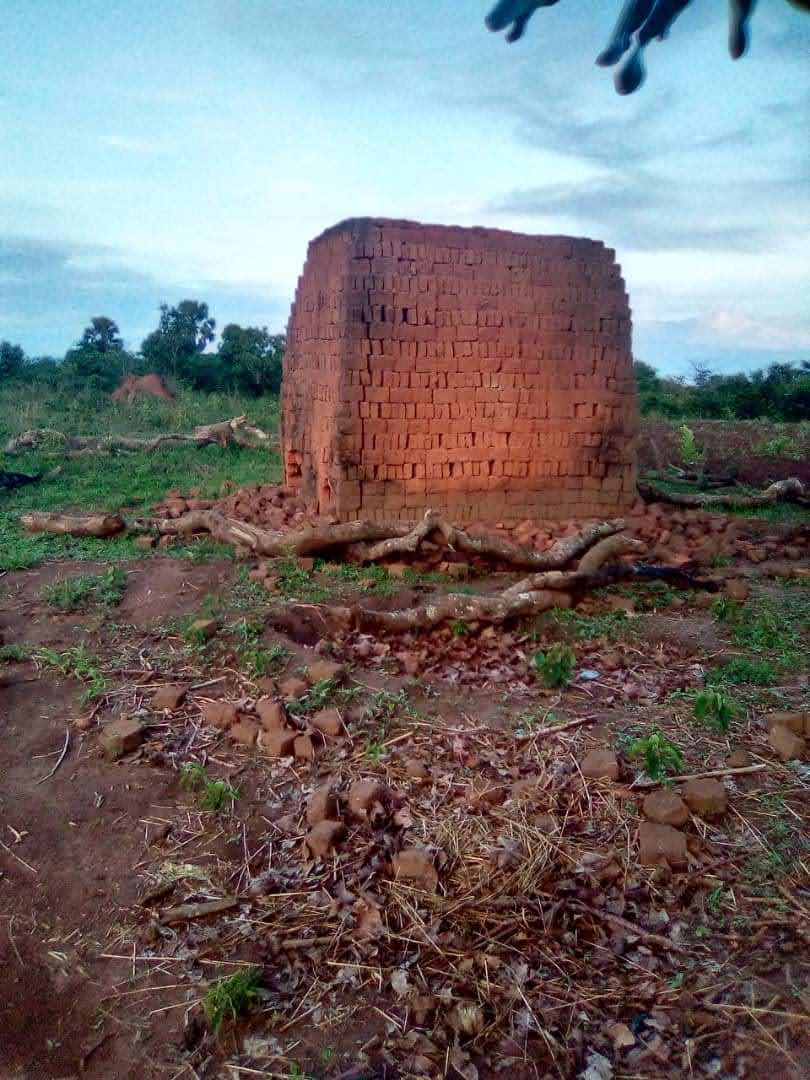
Supporting this project will help Joel and his community build a Community Centre. This centre will be a hub for the Women’s Group and the Youth Group to work on their projects. It will also allow the community group to use the 2.5 acres of land that was donated to the project by a local Korean business owner. The group has already made and fired over 20,000 bricks for the building.
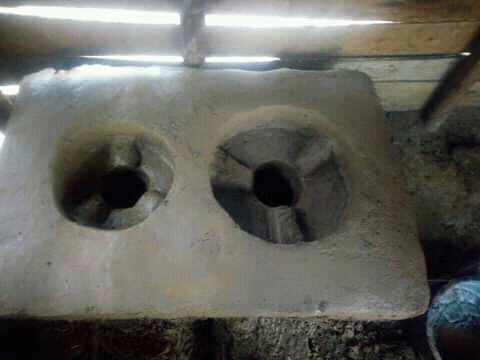
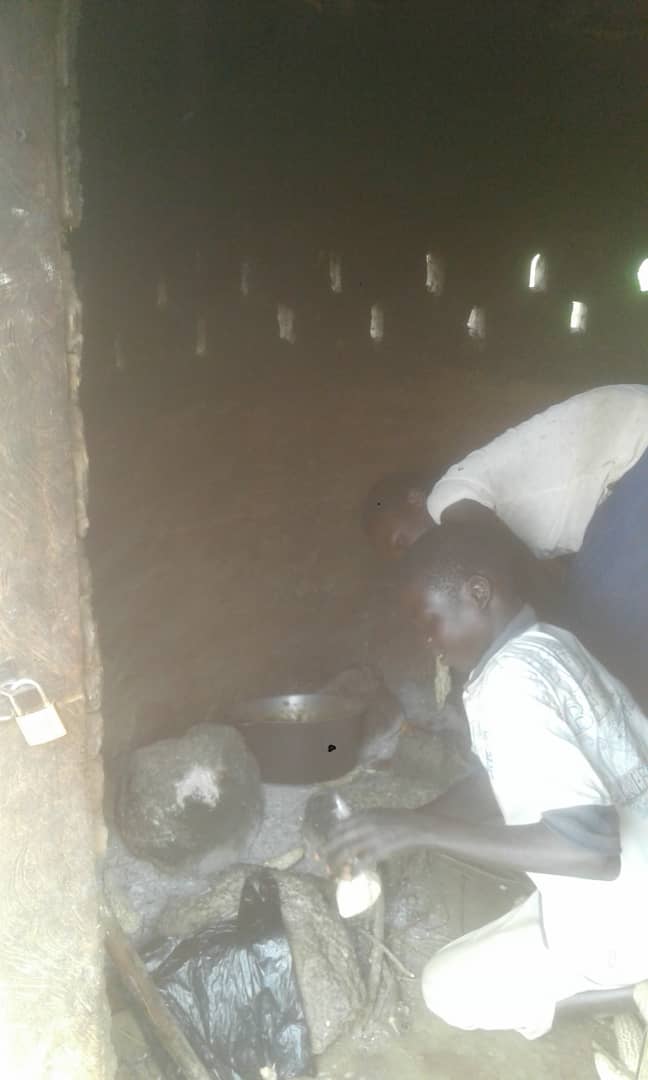
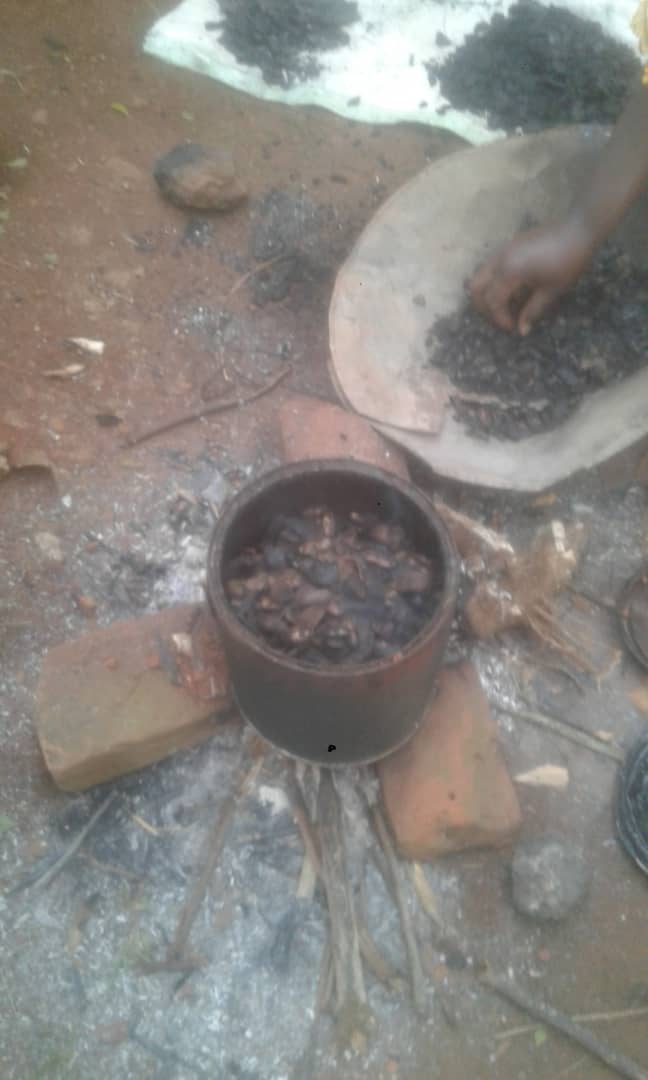
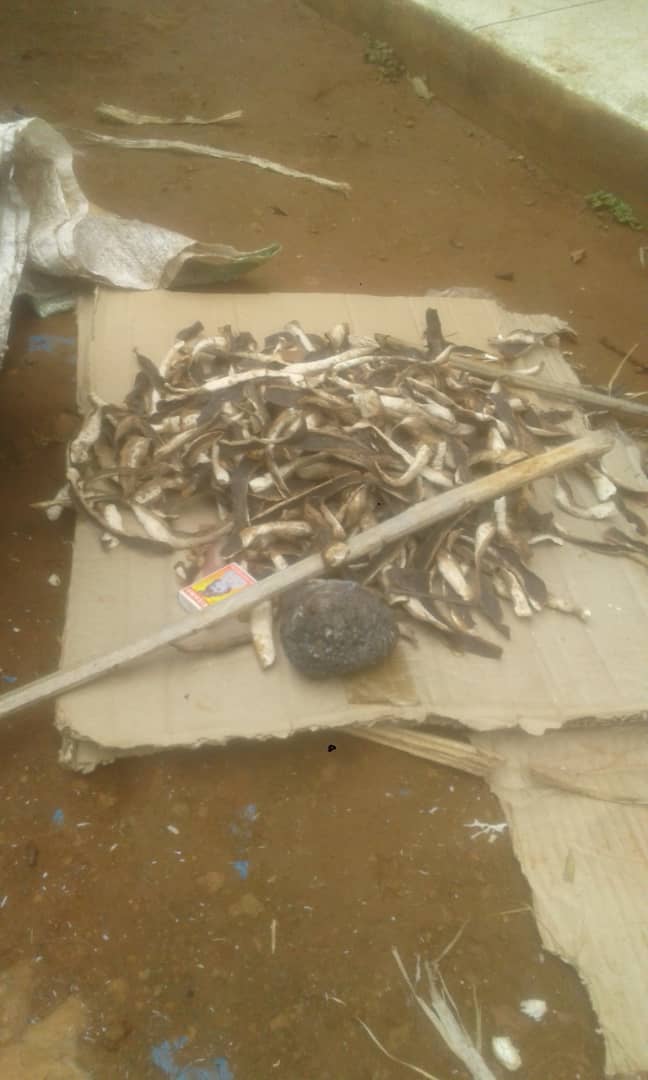
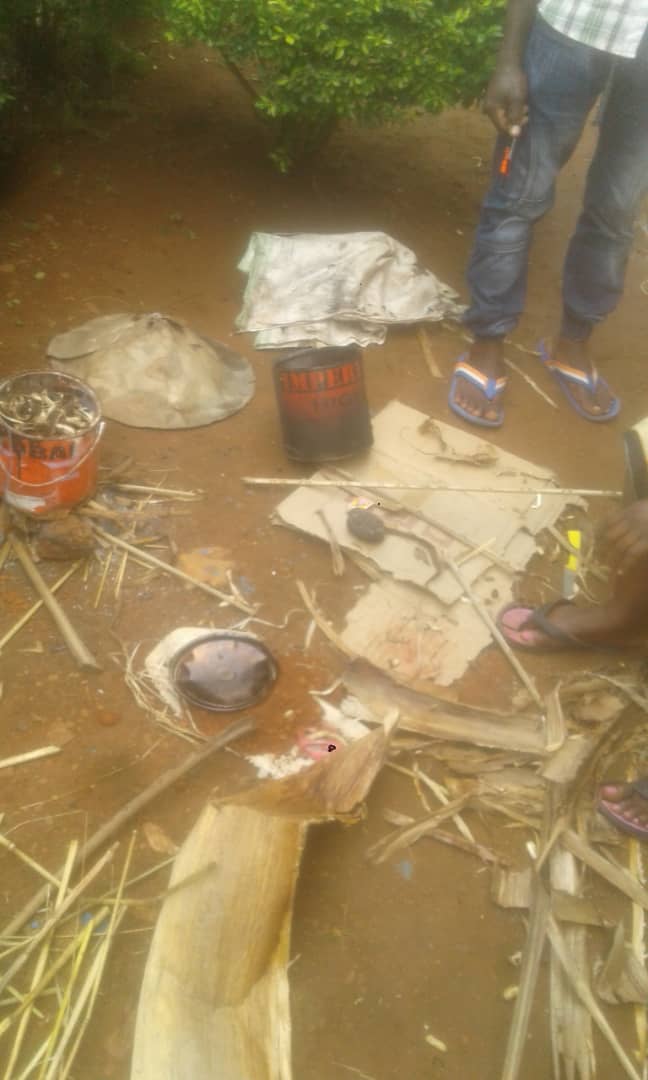
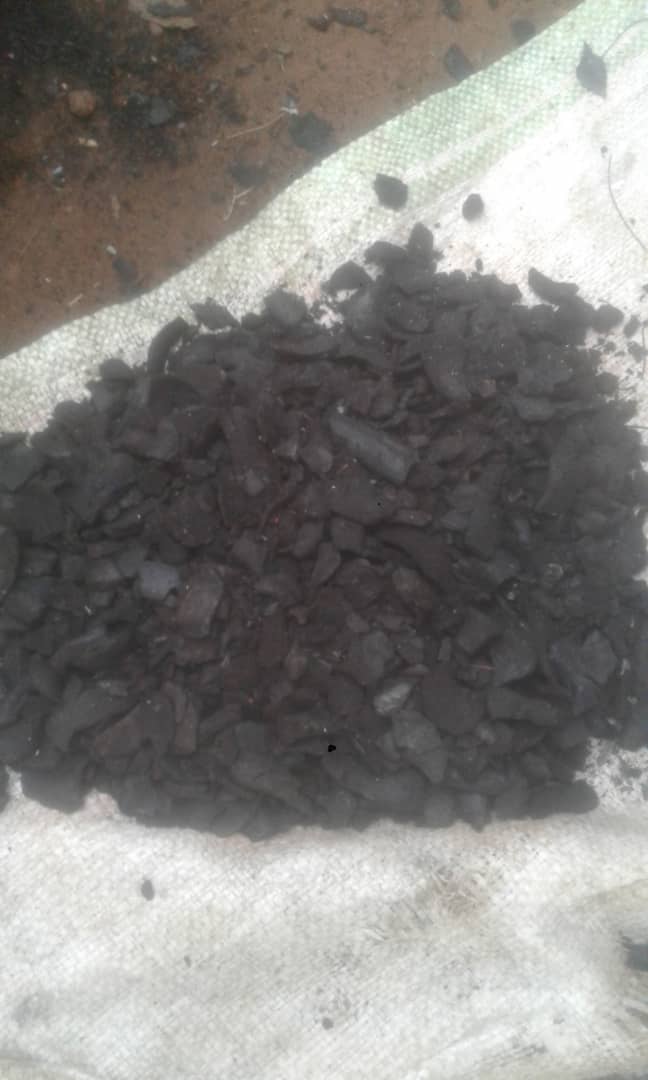
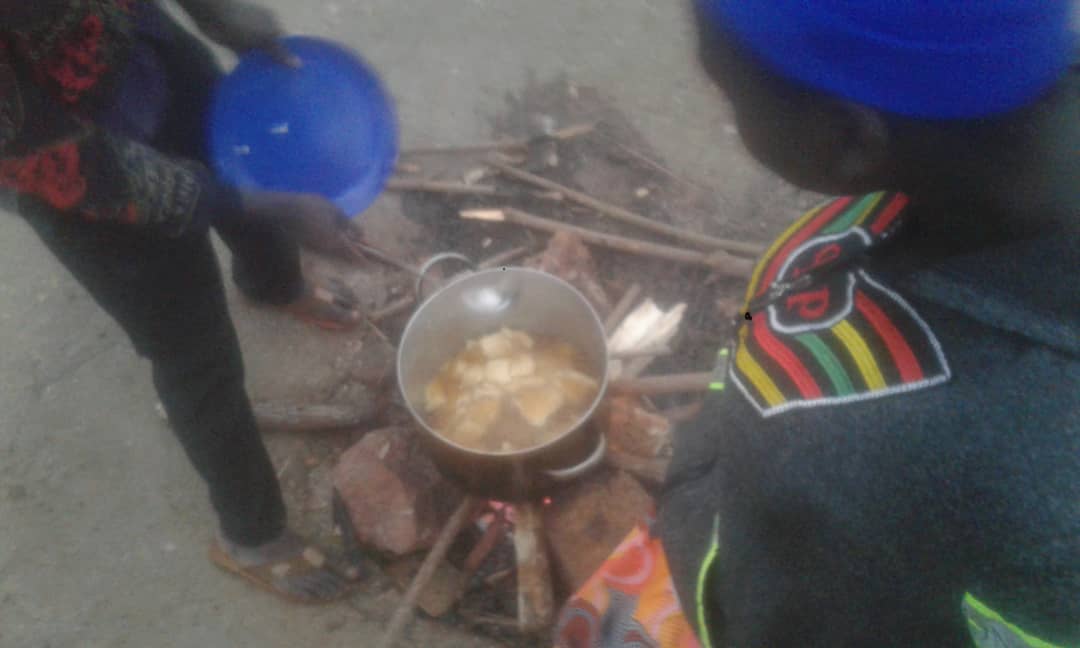
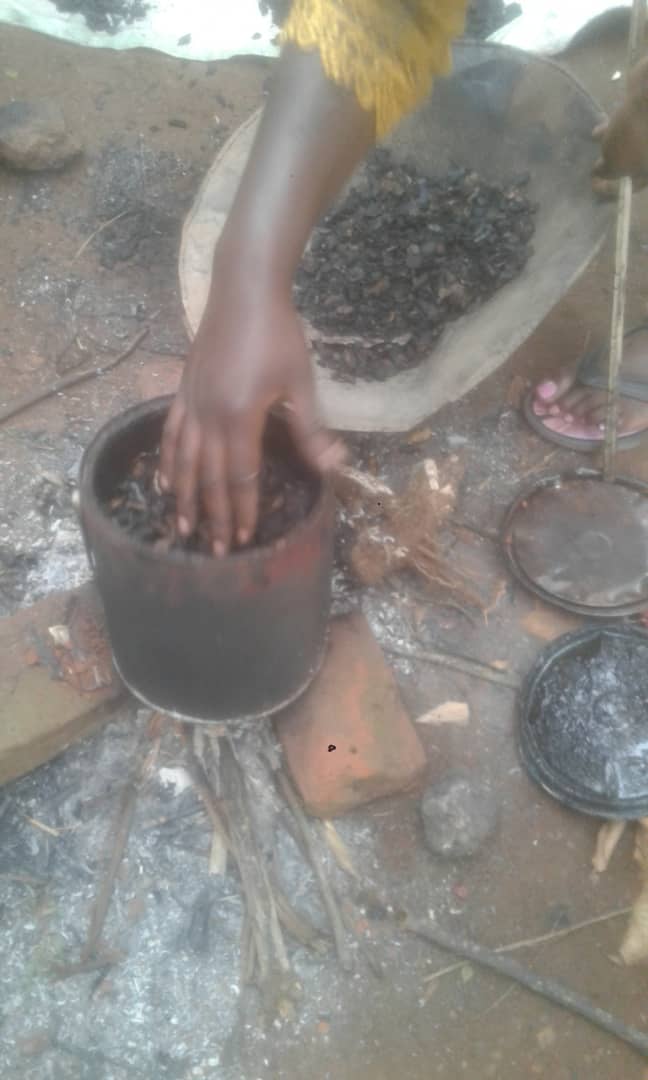
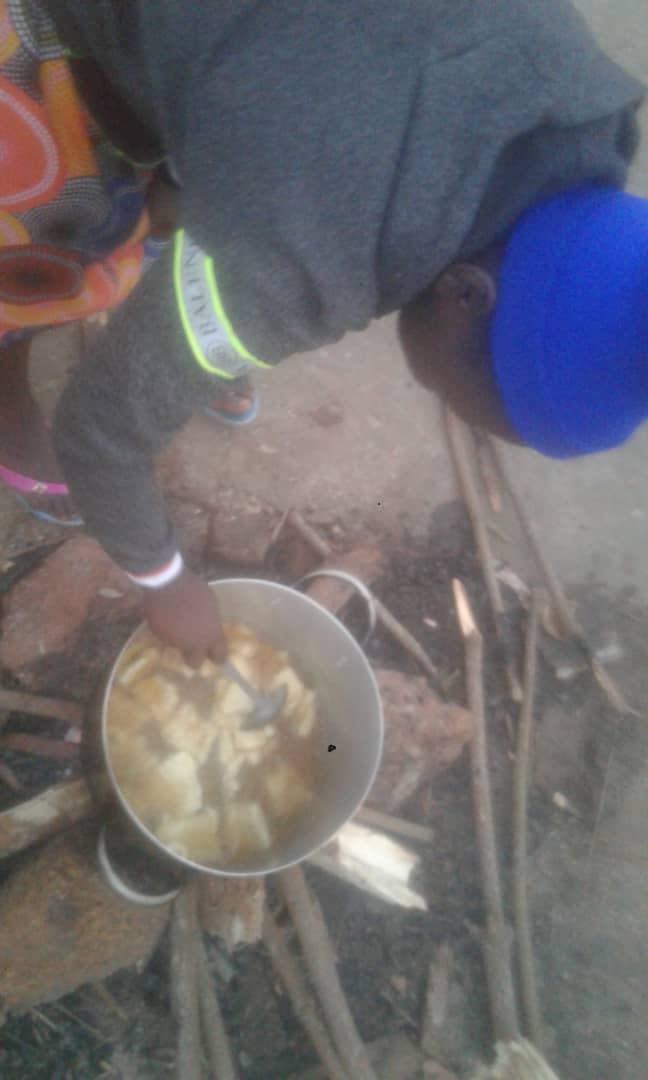
So far, we have taken some cost-free steps, such as installing smokeless stoves in the houses. In this village, wood is still the main fuel for cooking, and the stoves are traditionally placed indoors, causing respiratory health issues. I told Joel about the smokeless stove design, and he quickly gathered his community to build these stoves in people’s homes. Then, I taught him how to make briquettes for cooking fuel, using organic waste like maize, peanut, and rice by-products available from nearby commercial farms. His community group tried this as a trial product, but they have limited equipment and need more infrastructure to continue the project.
Pictured below: Smokeless stove made in Joel’s Community and the making of Briquettes with organic waste and cassava “glue”.

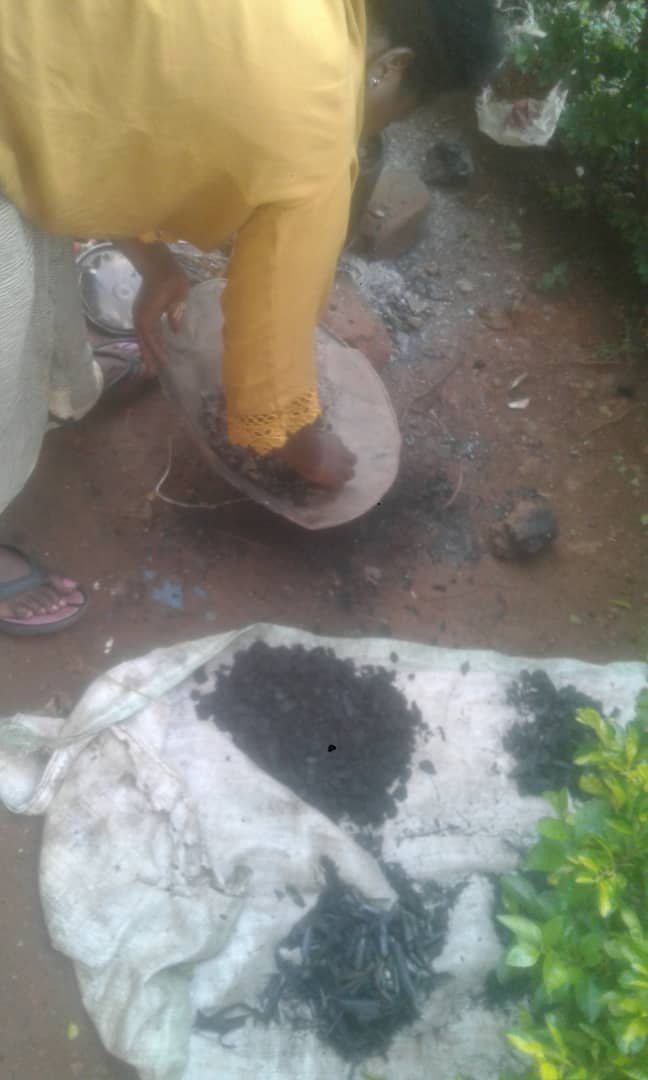
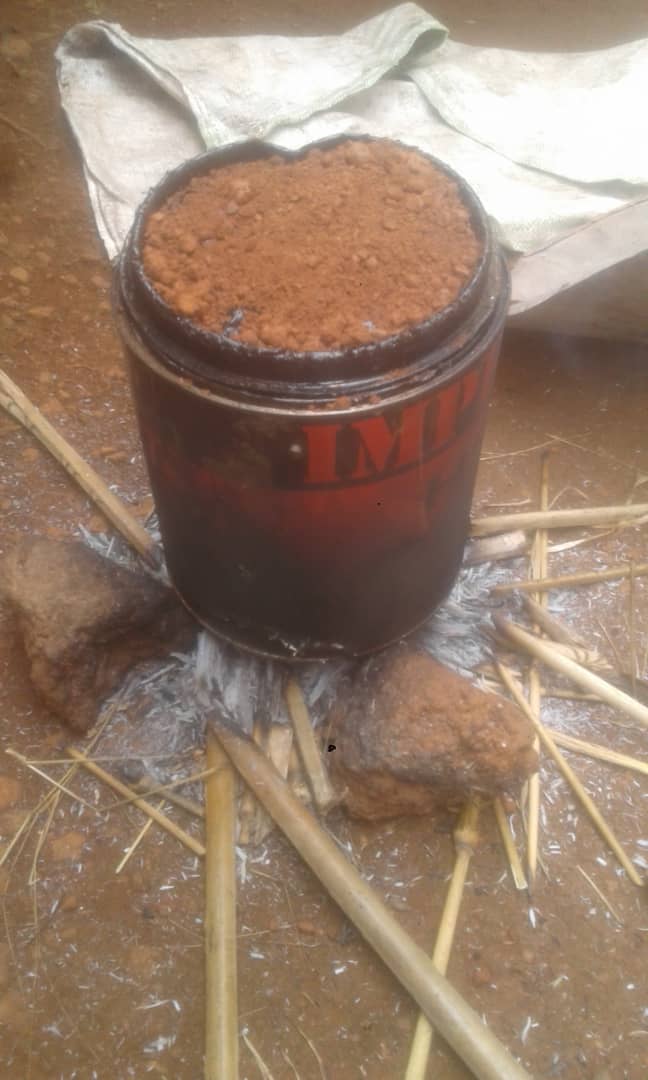
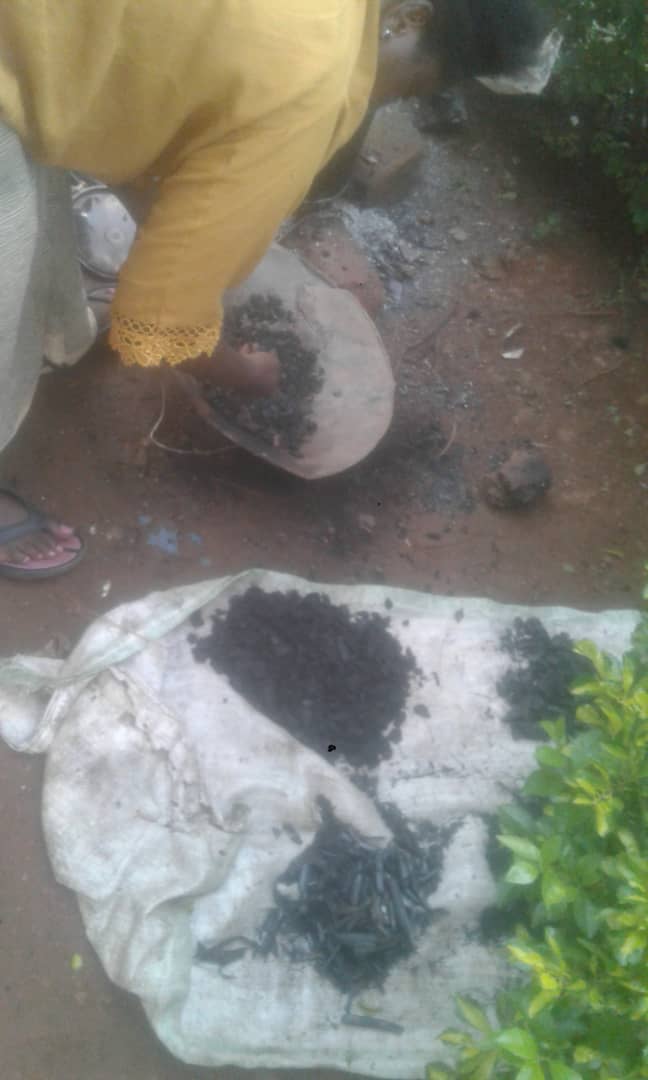
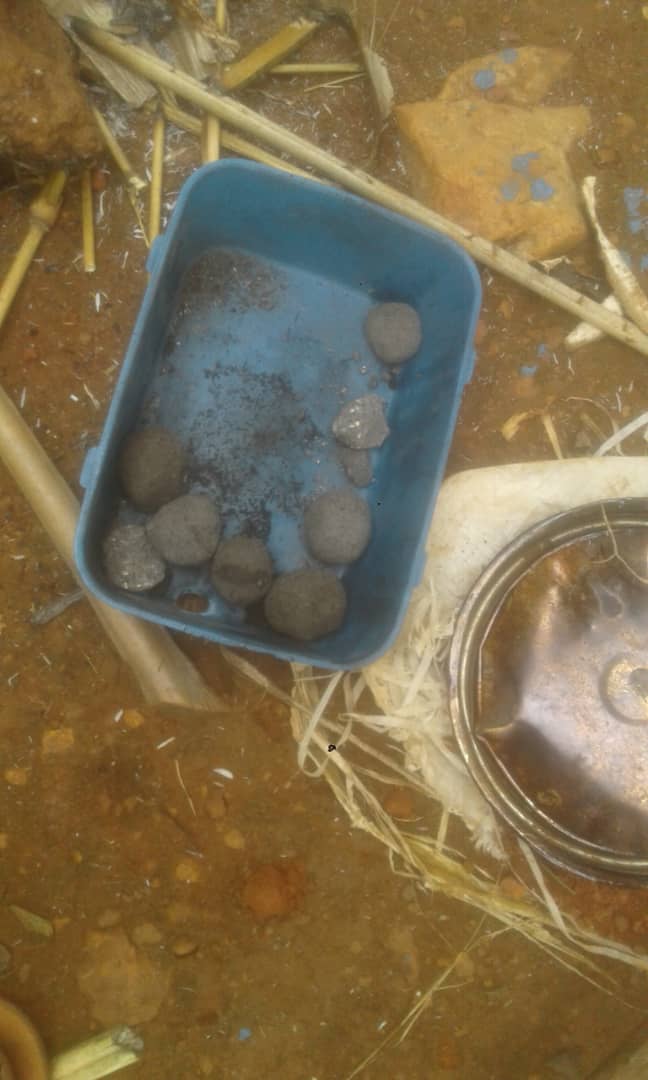

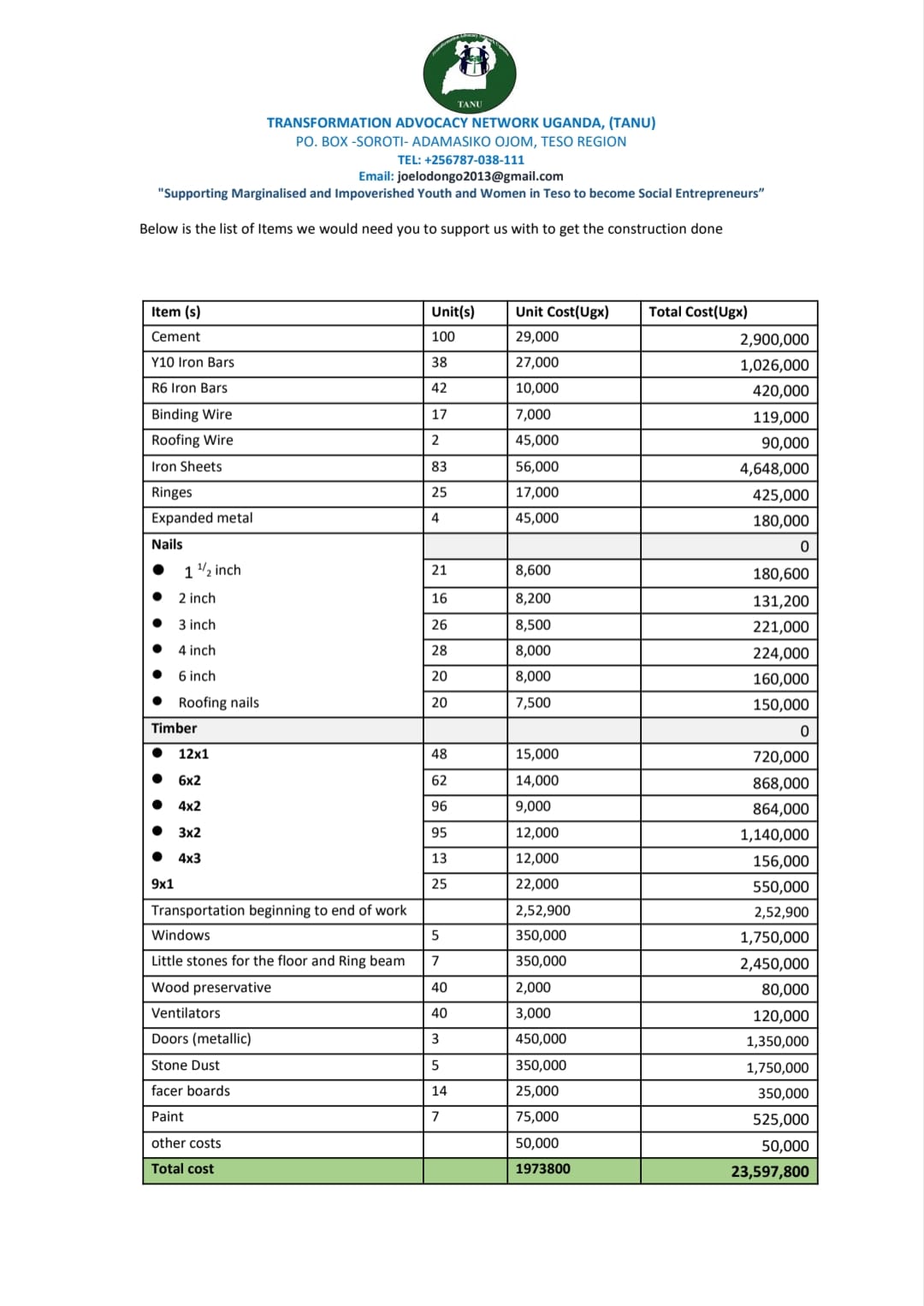
We need help to raise $6,000 to buy materials for building infrastructure in a community project. The project includes raising the building, buying a solar pump, and establishing a nursery and watering system for various purposes like growing vegetables and reforestation. The project will provide life-changing opportunities for the people of a village in Uganda, and the youth members with skills in concrete work, carpentry, and mechanics will contribute their labor. Your financial assistance is invaluable to make this happen.
Uganda supplies Shea Butter and we want to create a beauty product with local honey and Shea Butter for the global market. The project is owned by a Ugandan community group.
In the next 3-5 years after starting this project, TANU will organize education programs for local people from Uganda and Kenya. They also plan to create an Eco-centre with programs for visitors to learn about traditional clay brick making and weaving crafts, as well as experience Ugandan music. Freyr is excited to join and help with a bamboo-building course in Uganda! 🙂
I am inspired by Joel’s passion and commitment to his community. I have met several community members via video call. It is incredibly difficult in Uganda right now due to Covid-19. Helping to develop this project could give people hope for the future. I hope to raise awareness about the project and assist in raising the needed funds. We have talked about making a tour to his village next year in November so my daughter can experience the culture and music of Uganda.
Joel and his community see their project as a Revivement Village Project, a place to welcome, educate, and share experiences with others who want to help build a thriving community-village from the ground-up. They also want to introduce the idea of Community Currency to enable co-investment at later stages, beyond just helping those in need, to build a shared place without the concept of “ownership,” but through “co-contribution.”
If you want to help with this campaign, offer professional advice, or support in other ways, please get in touch with us at outreach@bamboocreative.org.
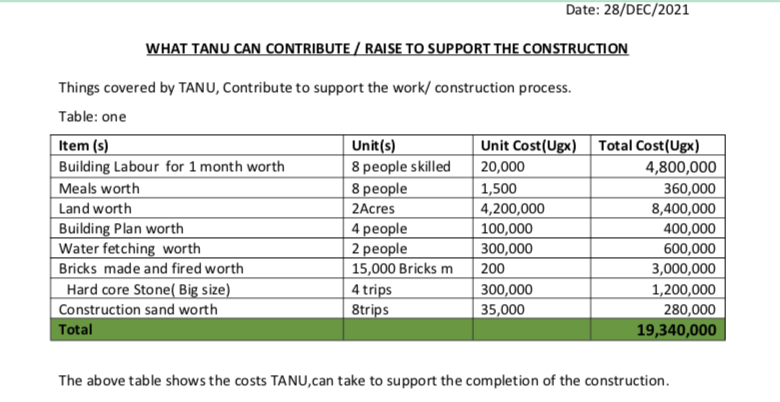
Here’s an interesting idea… I’ve been discussing with Joel about creating a Community Currency to keep track of people’s contributions and recognize their involvement in the Community Centre. In an environment with little money but lots of time, it’s important to see time as a valuable currency. The youth group has skills in mechanics, concreting, and carpentry, and those involved in building greenhouses and maintaining plants should have a visual representation of their contributions and a share of the community outputs. It’s crucial to encourage the use of a community currency system and acknowledge people’s contributions. I’ve been interested in the concept of Community Currency for a while and I believe it’s important to develop such systems for future village communities, incorporating skills, finance, and labor at an equitable and agreed value, rather than letting those with money be the only decision-makers. What are your thoughts on this? Here are mine:
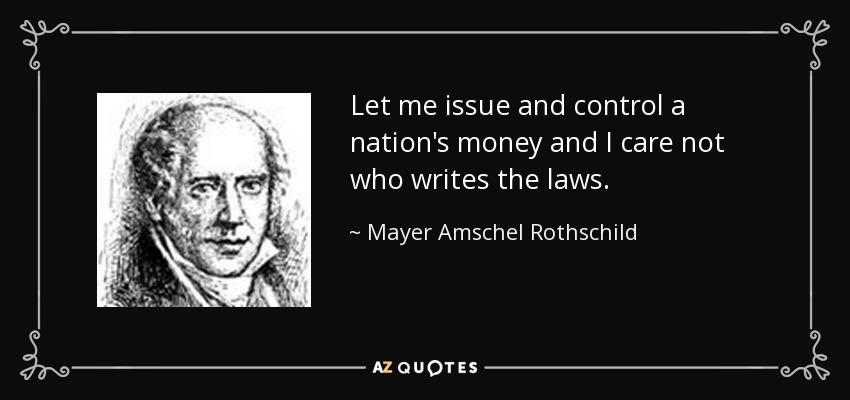
Since the “Western Culture” and the current financial system took control, workers in post-colonized countries have been paid very low salaries. Uganda still uses “Shillings” as its currency, which reflects a time of severe poverty. Many of us are not aware of this due to our privileged upbringing and lack of education about such matters during schooling. We tend to believe that the Western financial system is fair and has always existed. However, this is not true. It has been intentionally designed by those in power to maintain dominance over others who have been colonized. As Mr. Rothschild himself said, “Let me issue and control a nation’s money and I care not who writes its laws.”
The poverty we see around the world today is caused by the historical takeover of other countries’ resources and financial systems by colonial powers. Third World Debt is a way for these colonialists to keep post-colonized nations in perpetual debt to the dominant economic powers. This is a result of wars and is used to generate wealth for a small percentage of the world’s population, including those living in developed countries. It’s not a natural outcome.
If we delve deeper into history beyond the narratives typically presented in Western education, we encounter fascinating accounts of places like the “Spice Islands” in Indonesia. The moniker “Spice Islands” alludes to the relentless efforts of colonizers and conquerors to seize control of the valuable spices abundant in the region. A journey through pre-colonial history unveils societies that thrived in prosperity and self-sufficiency. They possessed distinct trading practices, currencies, and substantial independent wealth. However, the invasion led to the abrupt loss of this wealth. India, for instance, boasted a rich tapestry of accomplishments in fields such as academia (mathematics), science and medicine (pioneering techniques like rhinoplasty), and the production of exquisite textiles and ceramics. These societies were markedly advanced compared to their invaders. Despite this, the invaders systematically dismantled their sophisticated systems or appropriated them as their own. The sorrow, devastation, and outright harm inflicted by our ancestors upon other cultures, families, and societies in pursuit of their objectives draw parallels with the poignant tale depicted in “Watership Down.” This contemplation evokes a crucial question: Why are we not presented with the comprehensive history encompassing narratives… like the intricate story of Tea?
Going to a “poor/developing country” and spending “our money” there, thinking we are helping those people, is an ignorant and arrogant mindset. This overlooks the fact that our economic system, along with the current world economic system, is actually responsible for the poverty in these countries. Additionally, some “westerners” may have a “white-saviour” complex and try to “save” people from the situation caused by our own presence. Colonial countries like England, Netherlands, Spain, France, and Portugal have deprived people worldwide of their resources. Even after achieving “Independence,” the currency value of these countries is still controlled by the dominant world trading system. Usually, all the natural resources and wealth have already been sold or are owned by companies, with the colonizers still having control. For instance, the mineral wealth in formerly colonized African countries is still owned by the French government, mining, and oil companies. We should also consider what royalties are actually paid to the people of those countries. This situation has led to the existence of individuals like Imelda Marcos. The political system established by colonists is designed to perpetuate corruption and imposed poverty indefinitely… until now.
It is important to reflect on how the historical exploitation and ongoing impact of colonialism have far-reaching effects on the economic and social fabric of nations around the world. The repercussions of centuries of colonial rule continue to manifest in the economic systems and power structures of many countries, perpetuating inequalities and hindering the development and prosperity of the affected populations. These deeply entrenched issues demand a comprehensive and multi-faceted approach to address the systemic inequalities and injustices that have persisted for generations. By acknowledging the historical context and complexities of these dynamics, we can work towards fostering sustainable solutions that empower communities and promote equitable development on a global scale.
During this time of Capitalistic Colonialism, we have developed remarkable technologies. Some of these technologies could greatly improve the lives of the Rural Poor, who have been disadvantaged by the current economic system for a long time. However, even the simplest technologies are too expensive for them due to devalued currencies (like the Ugandan Shilling) and low wages that are considered “acceptable” in our supposedly “modern” society.
If we want everyone in the world to live from the heart and create a sustainable culture, we must help the rural poor and provide access to technology and resources. These can offer the basic infrastructure to break the cycle of poverty. We need to reinstate basic human rights, fairness, and equal opportunity in our global society. This is especially important considering the exploitation of resources and corruption that has left rural people in poverty.
The ability to communicate effectively through modern means presents us with a powerful tool for fostering meaningful connections with individuals while approaching them as equals, rather than viewing them through a lens of perceived disadvantage. It is integral to recognize the importance of engaging with individuals who hold a deep-rooted connection to the land and possess the knowledge and skills to cultivate food. Spending time with such individuals allows us to gain valuable insights into sustainable agriculture and food production, which are crucial for ensuring food security in the future. This exchange of knowledge and experience is pivotal for shaping a more sustainable and mutually beneficial future for all.
In my view, it’s time to share knowledge about sustainable systems and technology that can improve life without causing people to go into debt or exploiting them in the traditional capitalist system. Instead, we should focus on fair and practical systems that can help us live together as a global family.
The call for sustainable systems and technology that prioritize human well-being over profit margins is becoming increasingly prominent in today’s global discourse. It is crucial to recognize that the pursuit of sustainability is not just an environmental issue; it encompasses social, economic, and ethical dimensions as well. By fostering a deeper understanding of sustainable practices, individuals and communities can work towards creating a more equitable and harmonious world.
One of the fundamental aspects of sustainable systems is their capacity to enhance quality of life without burdening individuals with insurmountable debt. This necessitates a shift away from exploitative economic models that prioritize short-term gains over long-term stability. By embracing sustainable technologies and systems, we can mitigate the adverse impacts of rampant consumerism and foster a culture of responsible resource management.
Furthermore, the notion of living as a global family implies a collective sense of responsibility towards one another and the planet we inhabit. Sustainable systems and technologies play a pivotal role in fostering this interconnected worldview, as they offer practical solutions that transcend national boundaries and prioritize the well-being of all individuals, regardless of geographical location or socioeconomic status.
In essence, the advocacy for sustainable systems and technology represents a paradigm shift towards a more equitable and inclusive future for humanity. By sharing knowledge and fostering dialogue around these crucial topics, we can pave the way for a world where prosperity and well-being are not contingent on the exploitation of people or the planet, but are instead built on the foundations of fairness, compassion, and solidarity.
Perhaps we should consider it as it’s mentioned in the Bible – that we release everything we “think” we possess, come together with what we have, and contribute as a community of God’s people. We need to find our role in the larger scheme of things. By having faith and reconnecting with natural laws and balanced systems, we can awaken to create “new” laws and systems to protect the sovereignty and existence of the Earth and all its inhabitants who are invested in the well-being of our collective future…
Back to building…
Contribute HERE to the first stage crowdfunding:
Discover more from Bamboo Creative Bali
Subscribe to get the latest posts sent to your email.
 Bamboo Creative Bali