HOW to keep plastic and trash out of the rivers, drains, landfills and oceans?
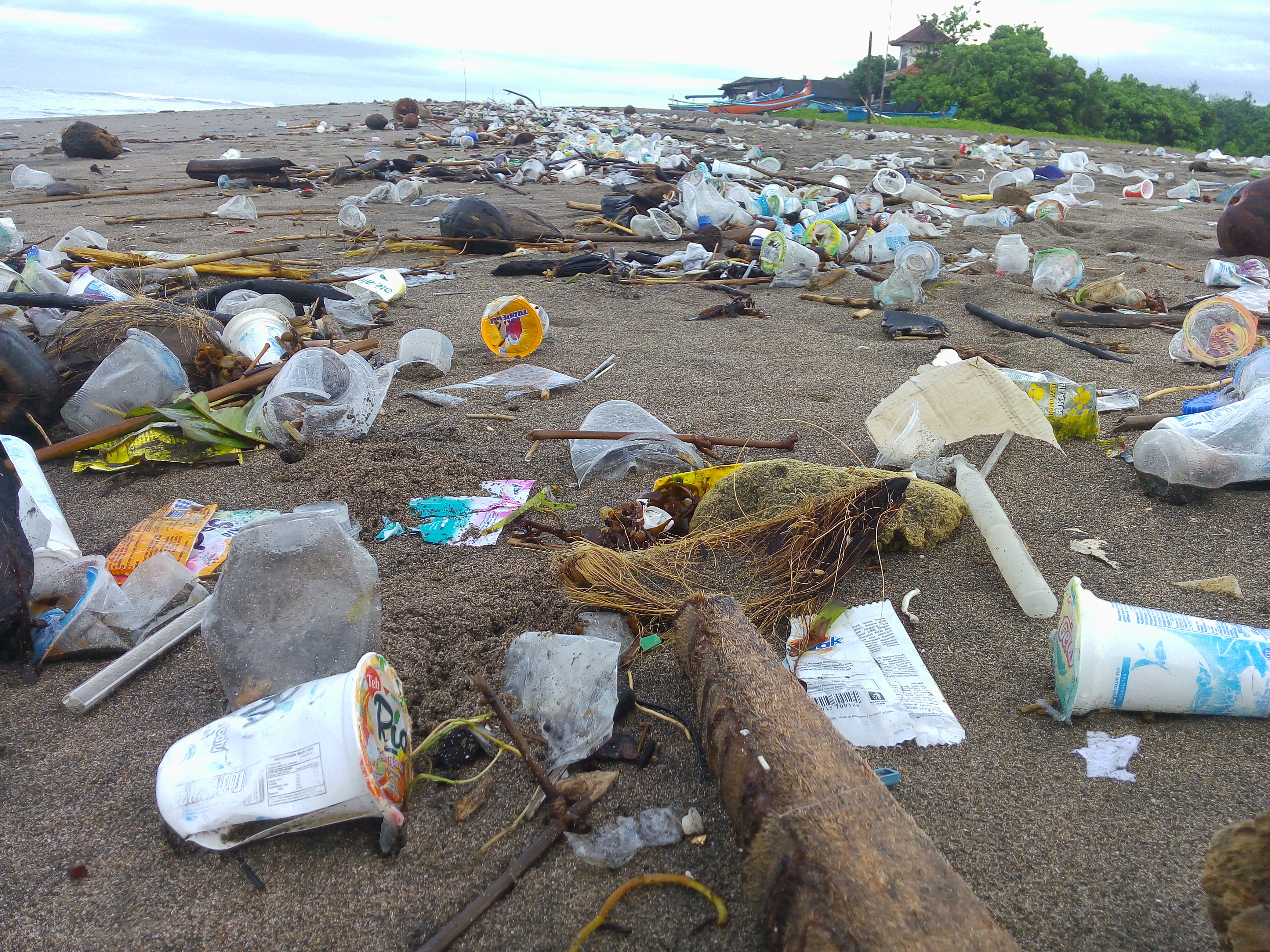
When I first arrived in Asia, I was struck by the sheer scale of the single-use plastic “problem.” Yet, I also saw how this material underpins the efficiency and convenience of modern society. The real challenge is not just plastic itself, but how we manage and repurpose it to prevent contamination of our soil and water. With a bit of ingenuity, we can transform plastic waste from an environmental hazard into a resource that powers a circular economy.
The Ecobrick Challenge: Creating Value from Waste
To incentivize plastic waste transformation into building materials, we’ve developed the Ebblet currency system. Here’s how it works:
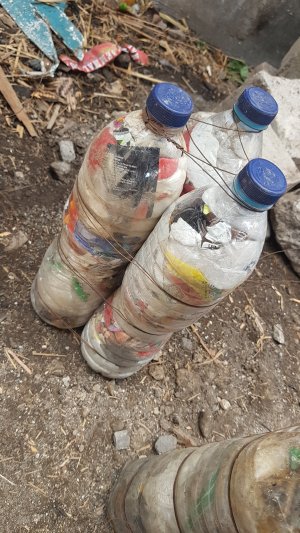
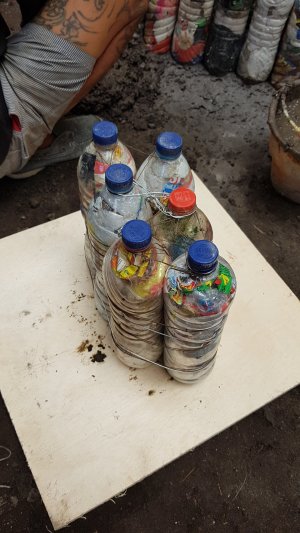
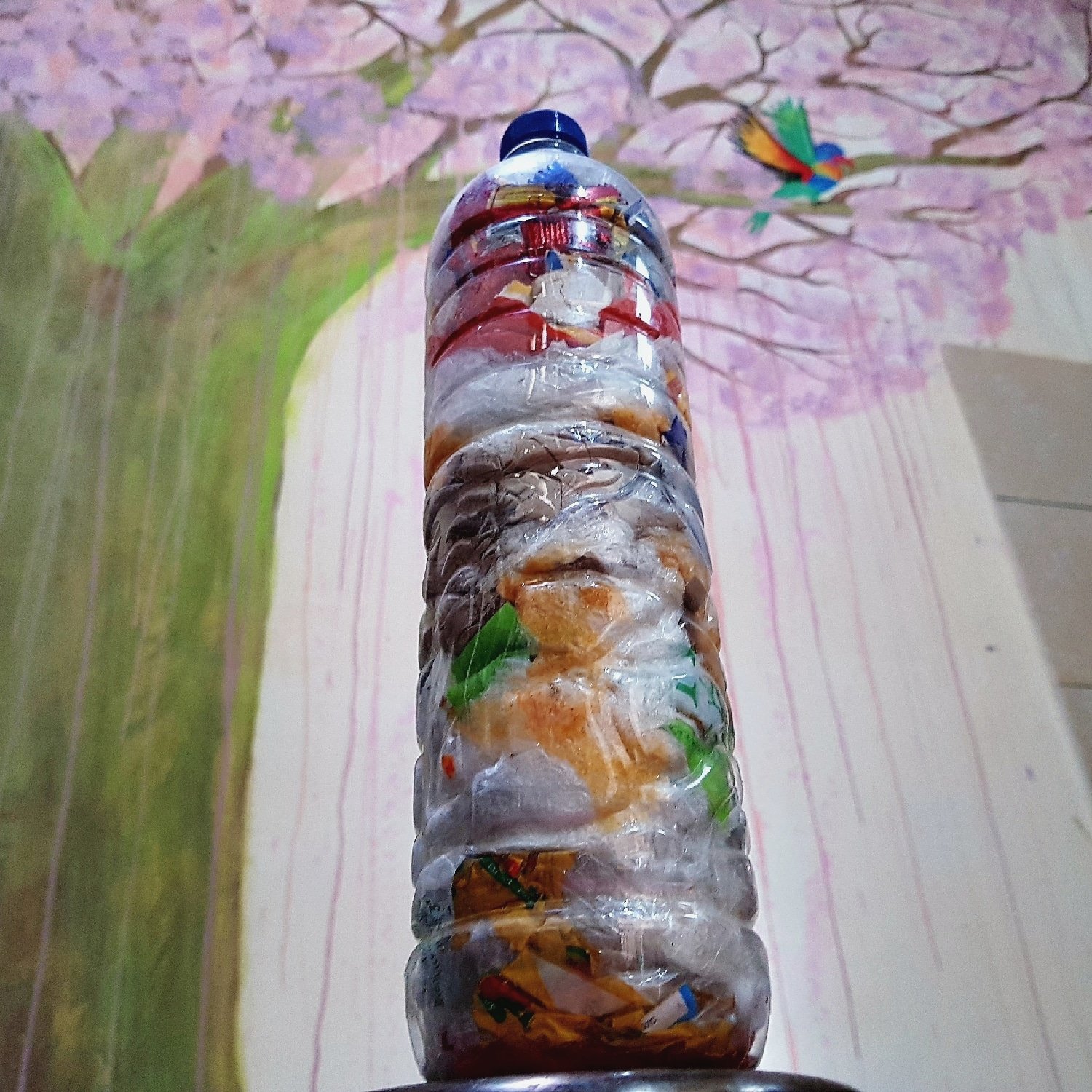
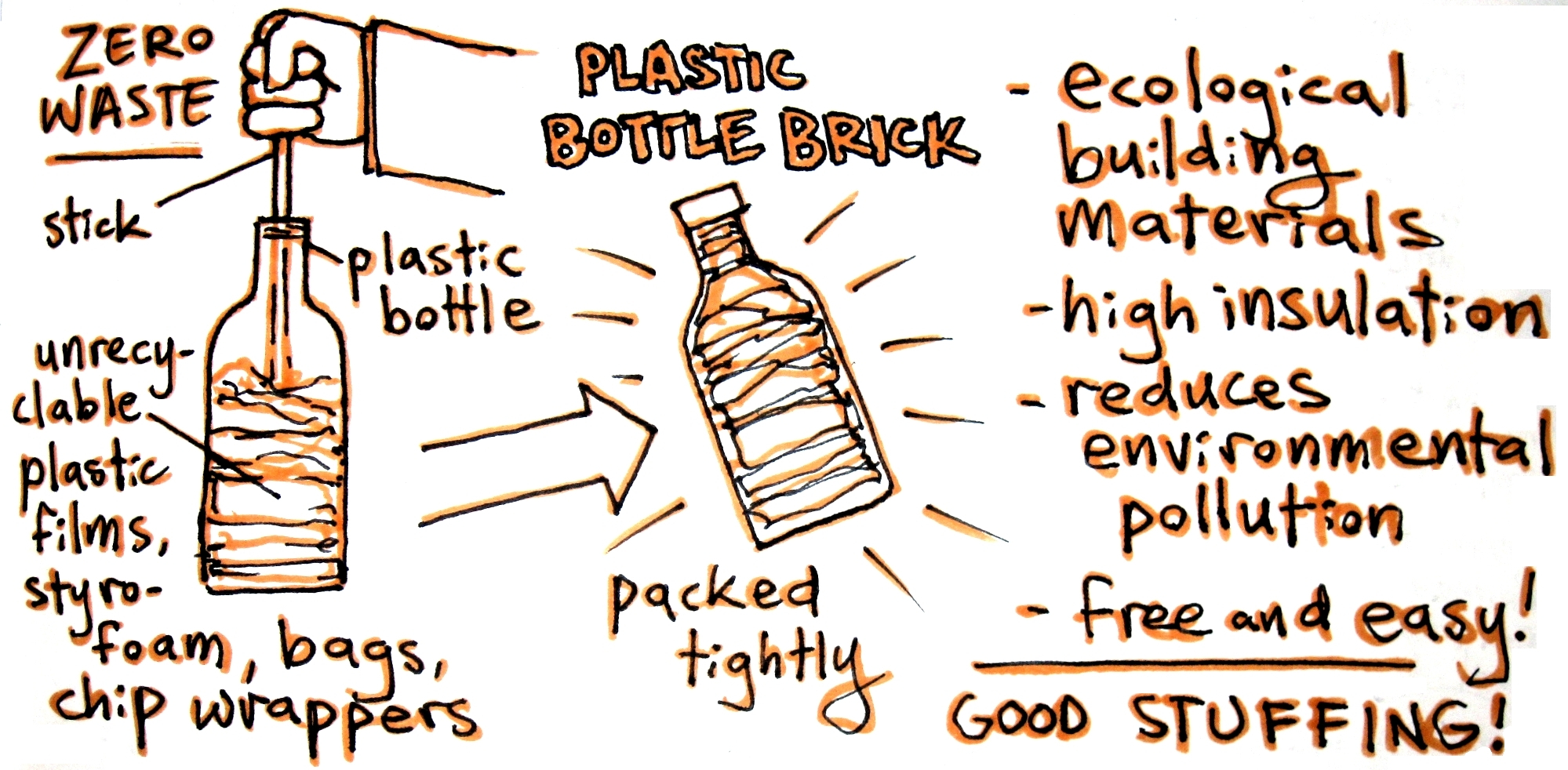
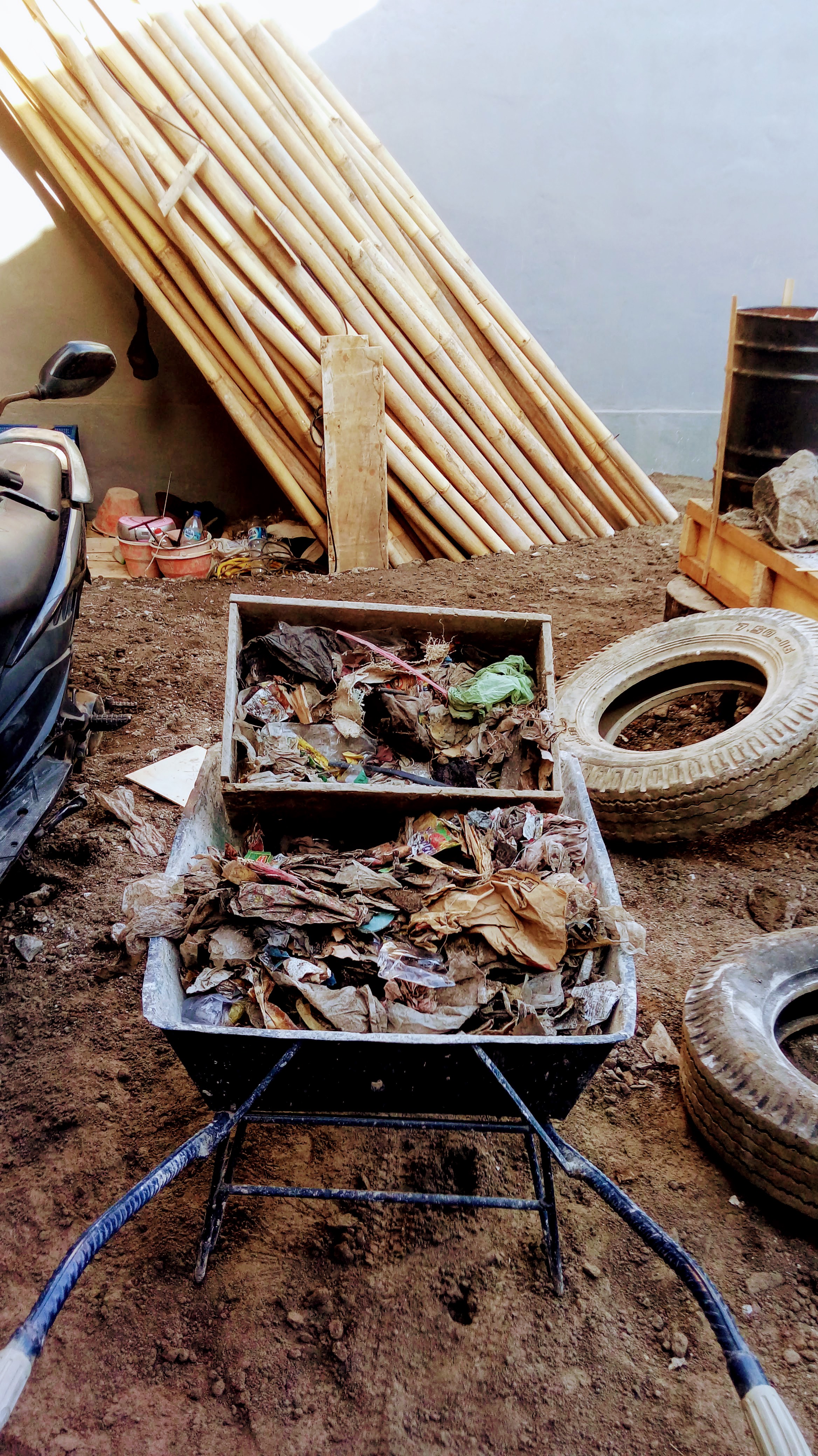
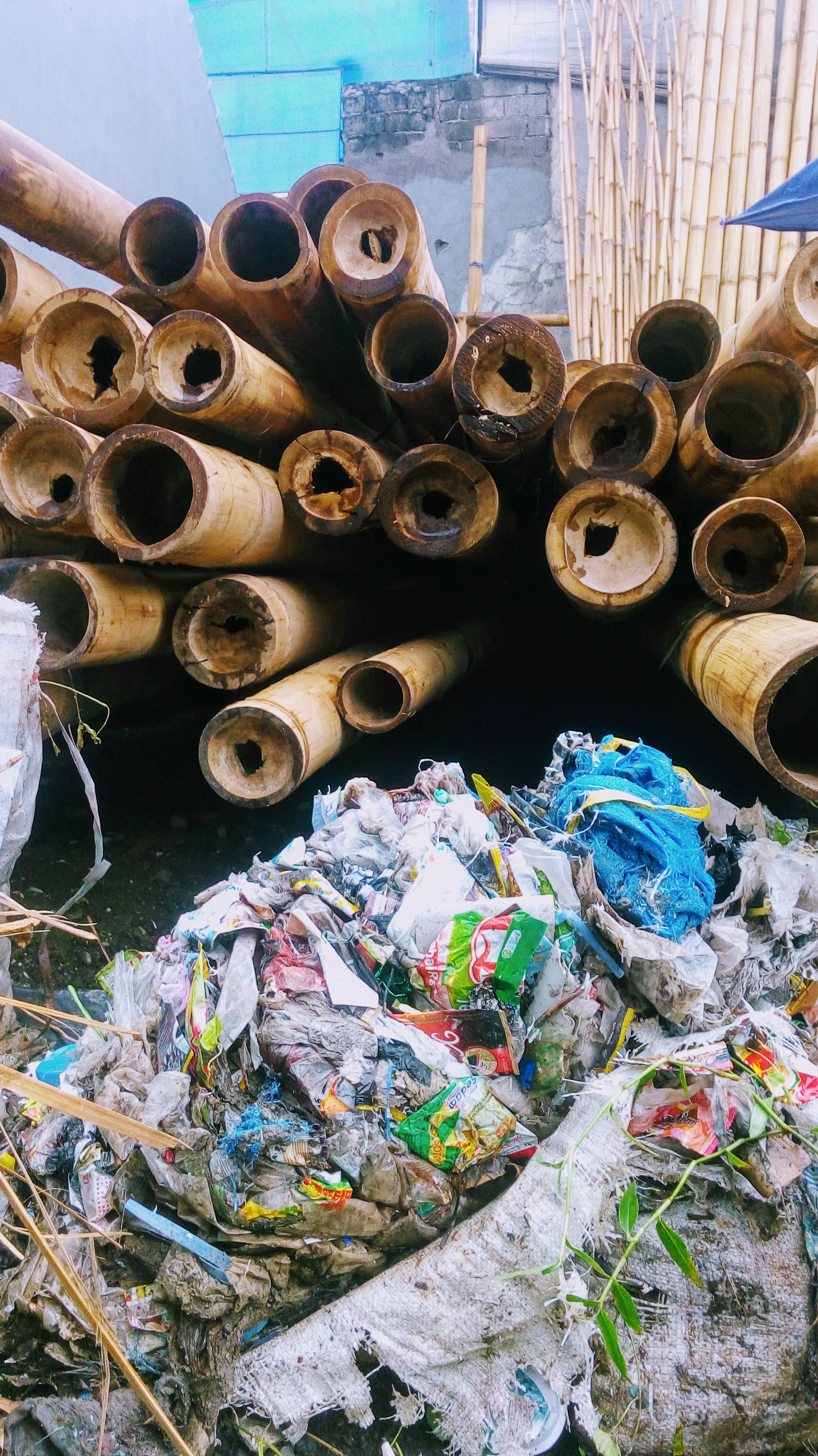
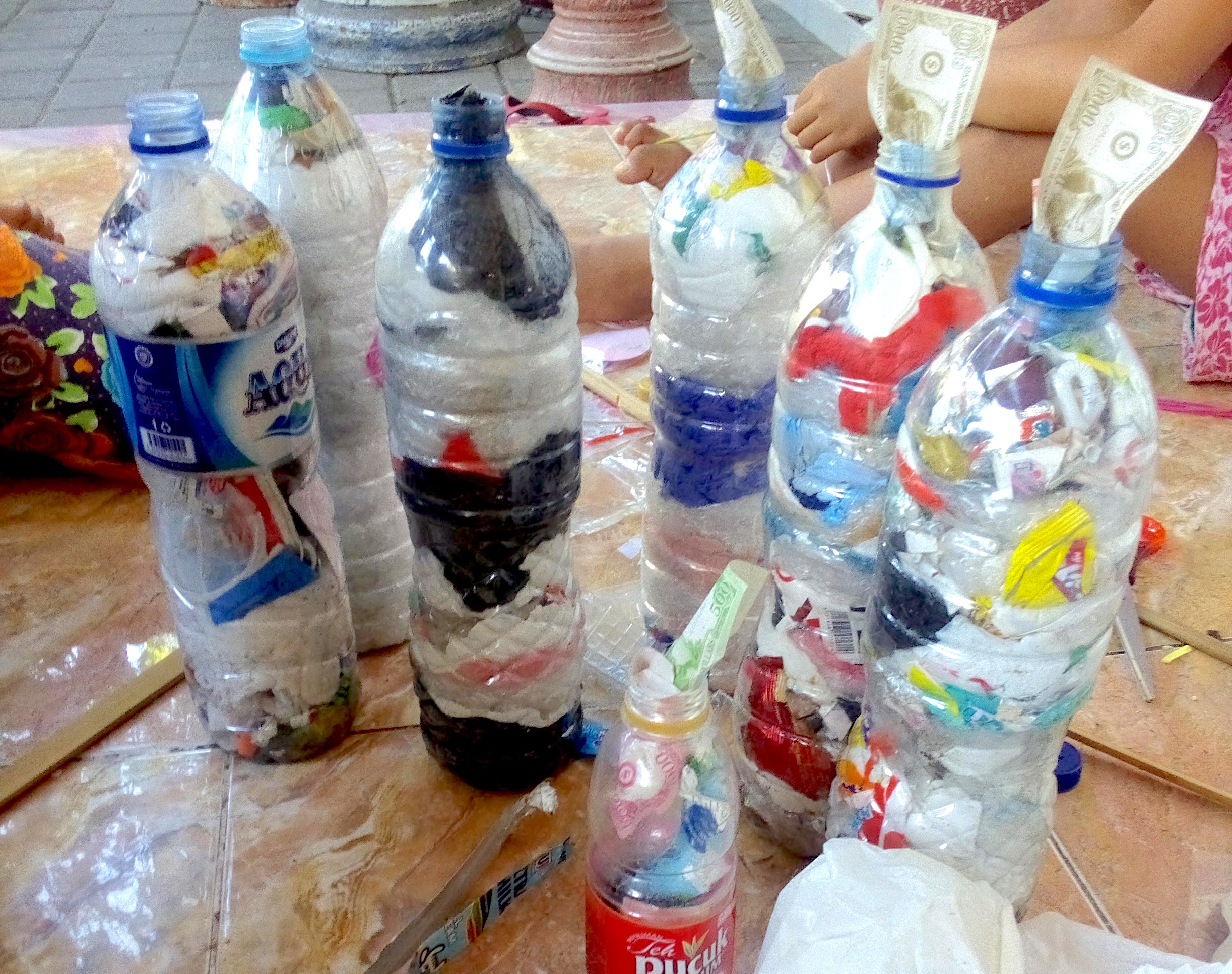
Community members collect and compact soft plastics (bags, wrappers, sachets, styrofoam, cigarette butts, toothpaste tubes, and other non-recyclable plastics) into empty 500mL and 1.5L PET bottles
Each properly compacted 1.5L (or 3 x 500mL) Ecobrick earns one “Ebblet” token
Ebblets can be exchanged at participating local stores for goods valued at 5,000 Indonesian Rupiah per token
Participating stores will offer refillable containers and bulk quantities of common household products typically sold in single-use packaging. The pricing structure includes the value of sequestered plastic (1.5L bottles) plus a 10% sales tax and 15% operations budget.
This system creates immediate economic value from waste materials while building a sustainable supply chain for our construction initiatives and reducing environmental contamination.
Turning Plastic Waste Into Sustainable Solutions: My Journey With Ecobricks and Bamboo
Ecobricks: Rethinking Plastic Waste
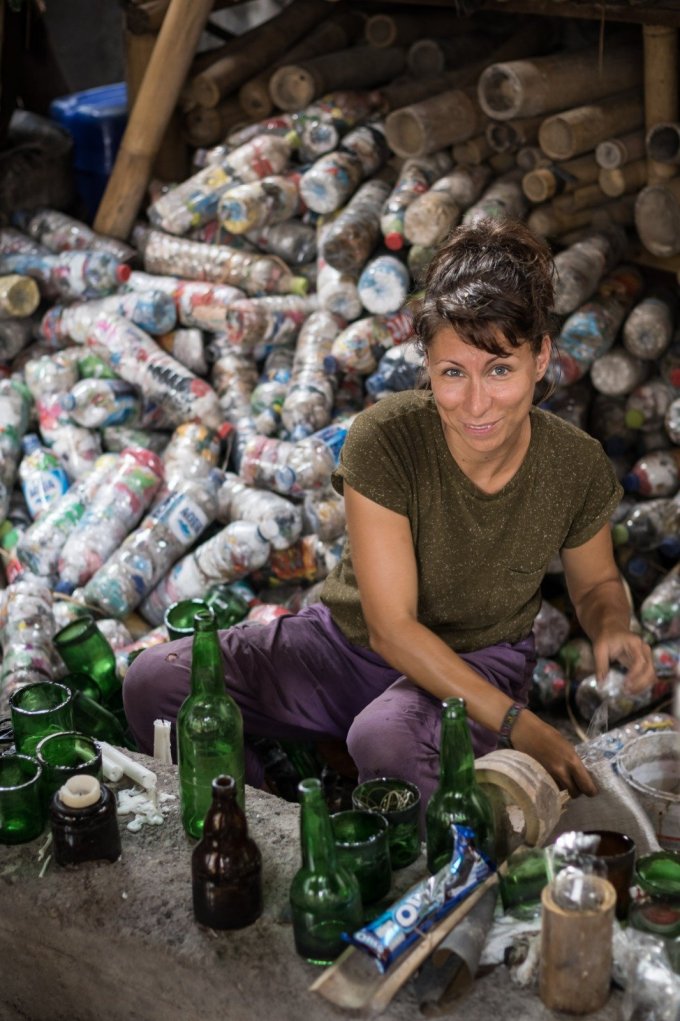
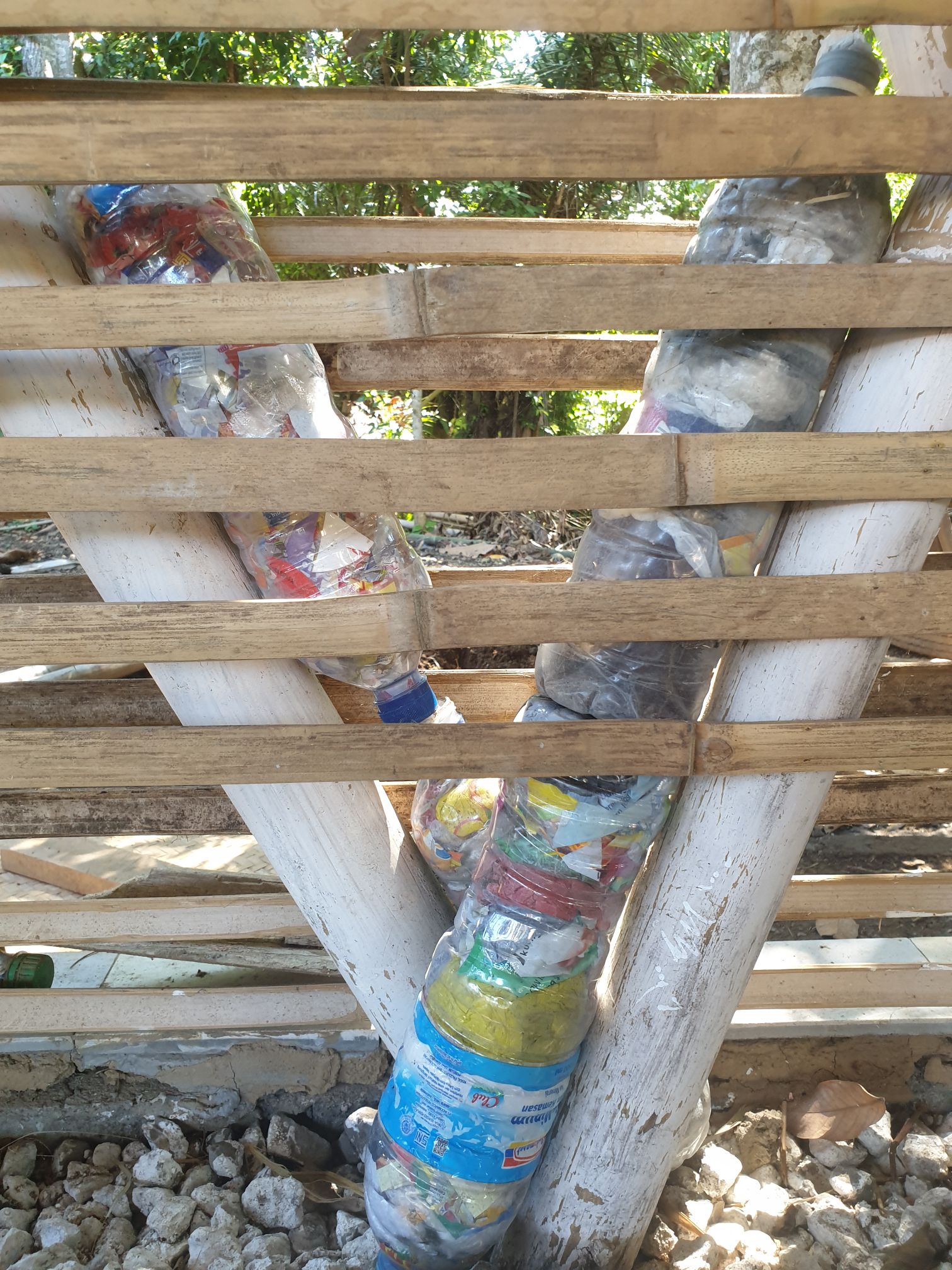
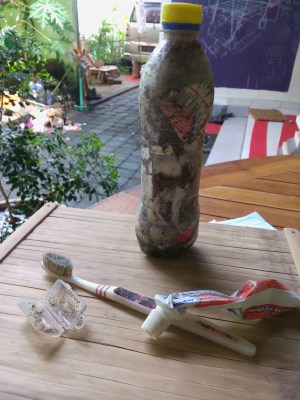
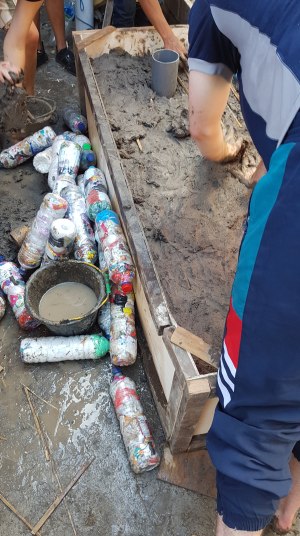
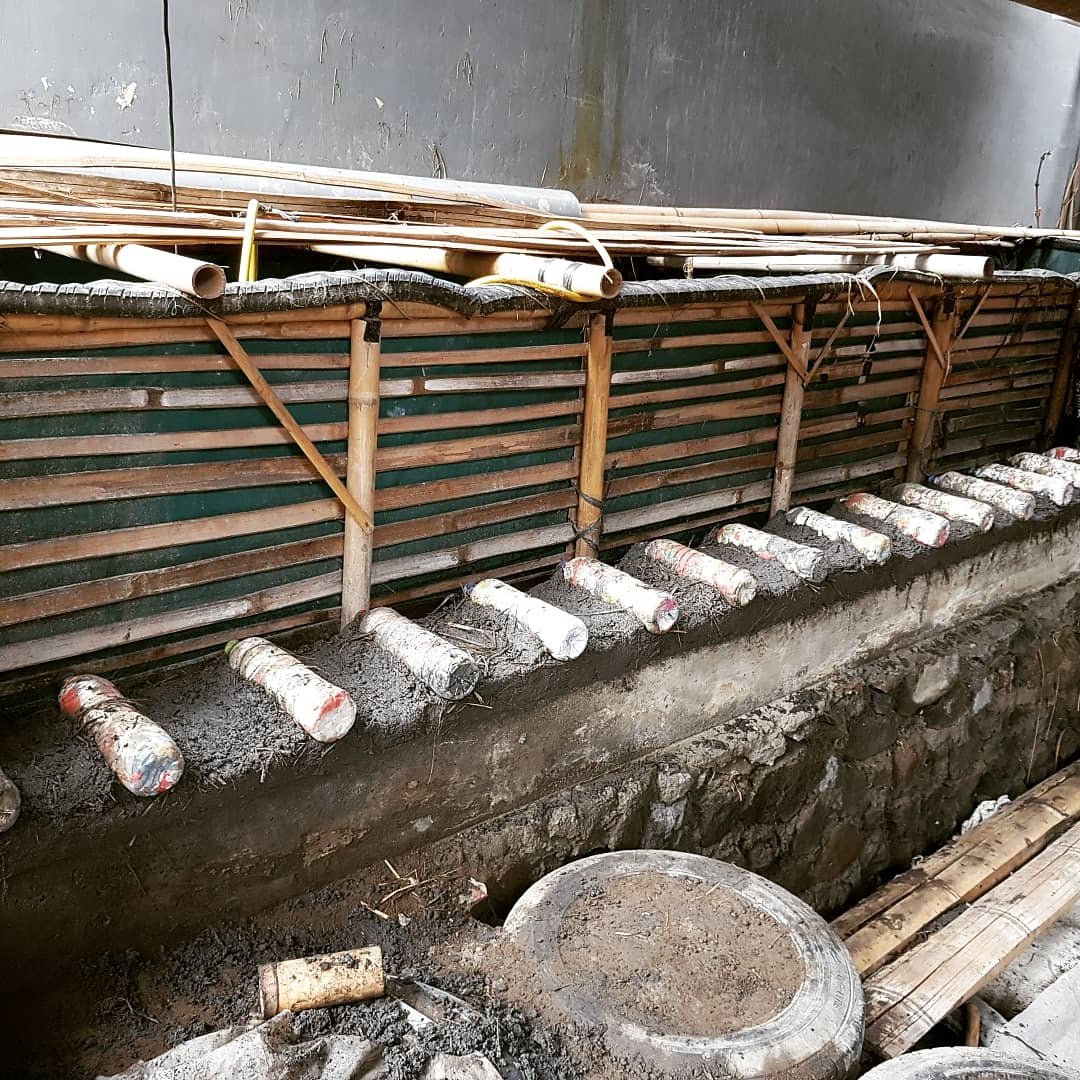
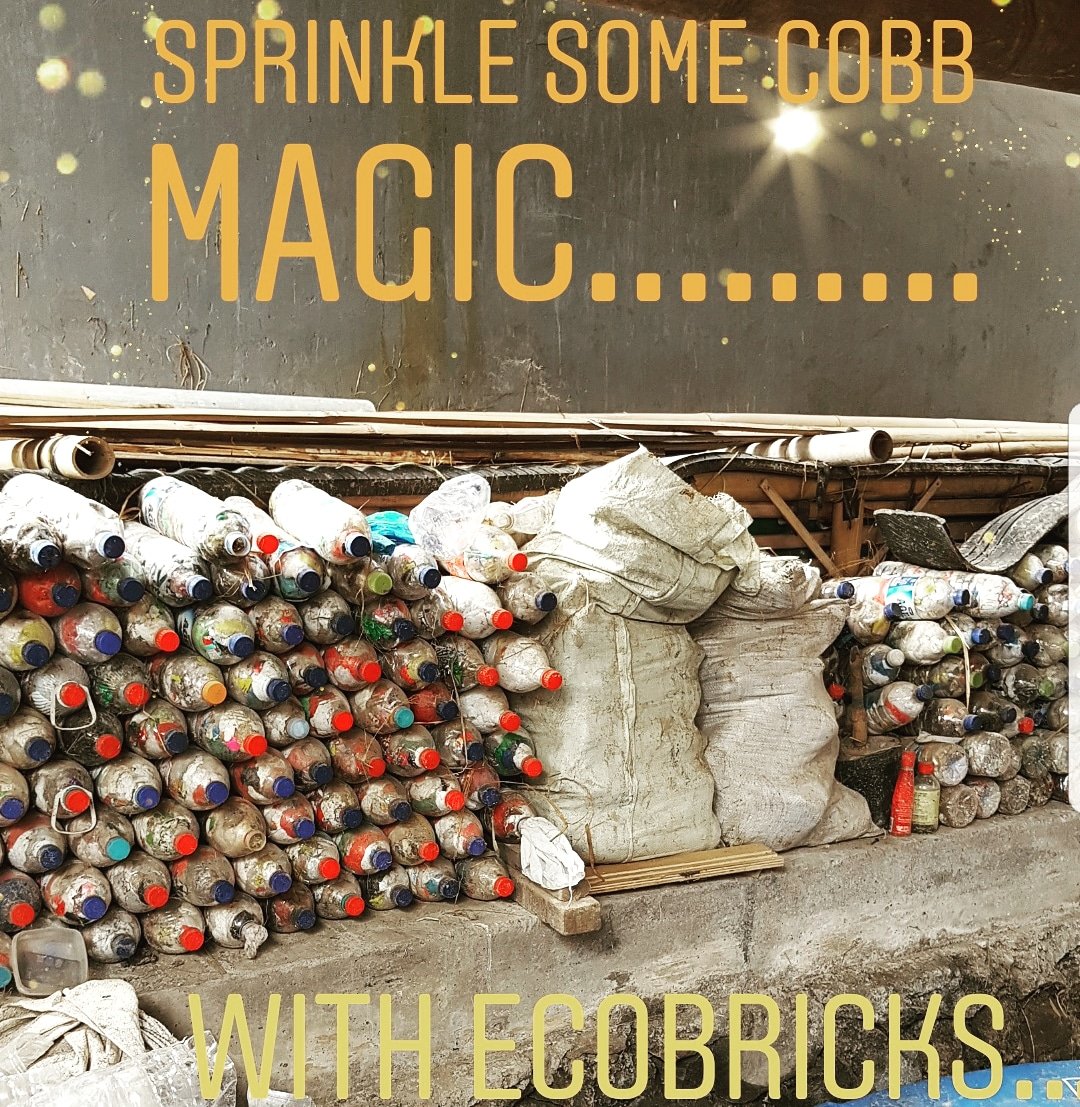
Ecobricks are a simple yet powerful solution: by tightly packing soft plastics into used PET bottles, we create sturdy “bricks” that can be used for building. This process not only diverts non-recyclable plastics from landfills and oceans but also offers a sustainable, low-cost alternative to traditional construction materials. Ecobricks have been used in walls, benches, furniture, and even entire buildings—demonstrating their versatility and strength.
Sustainable Bamboo Design?
For Bamboo to become the “sustainable building material of the future”, we really need to come up with designs that are compatible with every-day people’s needs, and which are “prestigious” and yet “affordable” enough to draw people away from the current trend/ preference of building with “cement and tile”… When you do the math, an earth and bamboo building is way more efficient cost-wise and in terms of the energy requirements to keep a comfortable living temperature – but there aren’t many examples of such buildings which “normal” people can afford. And if you’ve followed me for a while, you’ll know that this is part of what drives me… to build with bamboo.
For anyone who has experienced living in a bamboo building, you’re likely familiar with its limitations regarding sound isolation and thermal regulation. Creating enclosed spaces without compromising ventilation presents a significant challenge. Some designs incorporate glass or cement walls to address these issues, but this typically necessitates air conditioning… And let’s not forget the wildlife factor! Living in a bamboo house can feel a bit like a “My Family and Other Animals” experience, and Urban environments add another layer of complexity with local cats forever on their territorial prowl to mark their space. (hence my obsession with developing designs withmore substantial walls and animal-resistant screens.)
Join our DesignMind group and be part of our International Collab brainstorming and demonstrating the possibilities of combining bamboo with other natural and recycled materials to make attractive AND affordable buildings! We will be taking this design on our Bamboo4Africa journey in January next year… Become a member of Bamboo Creative Bali to receive lodging and discounts for specialised family group and VIP individual programs:
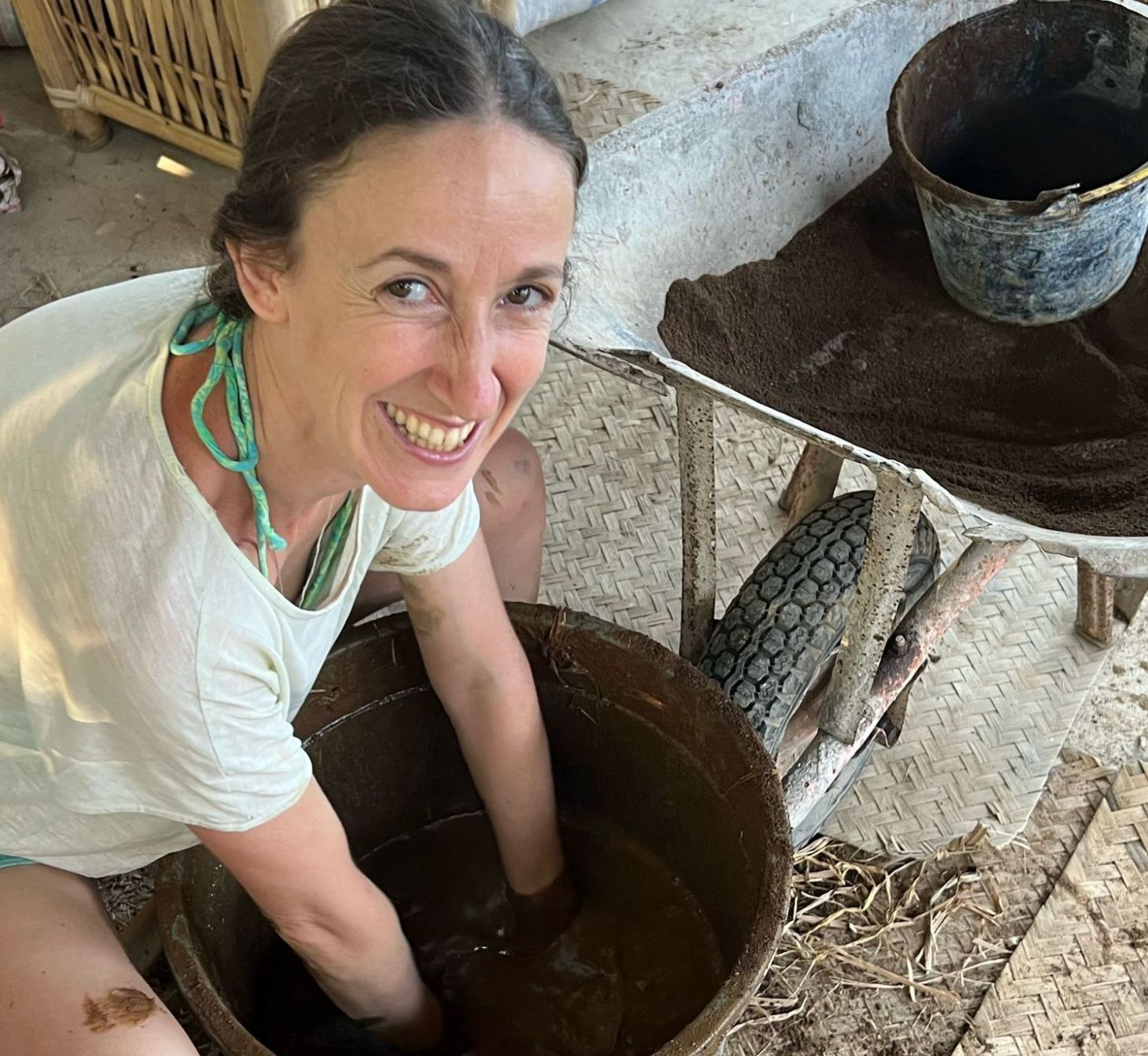
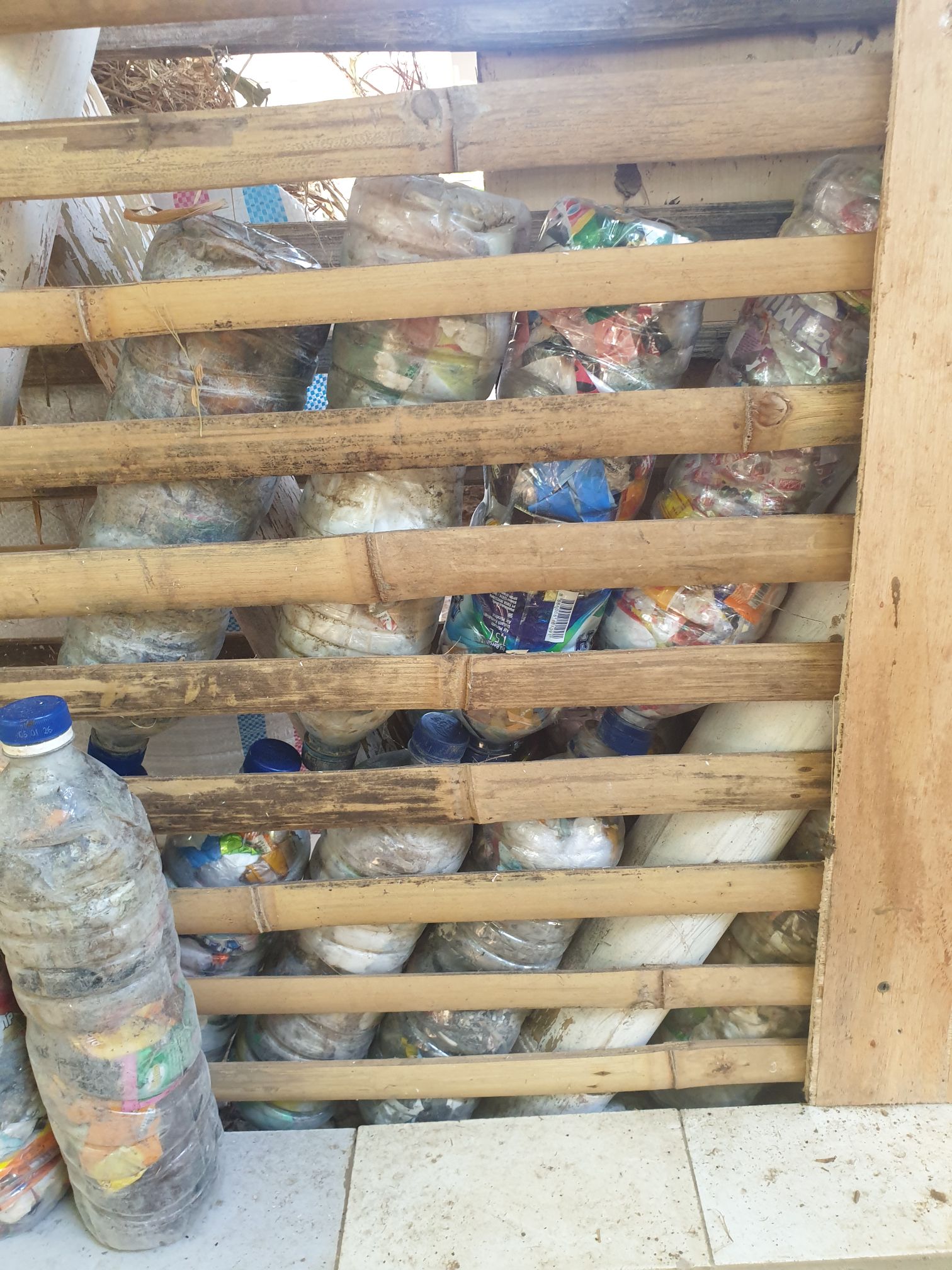
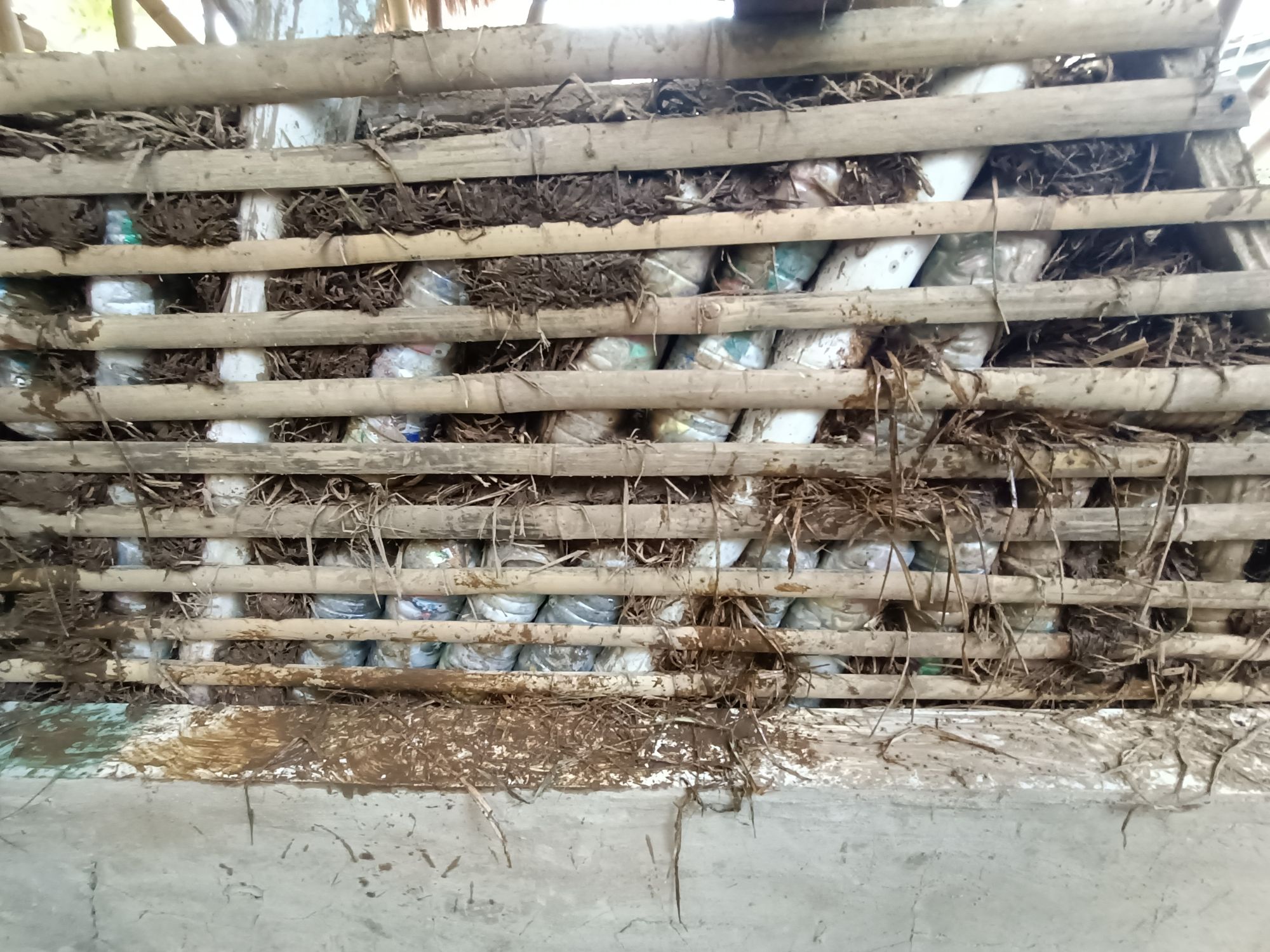
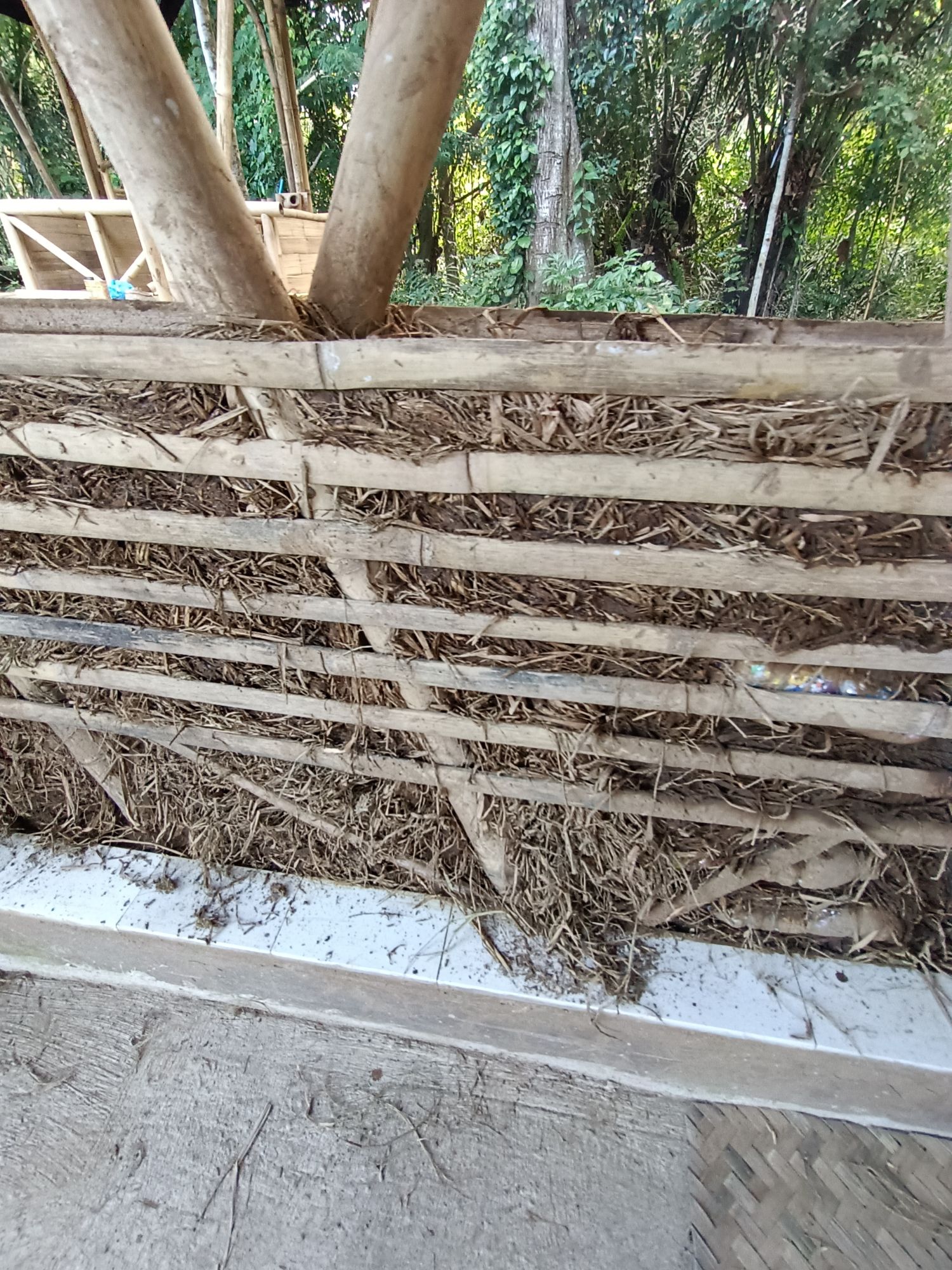
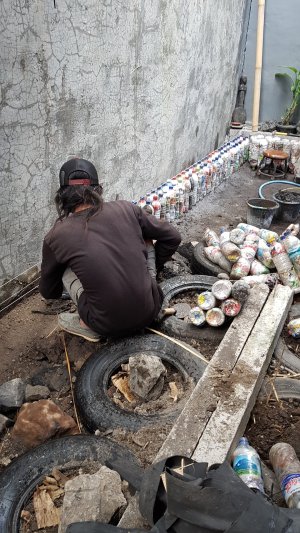
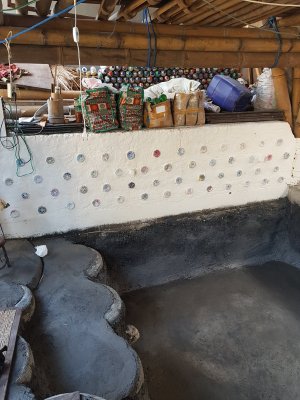
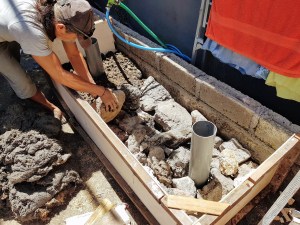
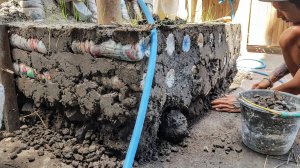
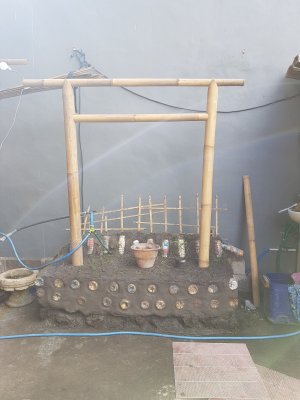
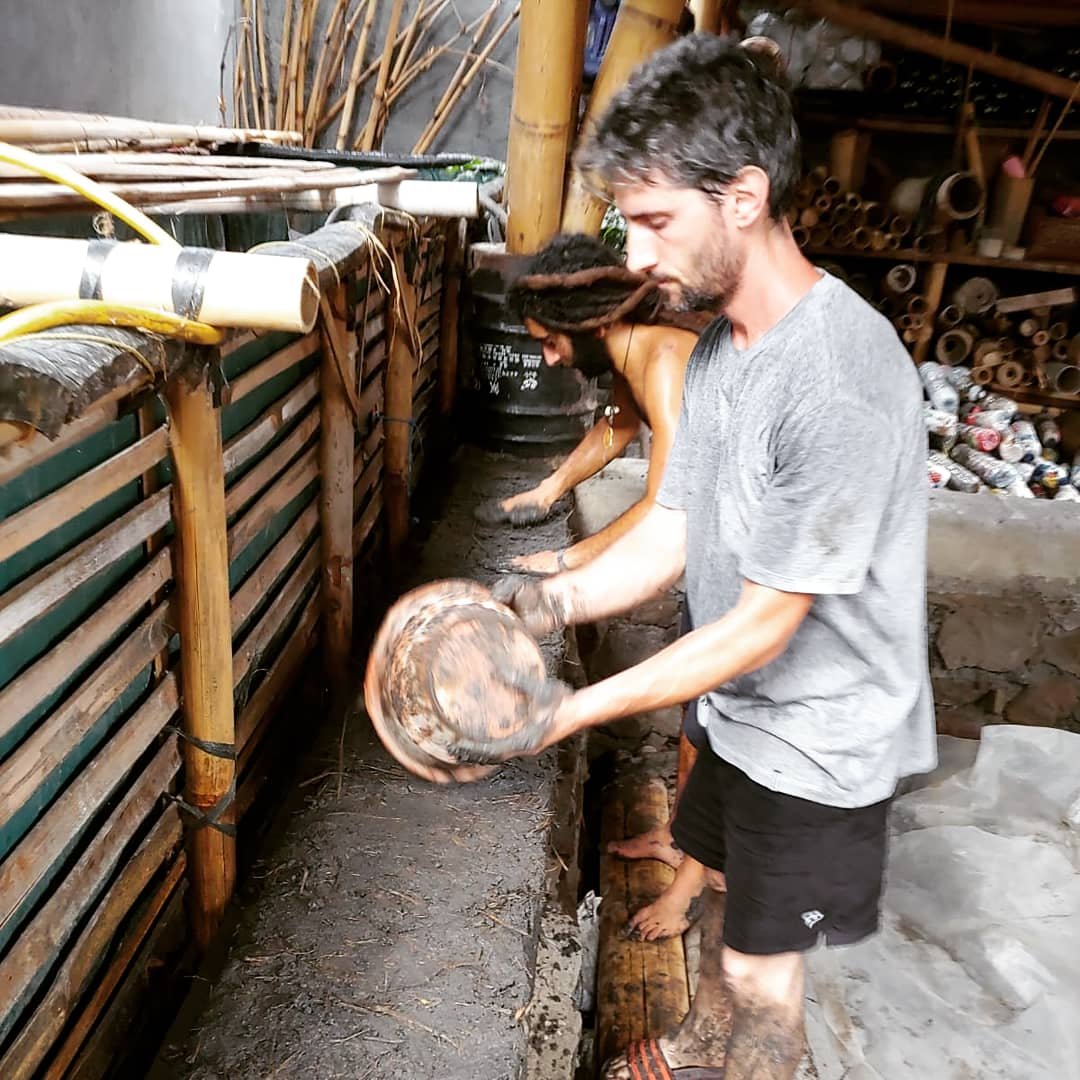
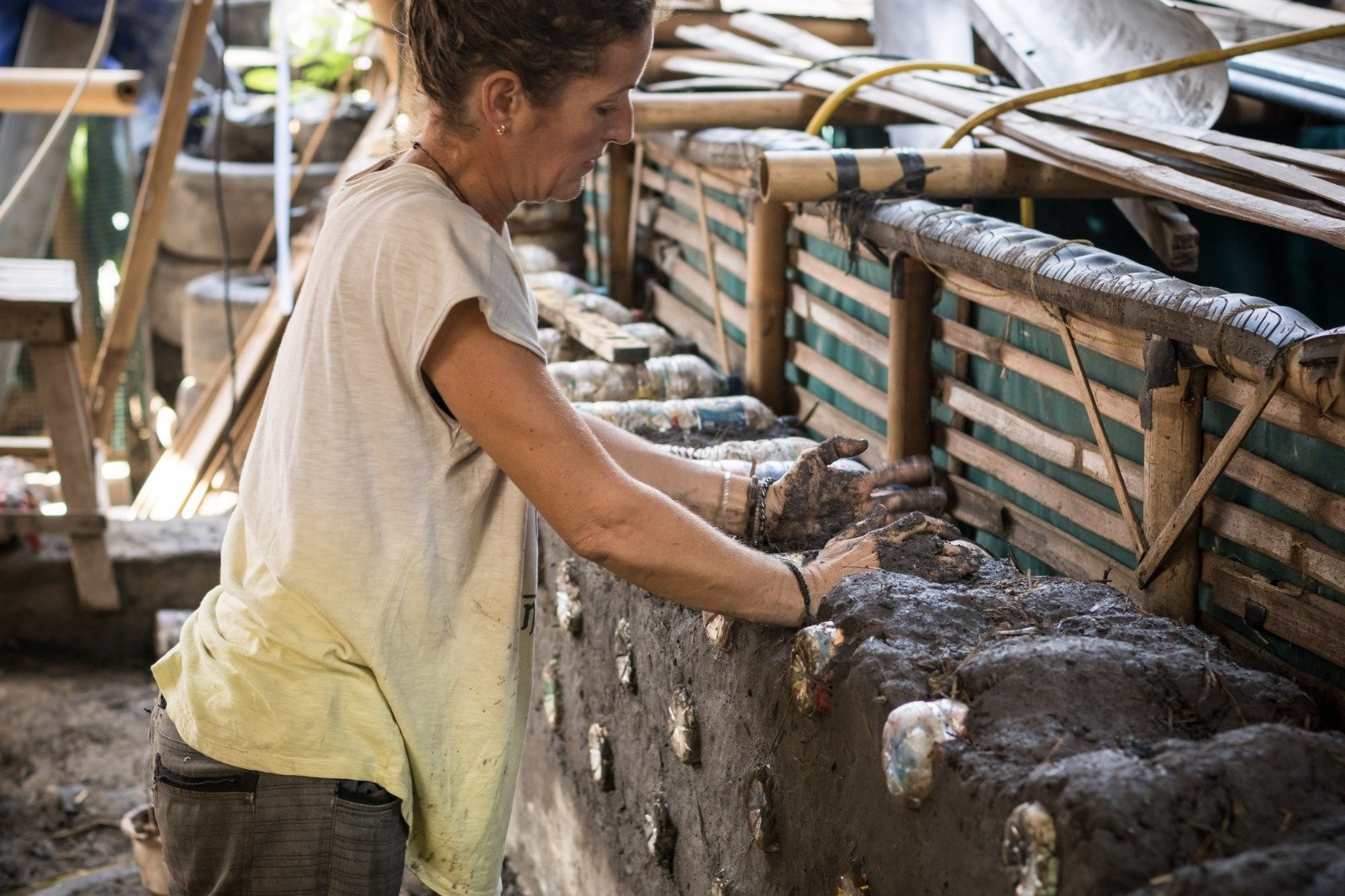
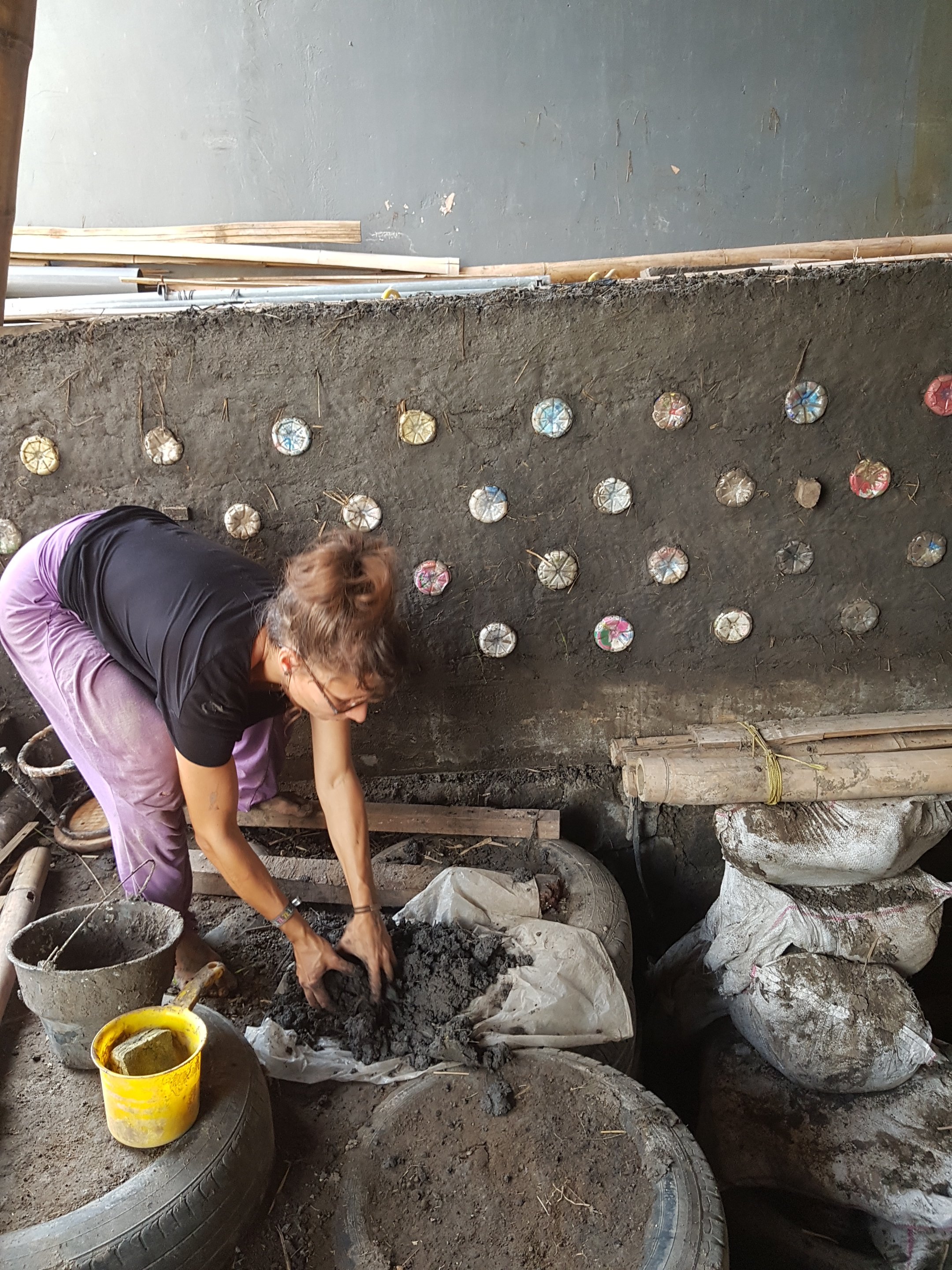
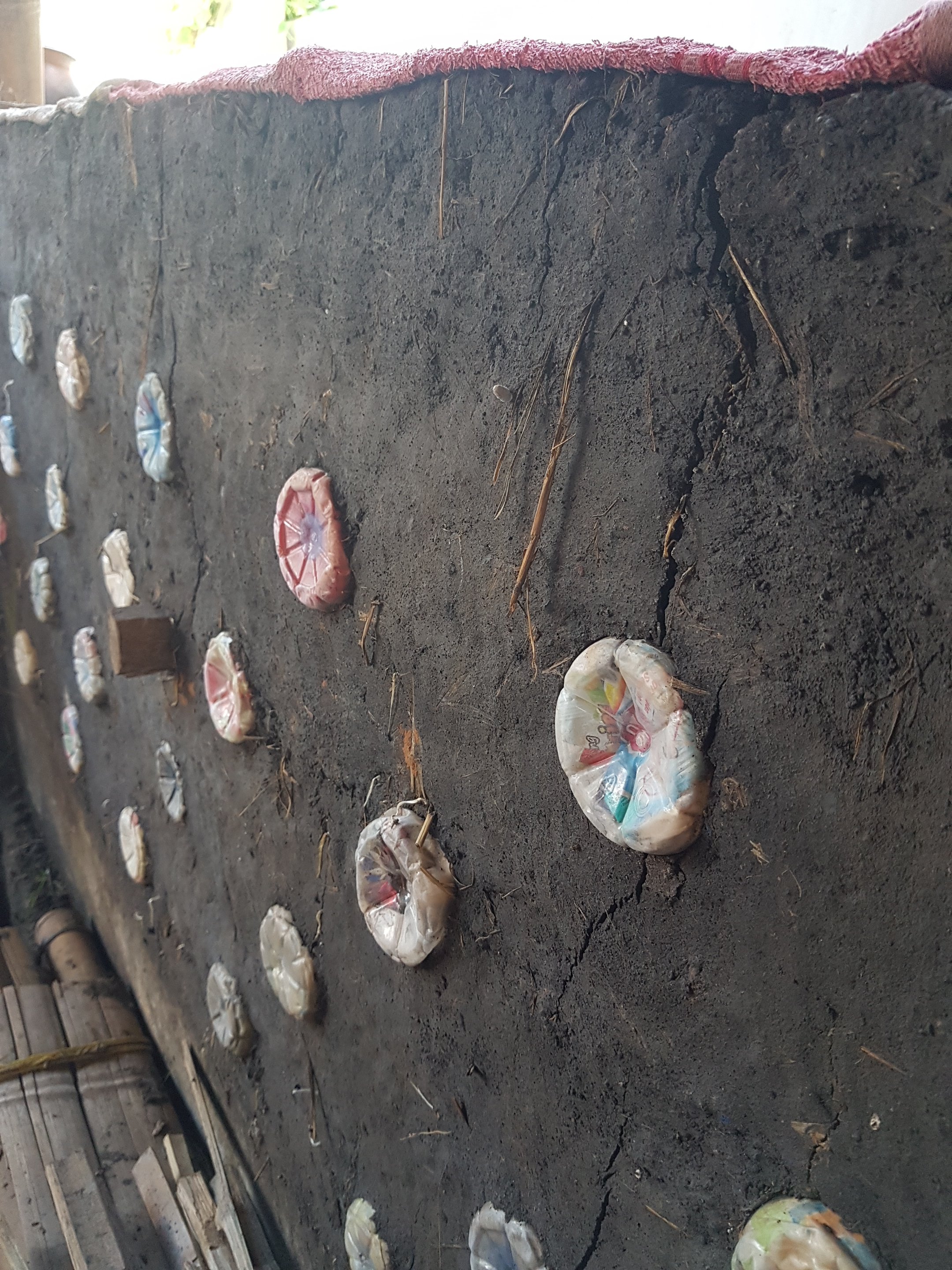
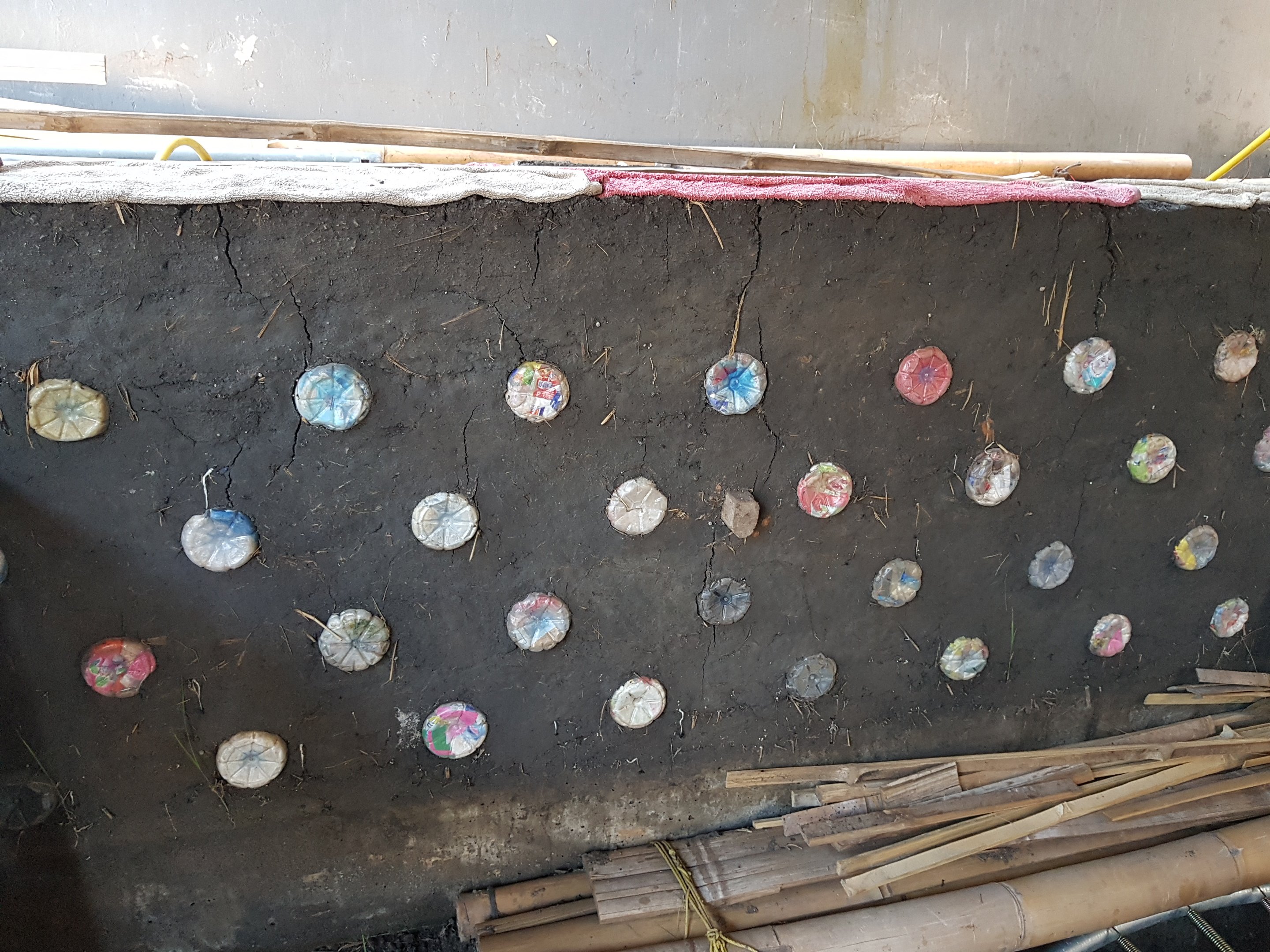
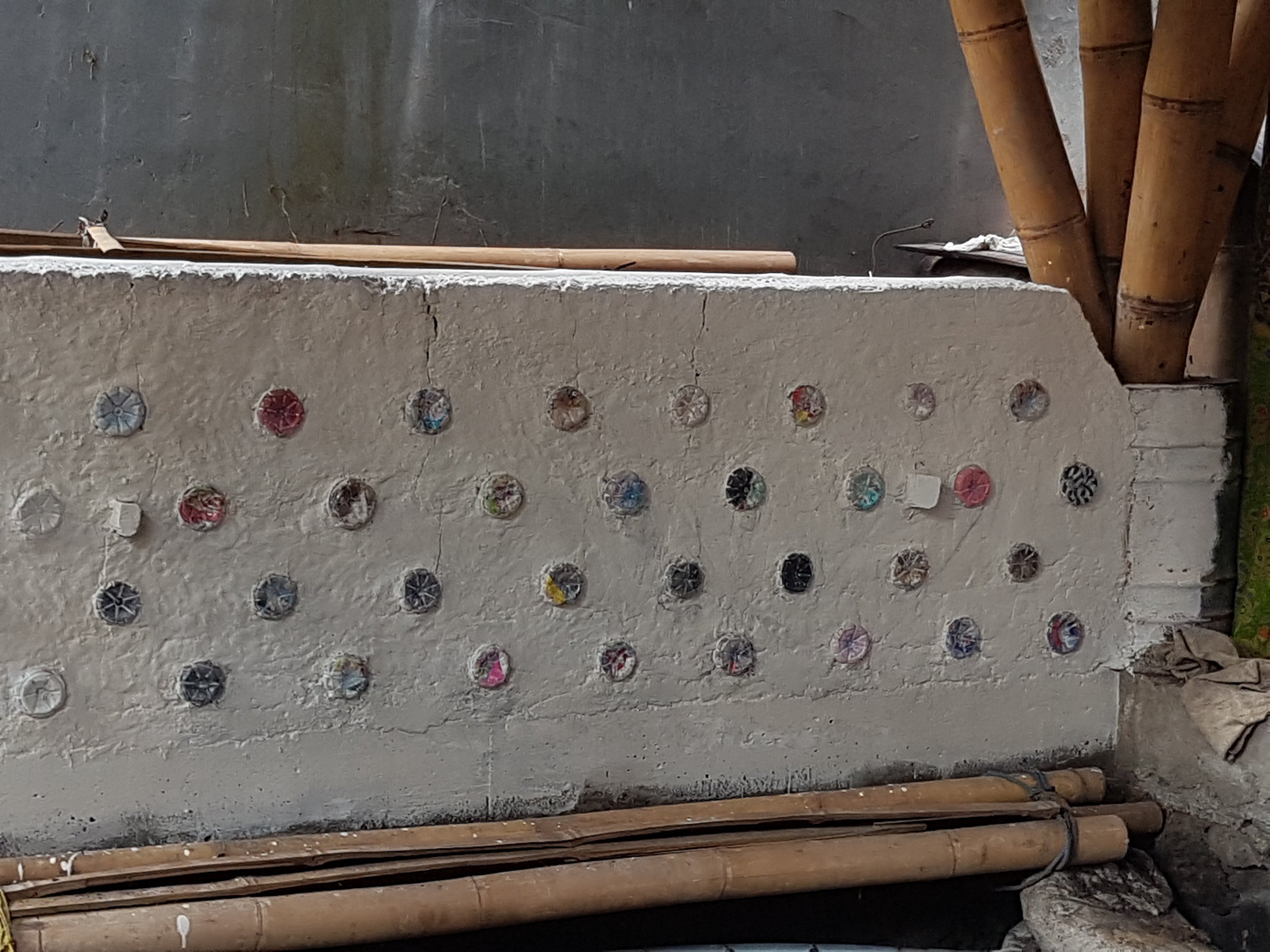
Last year, I experimented with a bamboo-frame wall, infilled with clay-straw and Ecobricks. The result was a surprisingly solid structure, combining the renewability of bamboo with the insulating properties of Ecobricks. The wall simulated a hyperboloid structure, using bamboo splits for reinforcement and a movable plywood formwork. The spaces around the Ecobricks were filled with a mix of wet clay and straw, then finished with a rough clay and ash plaster. The outcome was not just functional, but also a testament to what’s possible with sustainable design.
Building for the Future: Bamboo, Ecobricks, and Beyond
This year, we’re taking things further with a three-month program to build a bamboo and light-clay straw “eco-tourism” structure. Bamboo is an incredible renewable material, but it comes with challenges—especially when it comes to insulation, soundproofing, and pest control. By integrating Ecobricks and clay-straw infill, we aim to create a more solid, comfortable, and animal-proof living space, all while maintaining natural ventilation and minimizing the need for energy-intensive solutions like air conditioning.
But our vision doesn’t stop at construction. We’re developing a circular economy model that includes waste separation, plastic recycling, and even organic waste management using Black Soldier Fly (BSF) systems. These systems can convert organic waste into feed for chickens and fish, reducing reliance on industrial feed and supporting local food systems.
Empowering Communities: Skills, Incentives, and Outreach
The greatest need for sustainable building skills is at the village level, where people still have traditional knowledge of farming and bamboo construction and still reside on their traditional land (hopefully unburdened by bank loans). By introducing Ecobricks and modern eco-building techniques, we can make these practices more sustainable, affordable, and attractive—helping communities resist the pressures of urban migration and land conversion.
To incentivize participation, we’ve introduced a waste-separation currency system called Ebblets. For every 1.5L Ecobrick made, community members earn an Ebblet, redeemable for goods at local stores. This system not only rewards plastic sequestration but also encourages the use of refillable containers and bulk goods, reducing single-use packaging even further.
We plan to gain support to bring our 3 week bamboo building programs to communities who alter the plastic throw-away habit – and instead sequester their single-use plastic into Ecobricks!! This will bring hands-on learning for bamboo treatment and building skills, and produce a small structure for the local community where the programs are held. The workshop will offer hands-on programs where participants can learn bamboo preservation and building, plastic upcycling, and circular economy principles.
Graduates of our three-week programs can volunteer as assistants on these builds, while three-month graduates can become facilitators in our wider international collaborations.
Join the Movement: Be the Change
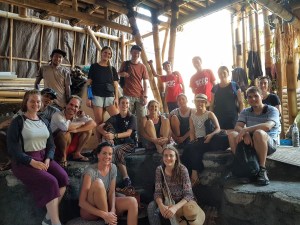
Our monthly Karma Yoga community days are a chance to make Ecobricks, Ebblets, and bamboo toys, while sharing knowledge and building connections. By working together, we can create a circular economy around plastic, organics, and appropriate technology—empowering communities, protecting biodiversity, and building a more sustainable future for all.
If you’re passionate about making bamboo building attractive, affordable, and accessible, join us. Be the change—experience sustainable construction, circular economy thinking, and the satisfaction of building for the future with your own hands.
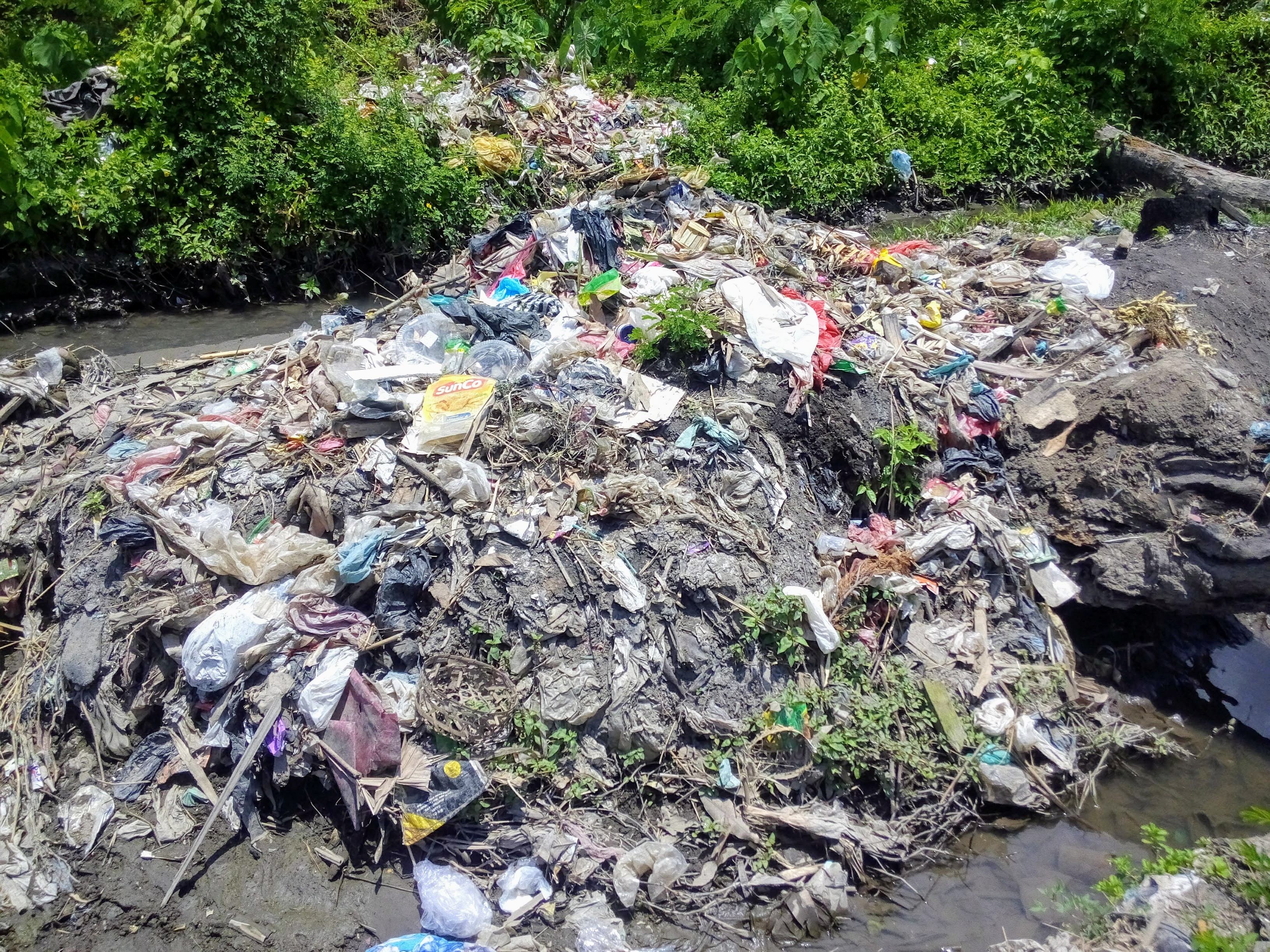
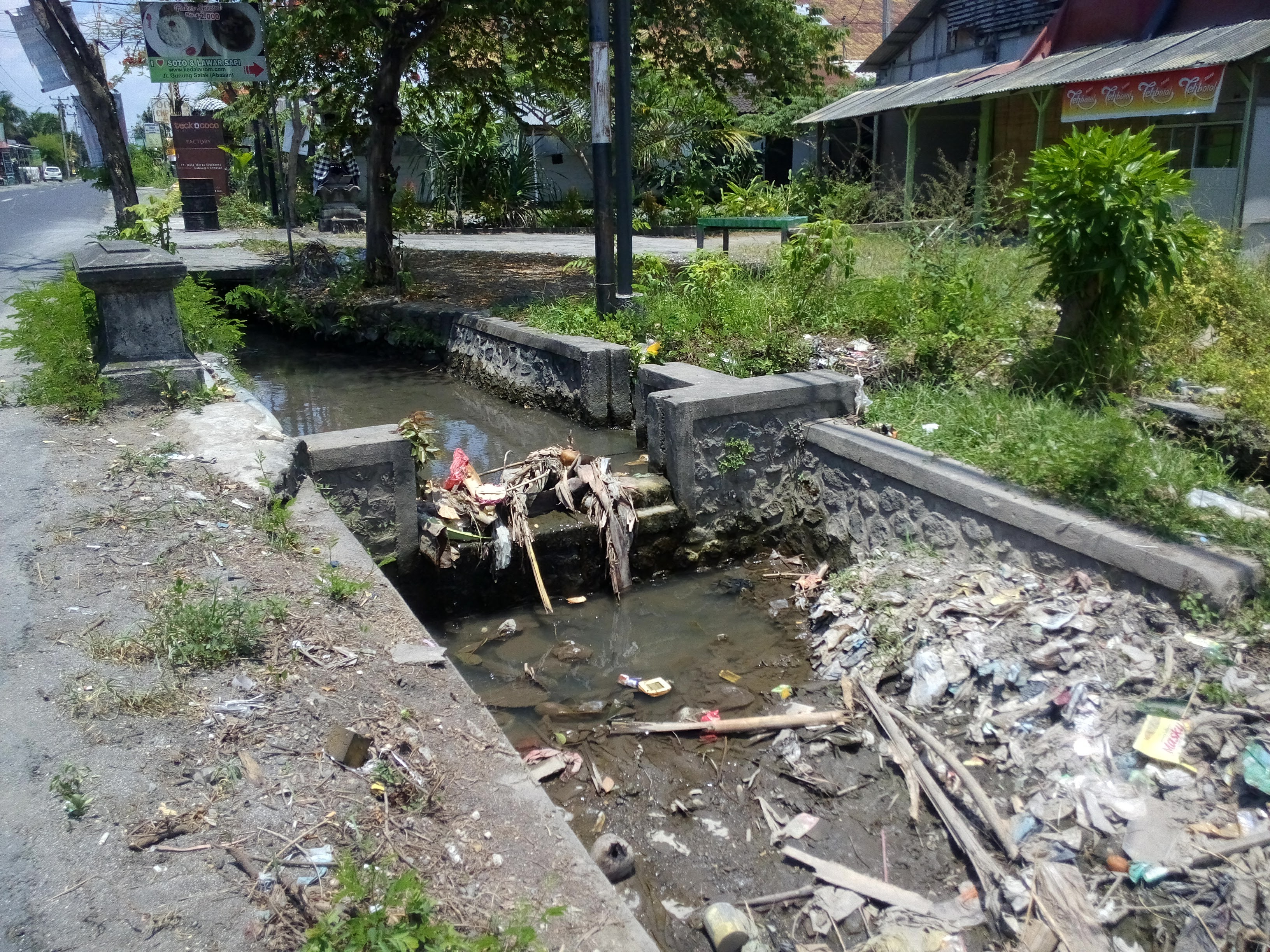
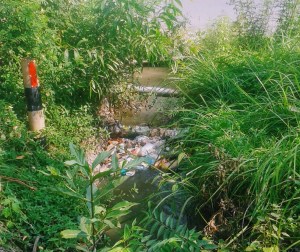
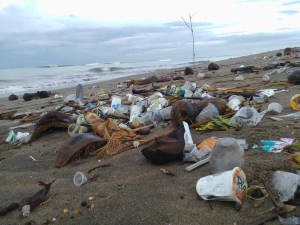
Currently most plastic waste is burned or dumped in empty lots or drains leading to the ocean. Burning plastic has been shown to cause brain cancer, and plastic residues leech synthetic estrogens and other toxins and hormone-disruptions chemicals into the environment and groundwater. Studies show the detrimental effects on reproductive health of invertebrates – which are traveling up the food chain as we speak – and are already being expressed (endocrine disruption affecting fertility and gene mutation). Ecobricking prevents plastics ending up in landfill and the air we breathe – and until plant-based non-toxic plastics become the norm, short of depriving the global south of the products packaged in single-use synthetic plastics, Ecobricks stand as an innovative method of sequestering plastic and protecting the environment and ourselves!.
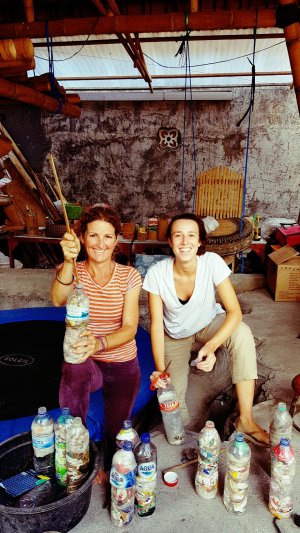
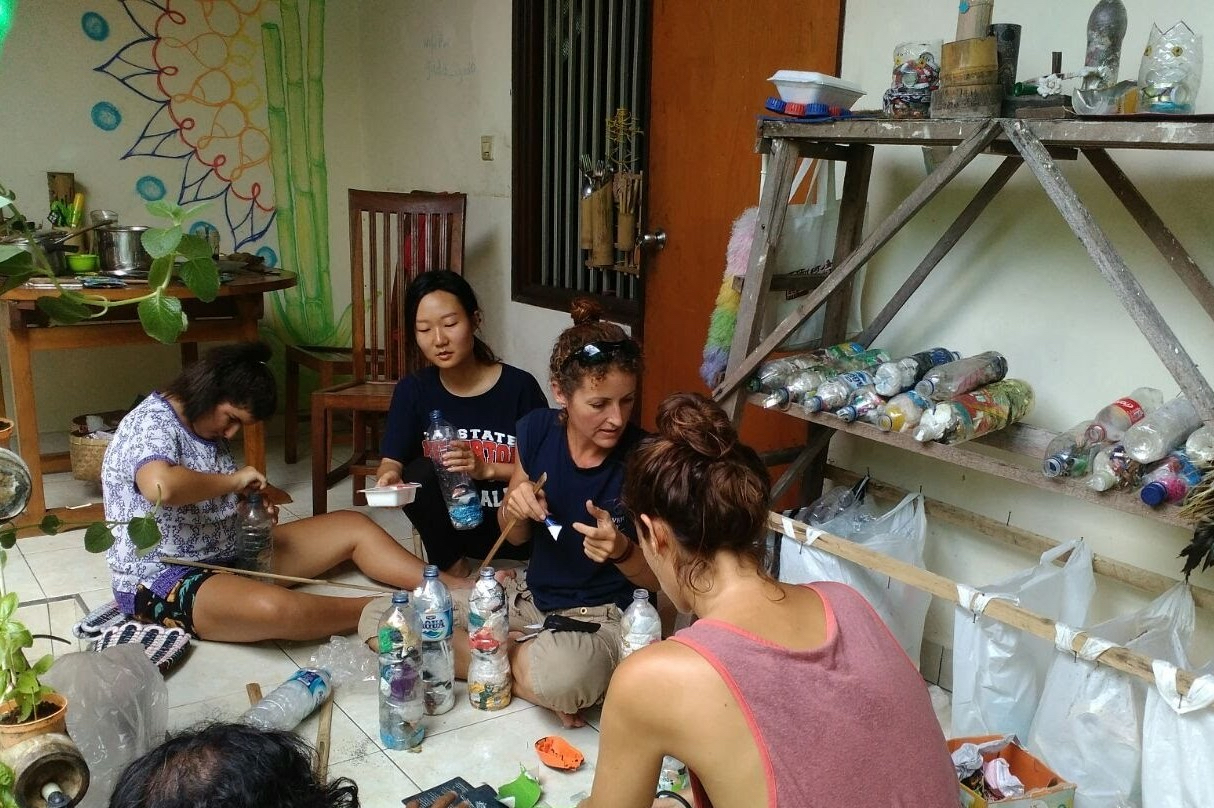
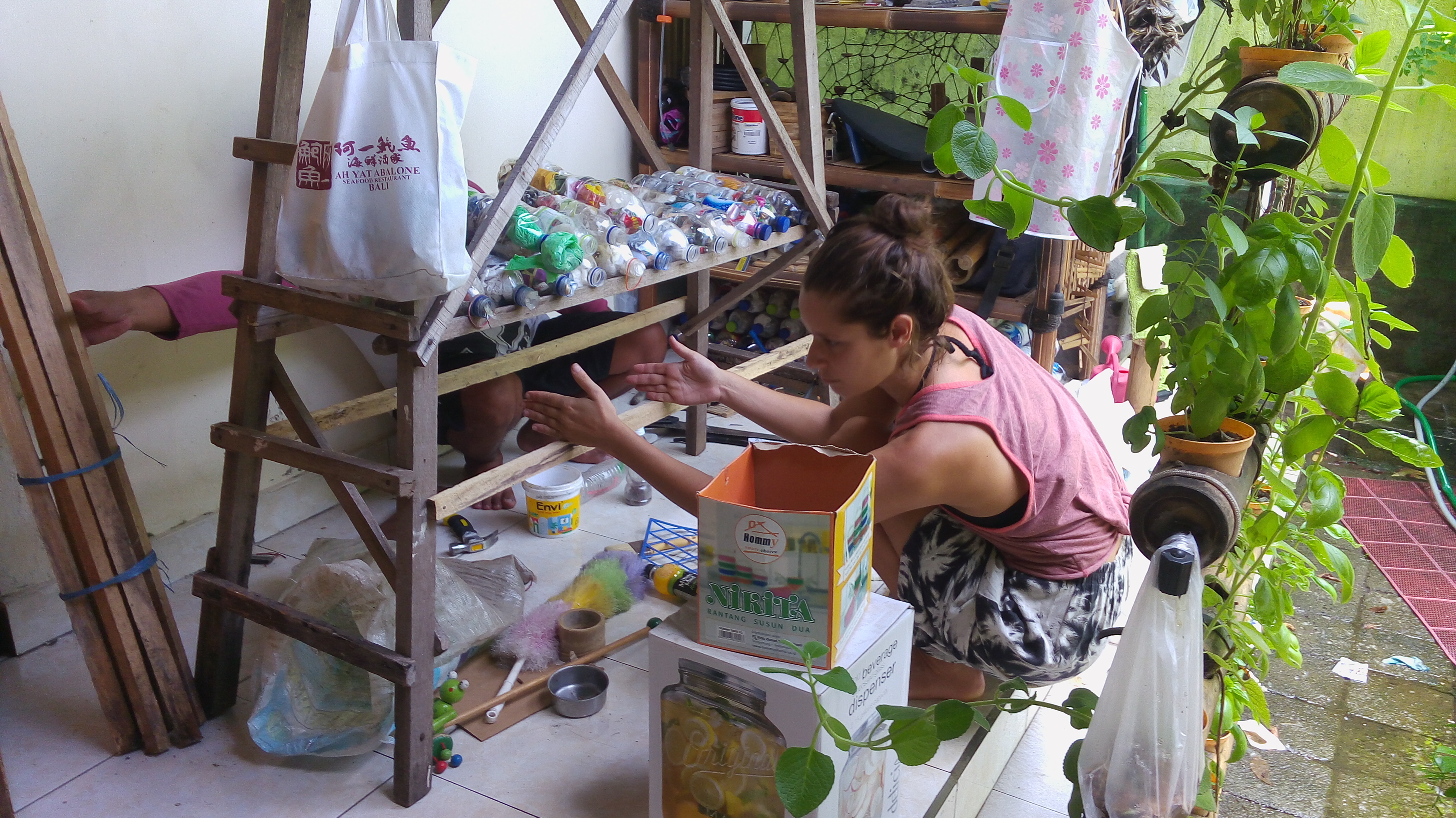
We are encouraging people to put their plastic waste into bottles instead! And to then build with them.
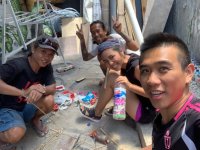
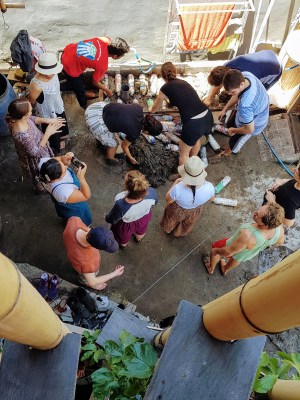
It’s not quite a knitting circle but is a good opportunity for a chin-wag…
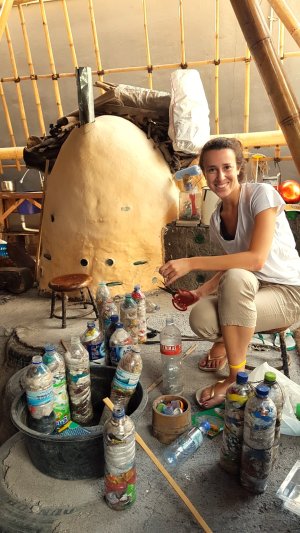
Ecobricking is a great hand-eye co-ordination activity …. and stops your breasts from sagging too.
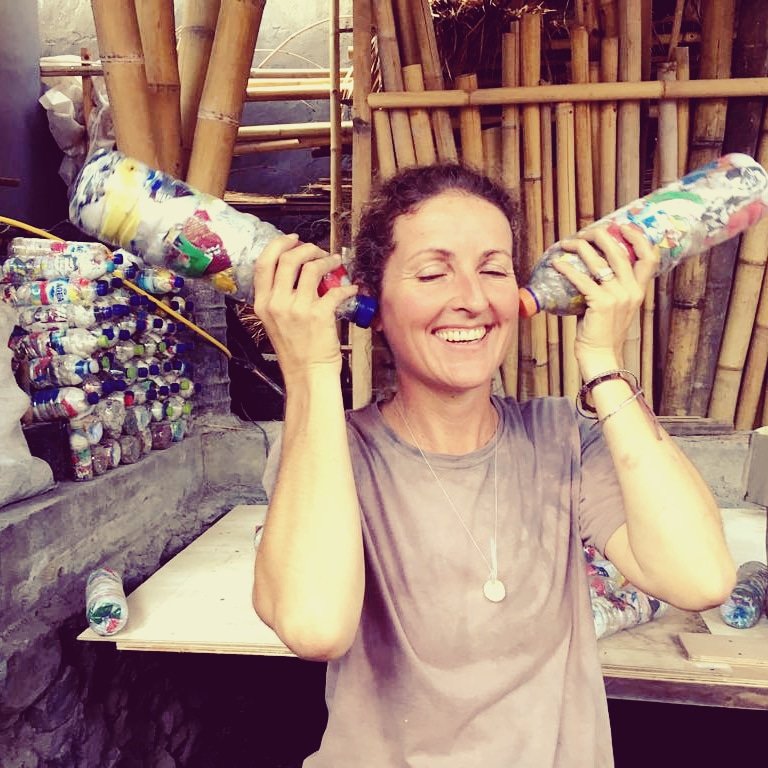
The mighty ECObrick!
We are working to develop and share these skills and spread Ecobrick Fever far and wide!
Our vision is to deliver integrated bamboo education directly to villages through our Outreach Programs. These programs will consist of a Harvest and Treatment, Preparation and Processing, and Live Build programs where we invite travel groups to join a locally-based community project and help coordinate locally to generate local support and provision for the program while helping establish the circular economy (waste) aspect and network within the community to generate its own income stream through cultural “tourism”.
Graduates from our 3-week courses can join as volunteers or assistants on community builds, and apply their bamboo skills and knowledge. Those completing our comprehensive 3-month program can advance to teaching positions within our International Collaboration initiatives.
This approach creates a self-sustaining network that simultaneously expands practical bamboo construction expertise while addressing single-use plastic waste through our community-based Ecobrick Challenge programs.
Join our Sunday Ecobrick Karma Yoga and Recycling Activities; Find out more about our OUTREACH ADVENTURES to enable remote communities access to sustainable skills and technologies… Sign up here for notifications of our adventure plans:
Processing…
Success! You're on the list.
Whoops! There was an error and we couldn't process your subscription. Please reload the page and try again.
Ecobrick-How: Bottle bricks are basically empty plastic bottles stuffed with plastic trash. Image courtesy of http://www.ecobricks.org
By seeing trash as valuable, we hope to help encourage habits that prevent degradation of the environment and provide a low cost building material…
We offer tailored workshops for groups and individuals wanting to combine/learn specific skills for ECO-BUILDING with Trash, Earth-building (Cob) and … Bamboo of course!
From Plastic Hunts to Ecobrick and Bamboo Workshops – we invite you to explore the possibilities of plastic sequestration, up cycling, building and cultural exchange with us!
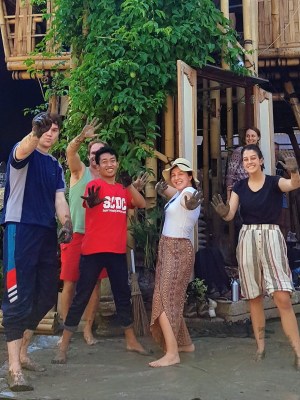
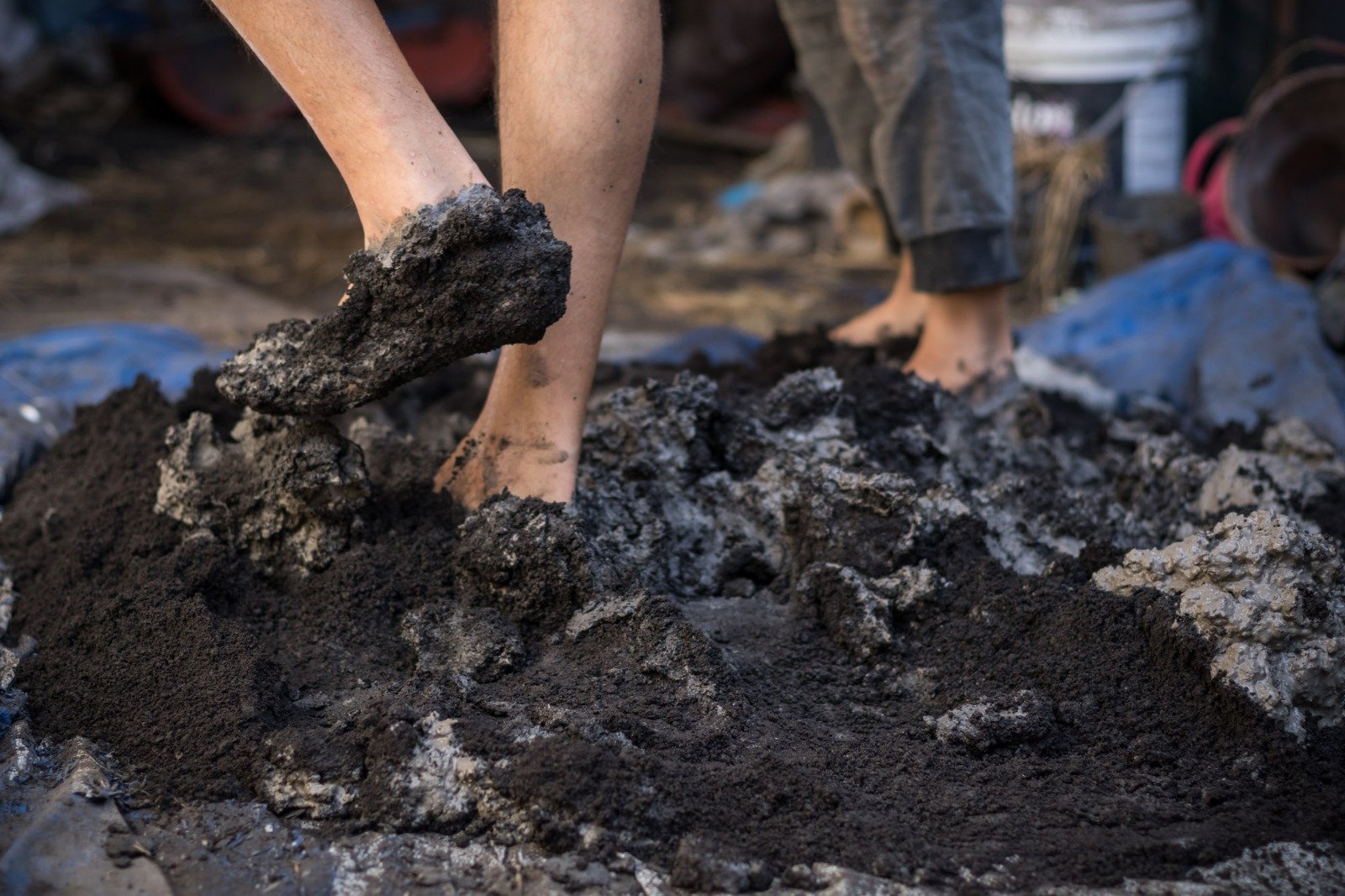
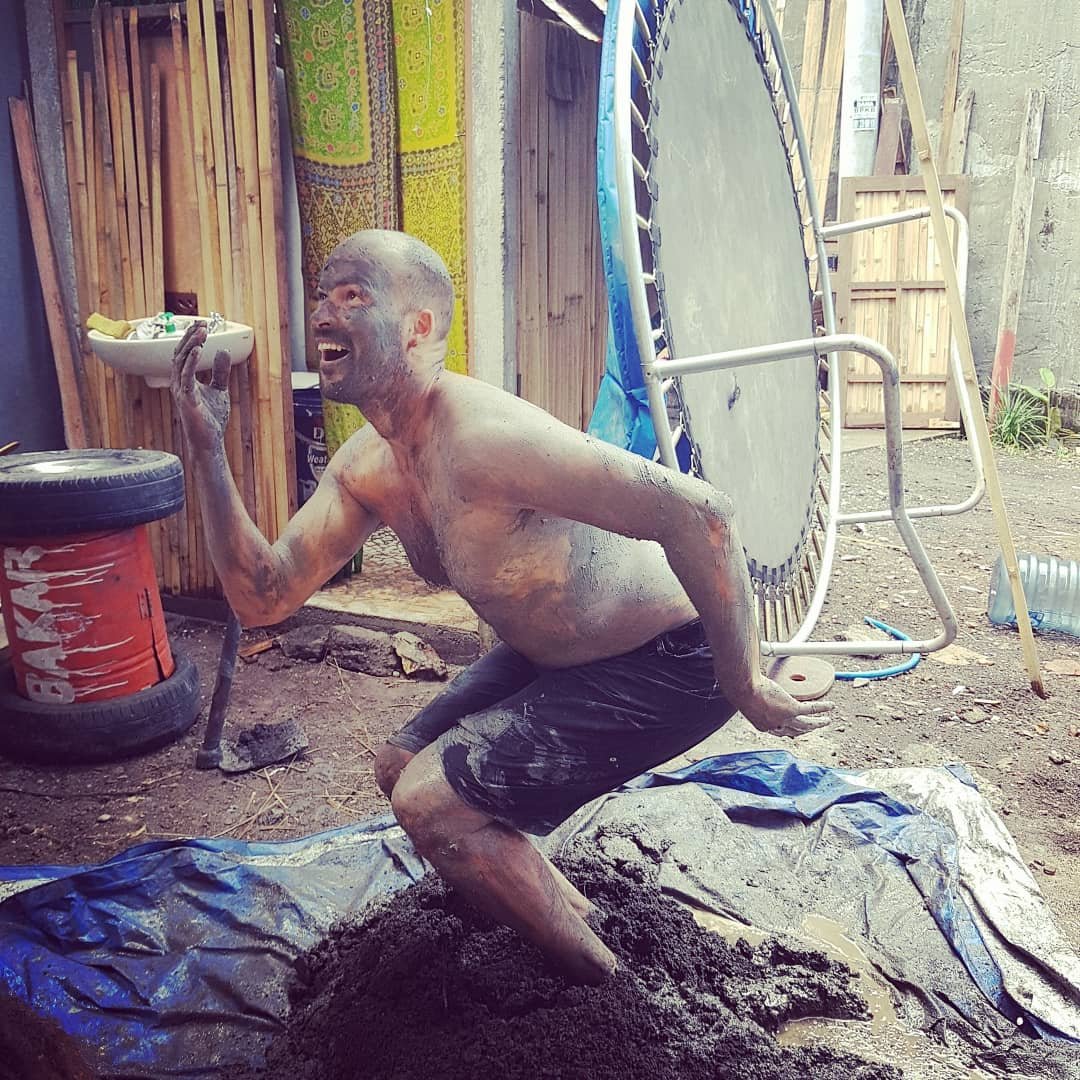
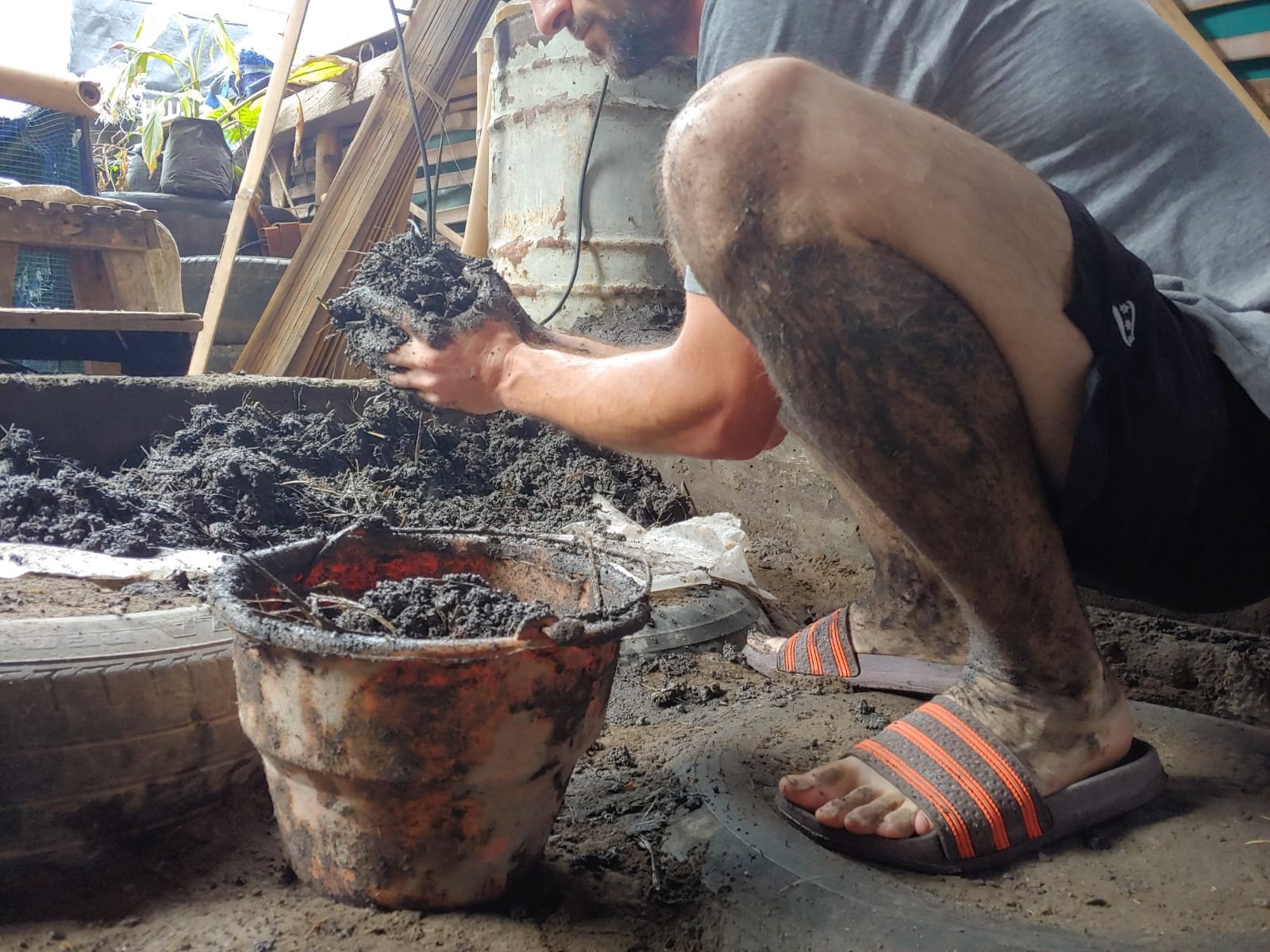
Xavier from http://www.koluba.org who came to share skills for making Cob Structures with usBuilding a Cob and Ecobrick wallSquishy fun exercise with Cob: a mix of sand, clay and dry grass to make building structures instead of cement/brickCob-liberation!!! All we need is Earth, Sky, Air, and a bit of mud to roll in 😉Sarah – one of our Helpers and Master Bottle Cutter
Karma Yoga – Join the Movement: Be the Change
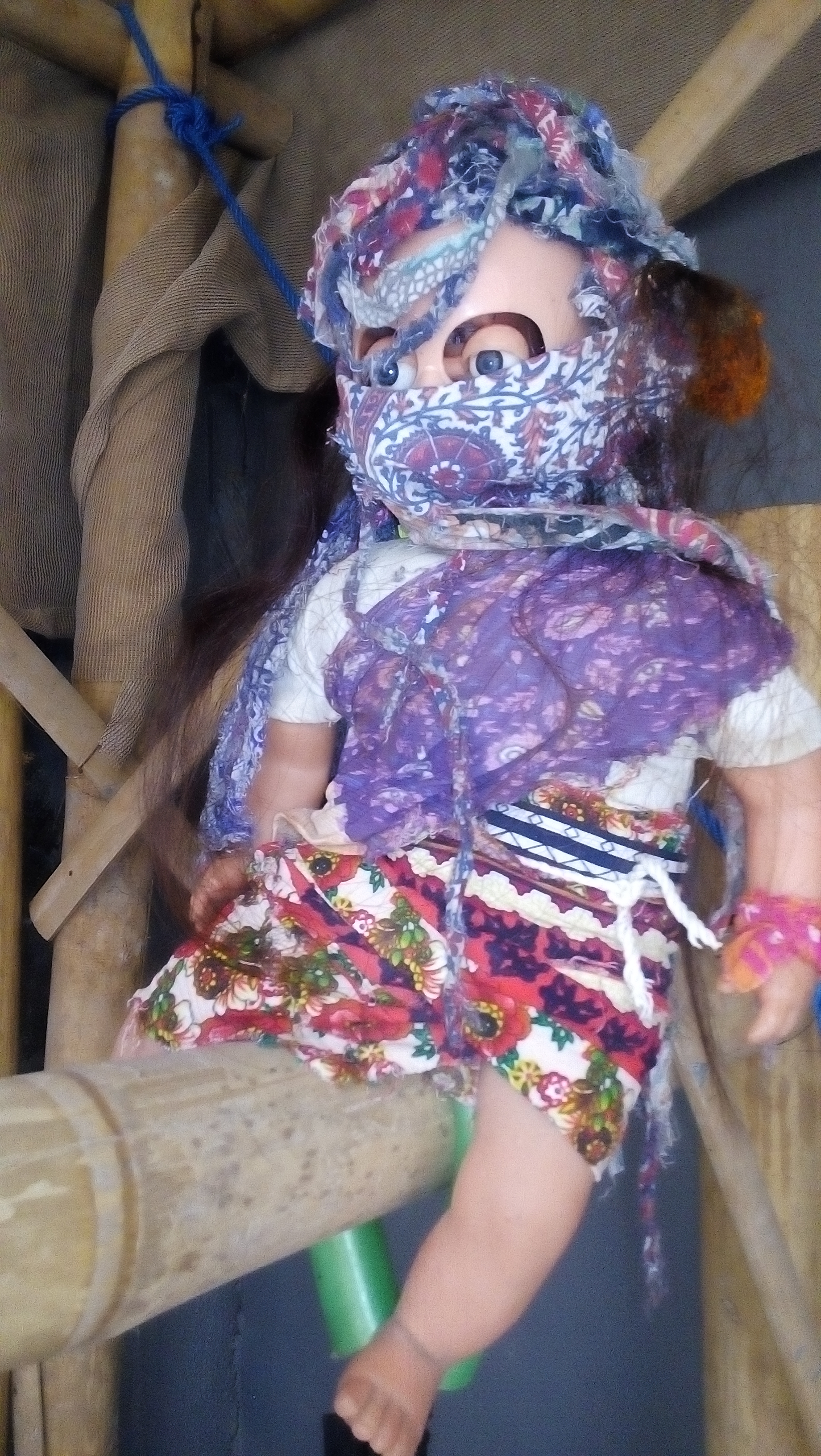
Help raise awareness about Ecobricks while protecting our planet from plastic pollution! We host monthly community events to help raise awareness and incite behavior change —a perfect blend of environmental action and creative engagement. Our monthly Karma Yoga Community Days are a chance to make Ecobricks, discuss circular economy and community currency (Ebblets), and craft Bamboo and puppeteering stories, while sharing knowledge and connecting with others. By “helping together”, we can create a circular economy around plastic, organics, and appropriate technology—while empowering communities, protecting ecosystem health, and building a more sustainable future for all.
If you’re passionate about making bamboo building attractive, affordable, and accessible, join us. Be the change—experience sustainable construction, circular economy thinking, and build collectively for the future with your own hands!
We’re seeking collaborators interested in bringing sustainable bamboo construction techniques to village communities where they’re most needed. Rural populations still possess valuable farming and bamboo-working skills, and we can help to reduce rural-to-urban migration and farmland conversion by creating viable local economies. While carbon emissions receive much attention in climate discussions, the underlying issues of biodiversity loss and ecosystem destruction are what truly drive flooding, temperature increases, and environmental instability.
Your participation helps implement appropriate technologies and community capacity-building that transform how we handle waste. Join our mission to spread critical awareness about the reproductive health threats that environmental plastics pose to humans and animals alike. Make a tangible difference while connecting with like-minded community members committed to sustainable solutions!
Become a Member!
Pre-purchase NOW and receive 25% discount on stays at our Ecoschool in Belega (30-40min from Ubud – near Keramas Beach)












 Bamboo Creative Bali