
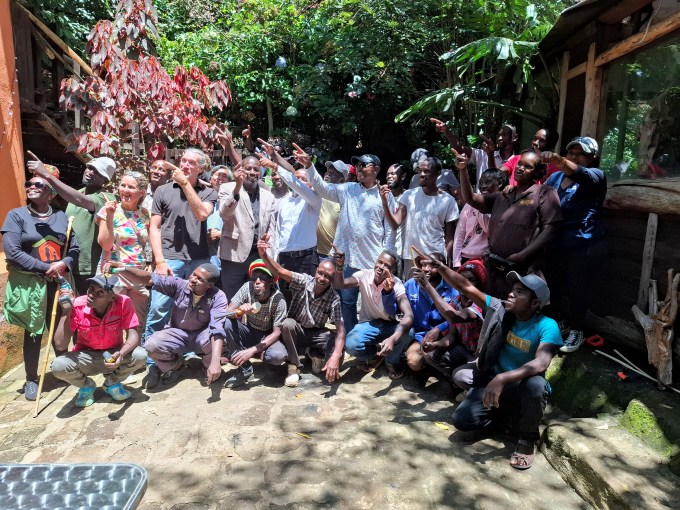
Phase 2 Module 1 Bamboo 4 Africa Training – Kericho, Kenya
Trainer: Jaye Irving
MODULE 1
Join this Training October 6-18, 2025 to learn:
○ Bamboo Clump Management, Maintenance & Biochar Production
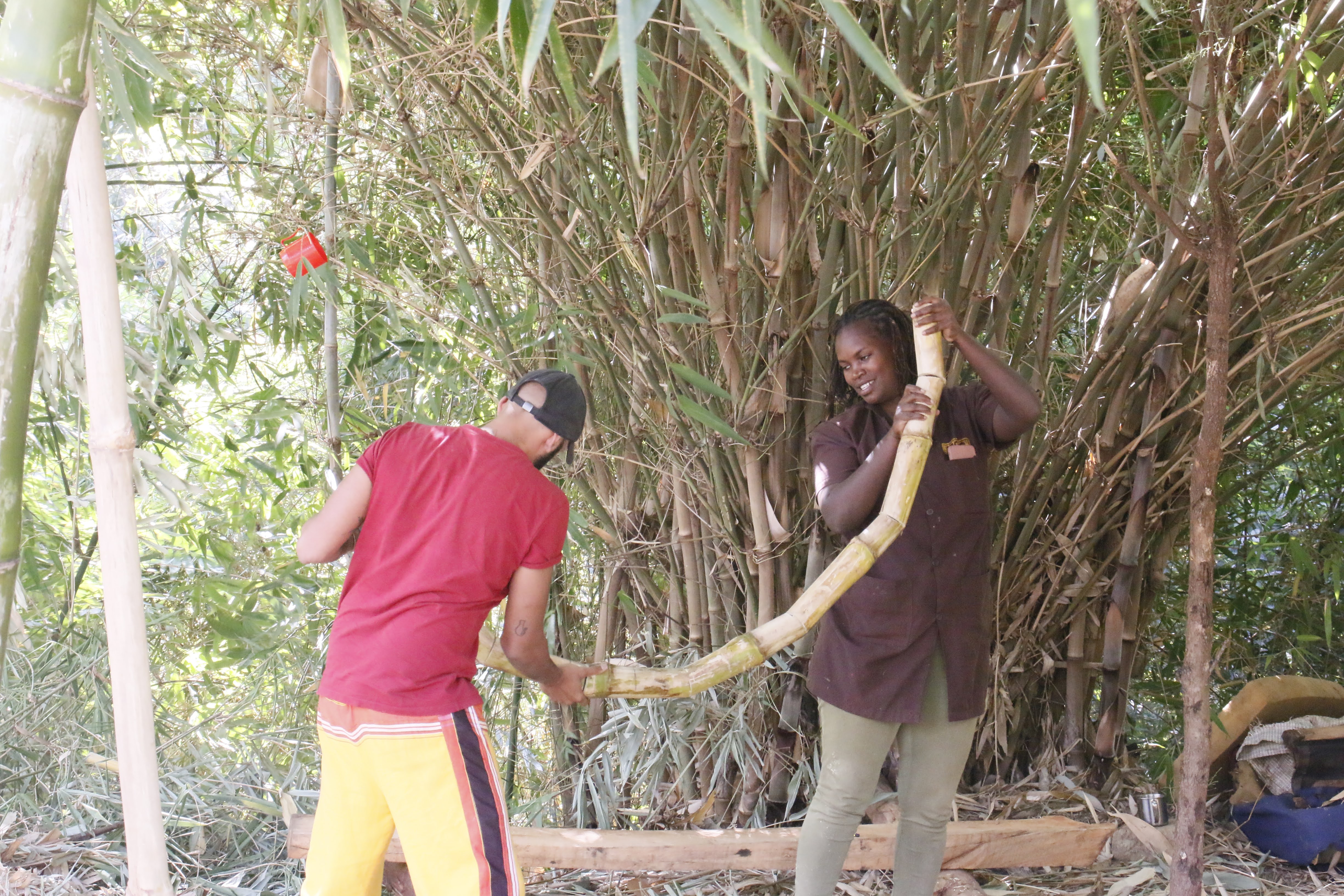
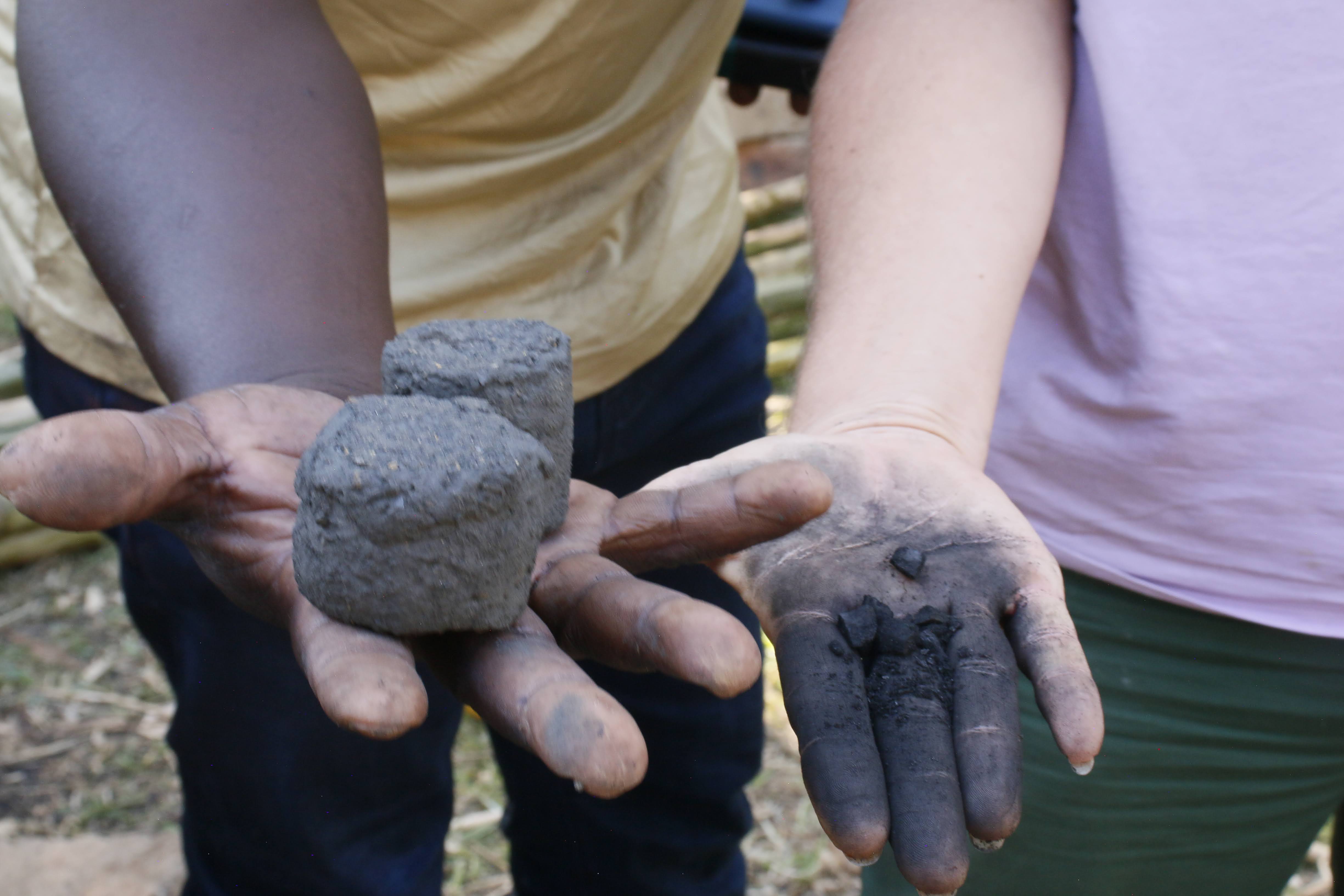
– Essential techniques for managing bamboo clumps: Thinning out overgrown stands to promote healthier growth; Utilization of the thinnings to create Biochar. Participants will also learn Harvesting Schedule Preparation and Technique.
○ Bamboo Propagation
○ Innovative Low-Cost Bamboo Treatment Techniques
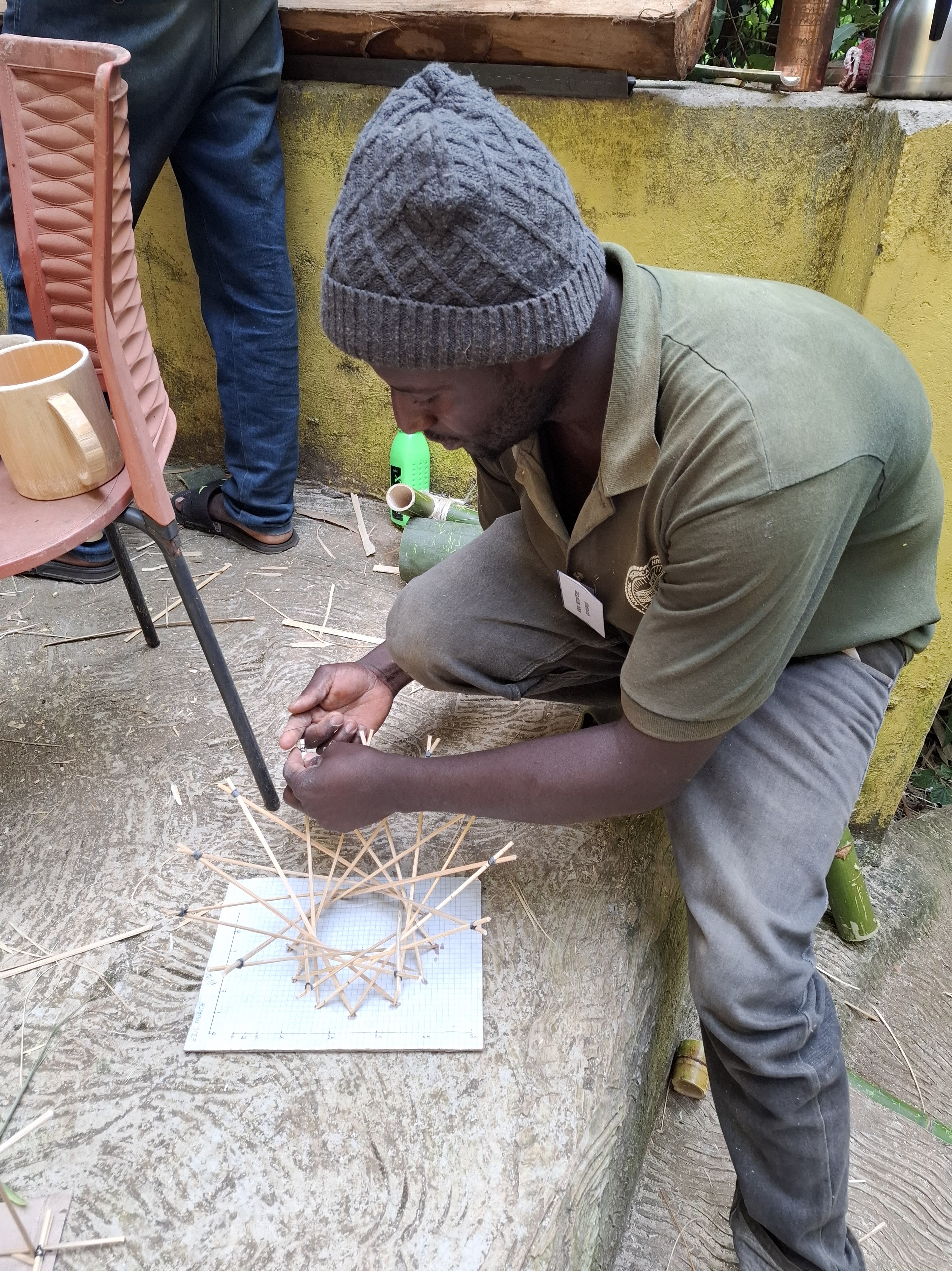
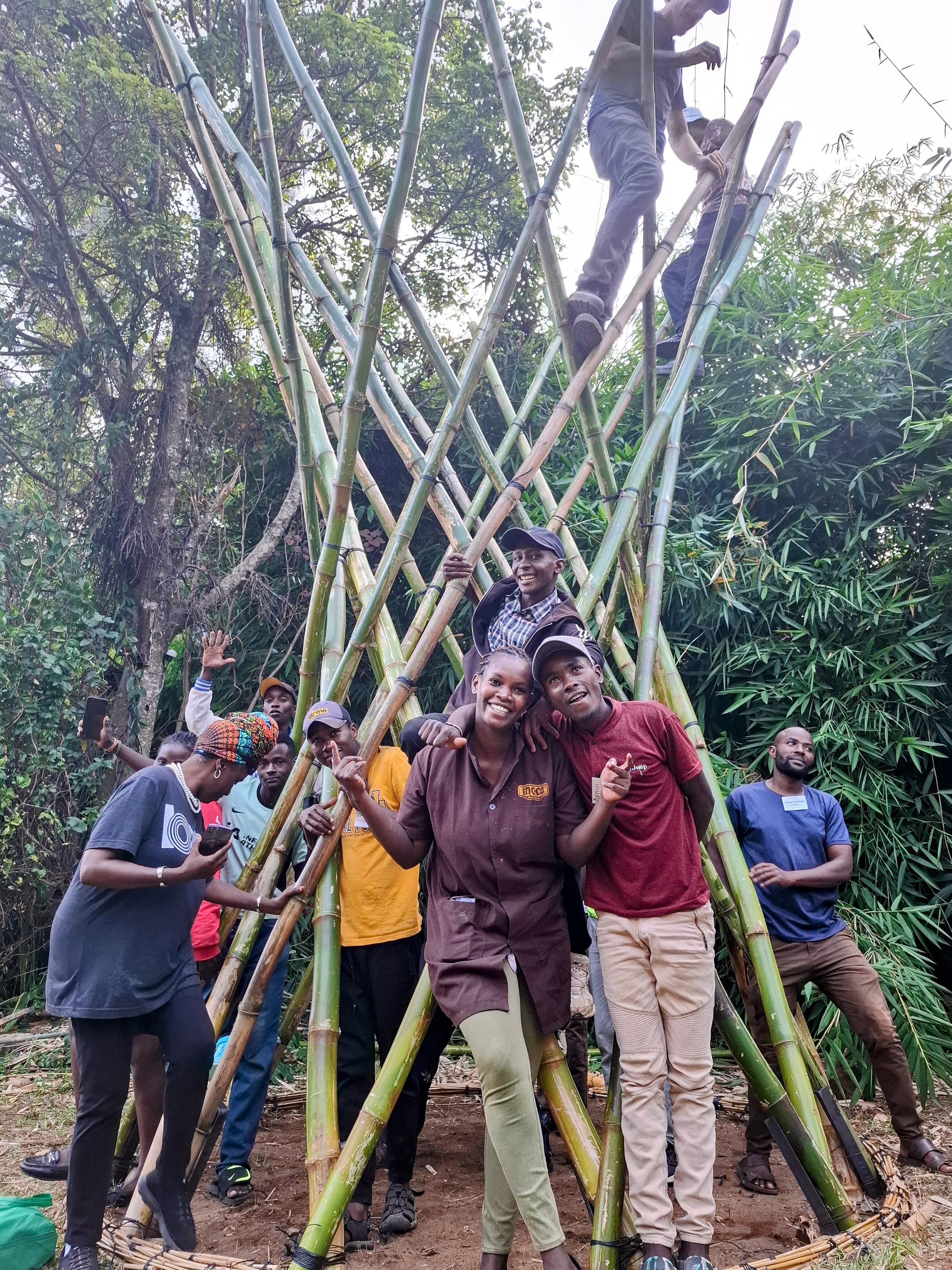
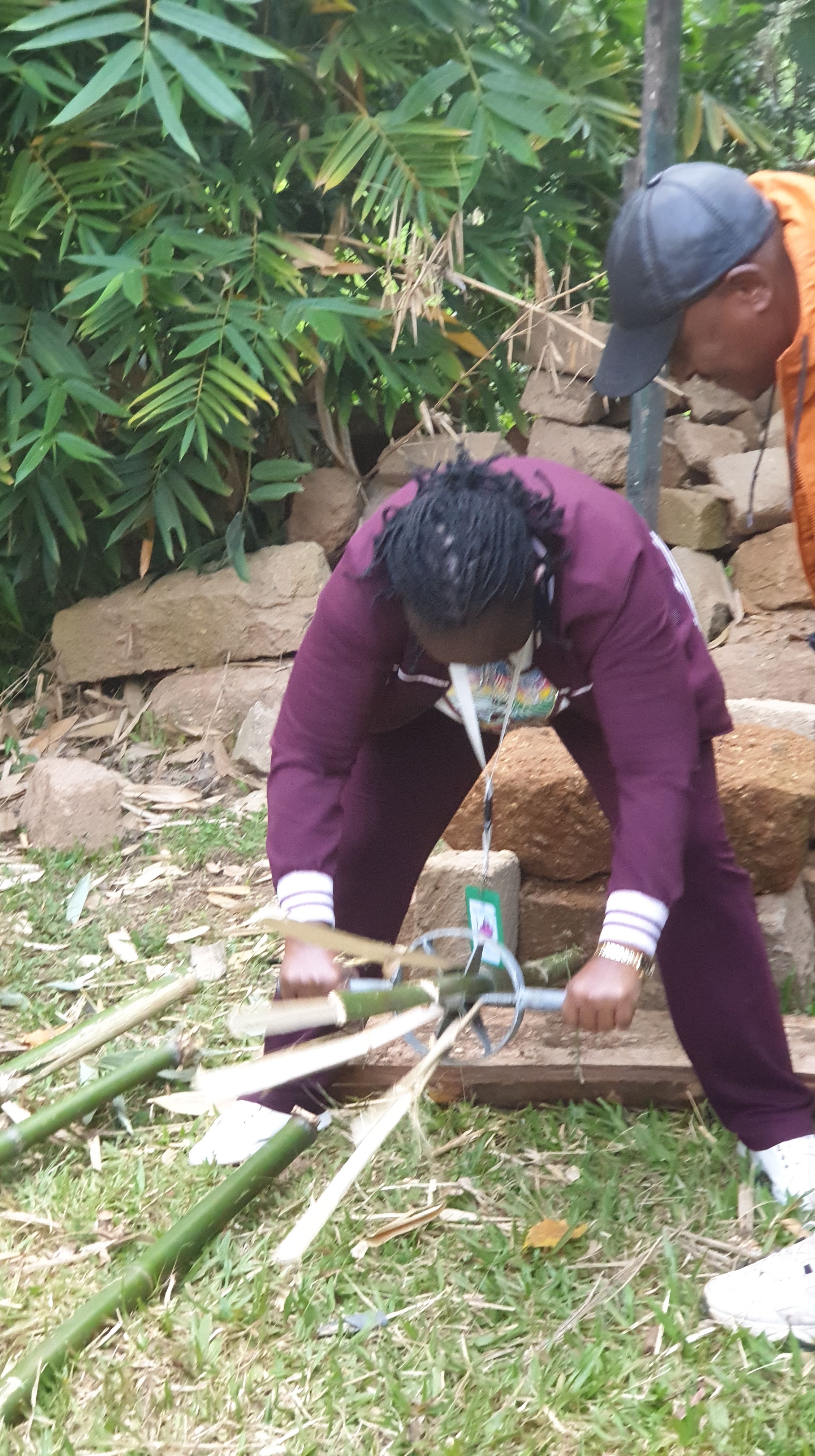
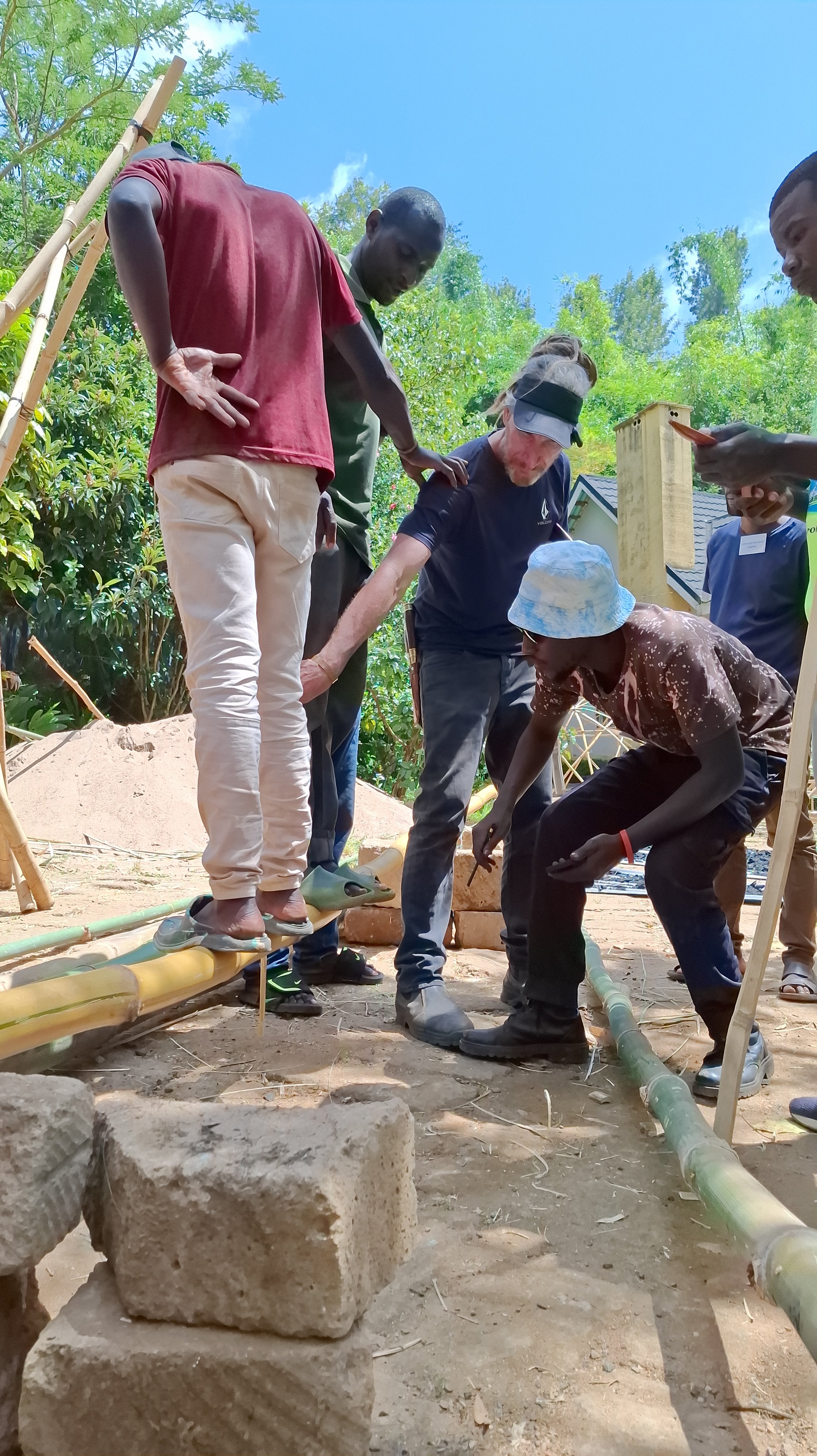
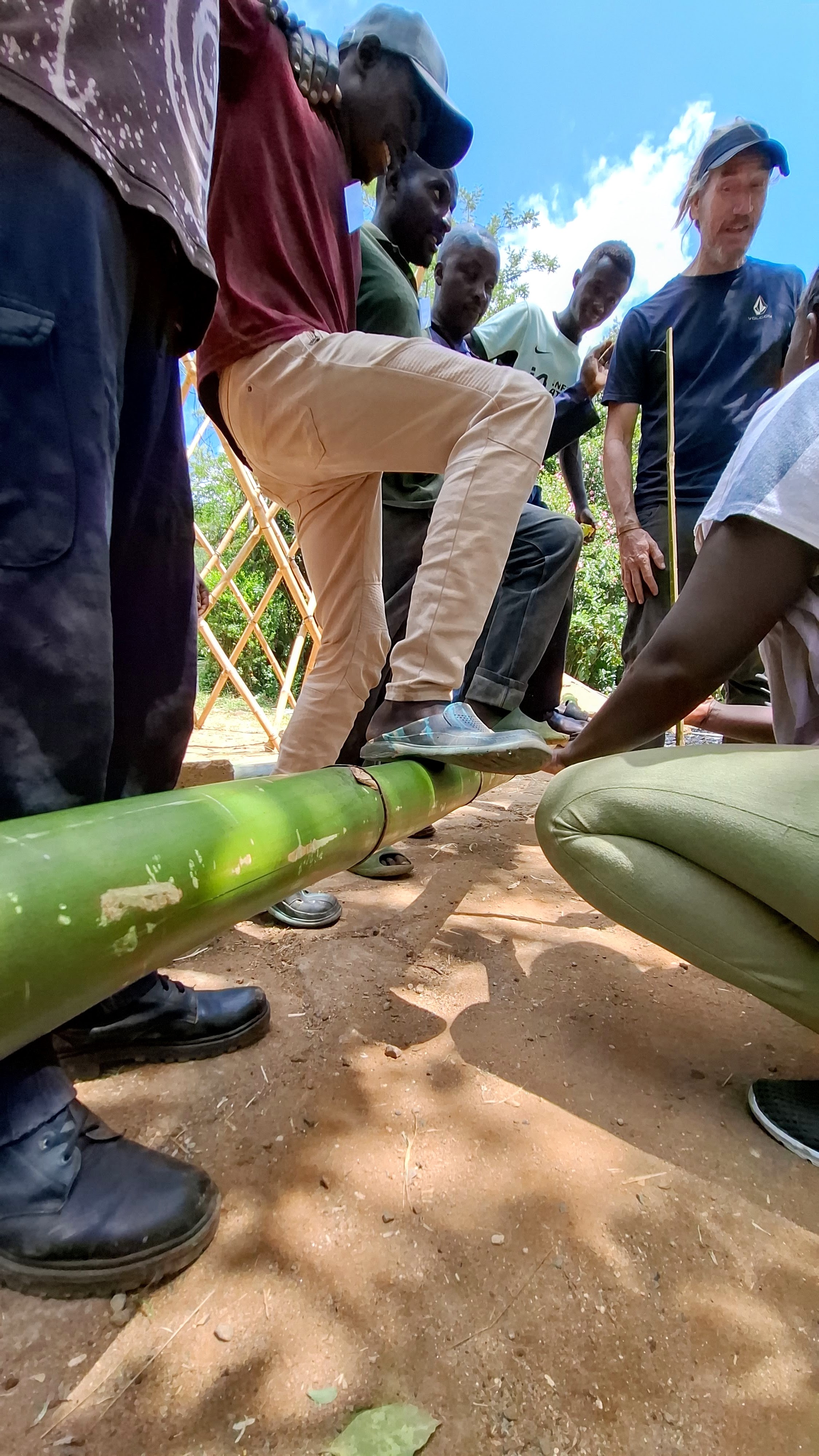
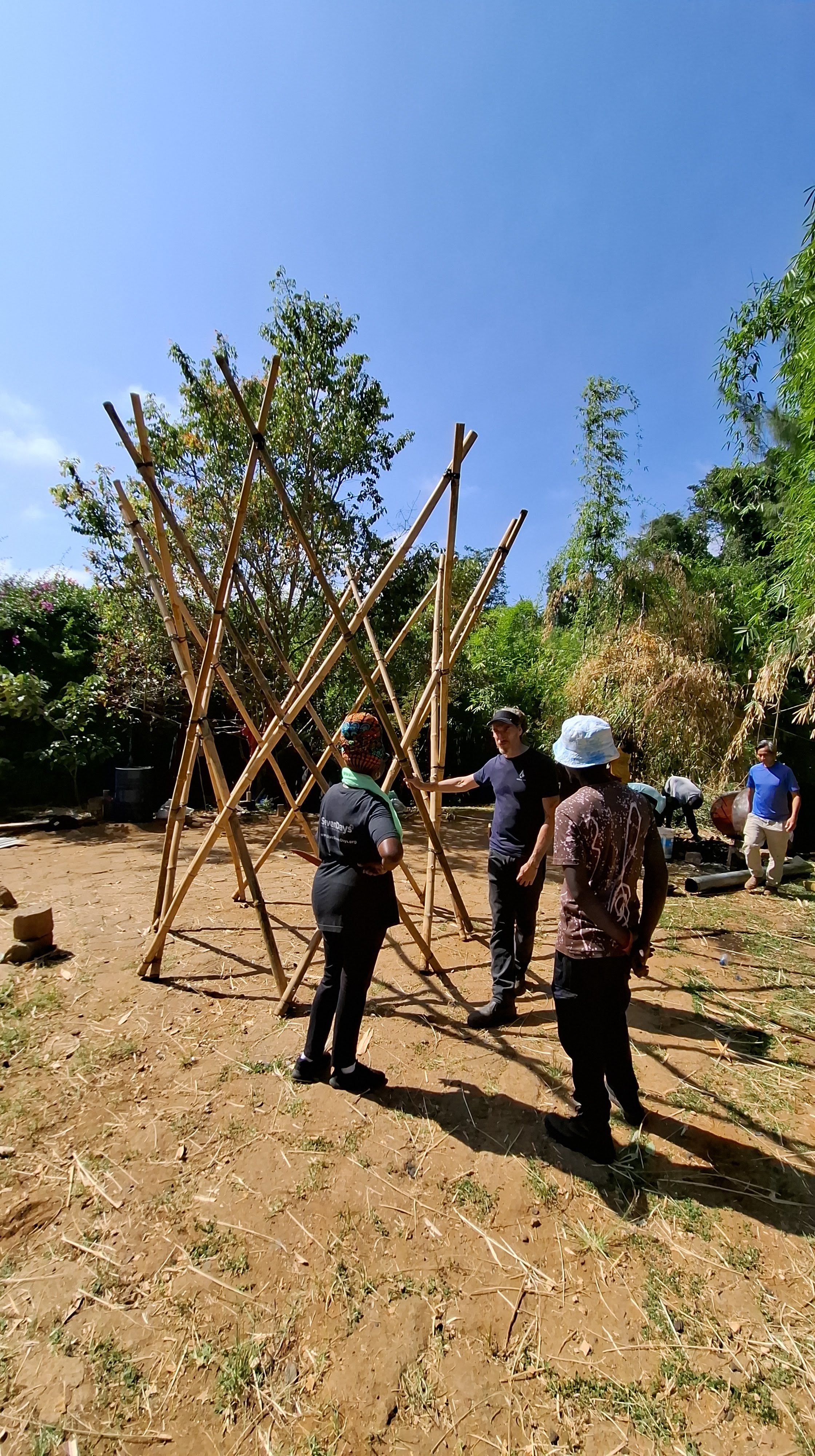
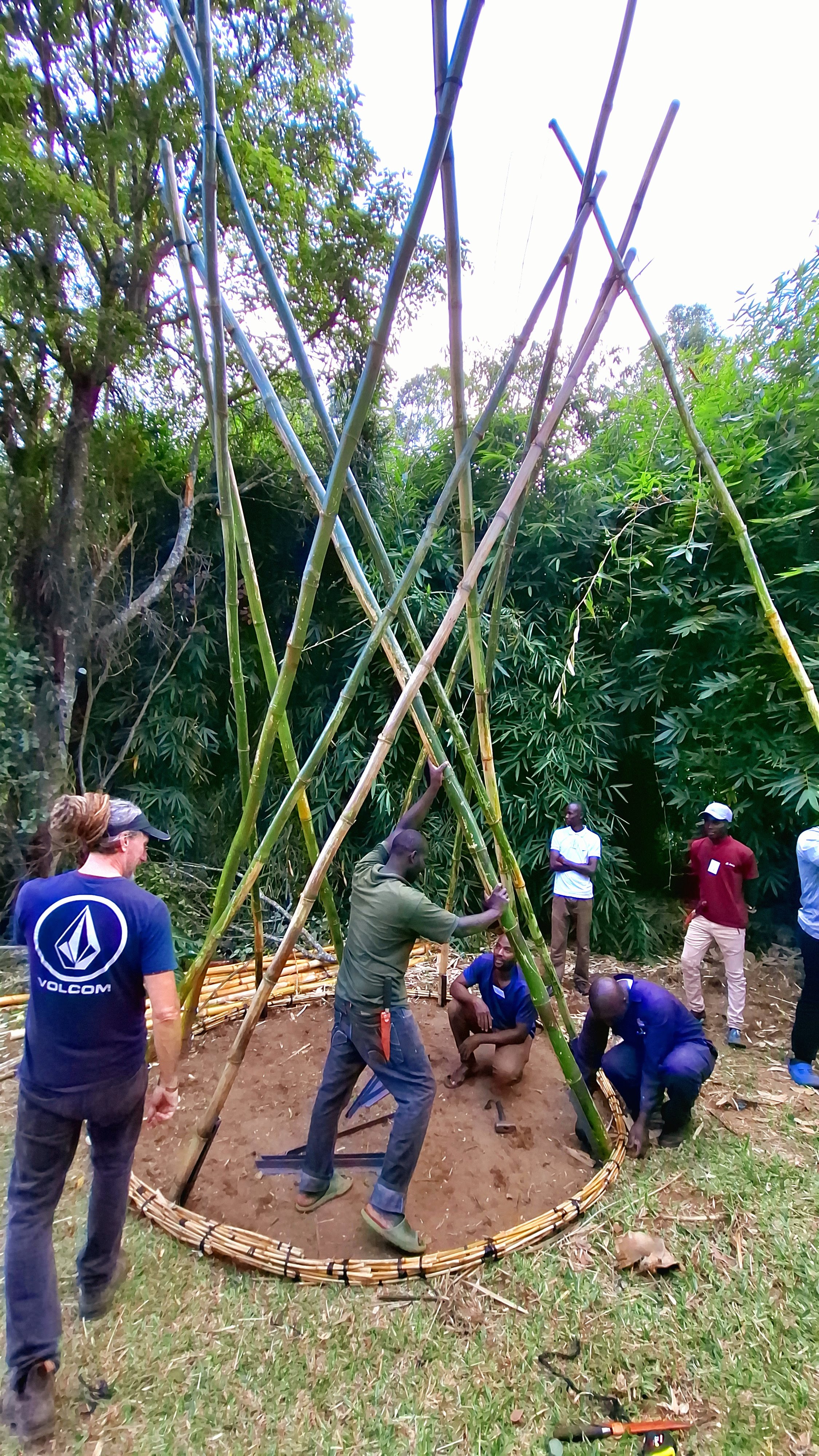
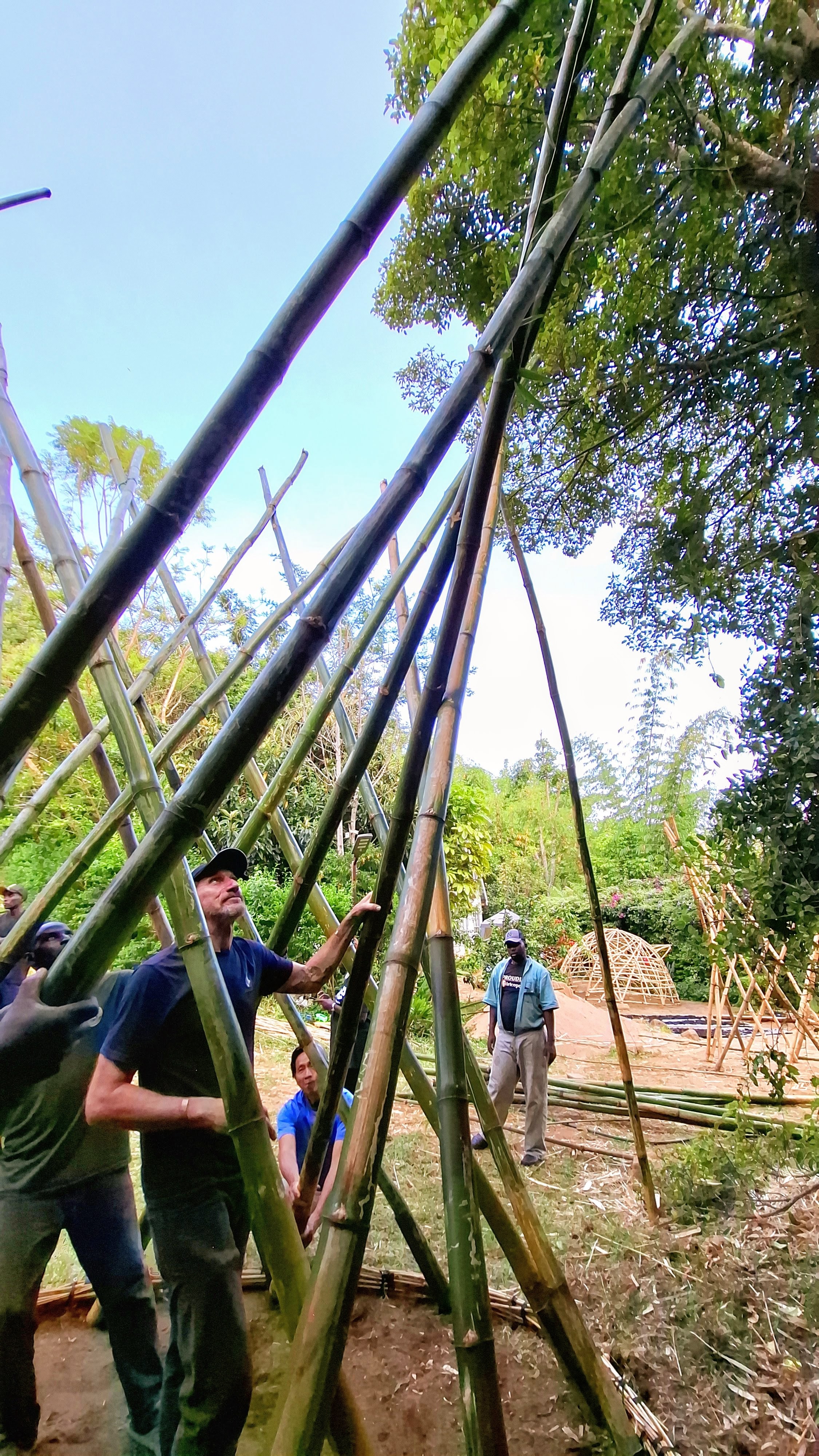
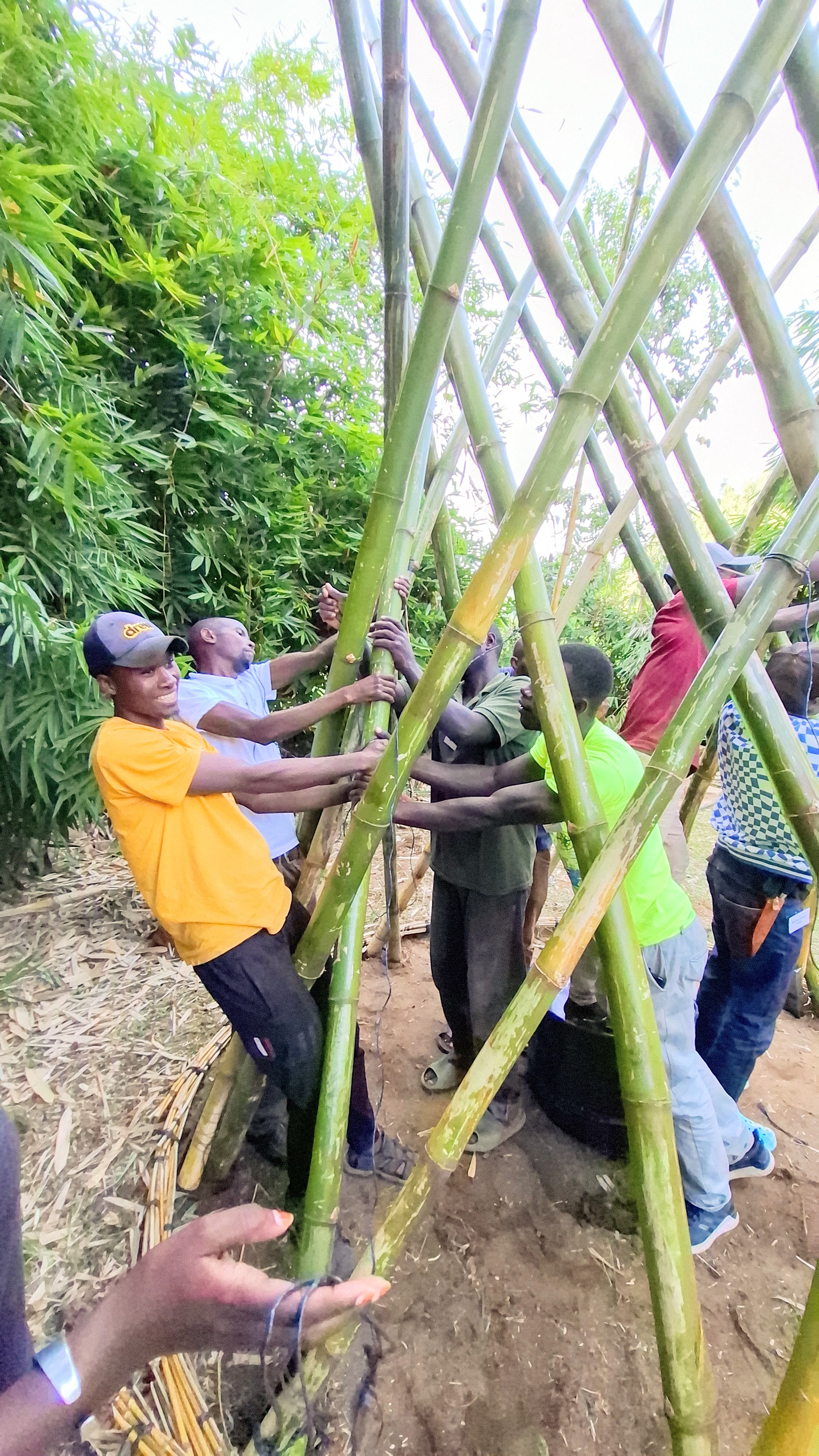
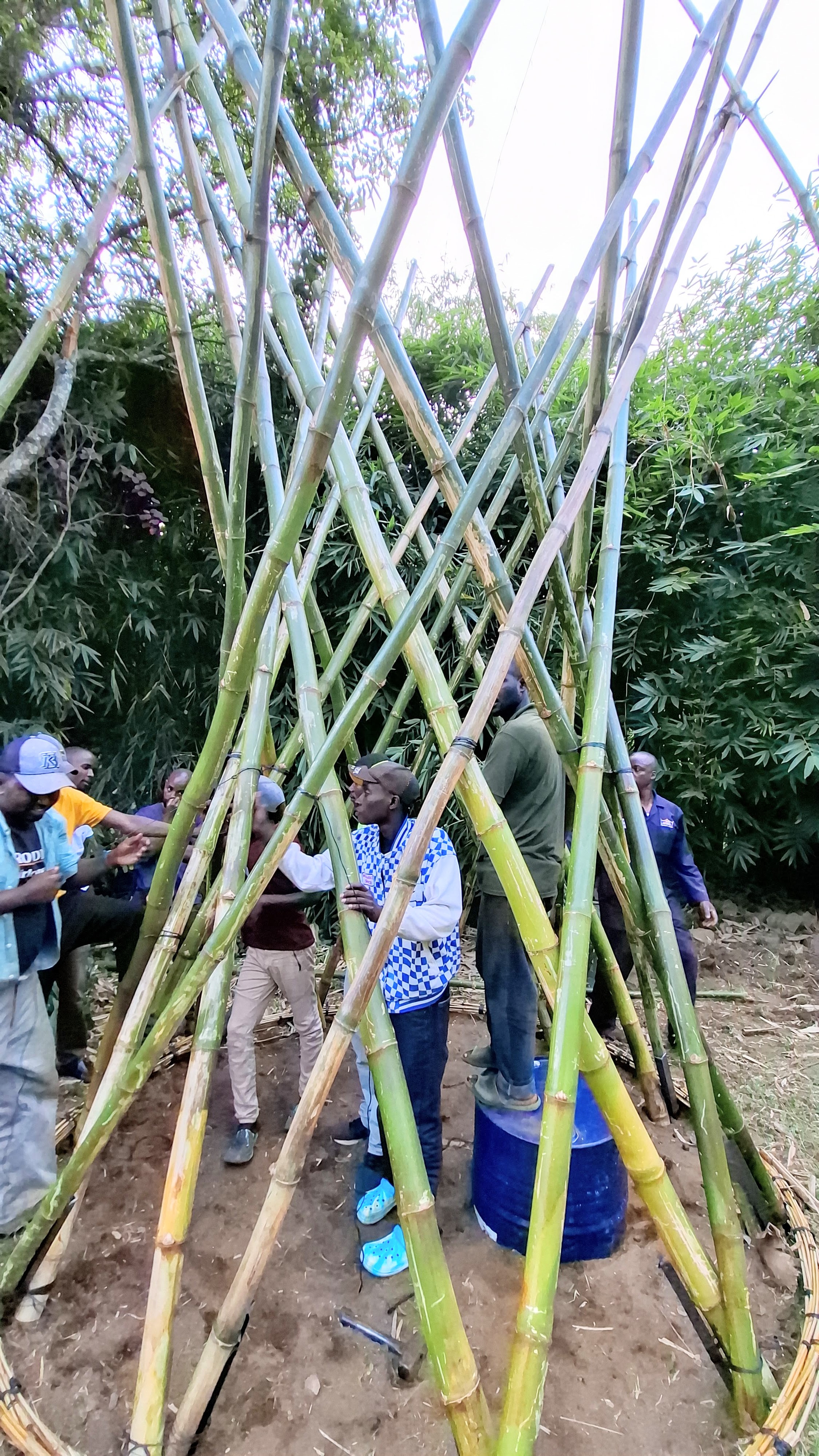
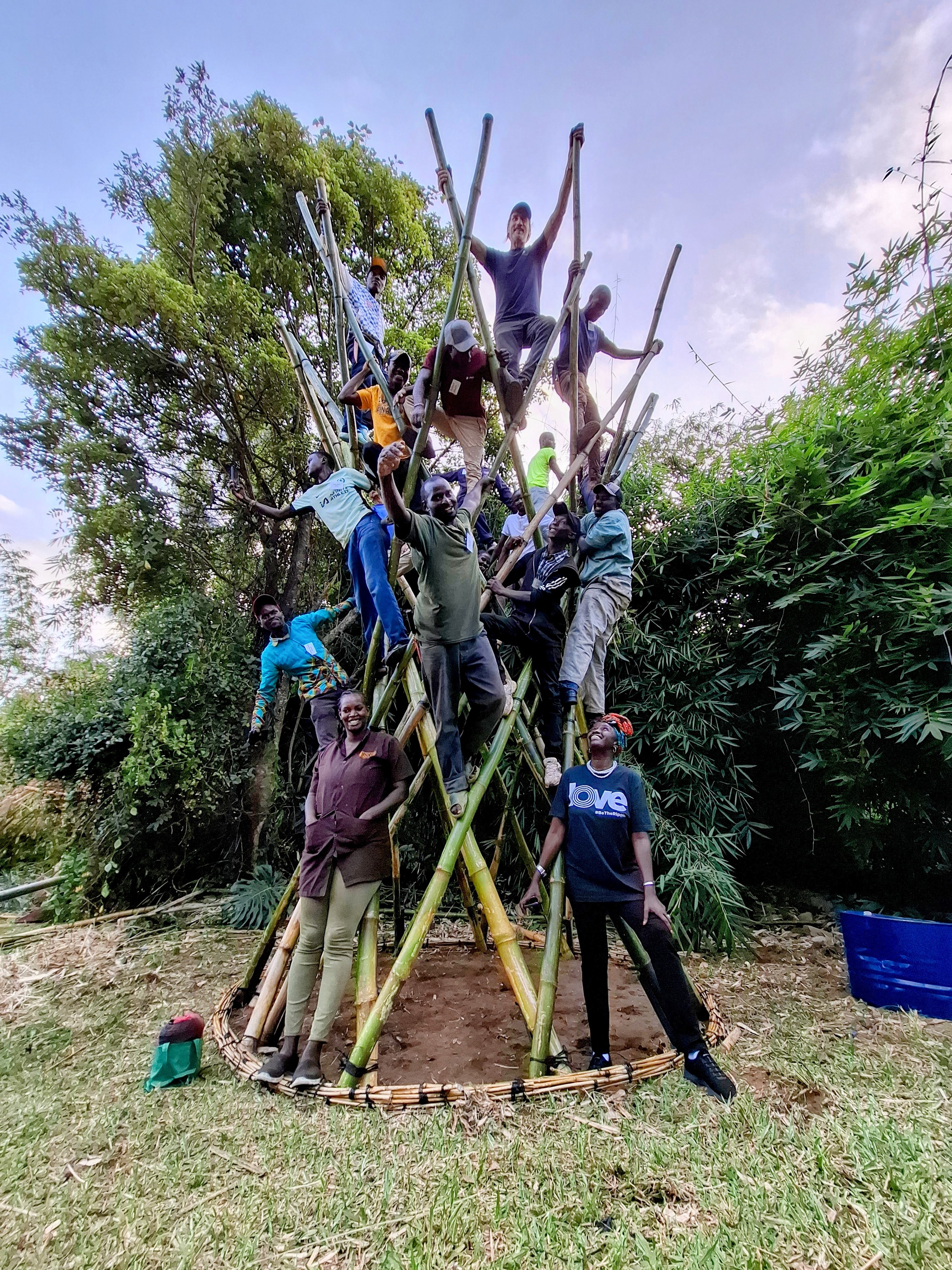
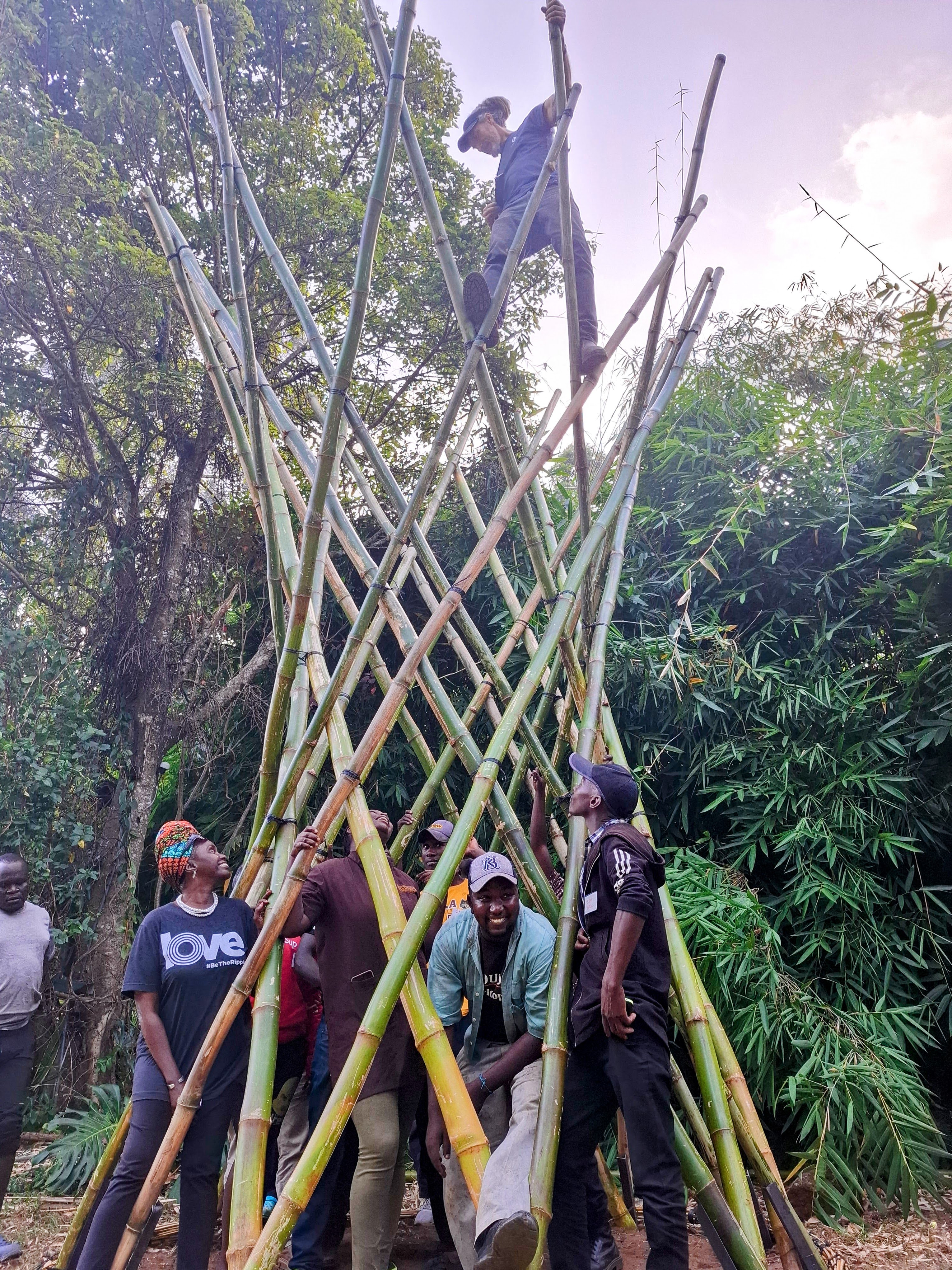
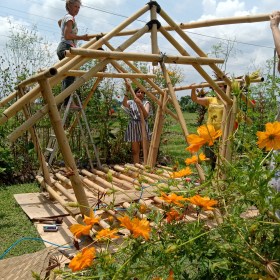
– Hyperboloid treatment set-up technique developed by Jaye Irving; Affordable Vertical Soak Diffusion (VSD) method for Bamboo Treatment.
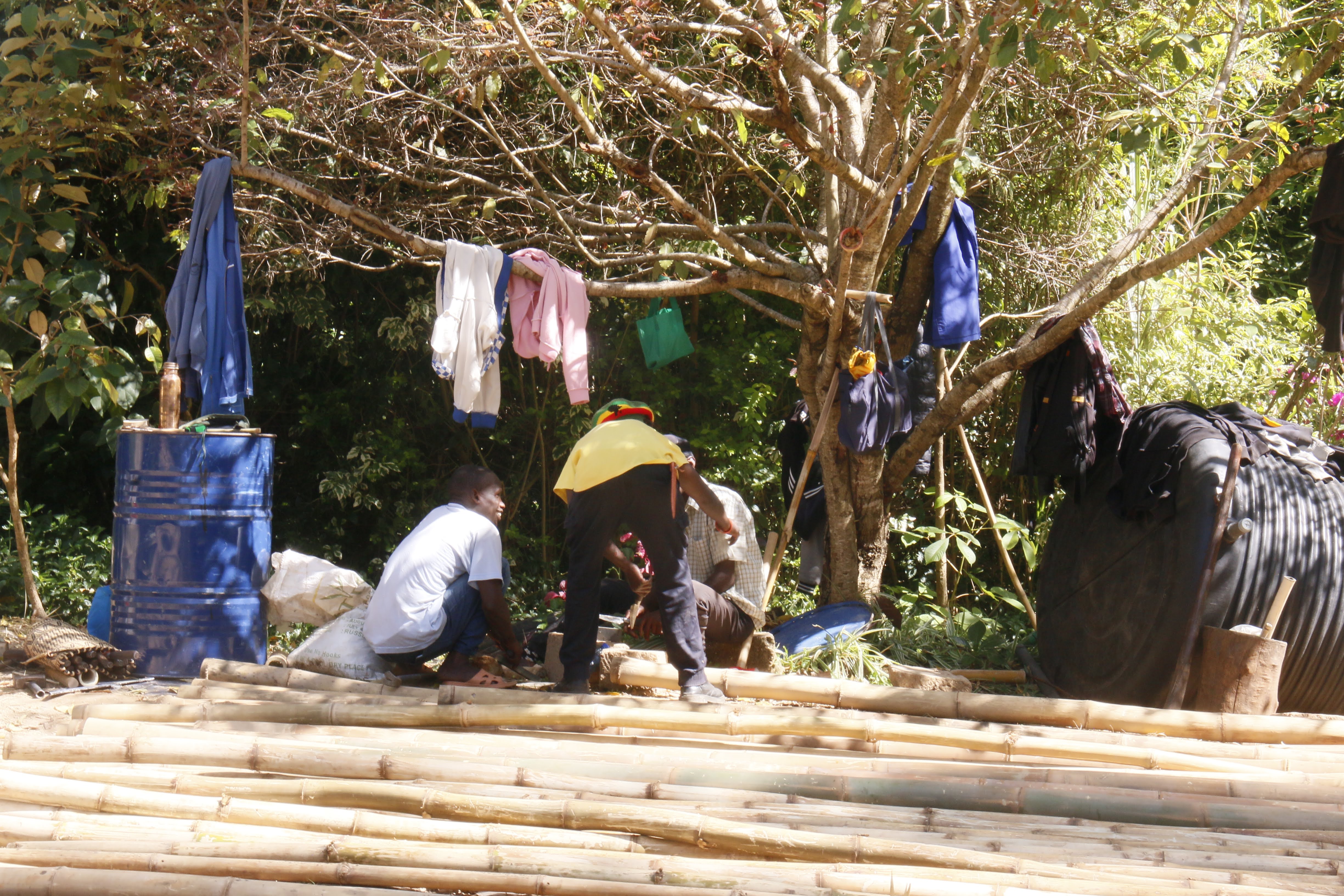
○ Post-processing and materials preparation
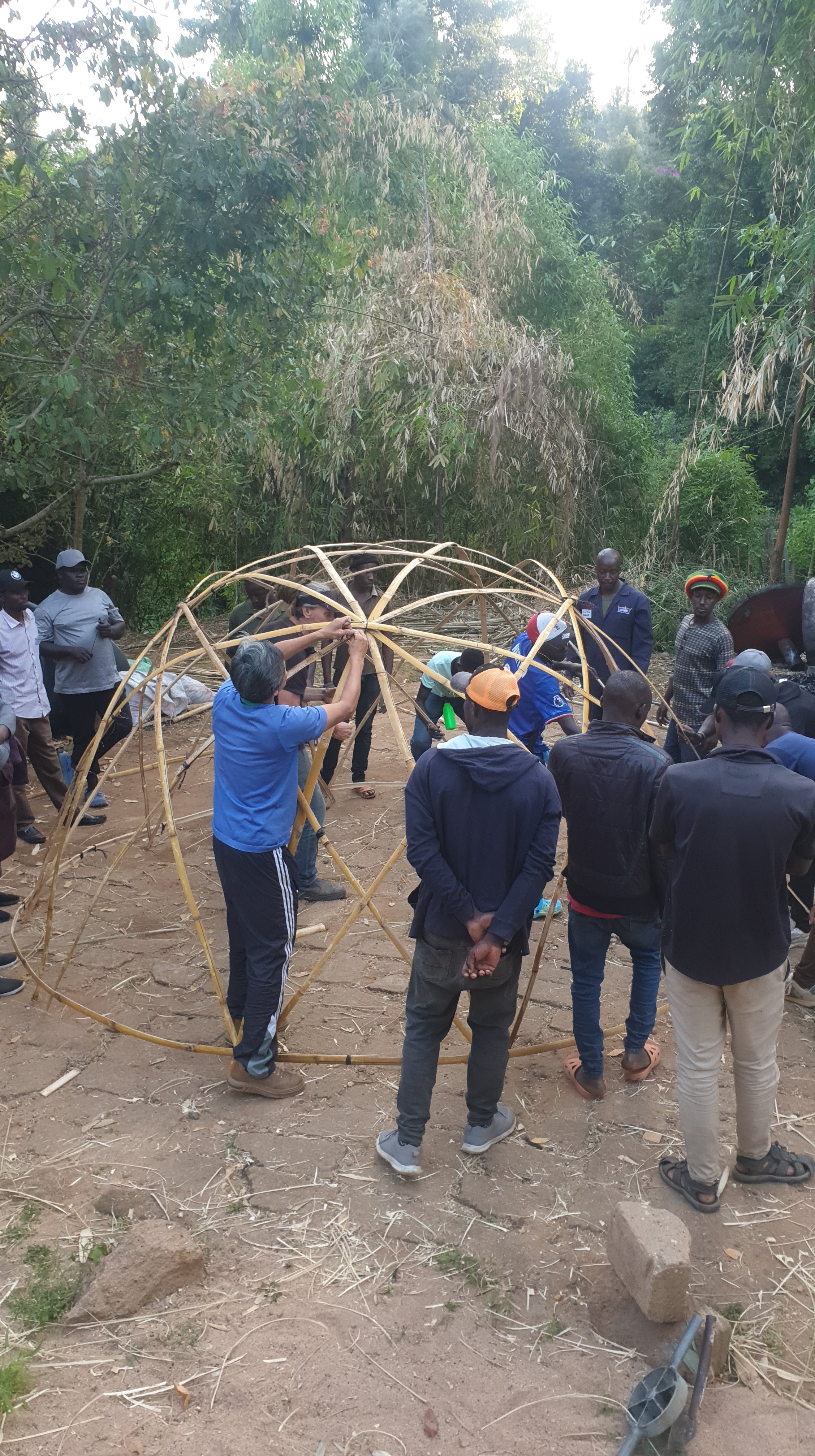
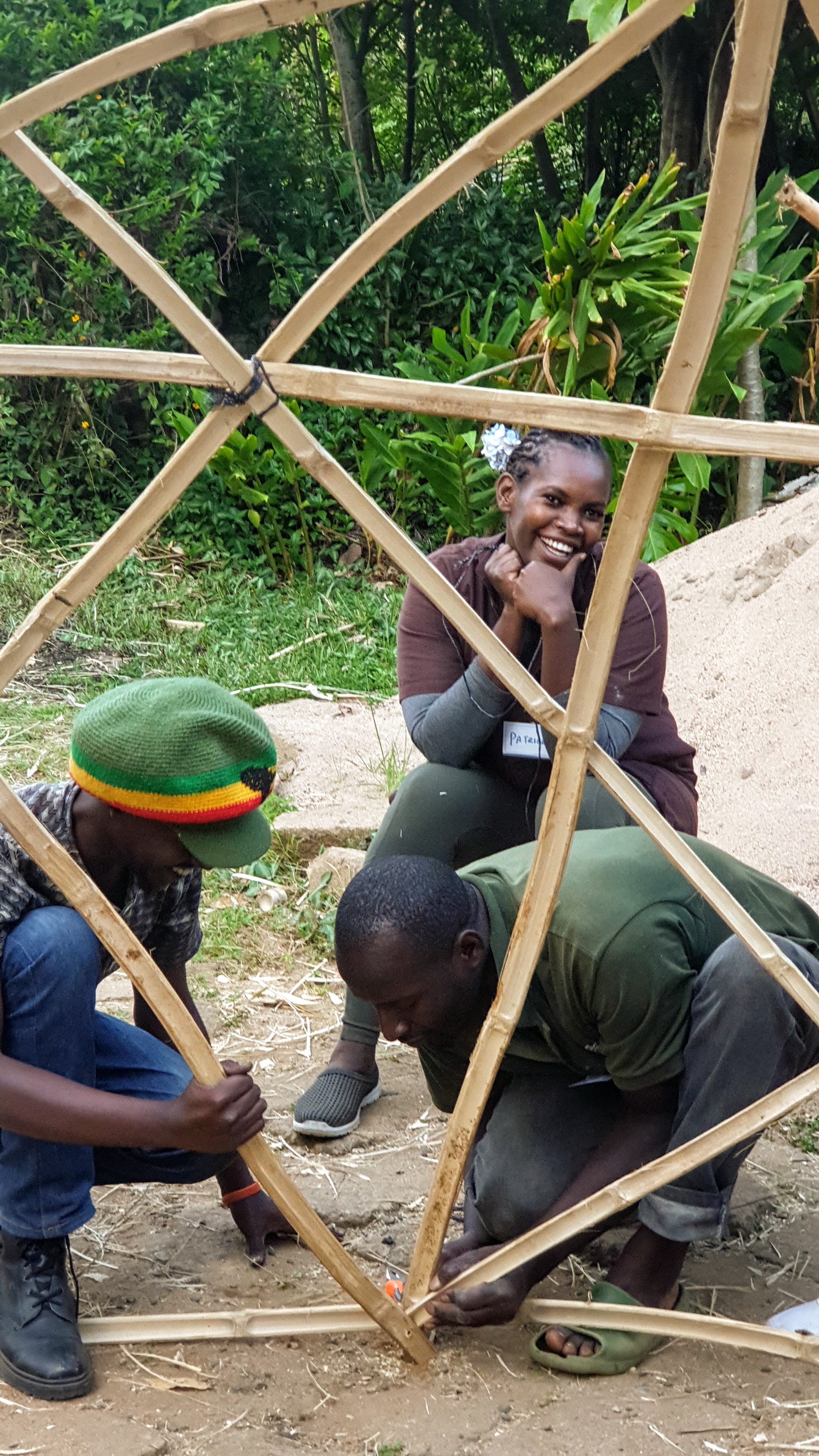
– Materials preparation for the Small Building Construction program (Module 2): splits & woven panels.
(The Training will be conducted in English.)
Venue: The Training will take place at Chesumot Tea Estate – KAISUGU, Kericho.
Arrival/Departure: Participants may arrive the day before the start date or earlier by arrangement.
Transport: 1700 KES from Nairobi by minibus
Accommodation: may be paid for with Course Program or on arrival by arrangement (WA +254 703 874 281)
Free Camping with Amenities is available if you bring your own tent.
Meals: are available with the Course/Accommodation package or you may self-provide. A simple menu will be provided at KES 500 /day USD$3.50 per day and may be paid with the course ticket or on arrival.
There are 4 ticket tiers:
Local African /Individual Participant (Youth/Farmer/Women/PWD) – KES 10,000 / USD$77
Schools/Colleges/Community Organisations (2-3 pax) – KES 25,000 / USD$195
African Business Entity/Government and NGO’s – KES 32,000 / USD$250
International Participant – KES 45,000 / USD$350
Bamboo 4 Africa is an Outreach partnership initiated during Covid from a conversation with Joel Odongo from TANU community organisation in Uganda who asked us to come and build a bamboo and recycled plastic community centre with them. Dedicated to promoting the notion of bamboo as a sustainable resource for both regenerative farming and construction, our mission is rooted in the belief that bamboo can significantly contribute to environmental conservation and economic empowerment across Africa. We are now a diverse network of over 100 members from various countries, including Kenya, Uganda, Tanzania, Ethiopia, Ghana, Ivory Coast, Nigeria, Zambia, Zimbabwe, Malawi, South Africa and Egypt, all united by our passion for bamboo as a sustainable building material. We have faced funding challenges in advancing our initiatives primarily due to individual time constraints and a lack of grant-writing experience among our team members, but our commitment remains stronger than ever.
Over a year ago, we set out to establish the Bamboo4Africa training program in Meru, Kenya, as a proof-of-concept endeavor to showcase the viability of bamboo cultivation and its applications. We came to Kenya in January 2025 and conducted a 22 day training with Jaye Irving (Barefoot Sustainable Design – Australia) as our lead trainer. And we are currently working towards bringing the full phase 1 to 3 program to life, which will involve comprehensive training and support for local communities to harness the benefits of local bamboo resources in Kenya (planted 8-10 years ago through government initiatives). Through the experience and connections made in Meru, we are working on a broader program proposal based on kickstarting the bamboo industry in Kenya through forming youth cooperatives and building community partnerships for enhancing livelihoods and promoting environmental sustainability through utilization of bamboo resources. We invite you to learn more about our work and support our cause by visiting the Bamboo4Africa website: https://bamboo4africa.org.
The program aims to create income-generating opportunities and contribute to environmental conservation through:
• Bamboo Resource Maintenance and Management: Leveraging existing bamboo plantations and addressing past challenges (farmers were told they could make money from growing bamboo – but nothing has eventuated).
• Bamboo Industrial Skills Development: Training in bamboo treatment, processing, and stand management to improve the quality and productivity of existing bamboo stands which are currently neglected/unmanaged with bent/low-quality poles and are in a “stagnant” growth cycle.
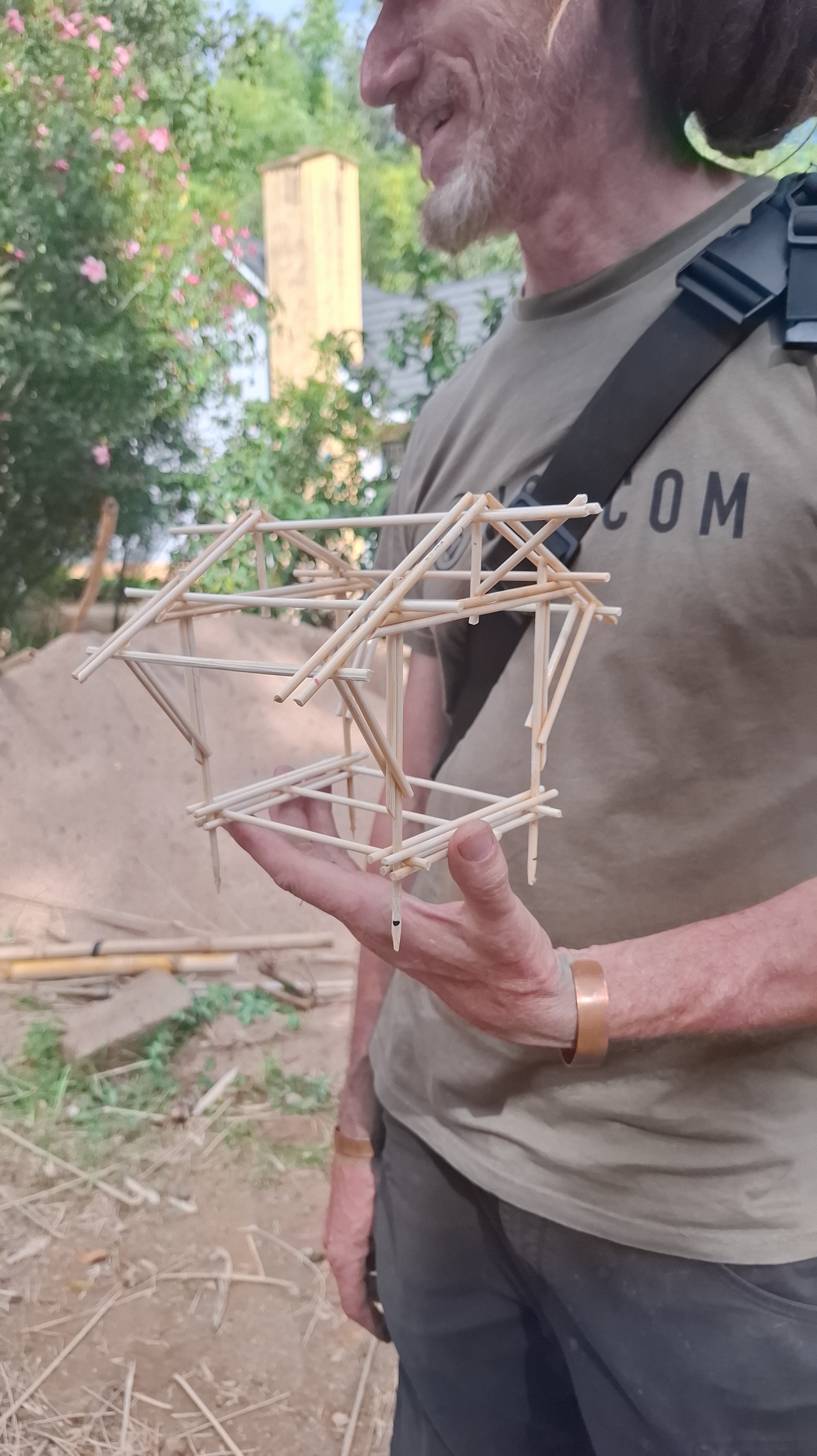
• Carpentry for Small Buildings/Ecotourism structures: Upskilling local craftspeople in bamboo construction and joinery techniques for sustainable building practices,
• Biochar Production and Carbon Sequestration: Developing sustainable income sources and environmental benefits – mitigate deforestation and produce environmentally-friendly charcoal for cooking fuel, organic biochar fertilizer for crops, and biochar water-filtration for mitigating nutrient run-off from farms & tea/coffee factories.
• International Design and Build Collaboration: Integrating traditional earth-building techniques from regions including Ghana and India to impart skills for building simple Eco-tourism structures and create bamboo construction work-teams for sustainable building design development alongside the
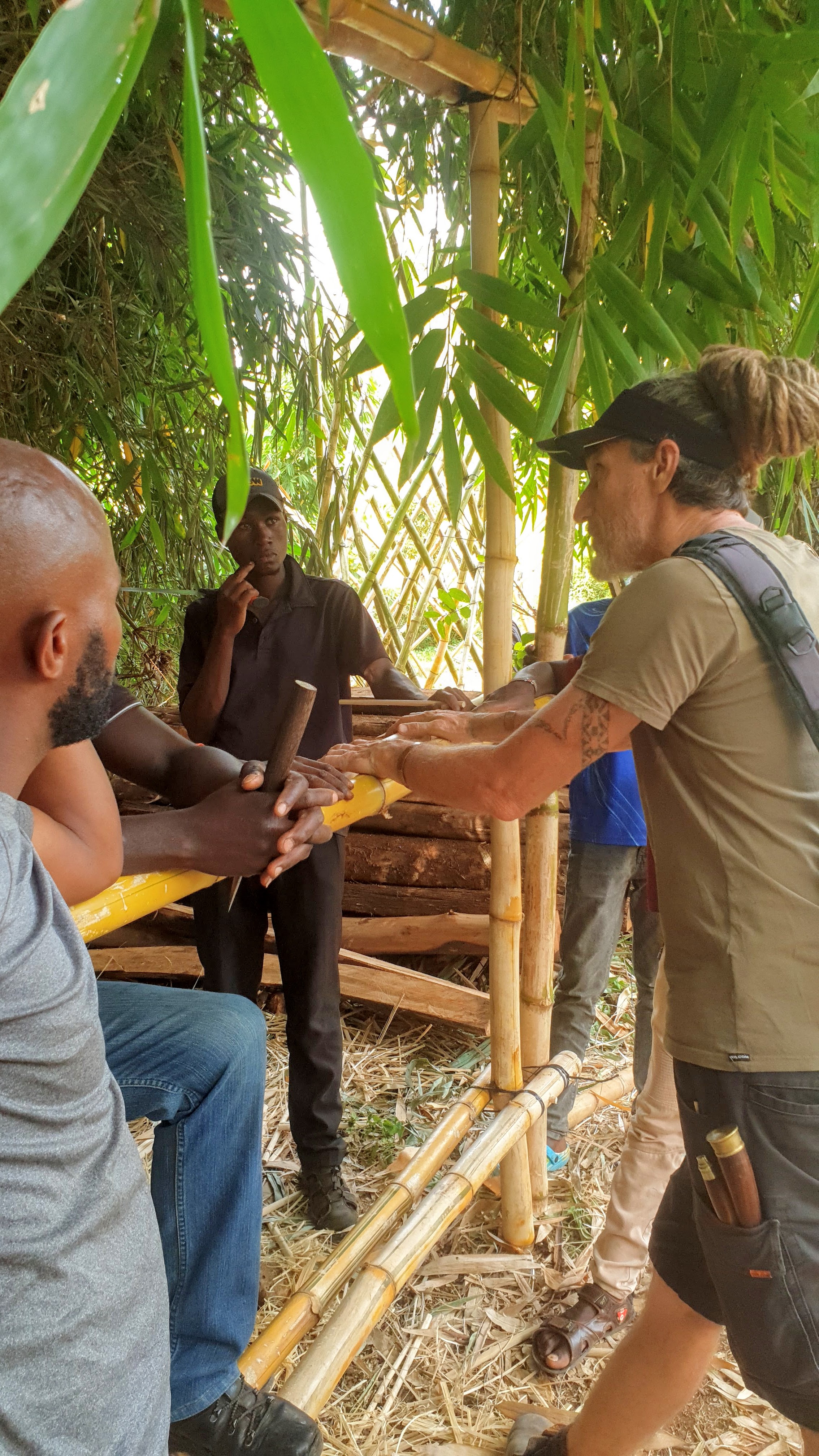
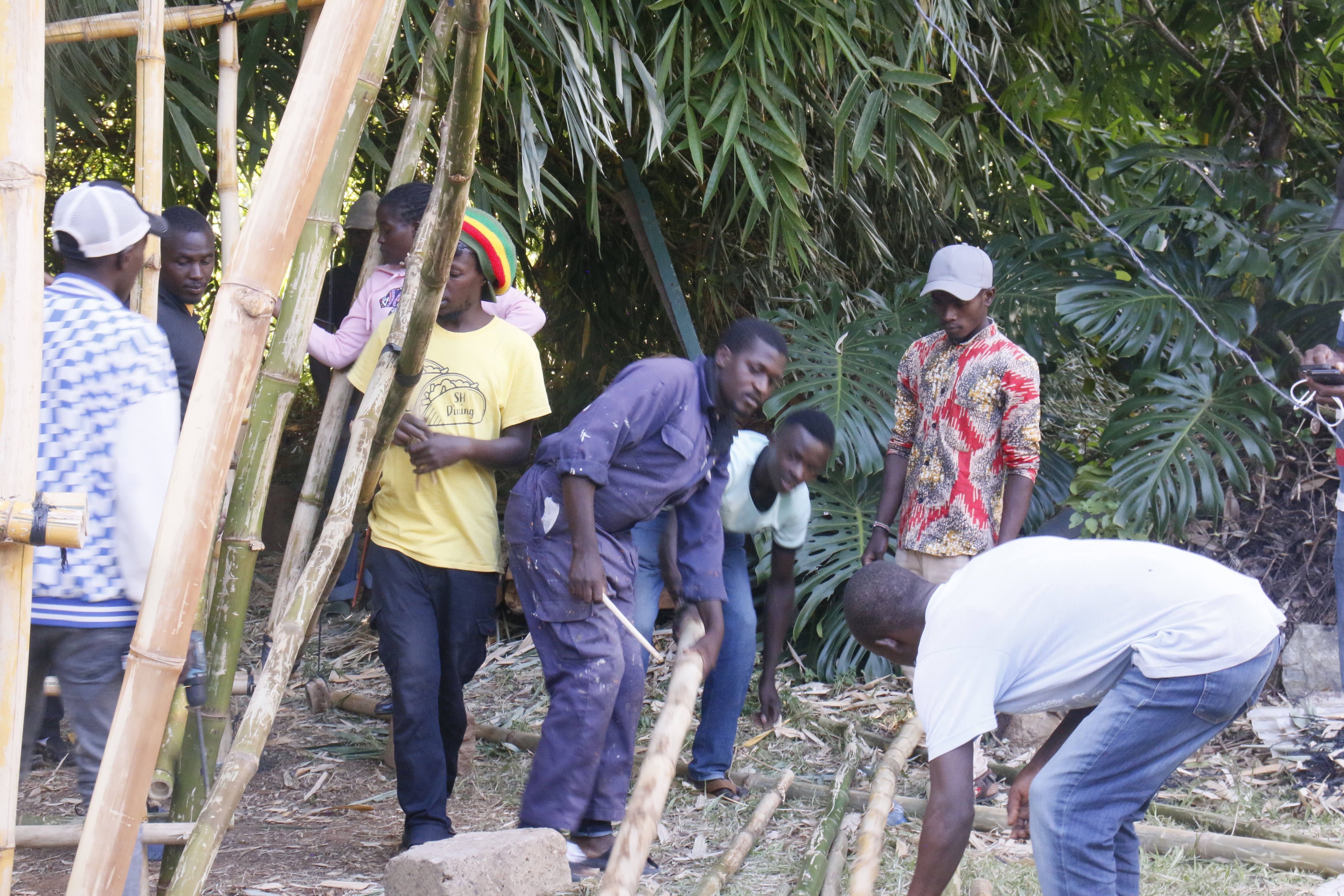
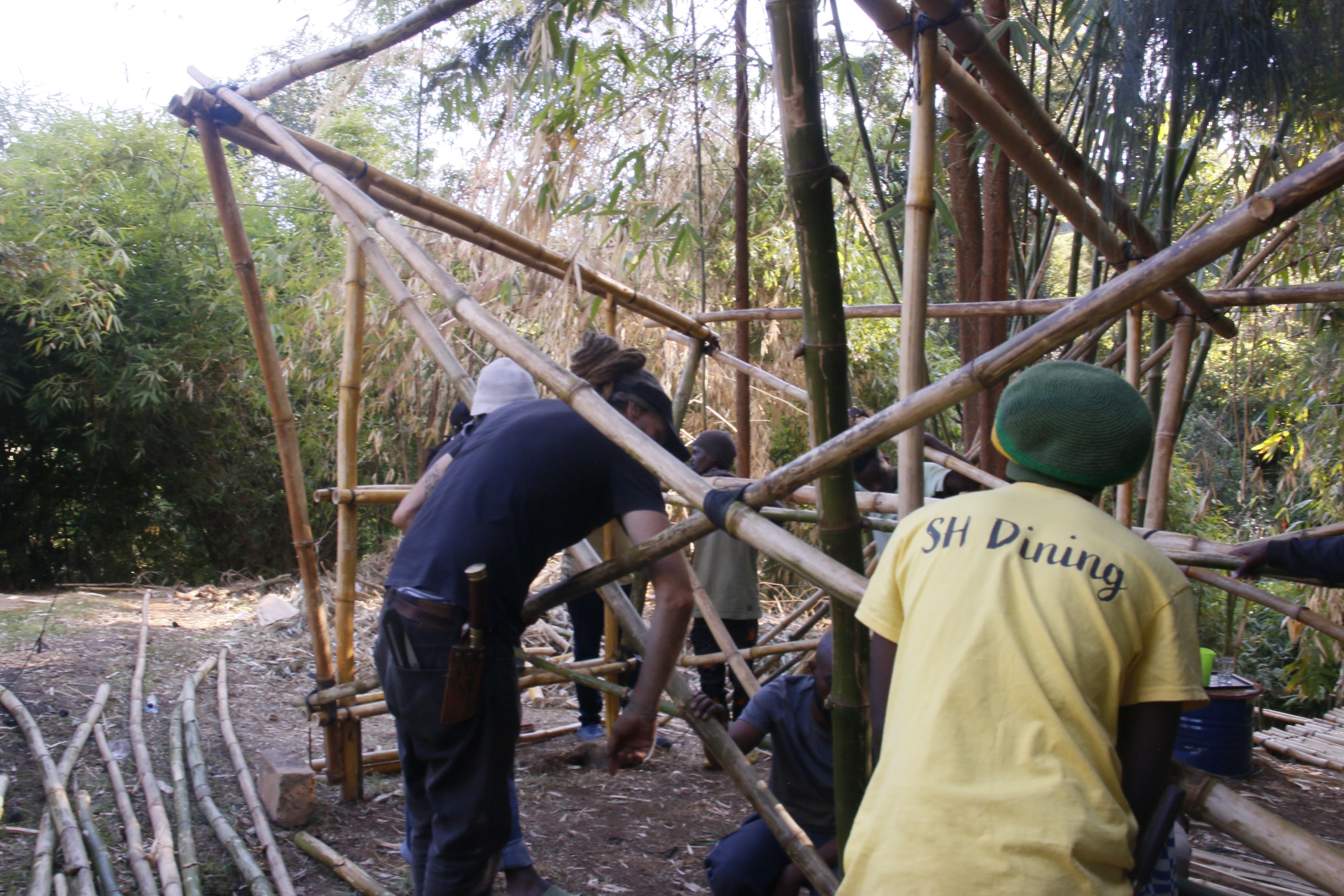


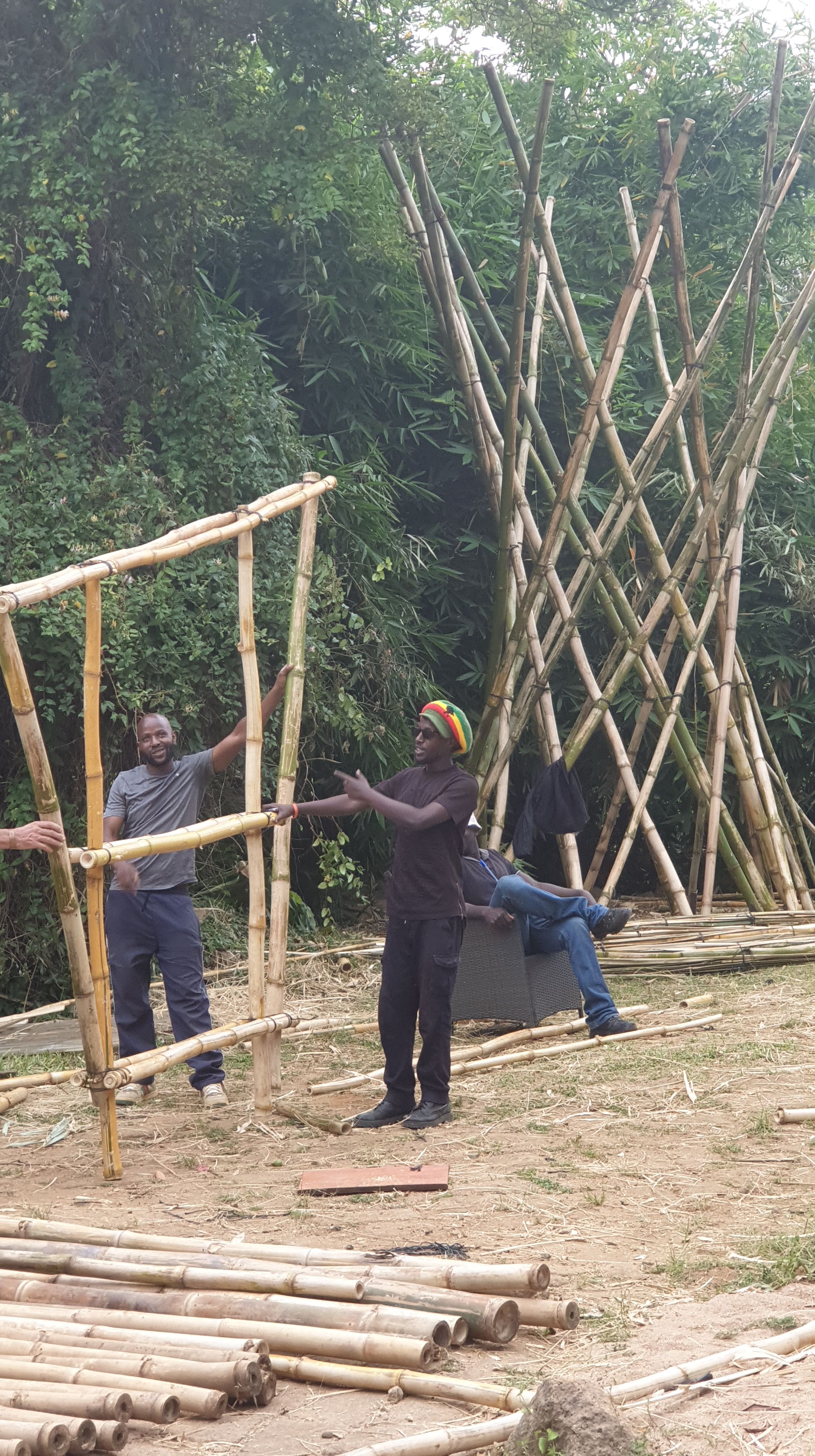
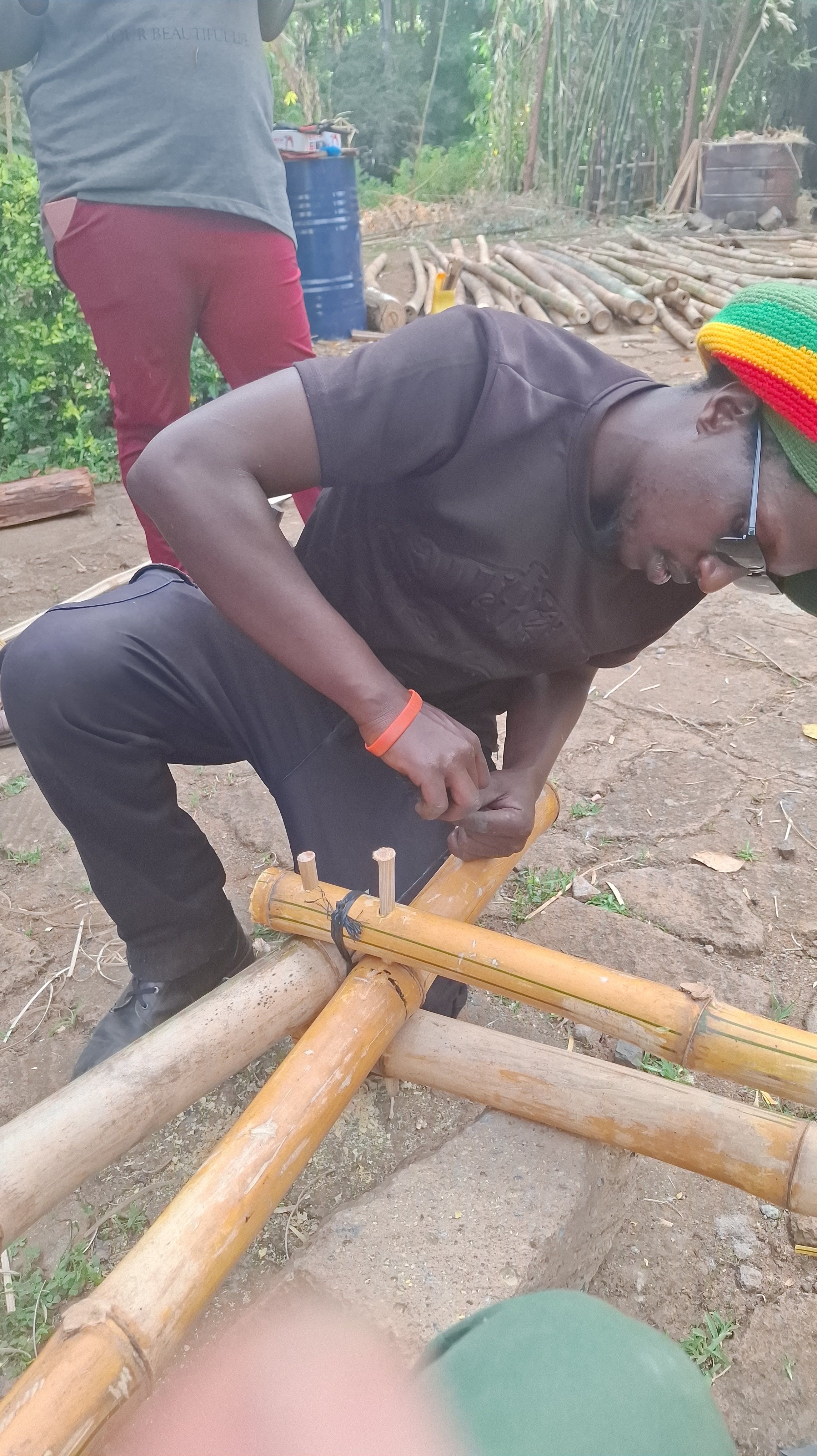
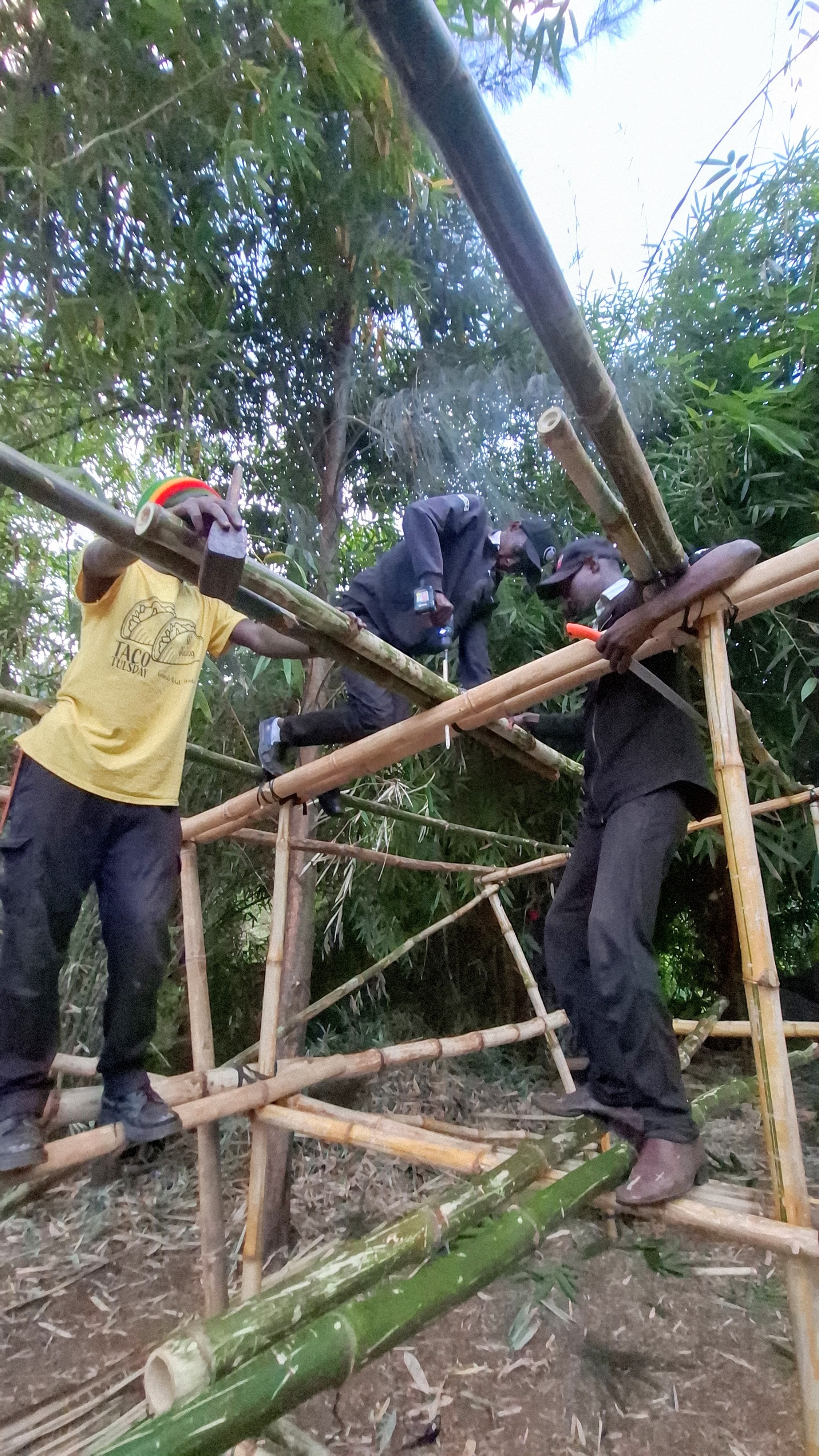
We hope to achieve the following objectives through developing the Bamboo4Africa program further (which we plan to do this year with the next training slated for September 2025):
Assess and utilize existing bamboo resources from previous government initiatives – From our recent experience in Meru county, it is evident that the stands of bamboo which were planted 8-10 years ago have not been maintained and are in somewhat poor condition (overgrown/overcrowded causing stagnant growth and culms are growing crooked due to excess competition within clumps). Information on where the bamboos in the region are growing was a bit elusive and we spent quite a lot of time going out to assess clumps on various farms… We hope that access to the information on local bamboo resources can be coordinated to enable effective management of these resources to occur – and strategic local management plans developed alongside ICOSEED Kenya – a government-funded NGO assisting farmers in the Mount Kenya Region.
Address farmers’ concerns by demonstrating tangible economic benefits of bamboo – The farmers in the Meru area are not currently earning income from the bamboo resources on their land. If they do sell the poles, they get around $2 per culm. There is no local treatment facility and no value-adding process available. Bamboos are being used for fencing and temporary structures. By setting up the Treatment faclity at Anabas Resort, we hope to demonstrate how economic value can be added to the bamboo by turning it into a material able to be used for construction purposes. We have built a small-scale treatment facility at Anabas Resort and a small structure demonstrating simple building techniques. Over the coming months, a stockpile of bamboo will be harvested and treated and in August/September we plan to host a building skills program to further develop skills in bamboo construction and demonstrate the potential value of bamboo as a building material.
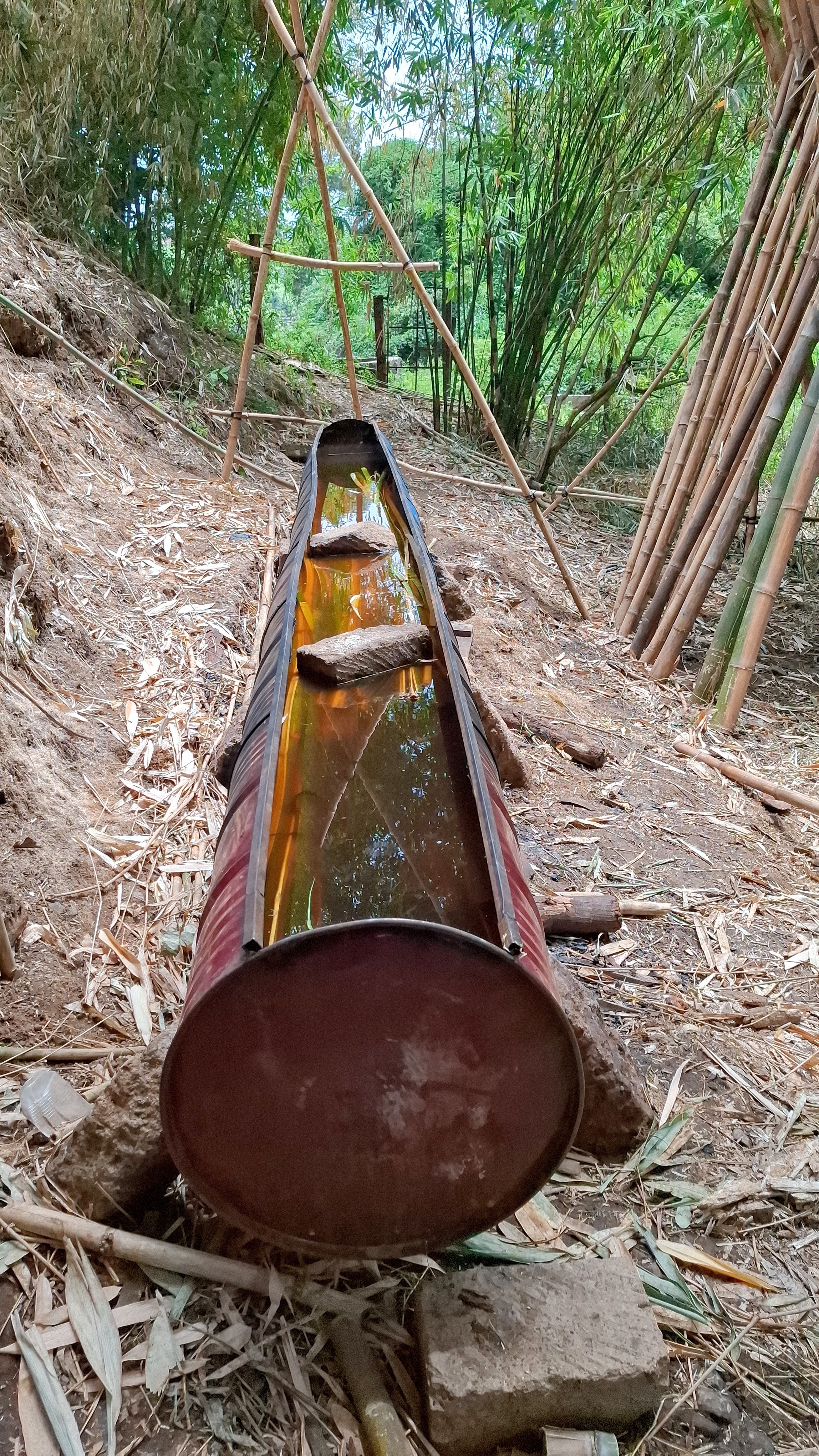
Enhance bamboo stand quality and make treatment affordable – We would like to see local bamboo clumps/ stands become productive and produce quality construction culms – which can then be treated locally and sold to generate income. During the January-February 2025 program we trained local participants to selectivly harvest and treat bamboo. Through continued collaboration with ICOSEED Kenya, we hope to develop local programs that will see these skills become more widespread and contribute to the development of the bamboo industry locally in the Mount Kenya region. The method of treatment primarily used was a hot soak (44 gallon drums welded together) placed so fire can be ignited underneath to generate the heat required. We had planned to primarily teach the Vertical Soak Diffusion method with hyperbolioc tower stand for the bamboo – but there was limited time and this process takes longer though is more affordable and requires no burning of fuel. With an integrated approach, and suitable site selection, treatment “hubs” can be set up and managed affordably in the local region.
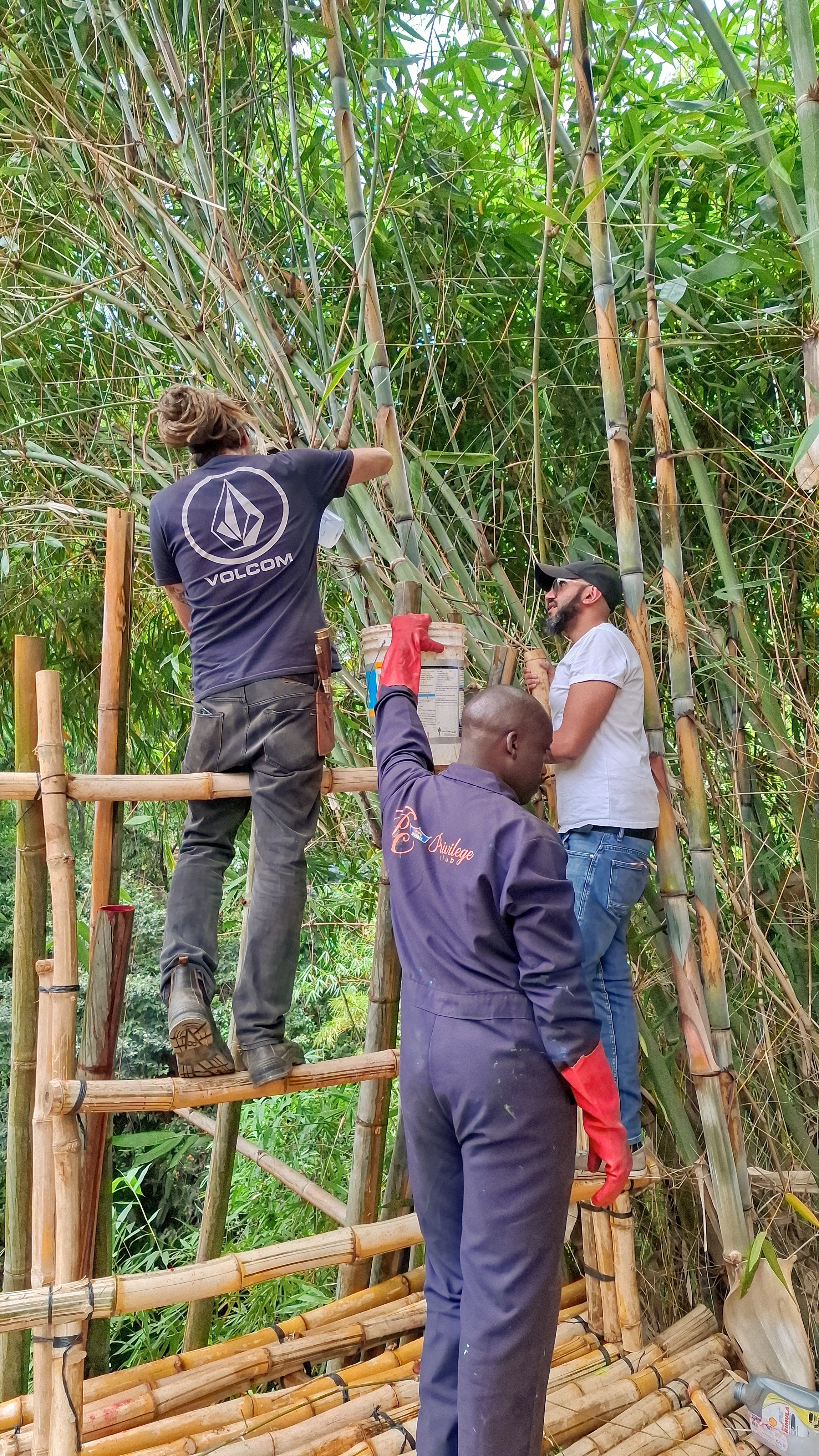
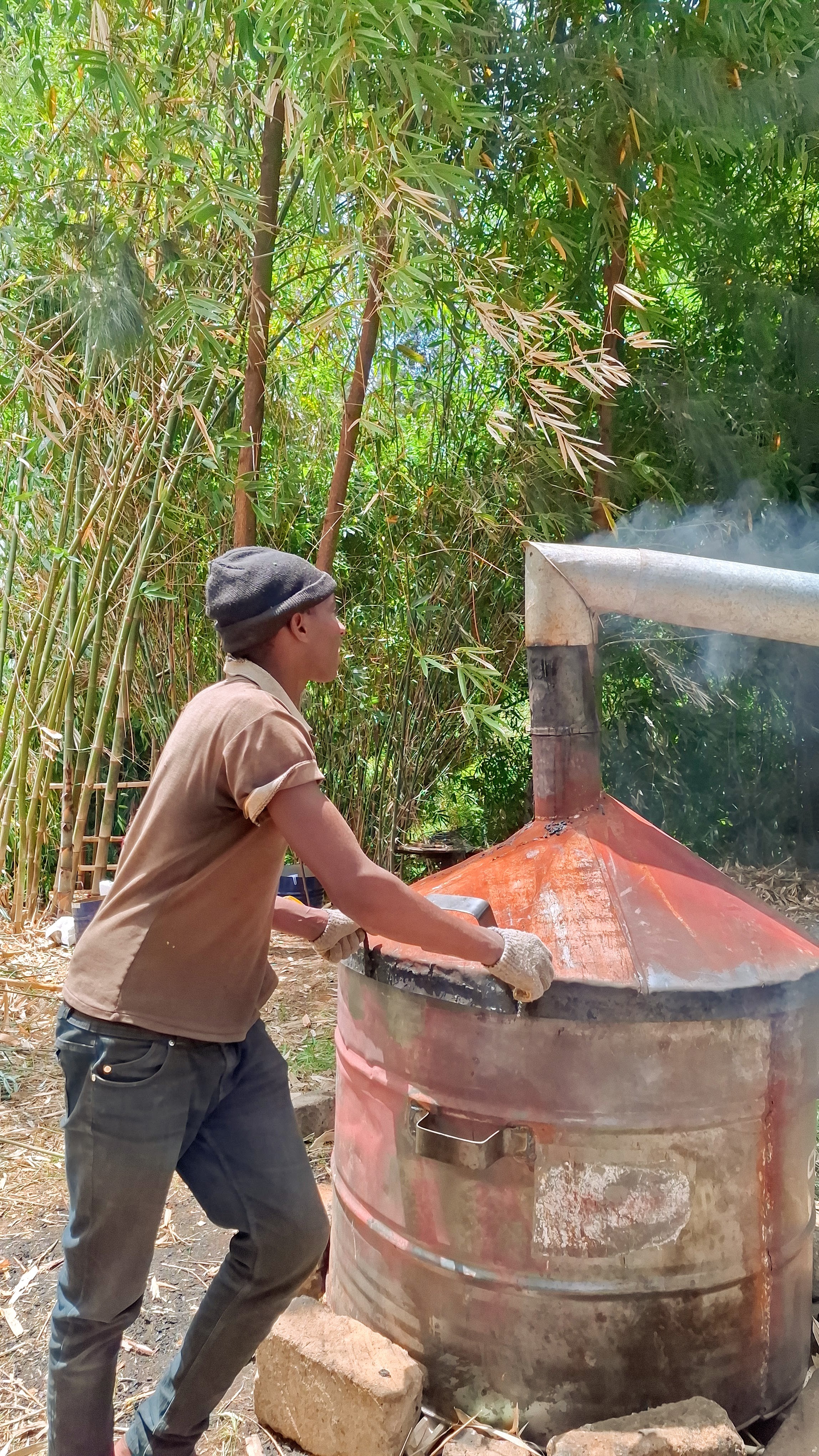
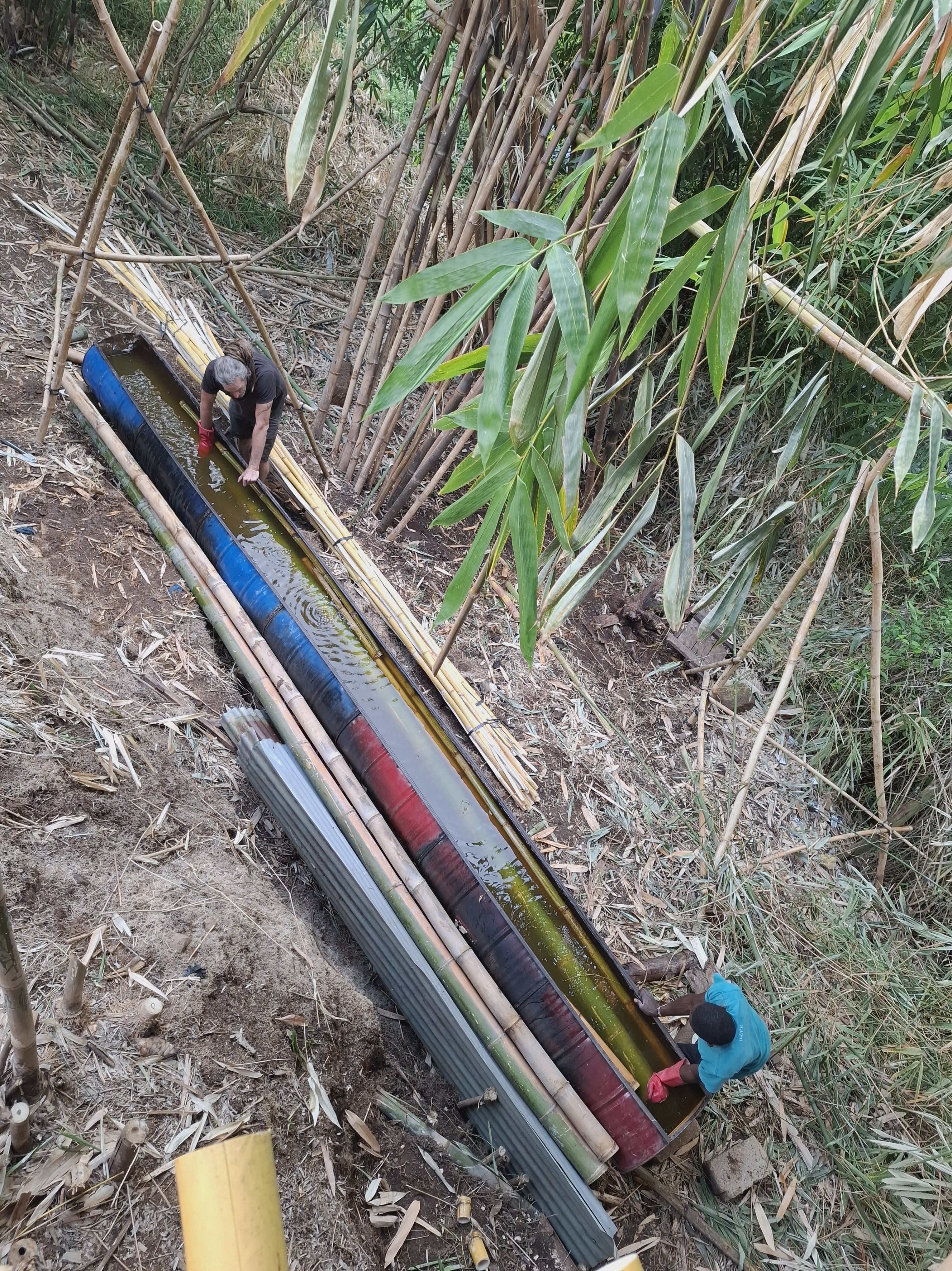
Create reliable income streams through multiple bamboo product channels – Processing bamboo for treatment of construction culms results in the creation of many by-products and resources apt for utilising to create additional income streams – and which can be co-operatively managed for fair income benefits for local community members. Symbiotic relationships and services can be set up so that, for example, a team that comes in to clear up the clumps and selectively harvest them could then utilise the “waste” from this process to make biochar, bamboo vinegar, furniture, lamps, cups and other crafts…
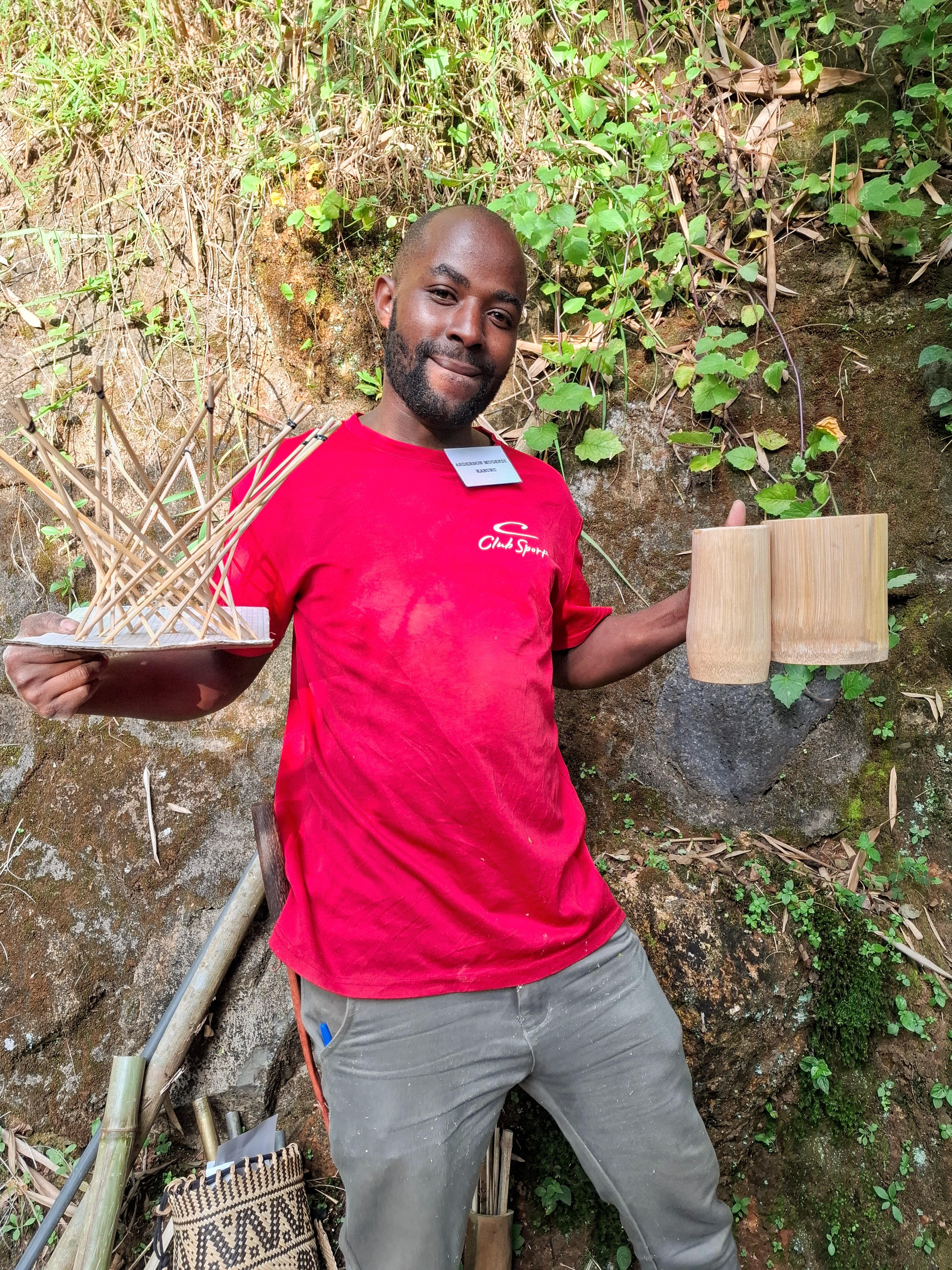
As Jaye remarked in his inaugural talk, “Bamboo is Plentiful – it just keeps on giving.” The potential for product development is limitless, with an abundance of raw materials available from the “waste” produced by other manufacturing processes. By integrating collaborative labor forces into bamboo resource management, we can develop multiple products and income streams that reinvest into the market, allowing more individuals to benefit from and pursue careers or enterprises within the bamboo industry. The real challenge lies in shifting the predominant mindset from a “paycheck” mentality to one of entrepreneurial thinking. To facilitate this transition, we are seeking initial funding to foster circular economy dynamics through education, engagement programs, and resources for product development and mentoring.
Develop local businesses, cooperatives, and social enterprises – The secret to transforming bamboo into a sustainable resource for all lies in collective involvement. With the diverse aspects and specializations of bamboo, job opportunities will always abound. Currently, we often assess “budgets” to determine what work or labor can be utilized; however, by focusing on “sharing” income and benefits, we can unlock even greater potential. Our aim is to mentor local groups in establishing effective management systems and resource-sharing plans to maximize benefits. While initial funding is necessary for this establishment, we plan to collaborate with ICOSEED Kenya to implement management initiatives and foster local enterprises. ICOSEED already has a commercial arm that can be expanded to enhance market reach both locally and internationally.
Upskill local carpenters and craftspeople – During the January/February program, significant time was dedicated to harvesting and treatment skills, leaving limited opportunities for participants to practice carpentry techniques and design skills. Additionally, the condition of the bamboo culms, mostly bent, posed challenges for construction. While participants creatively utilized what they learned to make furniture, there was insufficient time to teach professional building and furniture construction methods – a few students stayed after the official program ended to complete the building construction. We hope that future programs will allow for more dedicated time to develop these skills and that we will have the necessary resources to bring in adequate teaching staff for effective skill transfer and uptake.
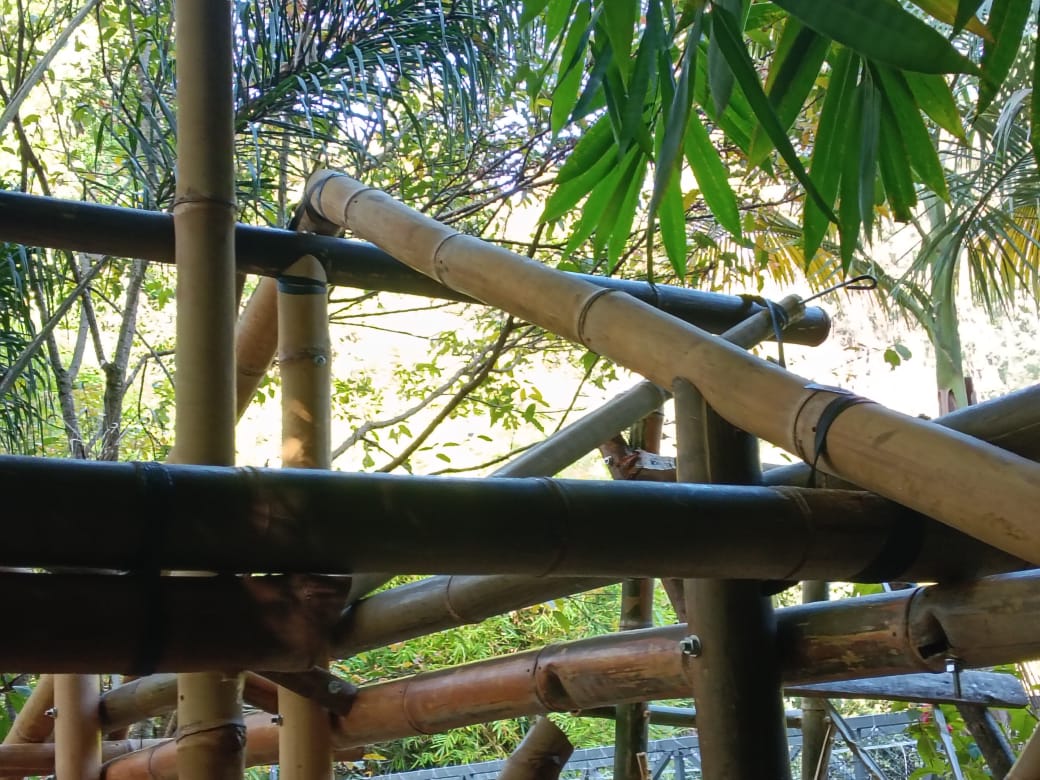
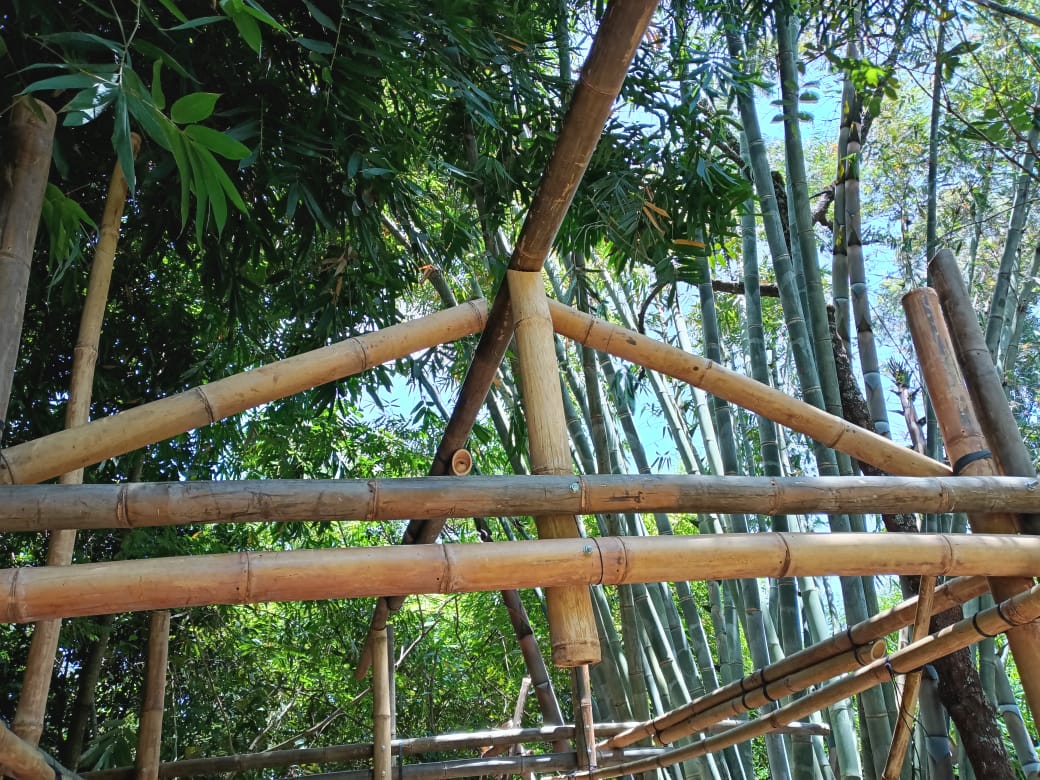
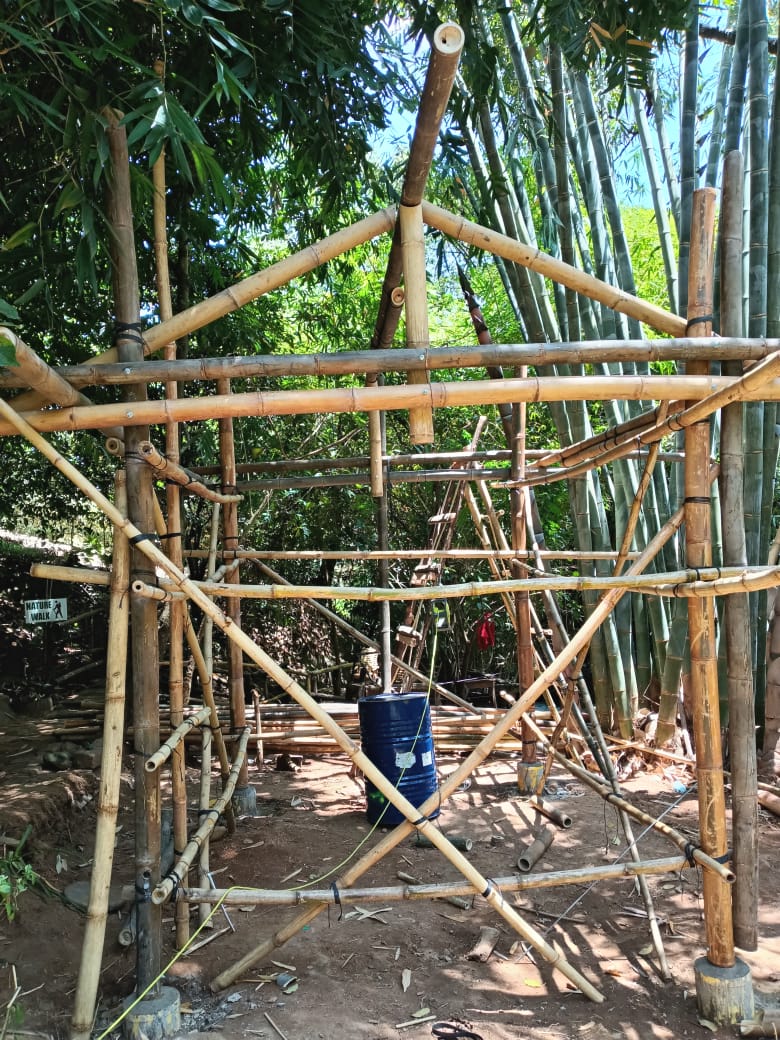
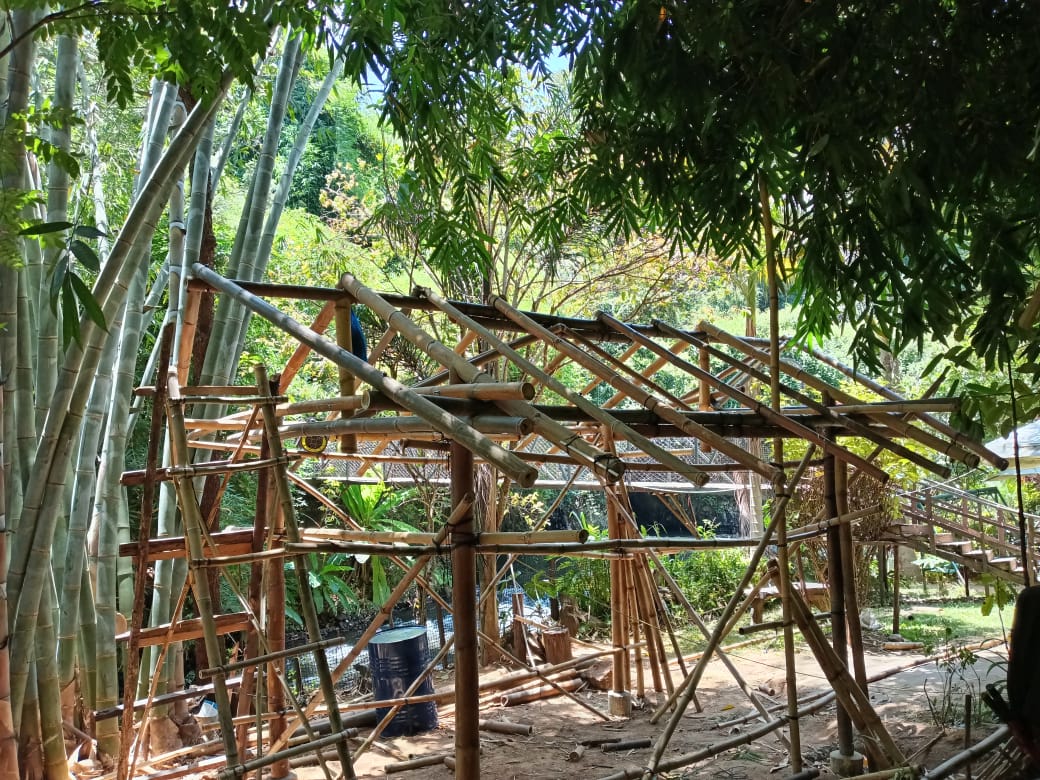
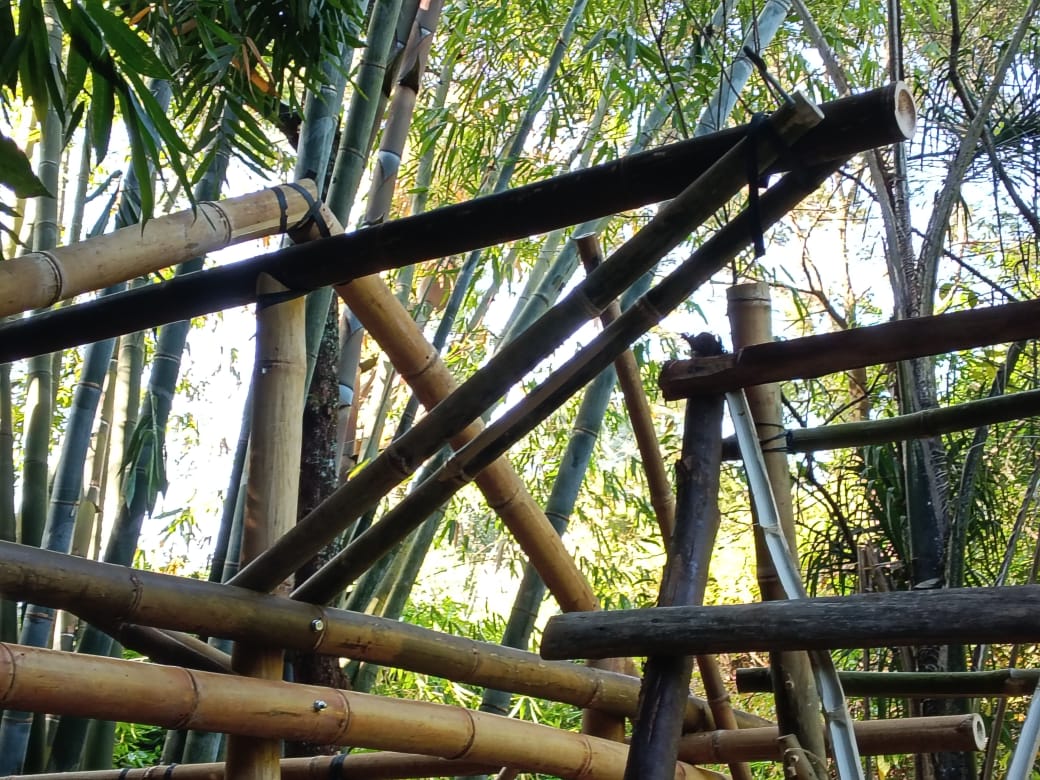
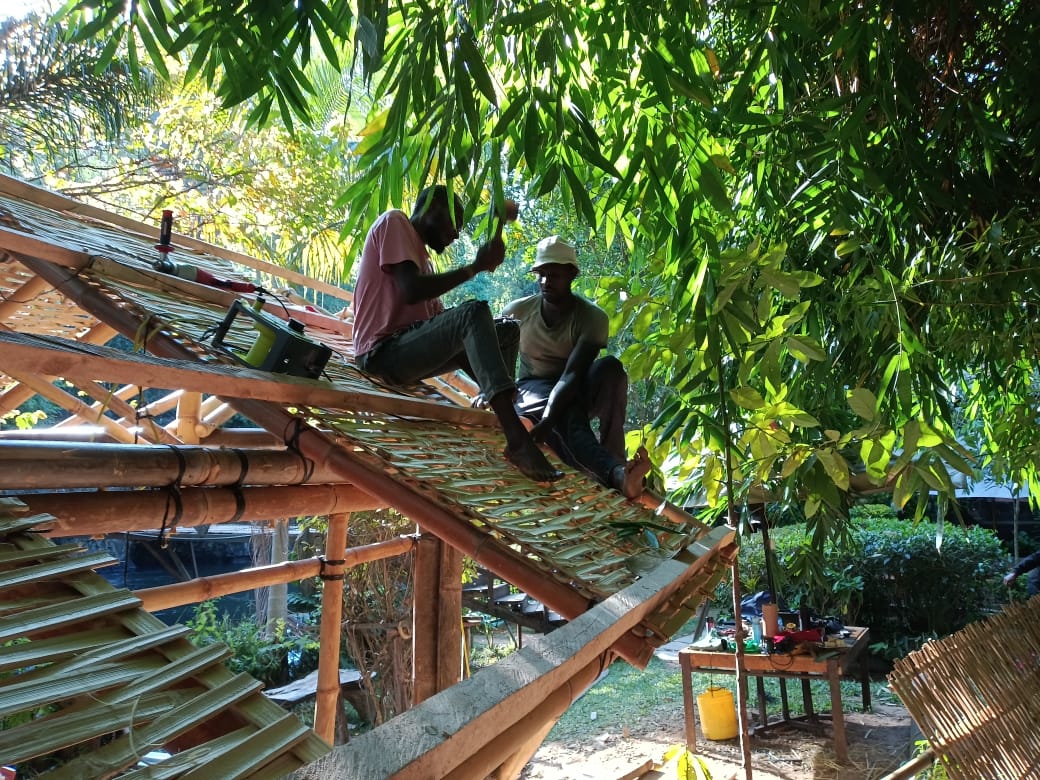
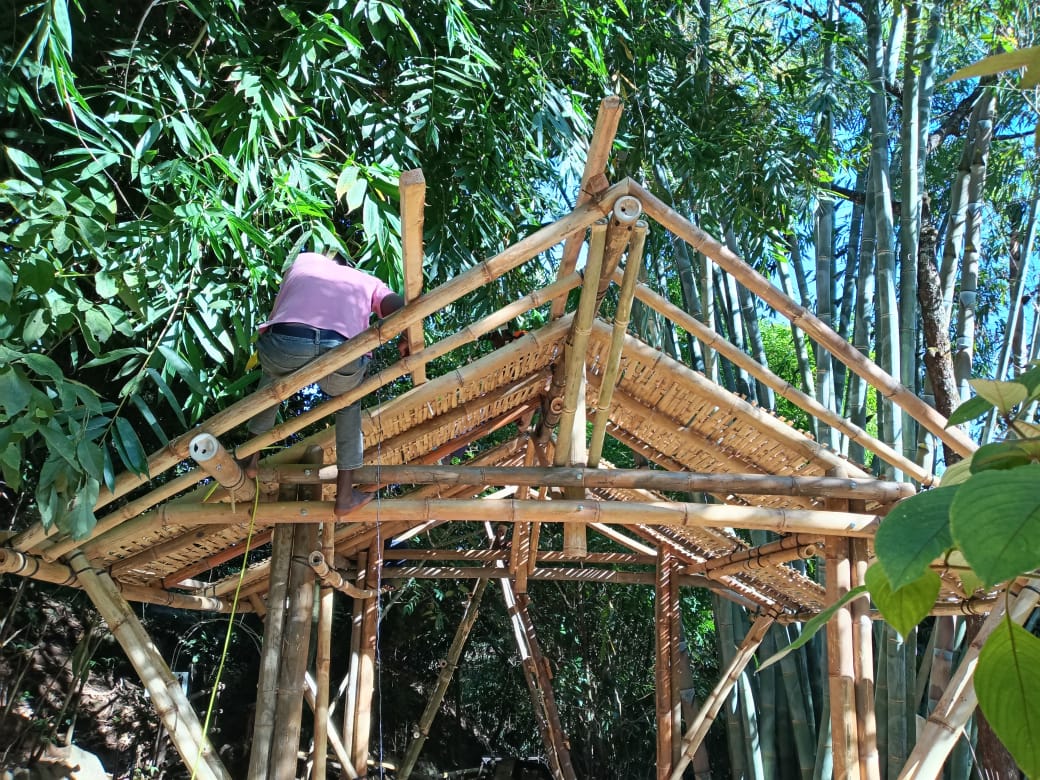
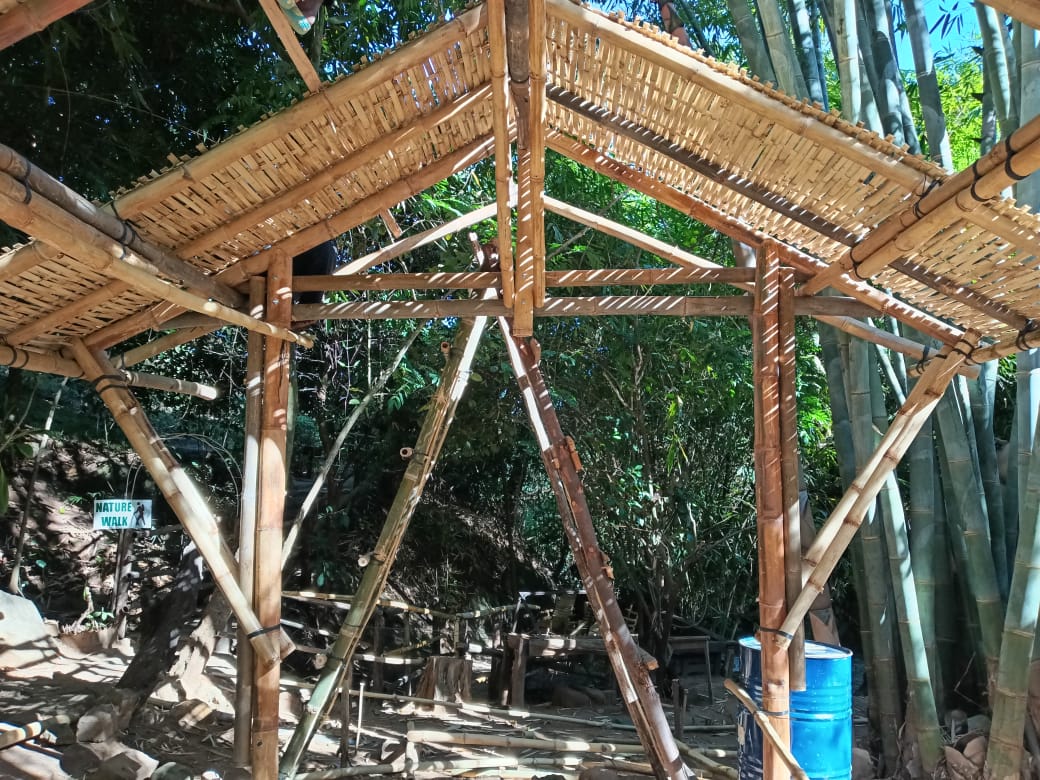
Promote sustainable building techniques using renewable materials – While bamboo is a renewable material, it represents just one aspect of sustainable building in a holistic context. Structures made solely of bamboo often lack the insulation and comfort that modern buildings require. Our goal is to revive traditional building techniques that utilize natural materials, such as earth, which have gained popularity in the West due to their natural insulation and health benefits compared to industrial materials like cement. Around the world, traditional societies continue to employ these techniques, which have been embraced by the “eco-architecture” market in the West. Although in high demand, they can be costly due to labor demands and the declining skill set in modern societies. However, we believe that this labor requirement can create local job opportunities and foster collaboration with the international community at the Regenerative Village level. Increasingly, people are looking to escape over-industrialized areas and embrace life in close-knit, locally empowered communities where a connection with nature and eco-technology results in lifestyles that harmonize community and nature, providing an abundance of locally sourced fresh produce and a deeper connection with one’s environment.
Develop biochar production for carbon sequestration, soil improvement, and alternative fuel – as it presents a multifaceted approach to combating climate change while simultaneously enhancing agricultural sustainability. By converting bamboo plant waste into biochar through pyrolysis, we not only sequester carbon in a stable form for centuries but also enrich the soil with nutrients, improving its structure and water retention capabilities. This innovative process not only helps in reducing greenhouse gases but also reduces pressure on forests as charcoal can be produced as a cooking fuel source. The process also offers bamboo vinegar as a by-product when gases produced during pyrolysis are captured. Furthermore, implementing biochar can lead to increased crop yields and reduced reliance on chemical fertilizers, fostering a healthier ecosystem for future generations.
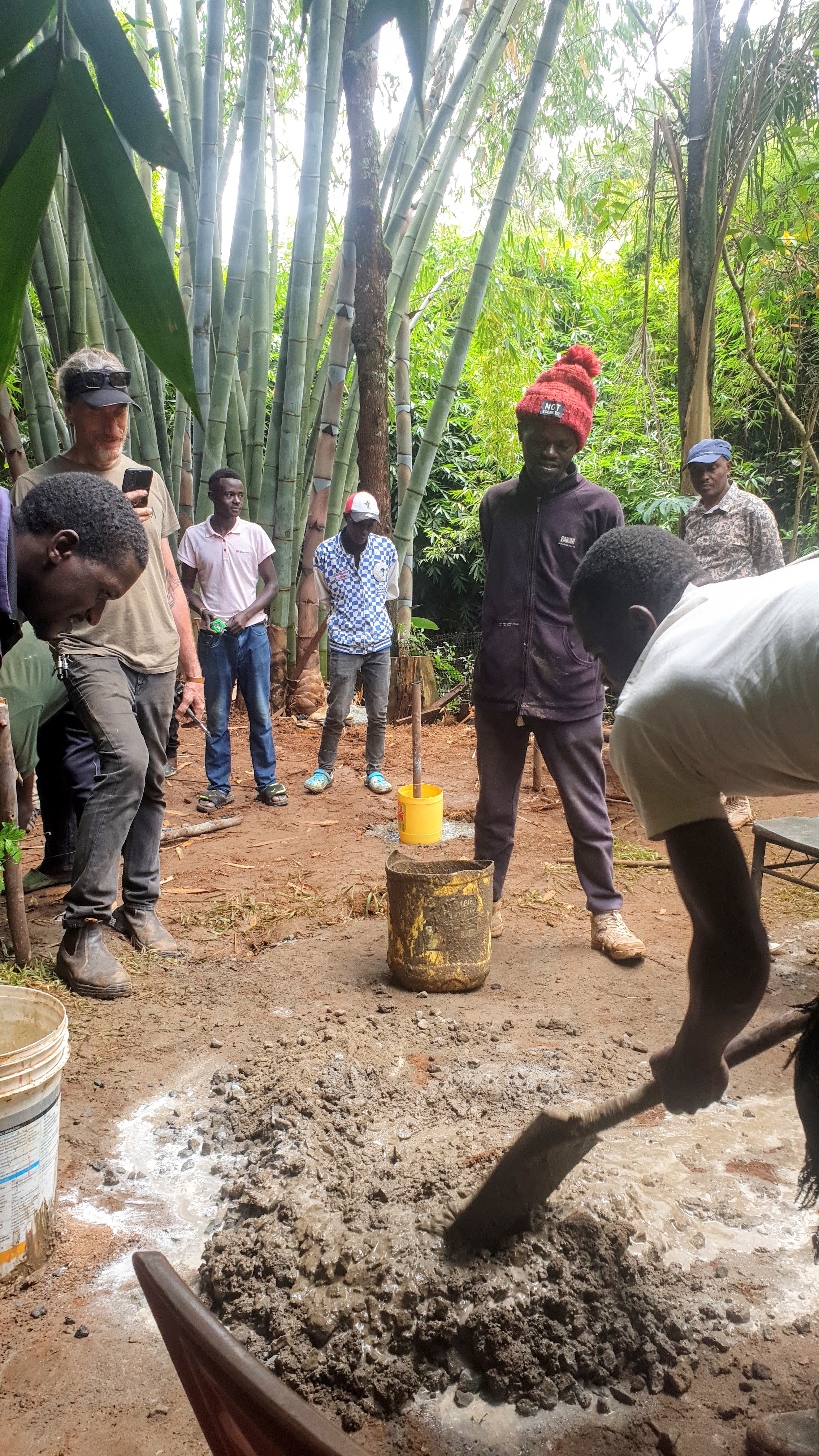
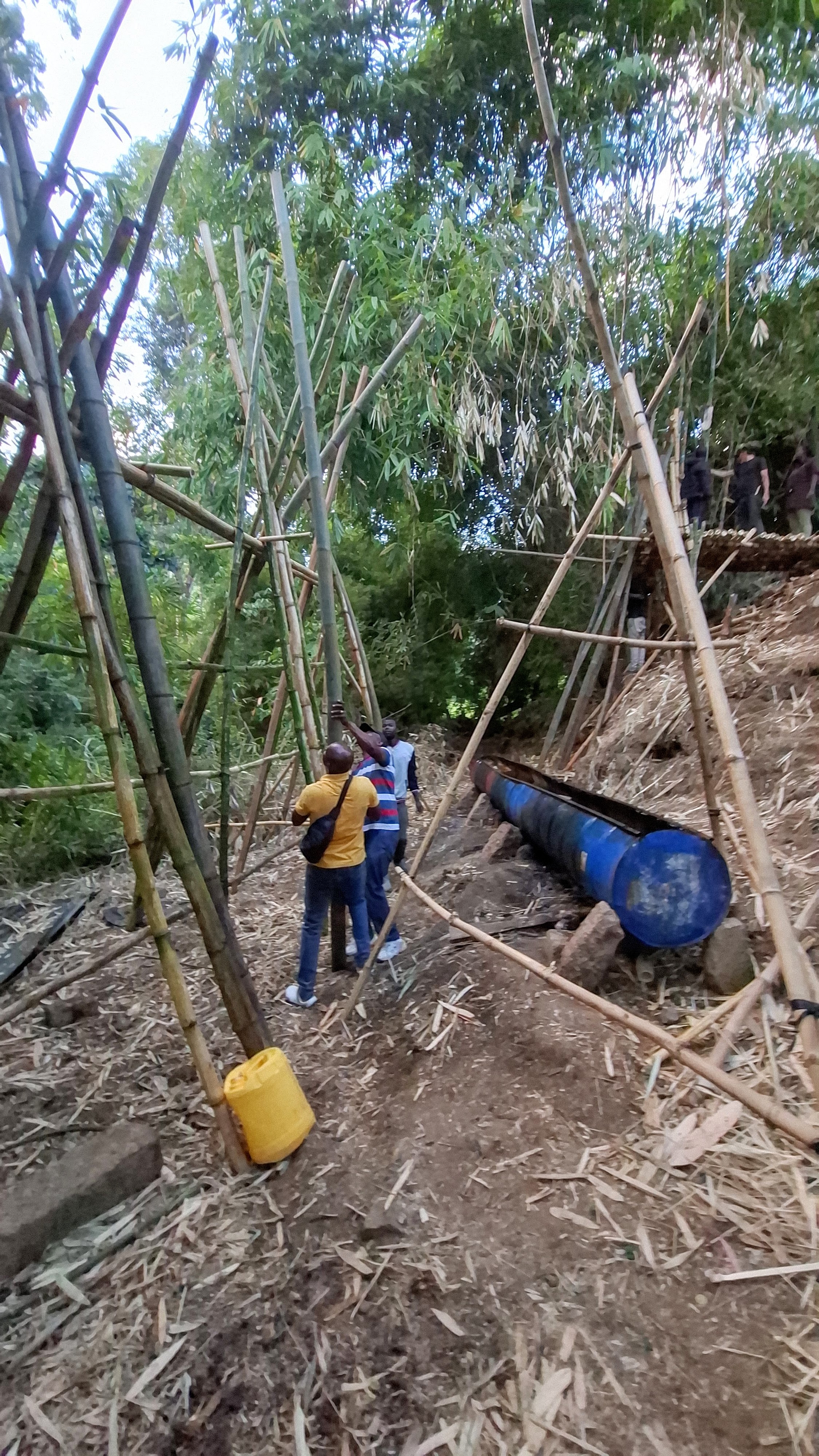
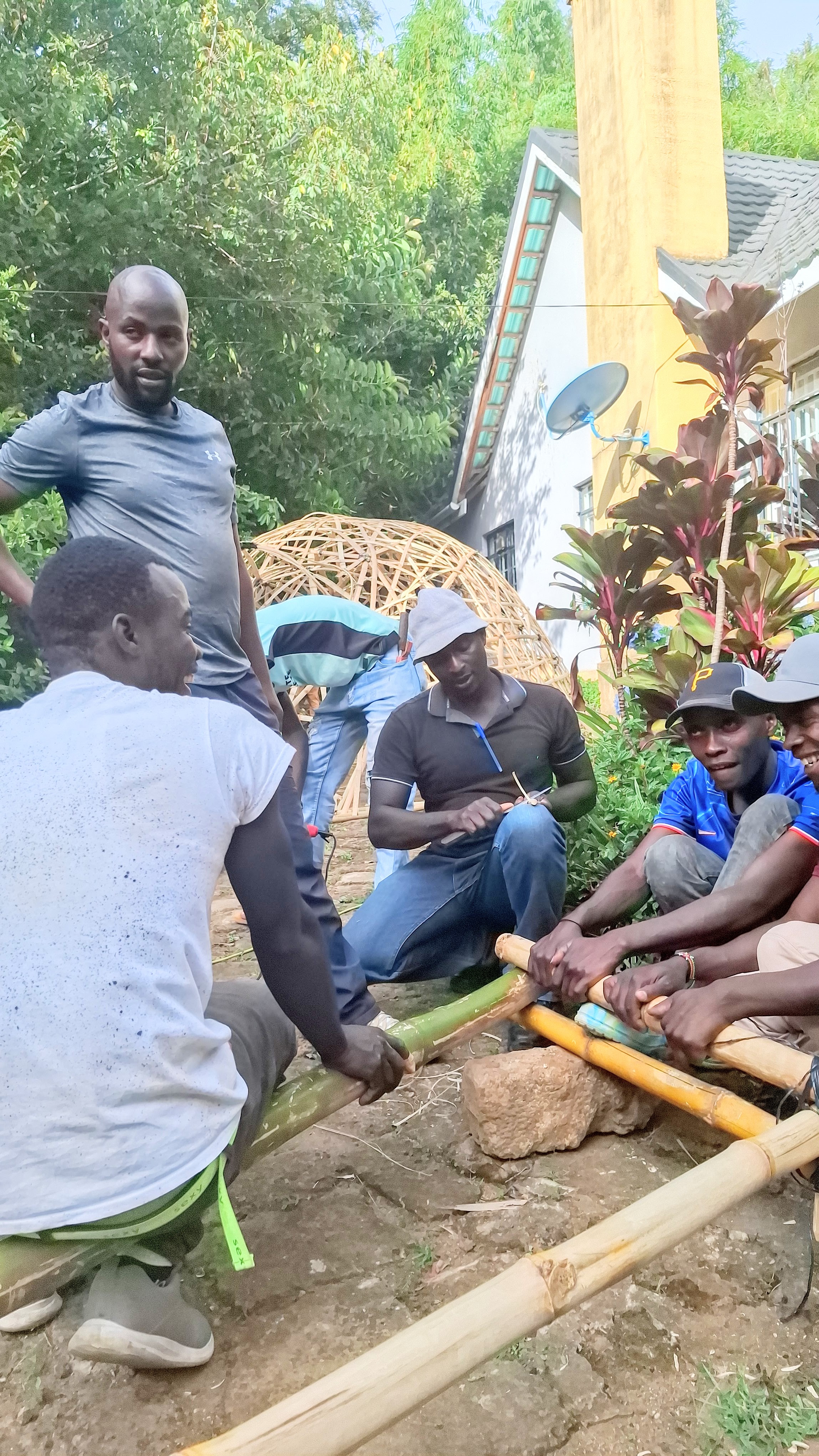
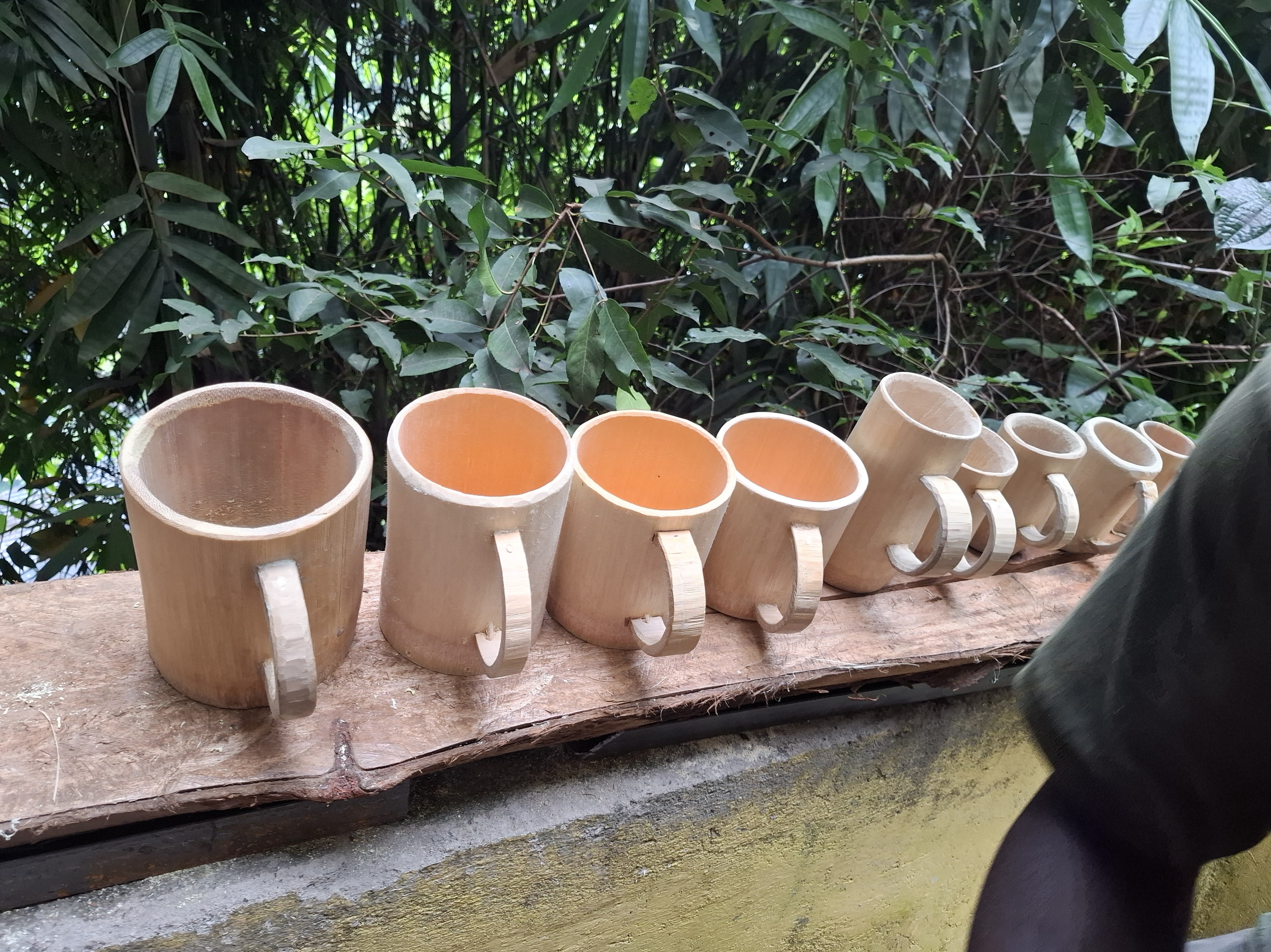
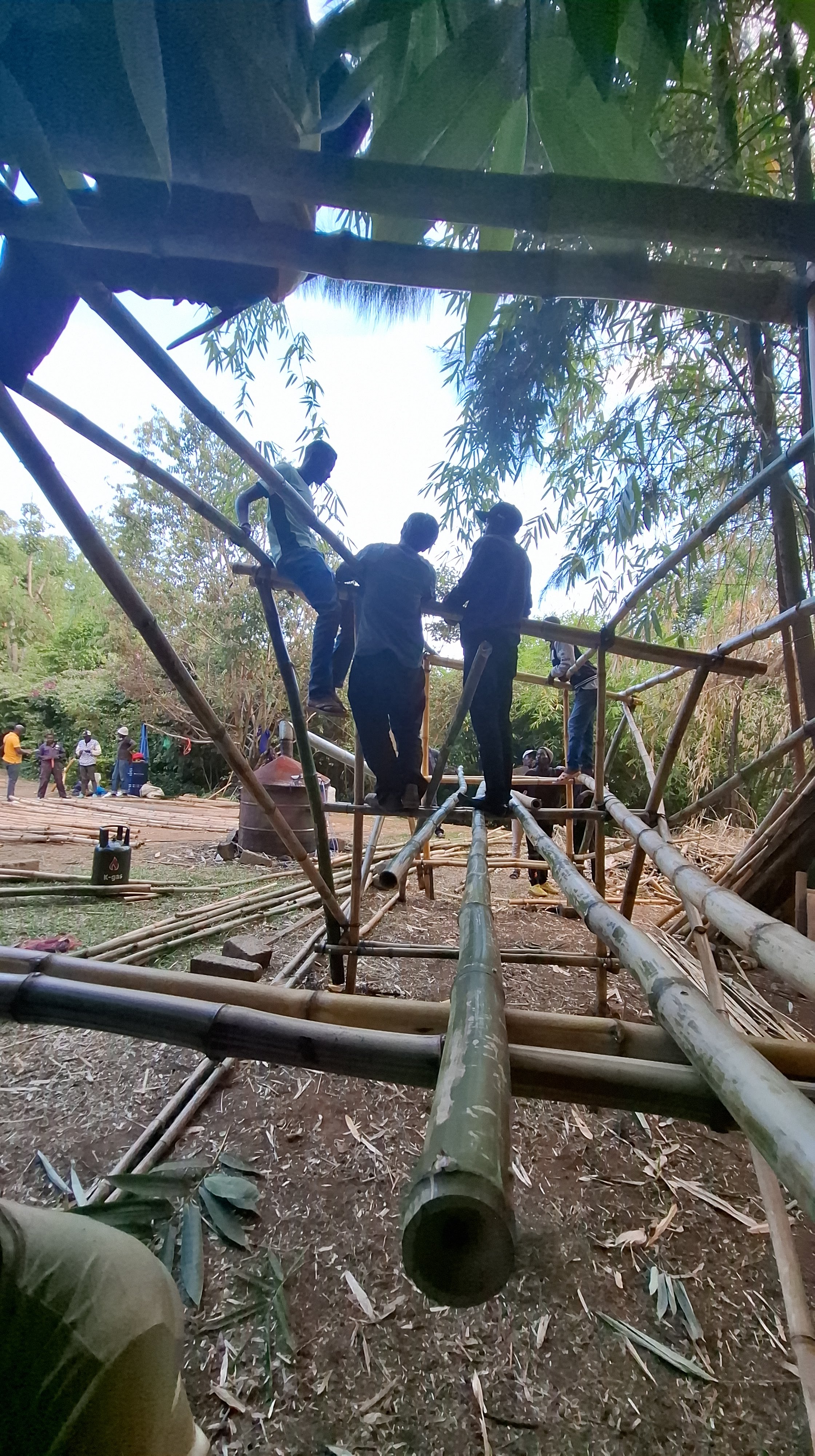

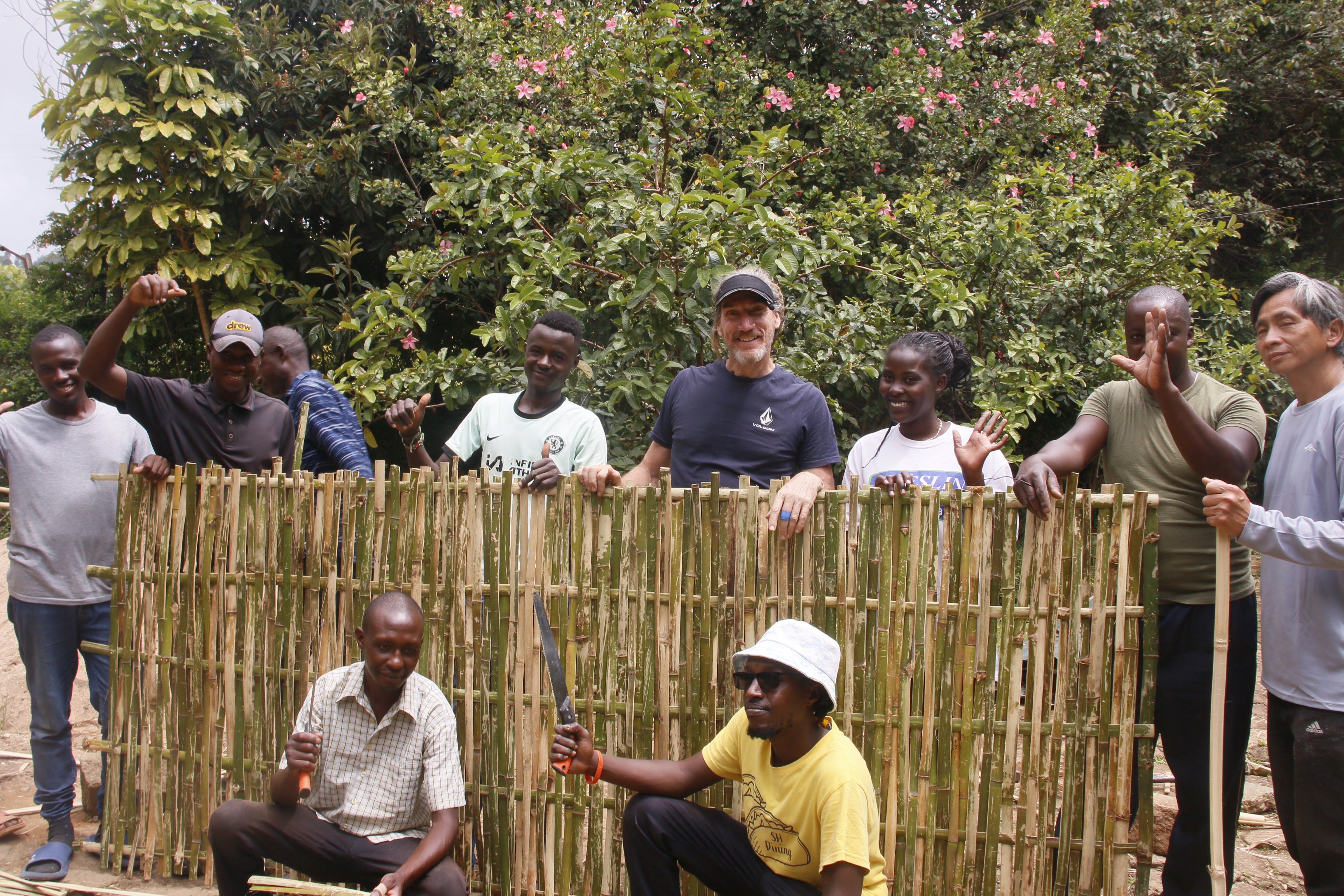
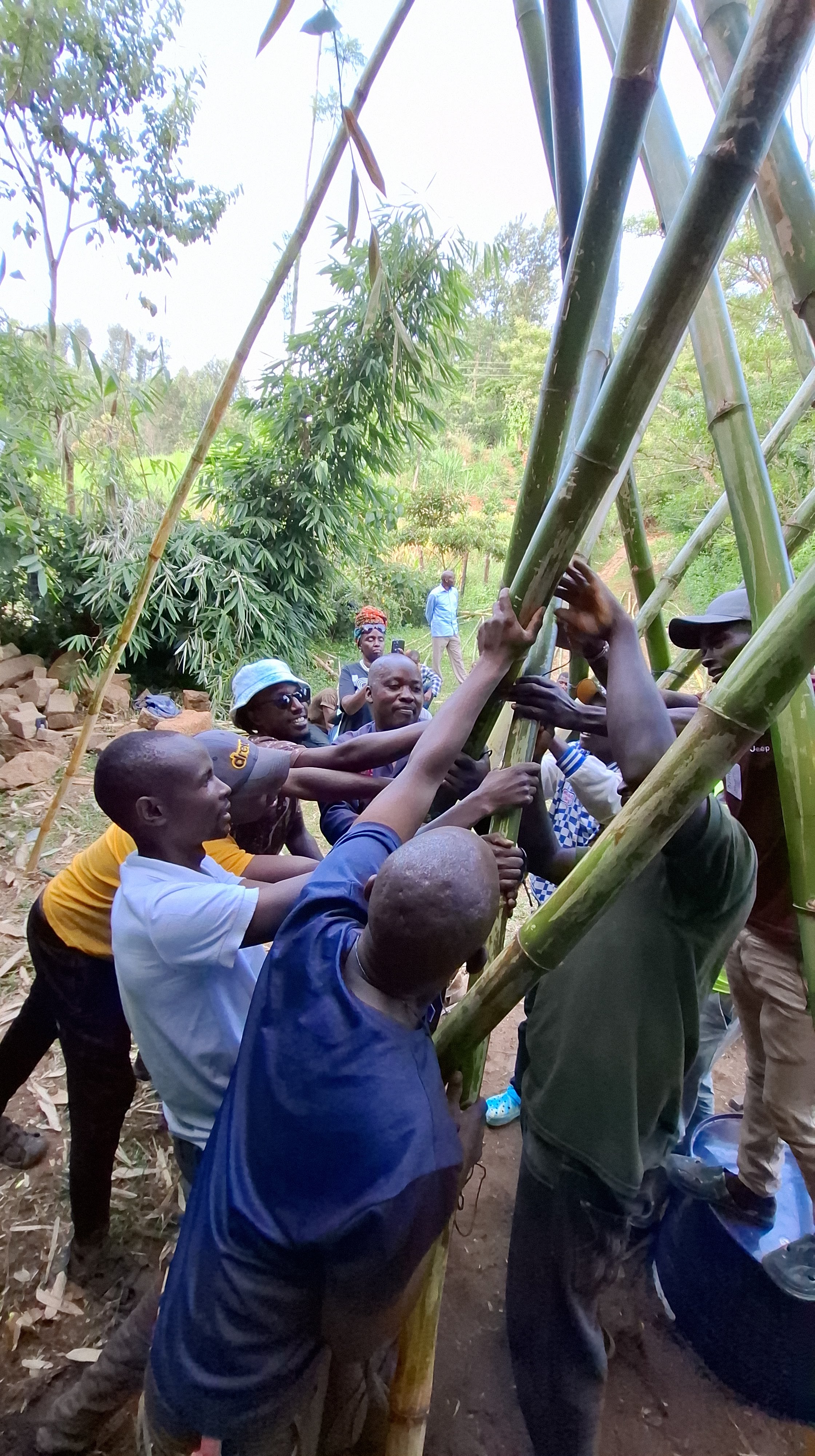
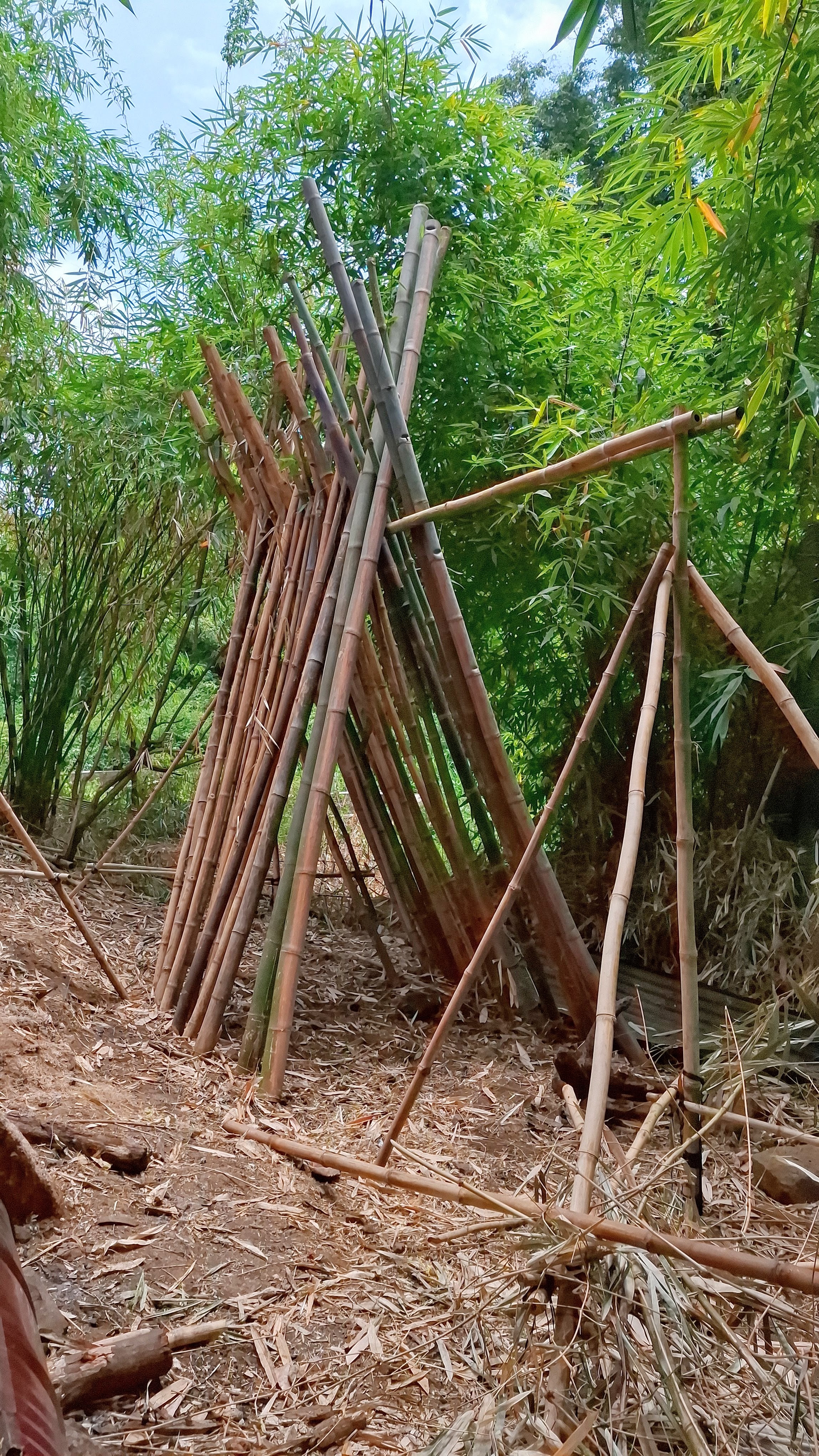

Establish value-added processing facilities for construction materials – which will enhance the overall quality of bamboo construction materials locally and increase the sustainability of building projects locally. These facilities will not only improve the efficiency of material usage but also reduce waste by repurposing unused resources. By implementing innovative techniques and advanced technologies, the facilities can produce higher-grade materials that meet the evolving demands of modern construction while promoting environmentally friendly practices. Furthermore, this initiative will create local job opportunities and stimulate economic growth in the community, fostering a more resilient construction industry in the long term.
Advocate for policy reforms to support bamboo trade and exports – As the global demand for sustainable and eco-friendly materials continues to rise, it becomes increasingly vital to advocate for policy reforms that bolster the bamboo trade and its exports. By implementing supportive regulations and incentives, we can help local farmers and businesses capitalize on this rapidly growing industry, which not only promotes economic development but also fosters environmental sustainability. Strengthening export channels, providing access to international markets, and encouraging research on bamboo’s versatility as a resource will ensure that it becomes a cornerstone for both domestic and global markets. Engaging with stakeholders, from government officials to local communities, is essential to create a cohesive strategy that maximizes the potential of bamboo as a lucrative export commodity, while simultaneously preserving our natural resources and supporting rural livelihoods.
Create integrated community development frameworks around bamboo resources – This initiative aims to harness the vast potential of bamboo as a sustainable resource, encouraging local communities to collaborate in developing innovative frameworks that promote eco-friendly practices. By emphasizing the role of bamboo in various sectors such as construction, furniture and homewares, and cooking fuel, we can foster economic growth while preserving the environment. Furthermore, these frameworks will integrate education and training programs designed to empower community members with the skills needed to utilize bamboo effectively, ensuring that both the communities and the ecosystem thrive alongside local business and government and educational organizations / institutions. Engaging stakeholders, from local artisans to policymakers, will be essential for creating a comprehensive approach that aligns development goals with sustainable resource management, ultimately leading to resilient communities and a greener future.
The Current Challenge:
The challenge is that farmers were initially told they could make money from bamboo, but no one provided them with the necessary training, making it a difficult decision for them to capitalize on their existing bamboo or replace it with a cash crop.
Now that the bamboo has reached maturity, it is time to harvest, and providing a way to create value from the bamboo could help farmers see its potential and generate a residual income. What our project aims to facilitate, along with local NGO’s, is a network of youth cooperative enterprises, starting with Riziki Youth and ICOSEED Kenya – Starting with Biochar production, which is in high demand from local buyers, including an organic fertilizer company. By enabling community-led bamboo production, we tackle multiple systemic challenges: unemployment, environmental degradation, and economic exclusion — with scalable, regenerative solutions rooted in local culture.
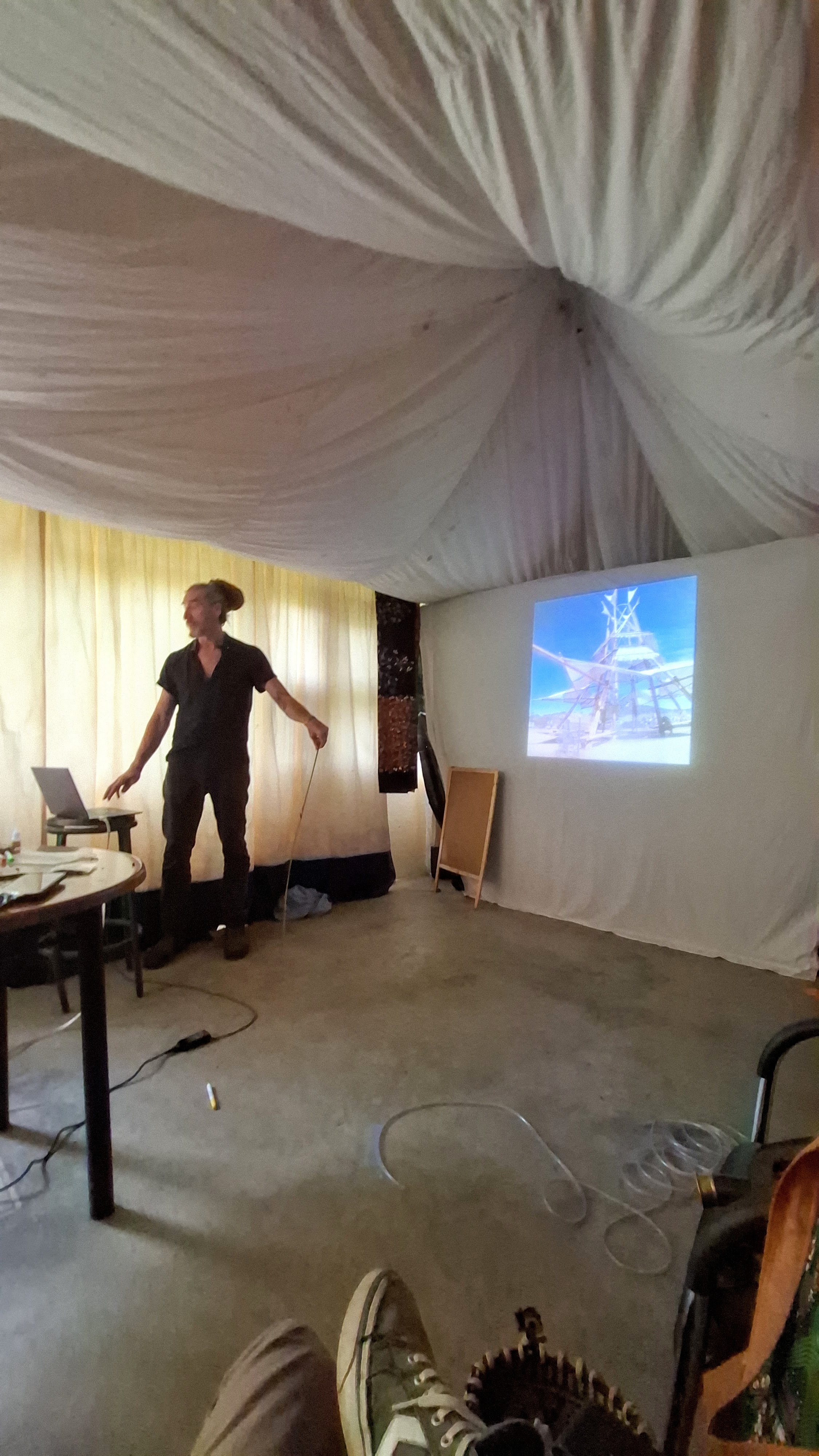
Here’s a segment from Jaye’s inspiring presentation at our January training in Meru (Kenya):
Watch on YouTube https://youtu.be/5-f7h3HkceQ?si=Ux8LHbycmibrv4lC
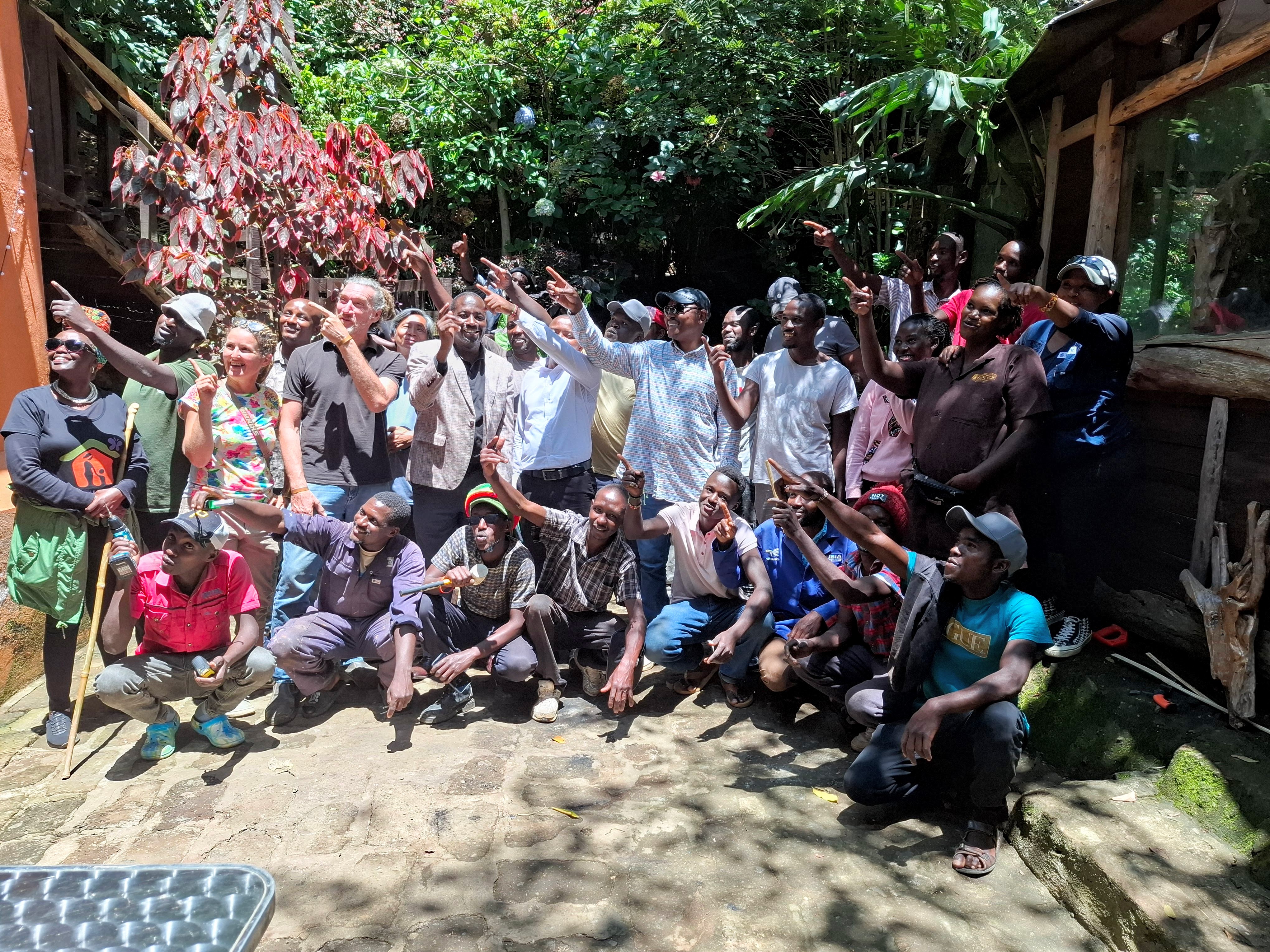
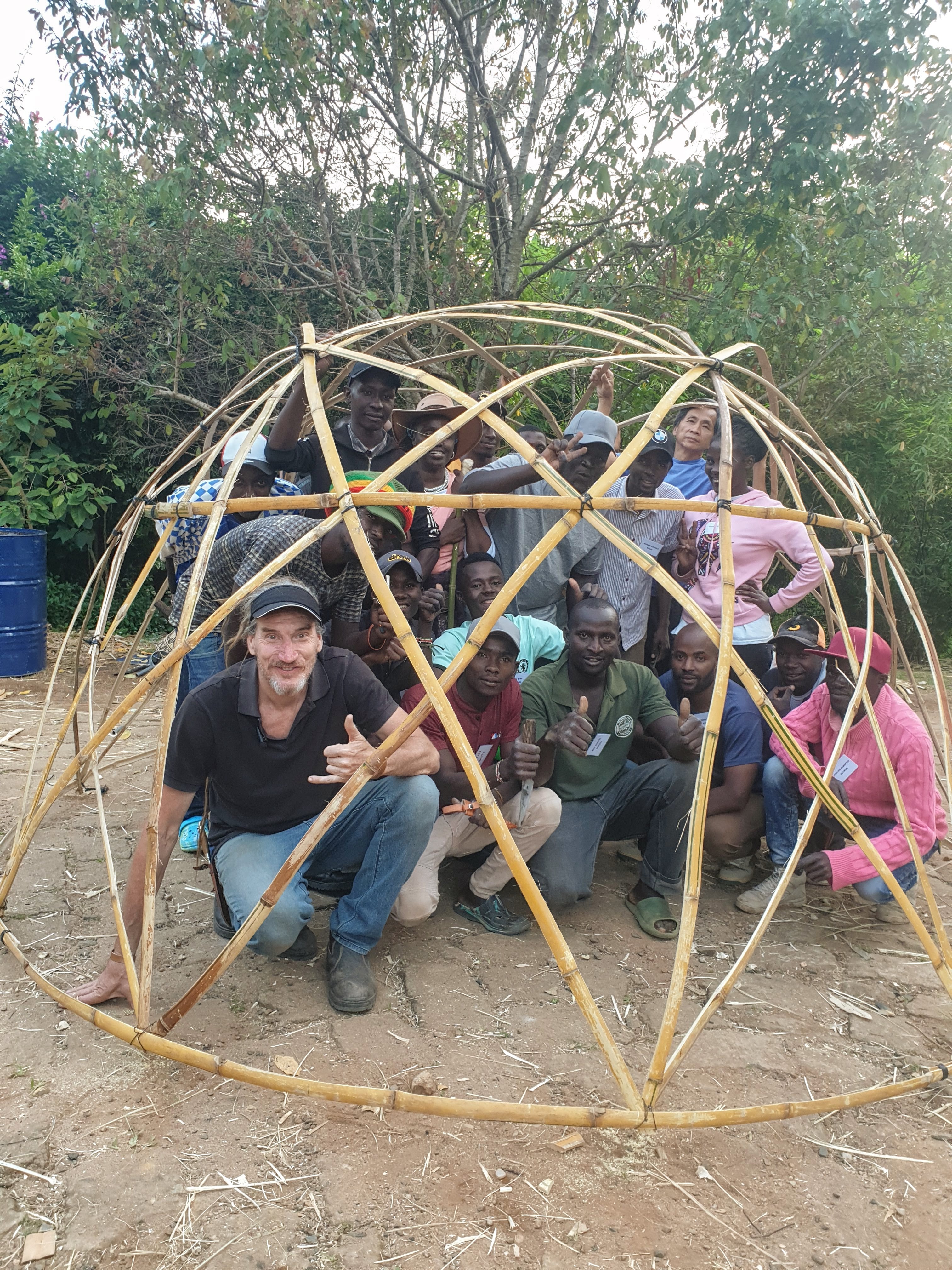
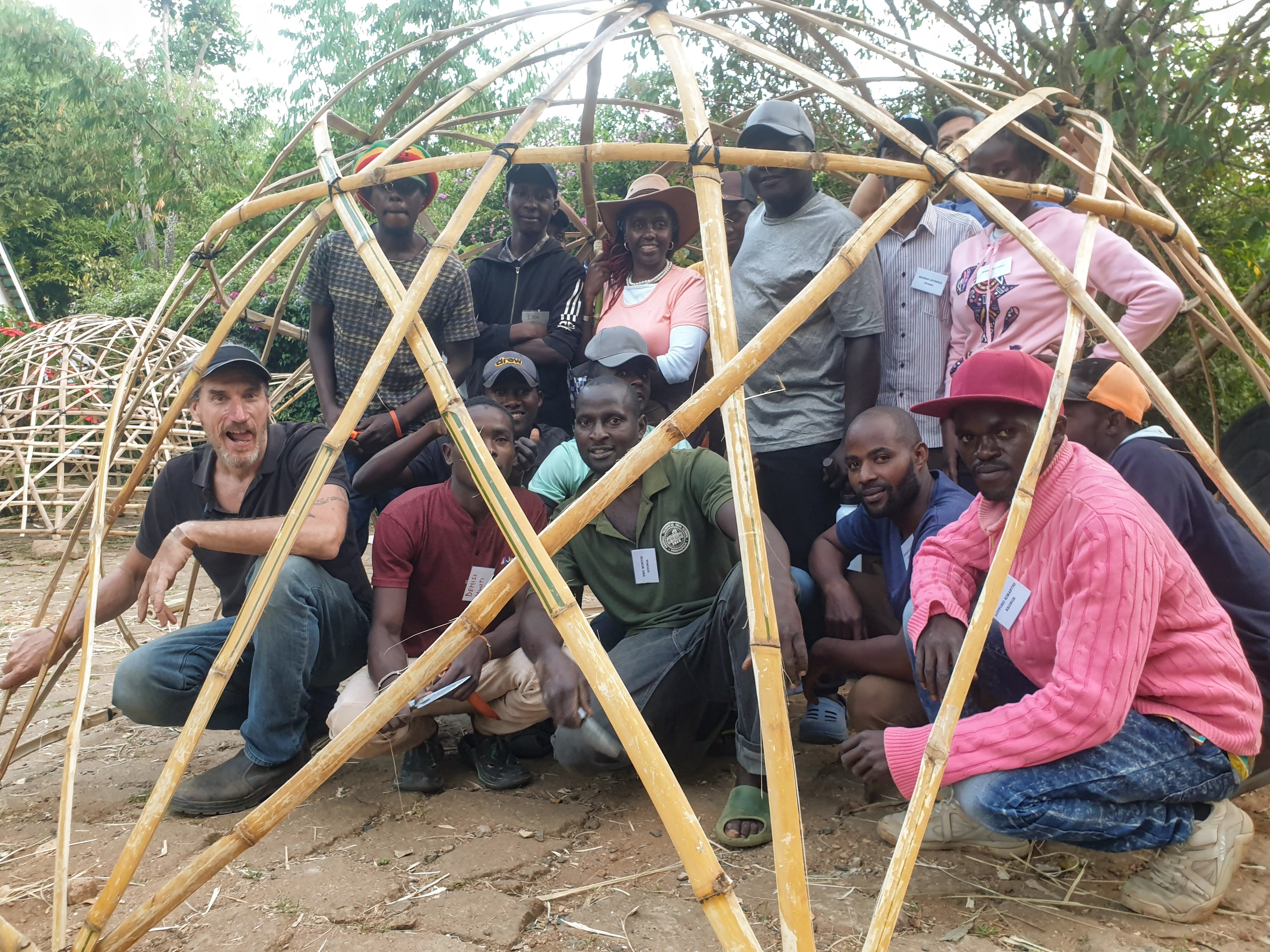
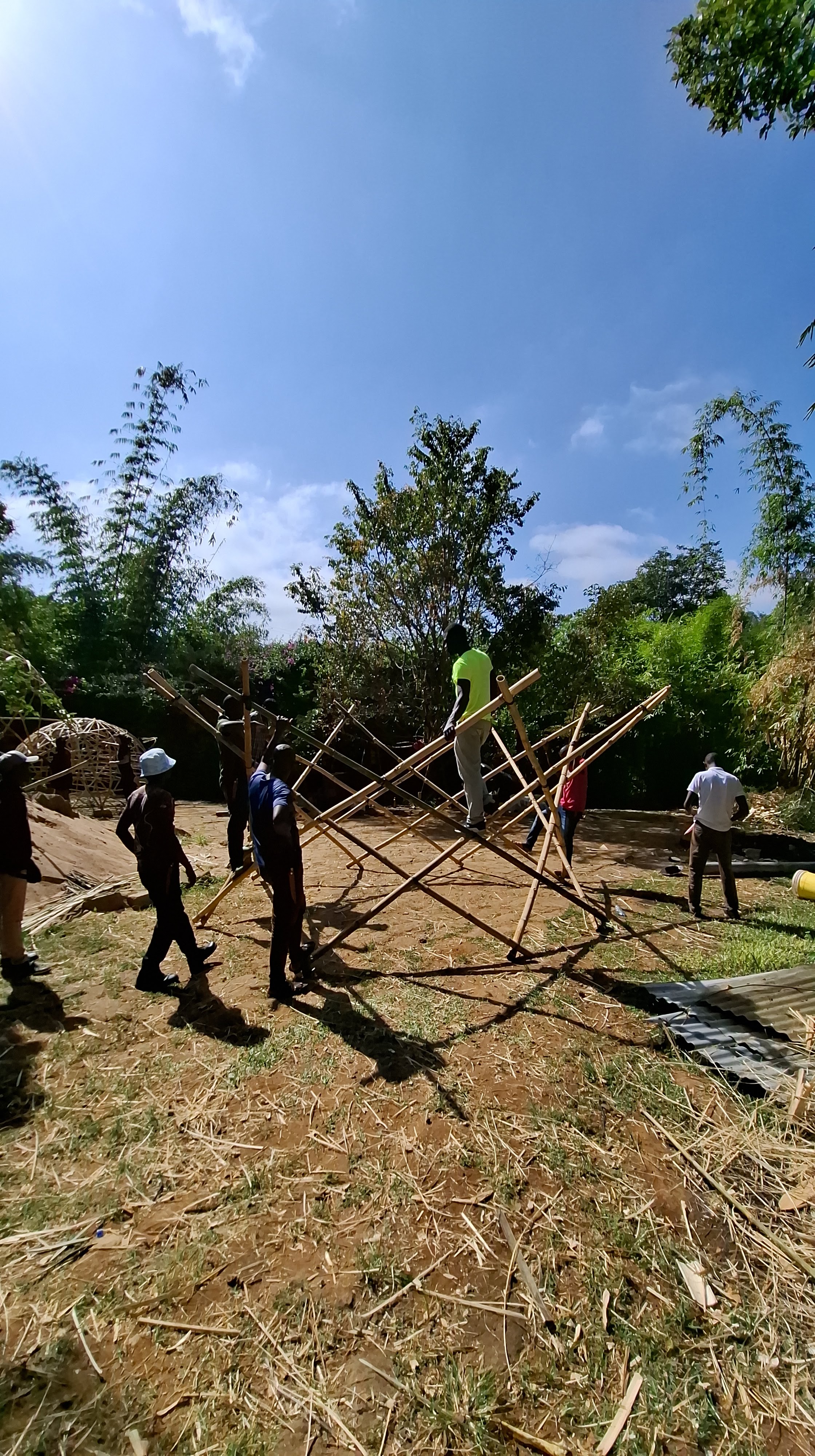
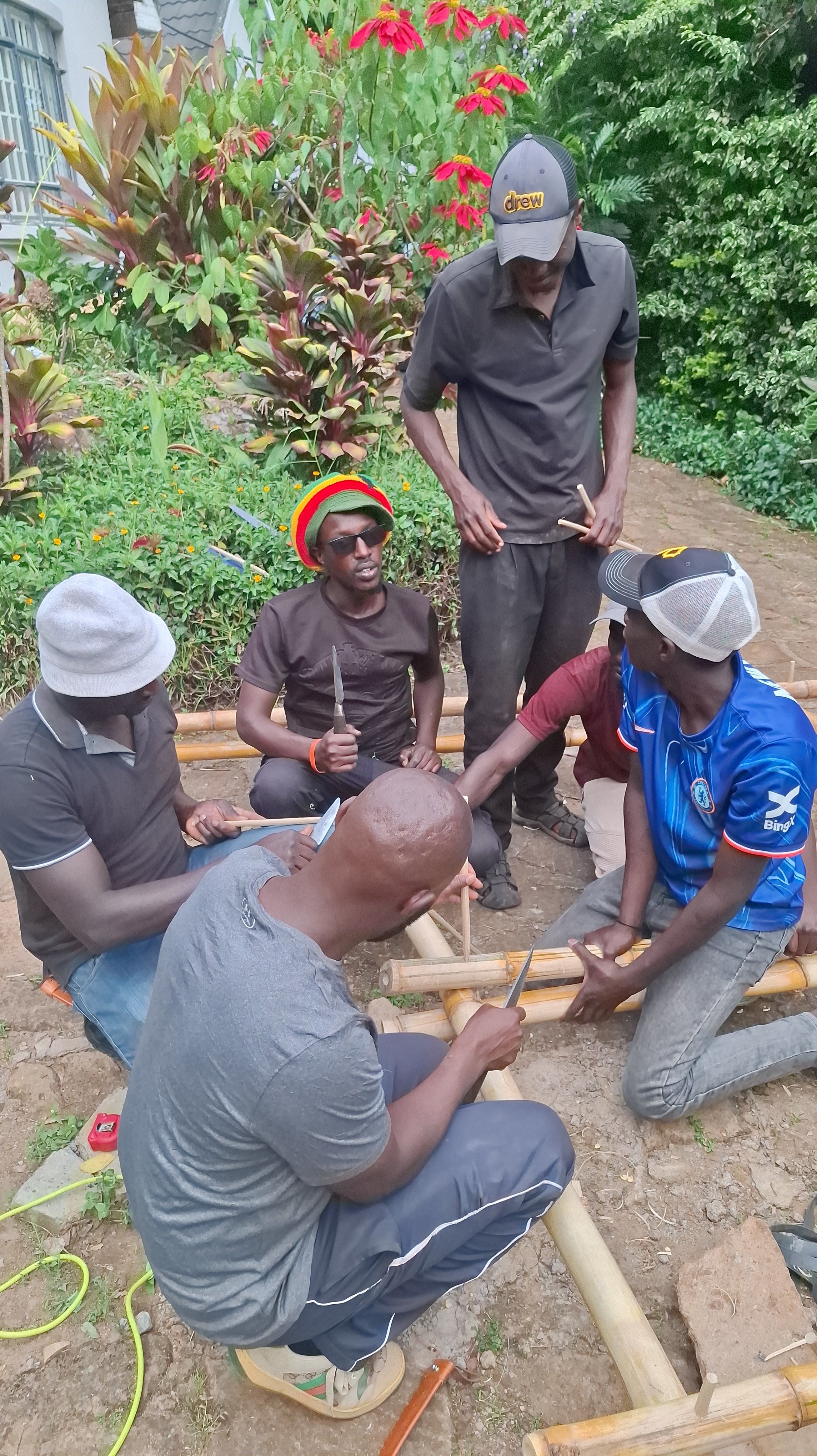
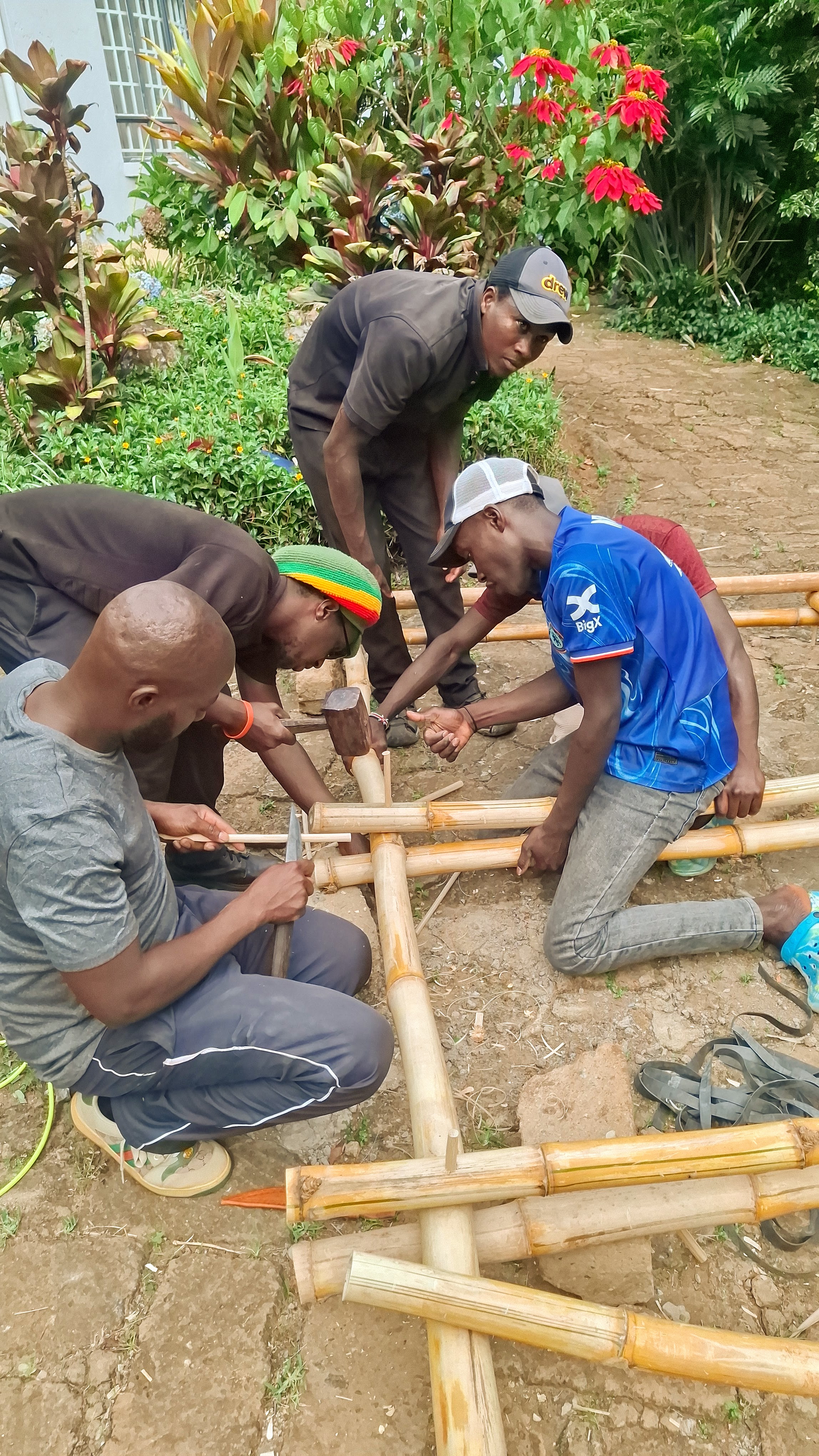
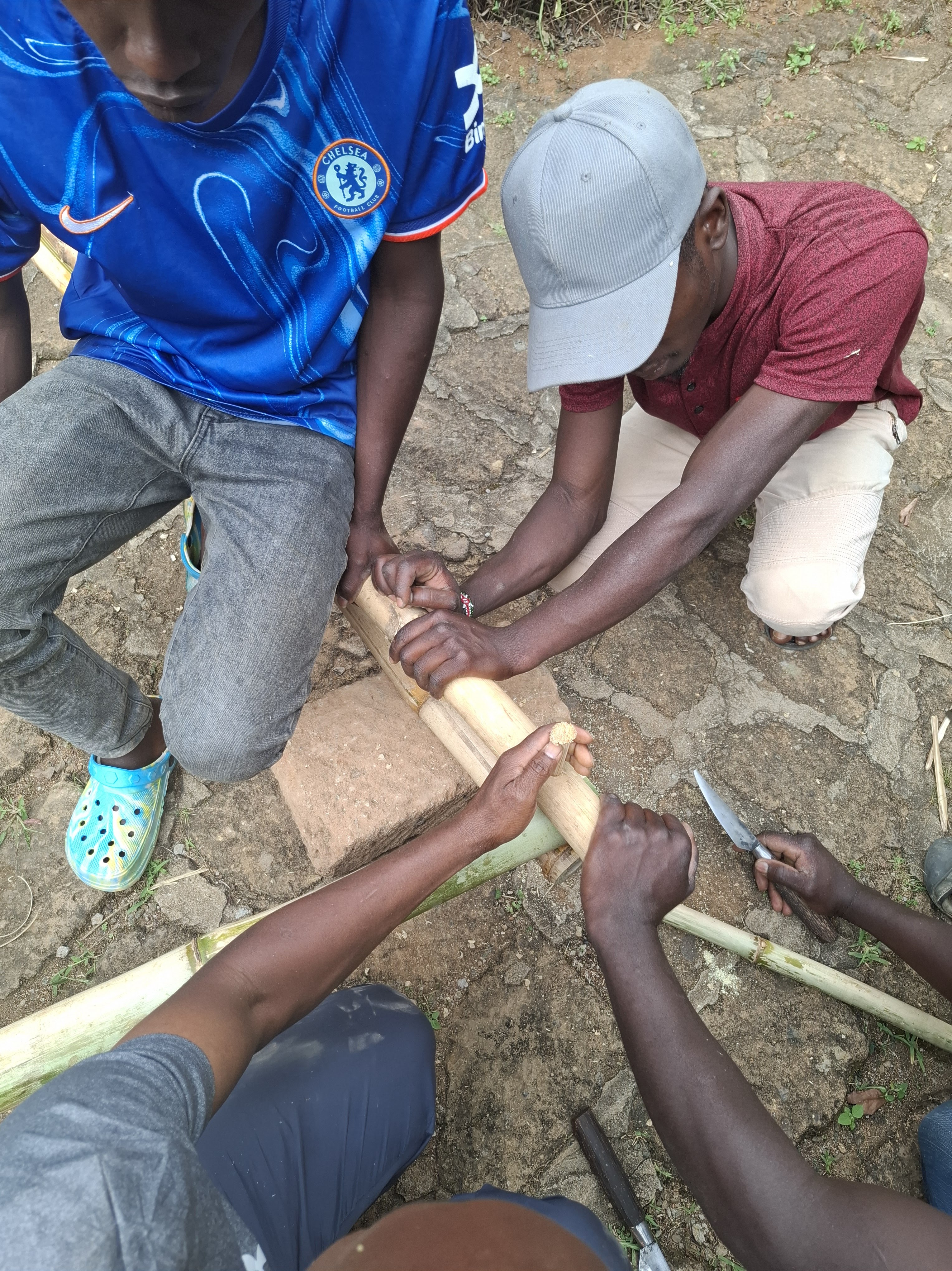
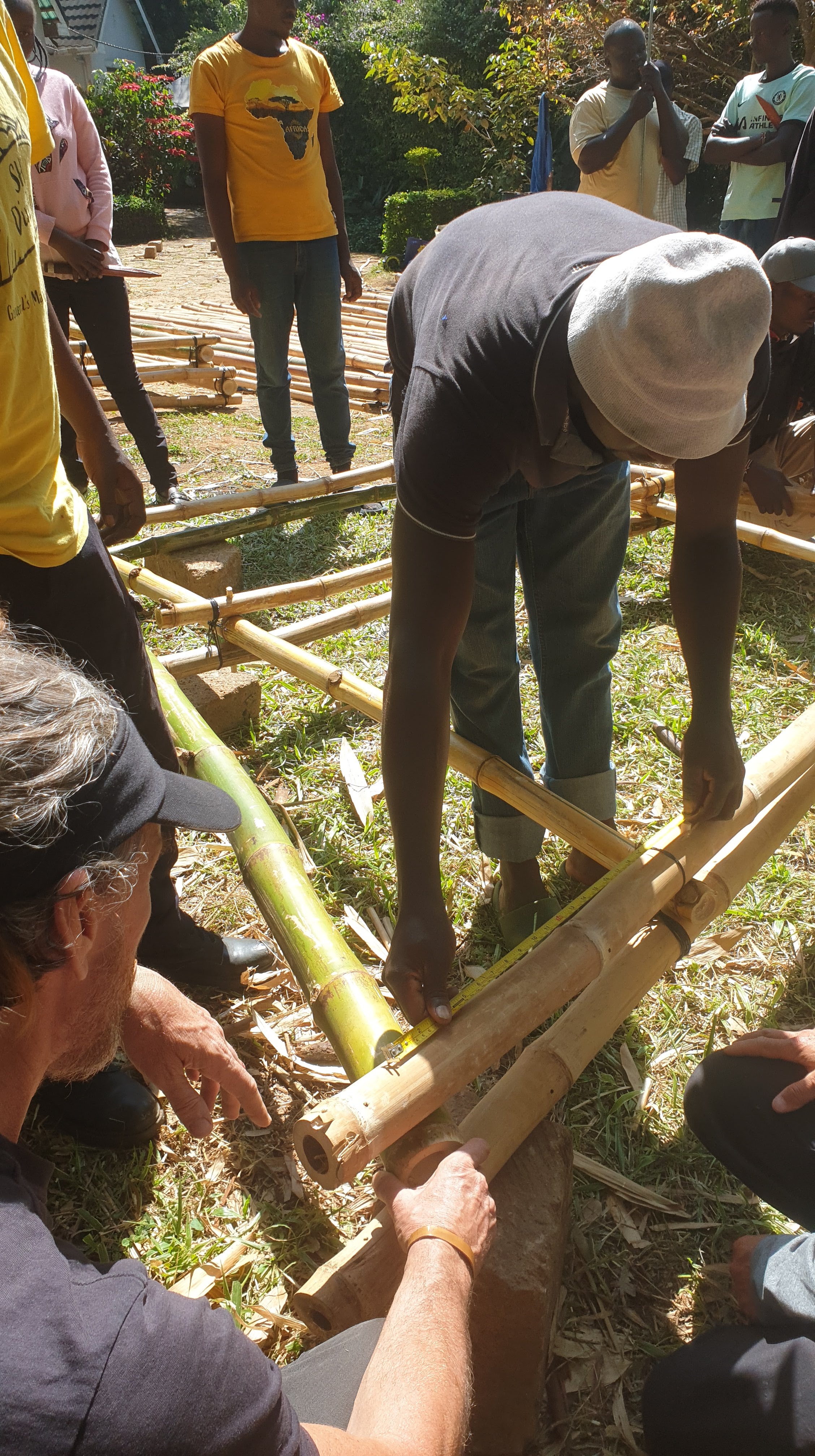
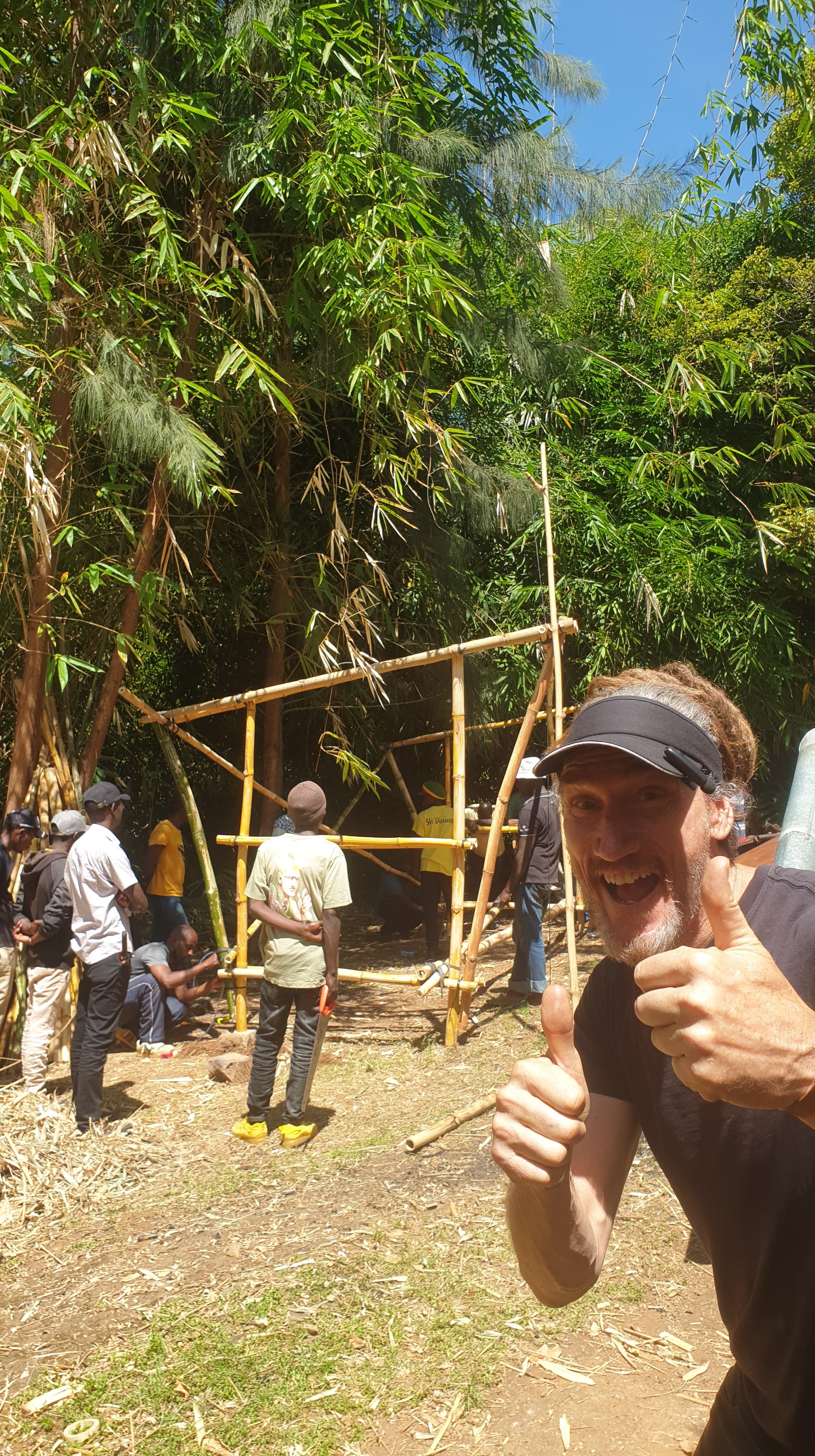
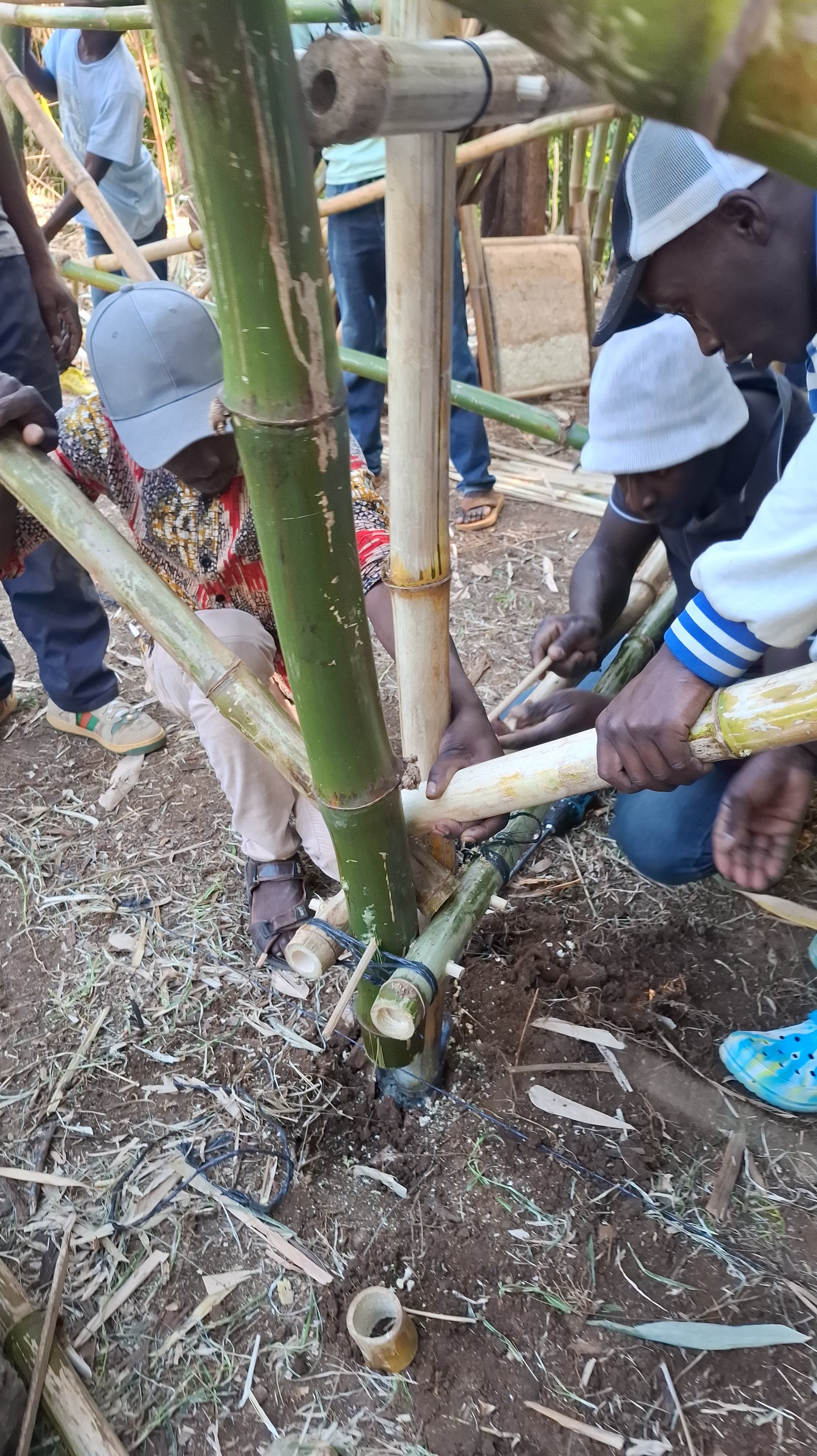
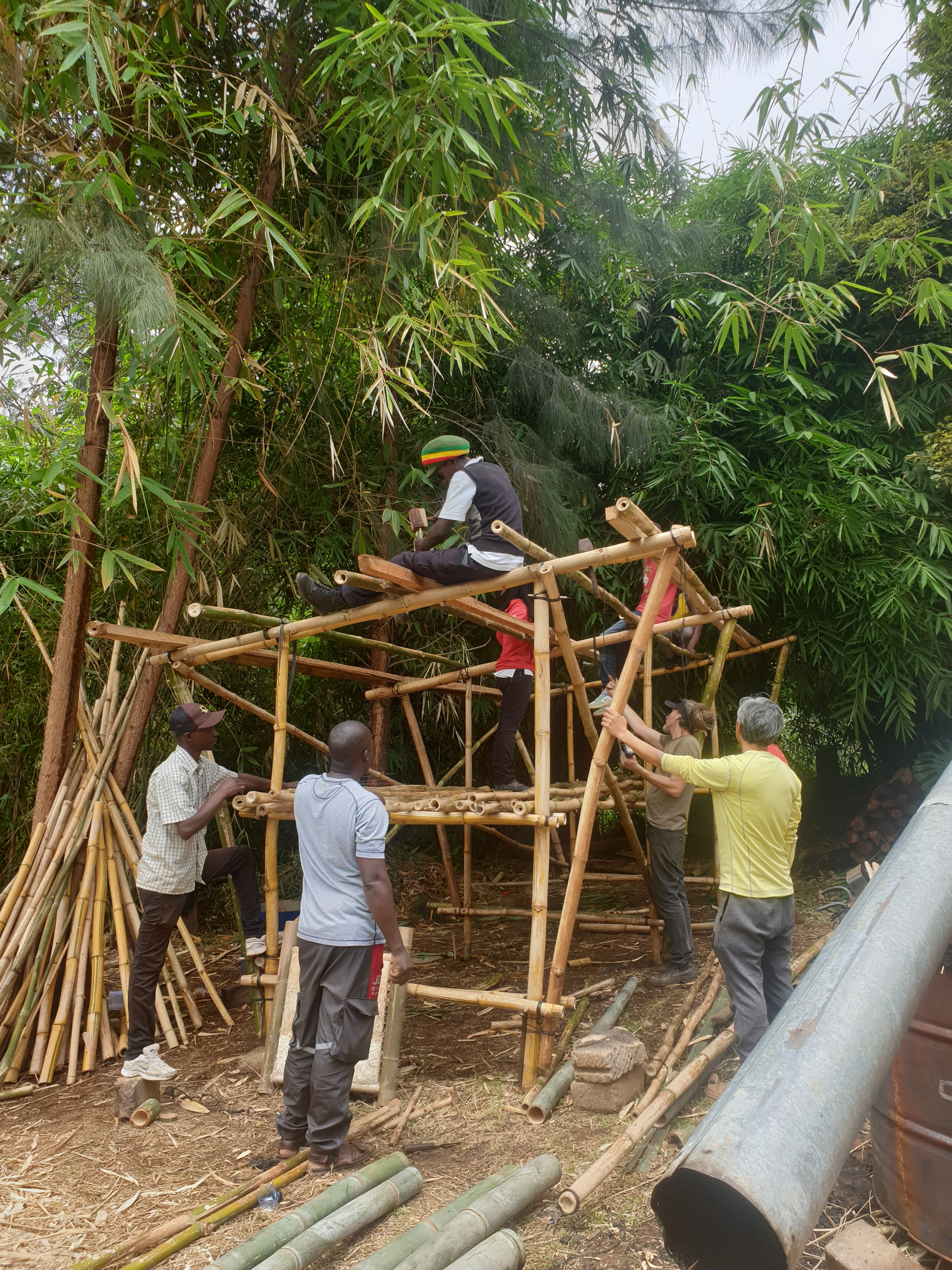
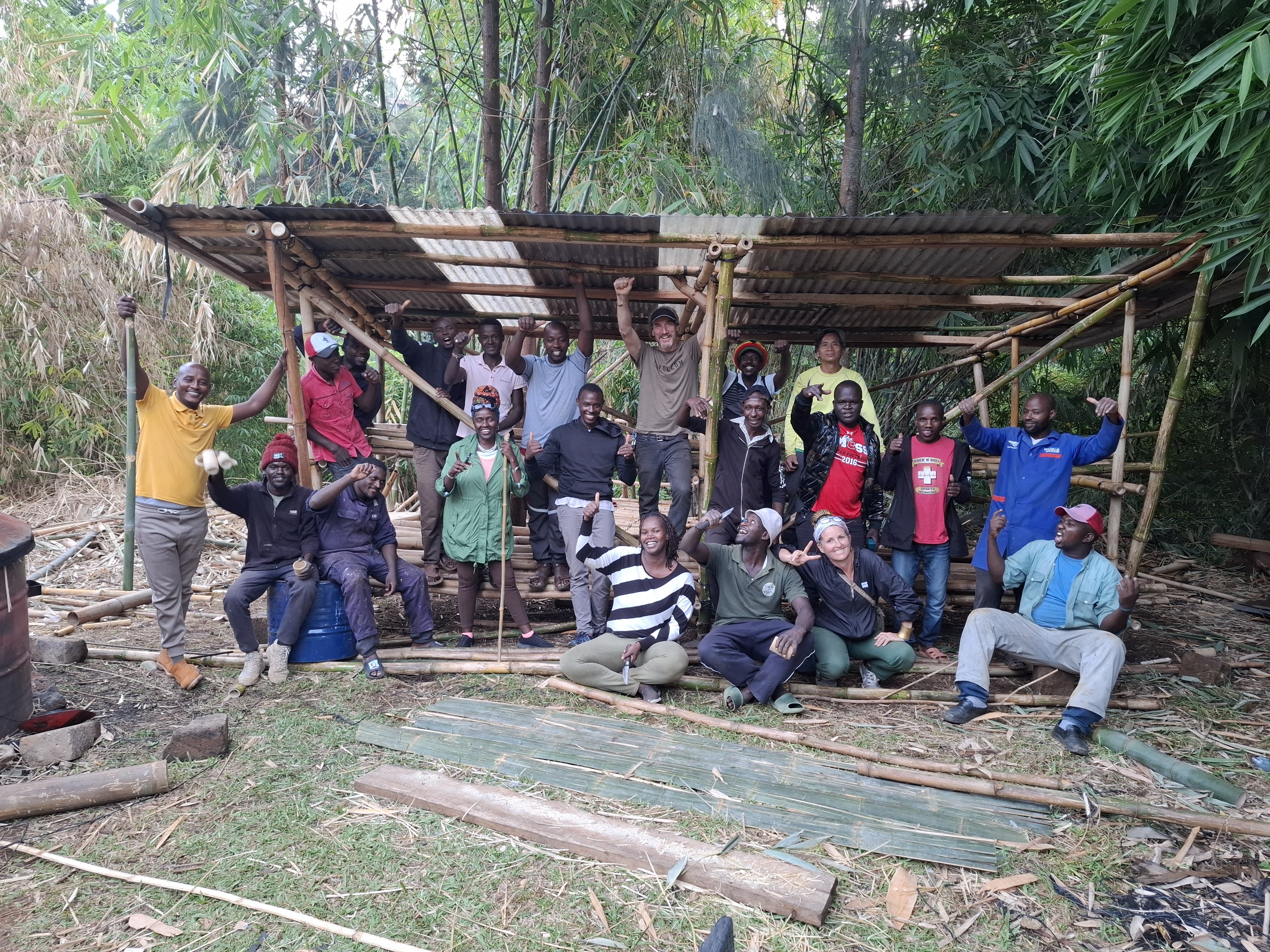
This September, Bamboo4Africa will begin hands-on training in Kericho, Kenya, where we’ll be guiding local youth and builders through foundational skills in bamboo design, treatment, carpentry, and natural building integration.
Our program focuses on:
- Consolidating bamboo clump management knowledge, harvesting, affordable treatment techniques and biochar production.
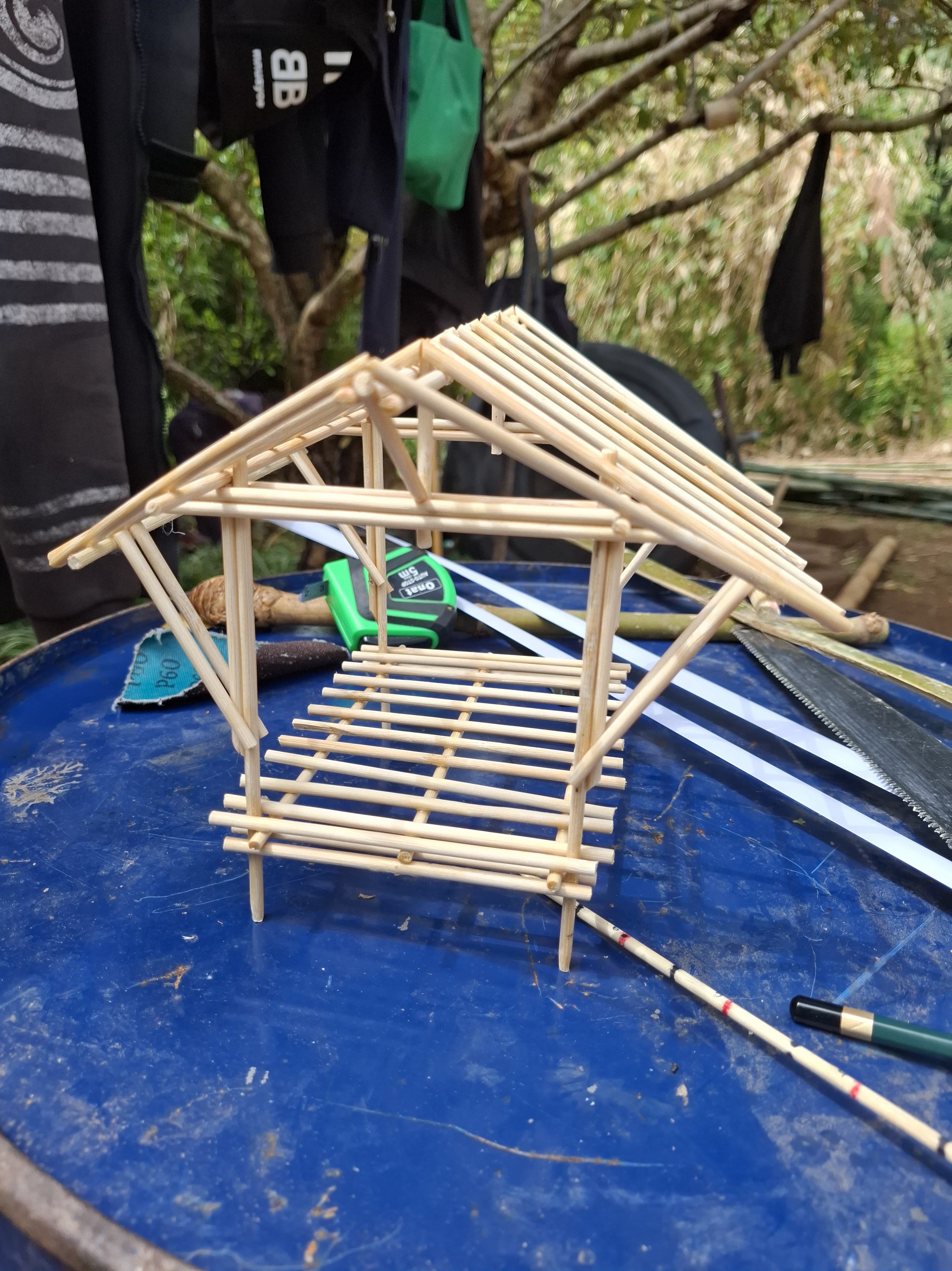
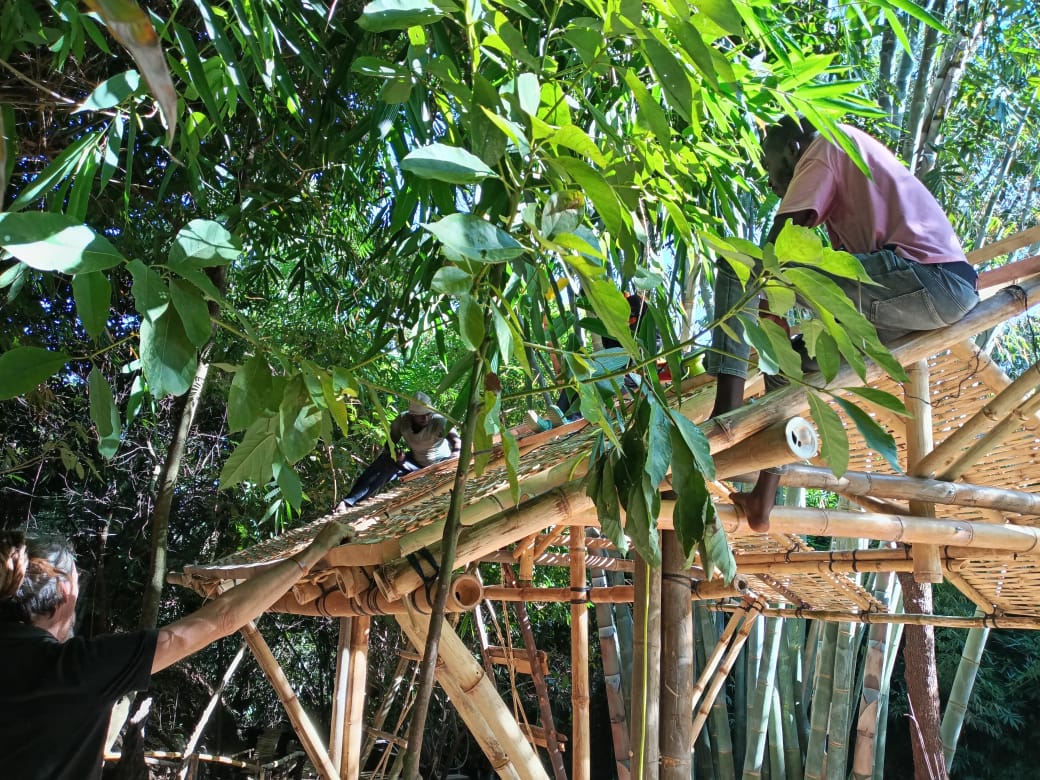
- Practical training to build village-relevant, low-cost structures using local bamboo.
- Producing a video documentary and training toolkit to share across the continent.
○ Bamboo Clump Management, Maintenance & Biochar Production
– Essential techniques for managing bamboo clumps: Thinning out overgrown stands to promote healthier growth; Utilization of the thinnings to create Biochar. Participants will also learn Harvesting Schedule Preparation and Technique.
○ Bamboo Propagation
○ Innovative Low-Cost Bamboo Treatment Techniques
– Hyperboloid treatment set-up technique developed by Jaye Irving; Affordable Vertical Soak Diffusion (VSD) method for Bamboo Treatment.
○ Post-processing and materials preparation
– Materials preparation for the Small Building Construction program (Module 2): splits & woven panels.
(The Training will be conducted in English.)
Venue: The Training will take place at Chesumot Tea Estate – KAISUGU, Kericho.
Arrival/Departure: Participants may arrive the day before the start date or earlier by arrangement.
Transport: 1700 KES from Nairobi by minibus
Accommodation: may be paid for with Course Program or on arrival by arrangement (WA +254 703 874 281)
Free Camping with Amenities is available if you bring your own tent.
Meals: are available with the Course/Accommodation package or you may self-provide. A simple menu will be provided at KES 500 /day USD$3.50 per day and may be paid with the course ticket or on arrival.
There are 4 ticket tiers:
Local African /Individual Participant (Youth/Farmer/Women/PWD) – KES 10,000 / USD$77
Schools/Colleges/Community Organisations (2-3 pax) – KES 25,000 / USD$195
African Business Entity/Government and NGO’s – KES 32,000 / USD$250
International Participant – KES 45,000 / USD$350
See/Select appropriate ticket type – and pay via Tibox:
Purchase your Ticket or Sponsor Here: https://tickets.tibox.me/bamboo-4-africa-phase-2-module-1-training
If you want to pay by MPESA, please see the details below.
Send us a message on WhatsApp on https://wa.me/254703874281
(also if you want to reserve your spot and pay on arrival)
MPESA – Paybill No. 400200 / Account 1038810
RIZIKI YOUTH AFRICA Community Based Organisation
Please contact us if you need assistance with transport.
If you would like to Pay-it-Forward – you are welcome to do so – Select “Donor Ticket” and we will process as your contribution with Thanks!!
If you are unable to attend for any reason, you may redeem/credit your purchase for a future training in Africa or Bali (with Bamboo Creative Bali).
We look forward to seeing you in Kenya for this Training!
Bamboo 4 Africa is a collaborative initiative to bring sustainable bamboo skills to African nations. Starting some time ago during the Covid pandemic, we have grown to a group of 70+ people via Whatsapp Group Discussions and Meetings (to join the group: https://chat.whatsapp.com/I5pZndrxCX3ARrf8zWVuqQ?mode=ems_copy_t ).
Coordinated by Natalie Davenport, Director of Bamboo Crerative Bali –
See our website https://Bamboo4Africa.org

We Need You!
To make this vision possible, we are inviting sponsors and partners to support us in the following ways:
🎯 Tools & Materials Sponsorship
We’re equipping young builders with their first toolkits. Donations of hand tools (chisels, drills, hammers, PPE) or sponsorship to purchase them locally are greatly appreciated.
💰 Financial Support
Funds will directly cover training materials, local teacher stipends, travel for volunteer architects, and community infrastructure at the build site.
Many local youth need sponsors as the $70 fee can be a barrier.
👉 Grab your ticket or sponsor a seat here:
https://tickets.tibox.me/bamboo-4-africa-phase-2-module-1-training
🔧 Engineering & Design Collaboration
We invite professional engineers, architects, and builders to join us in co-developing bamboo design guidelines and testing methods that align with local authority standards, making bamboo more widely accepted in rural housing policy.
🤝 Be an E-Collaborator
Your contribution is more than a donation — it’s an investment in skills, dignity, and a regenerative economy led by local communities.
Your contribution is valuable to us and we would love to see how we can collaborate — whether that’s through funding, tools, volunteer exchange, or co-branding opportunities in our materials and video training series.
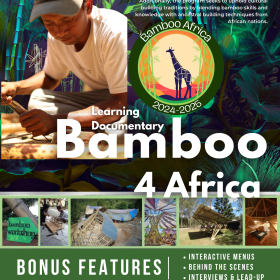
We are currently editing the January-February training footage to create the first Bamboo4Africa Educational Documentary. This project showcases bamboo’s transformative educational potential and highlights Jaye Irving’s expertise shared during the program.
Support us by pre-purchasing at https://bamboocreative.myecomshop.com/product/bamboo-4-africa-content-documentary/ (release date: June 2025 – delayed), helping cover production costs and expand our reach.
Access the Video Training Documentation at https://bamboocreative.org/outreach/bamboo4africa/b4amemberships/

Discover more from Bamboo Creative Bali
Subscribe to get the latest posts sent to your email.

 Bamboo Creative Bali