Kenya: My Journey with Bamboo4Africa
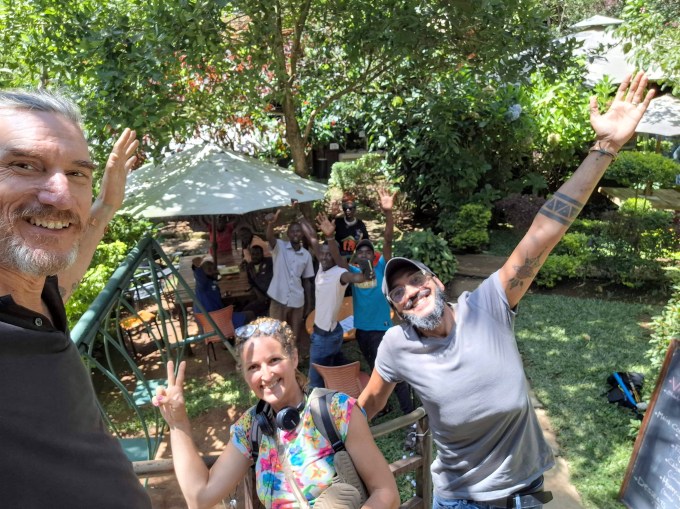
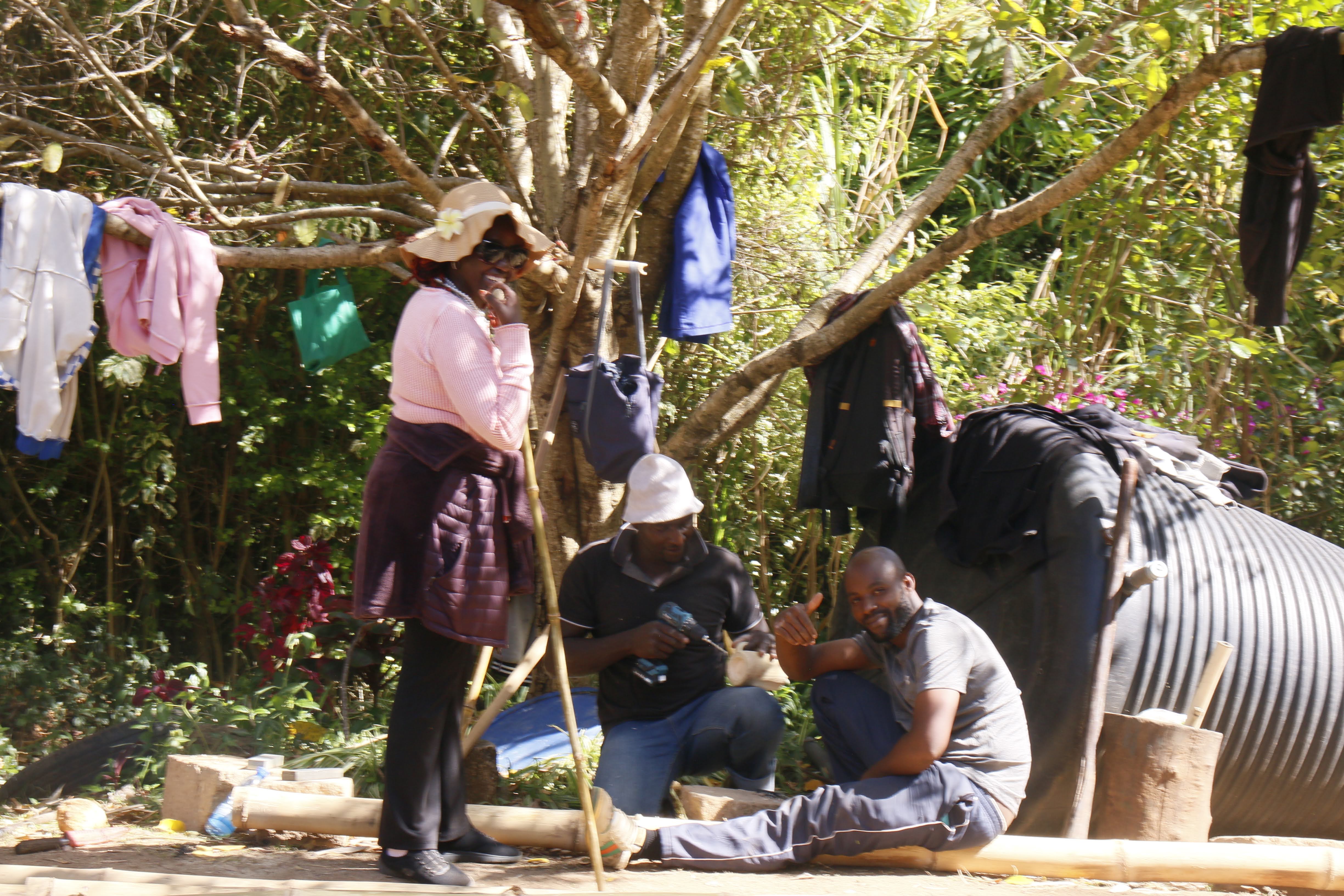
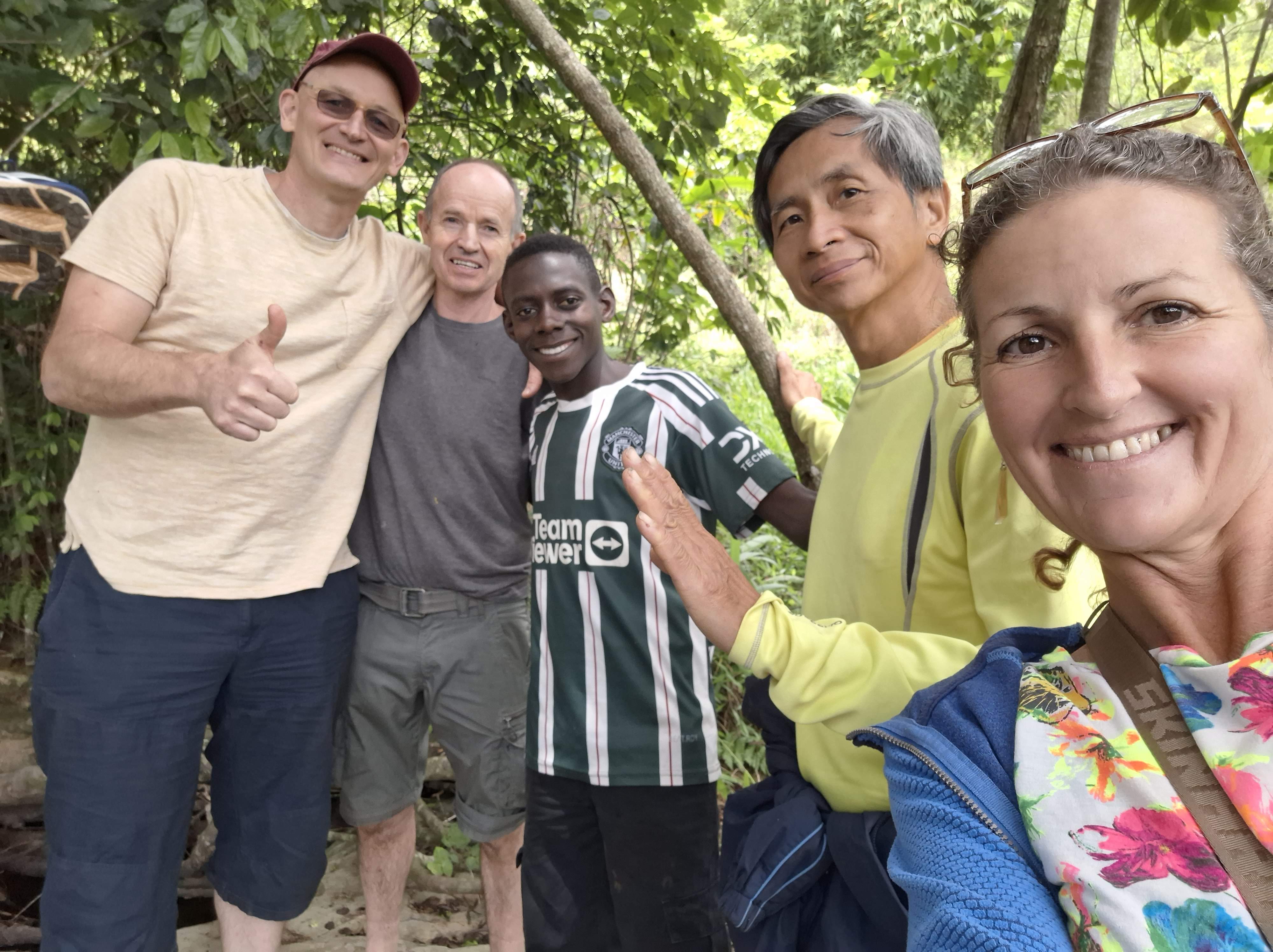
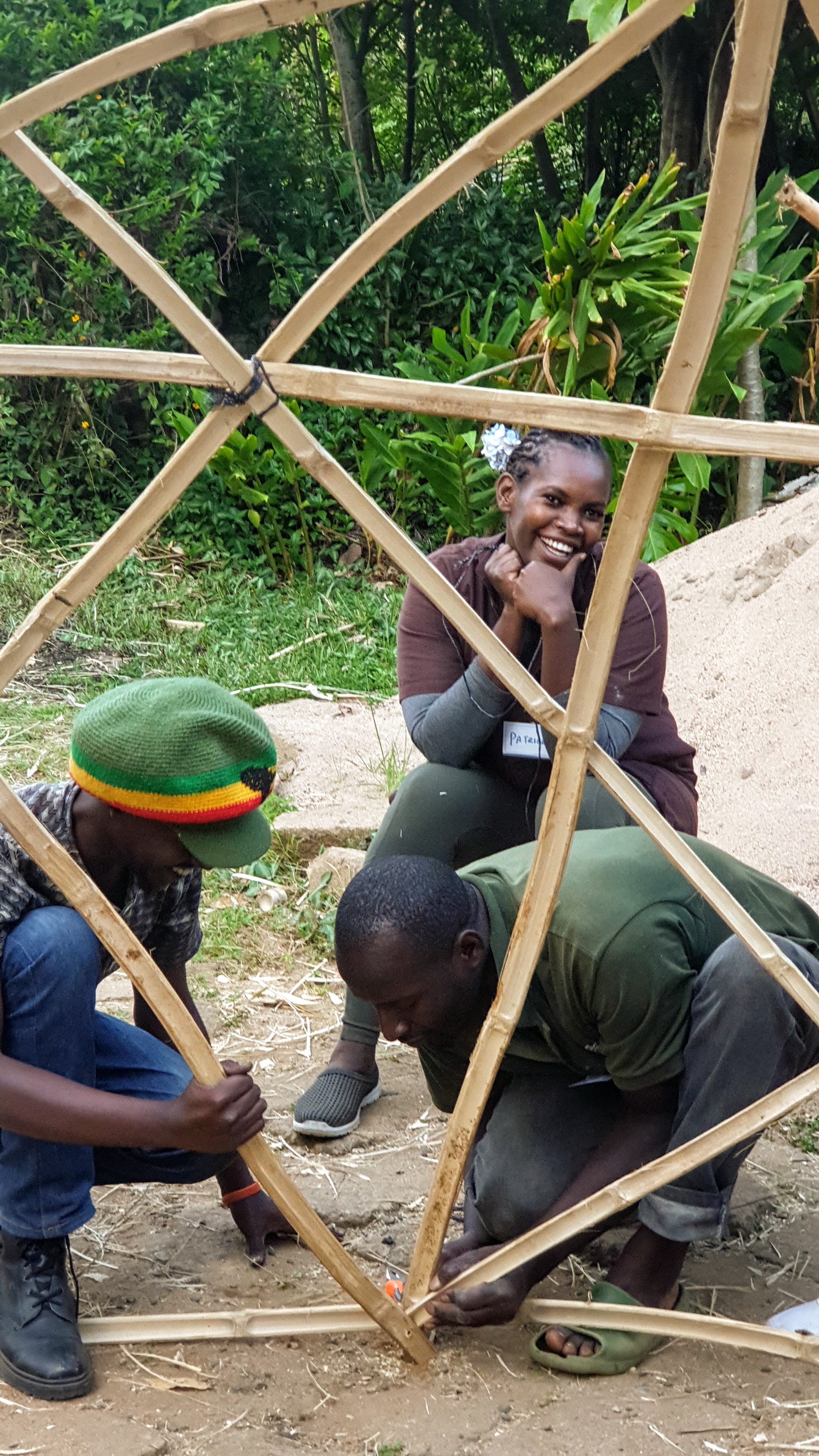
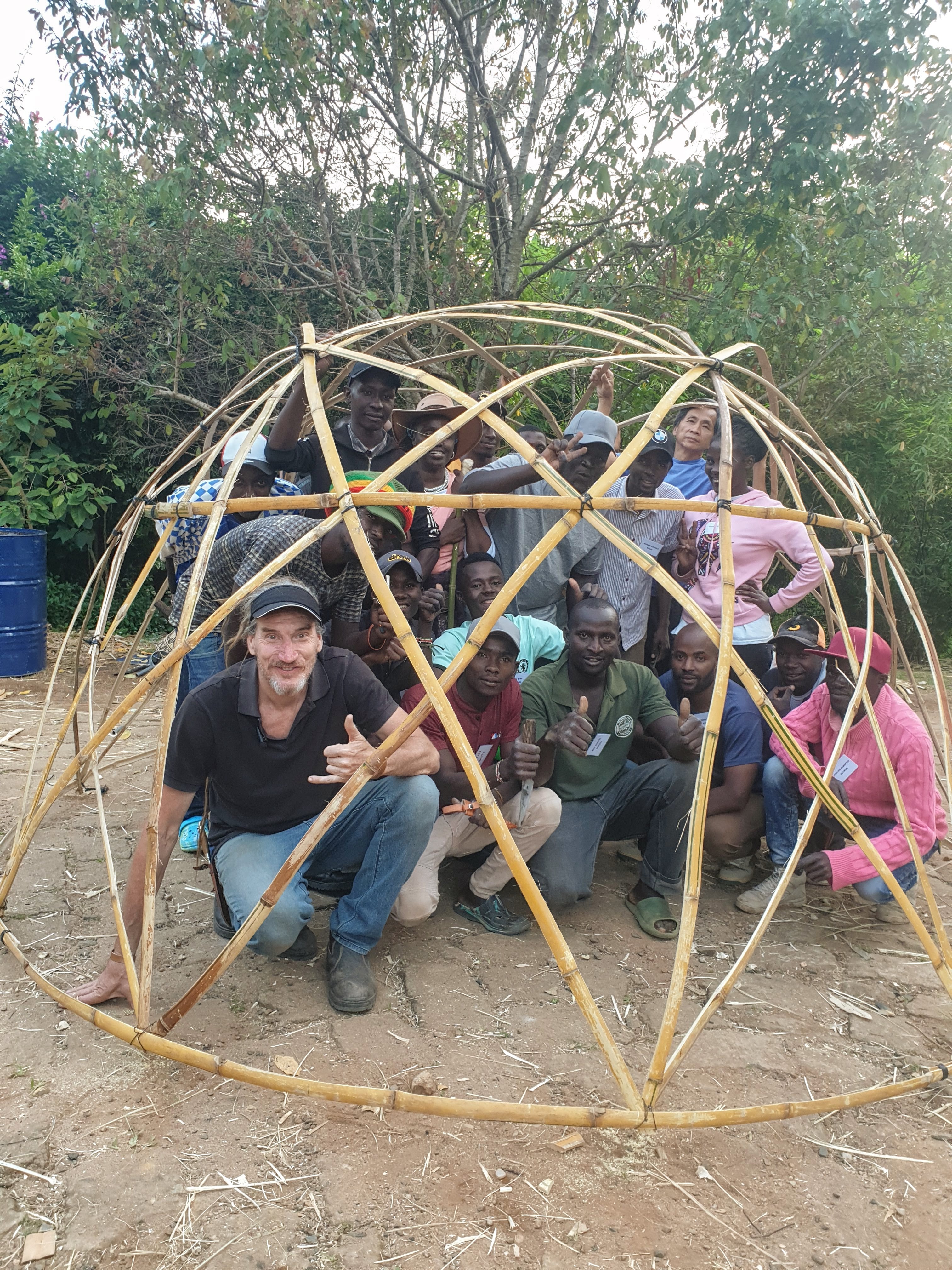
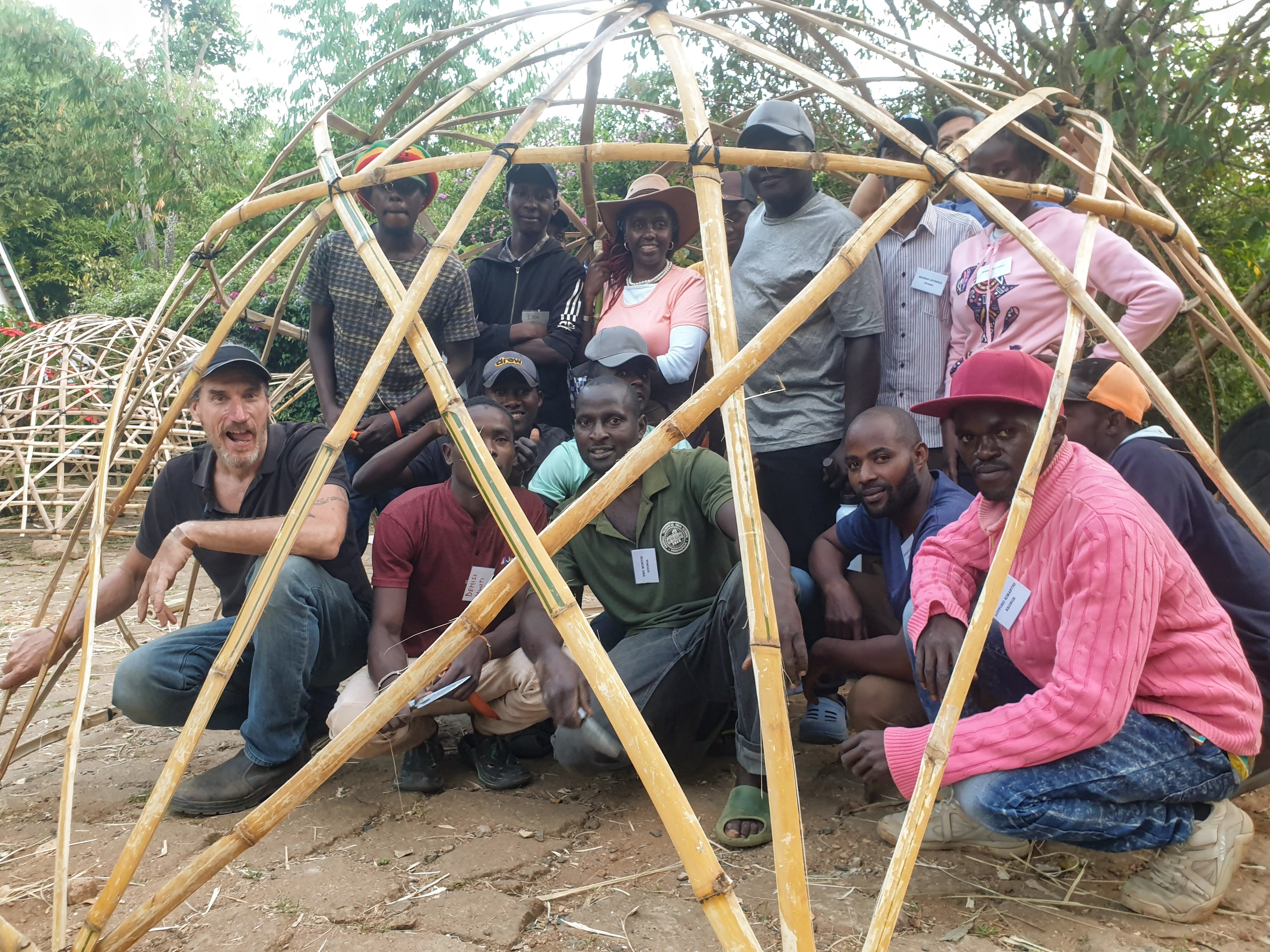
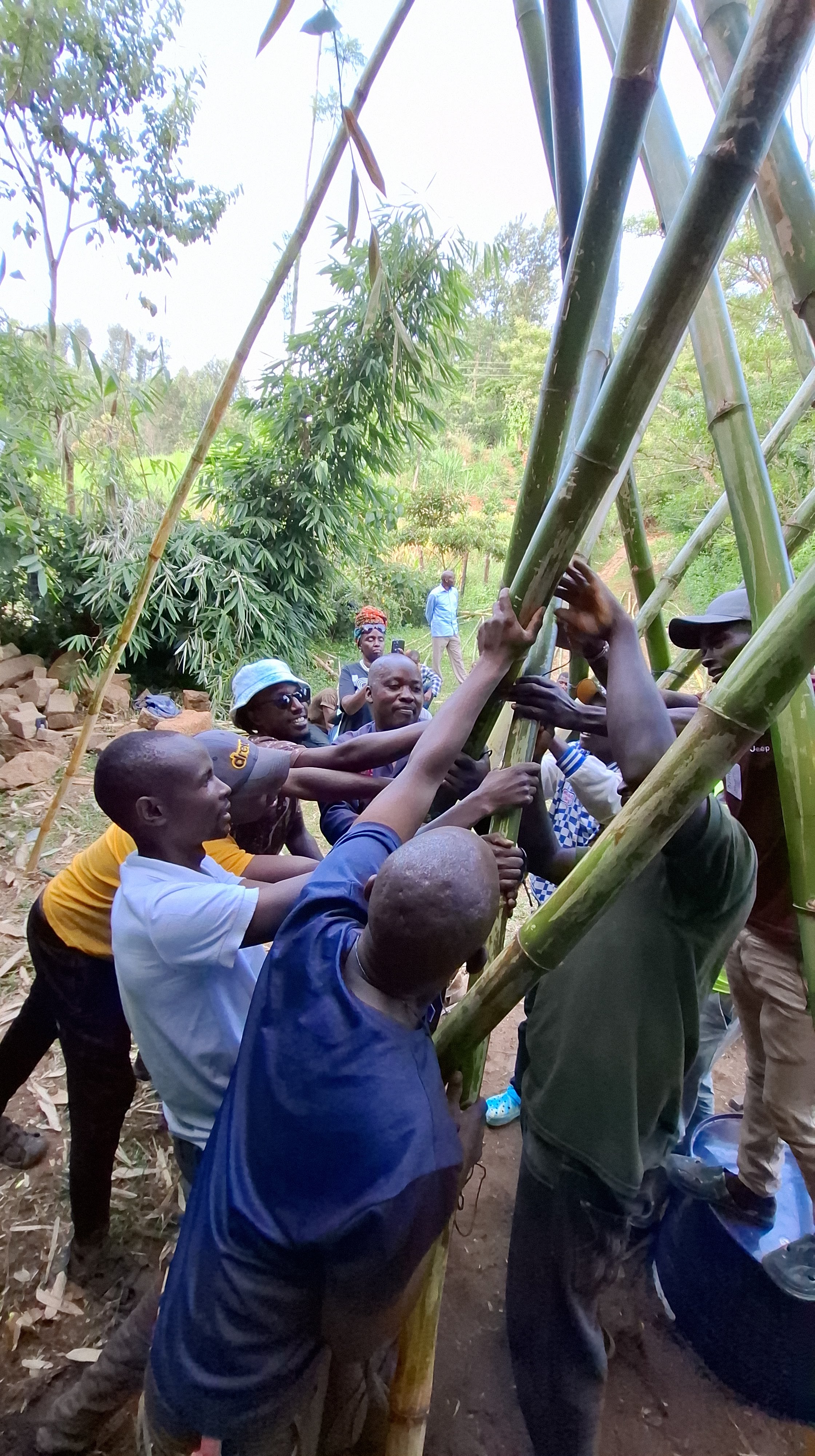
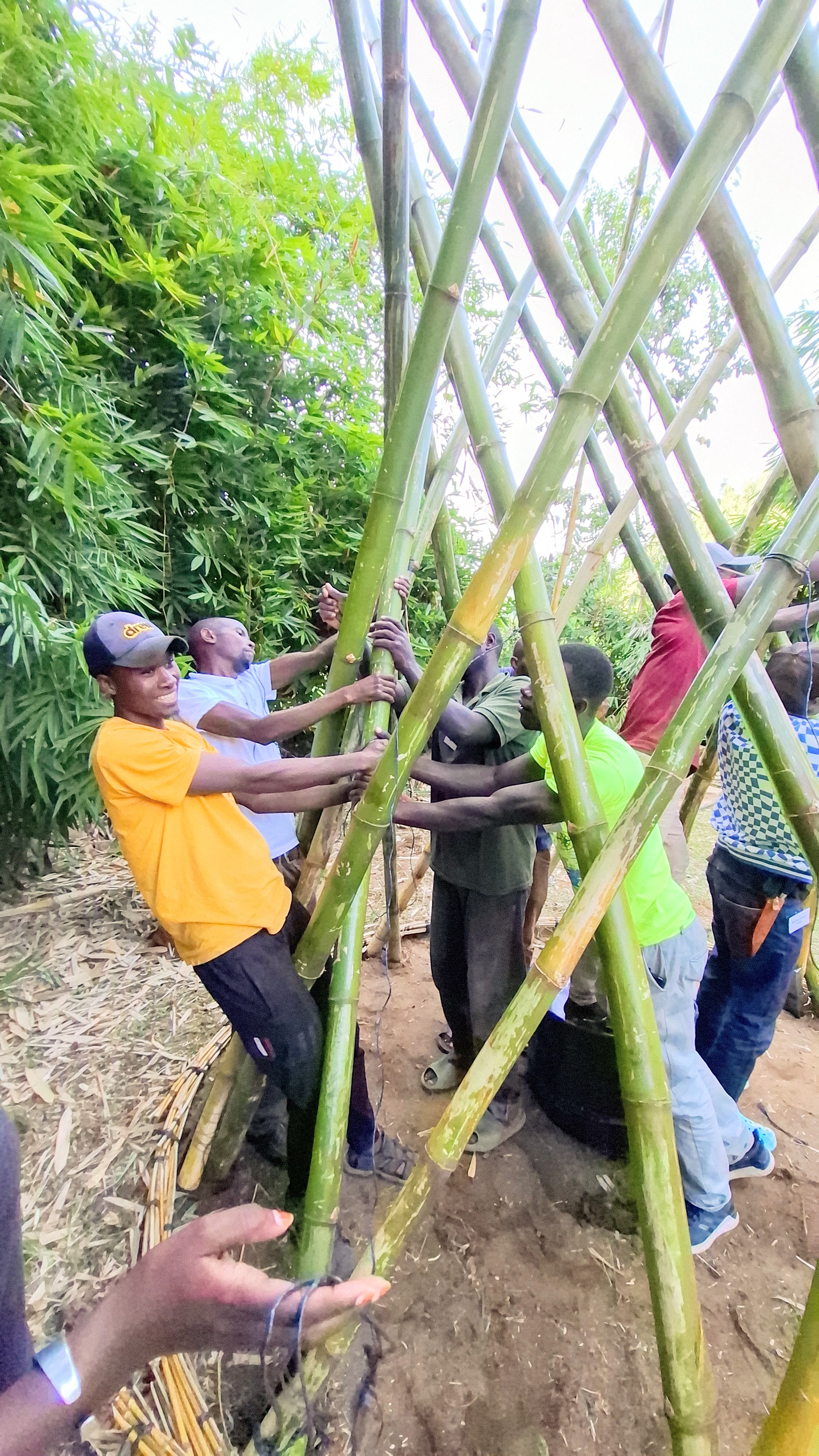
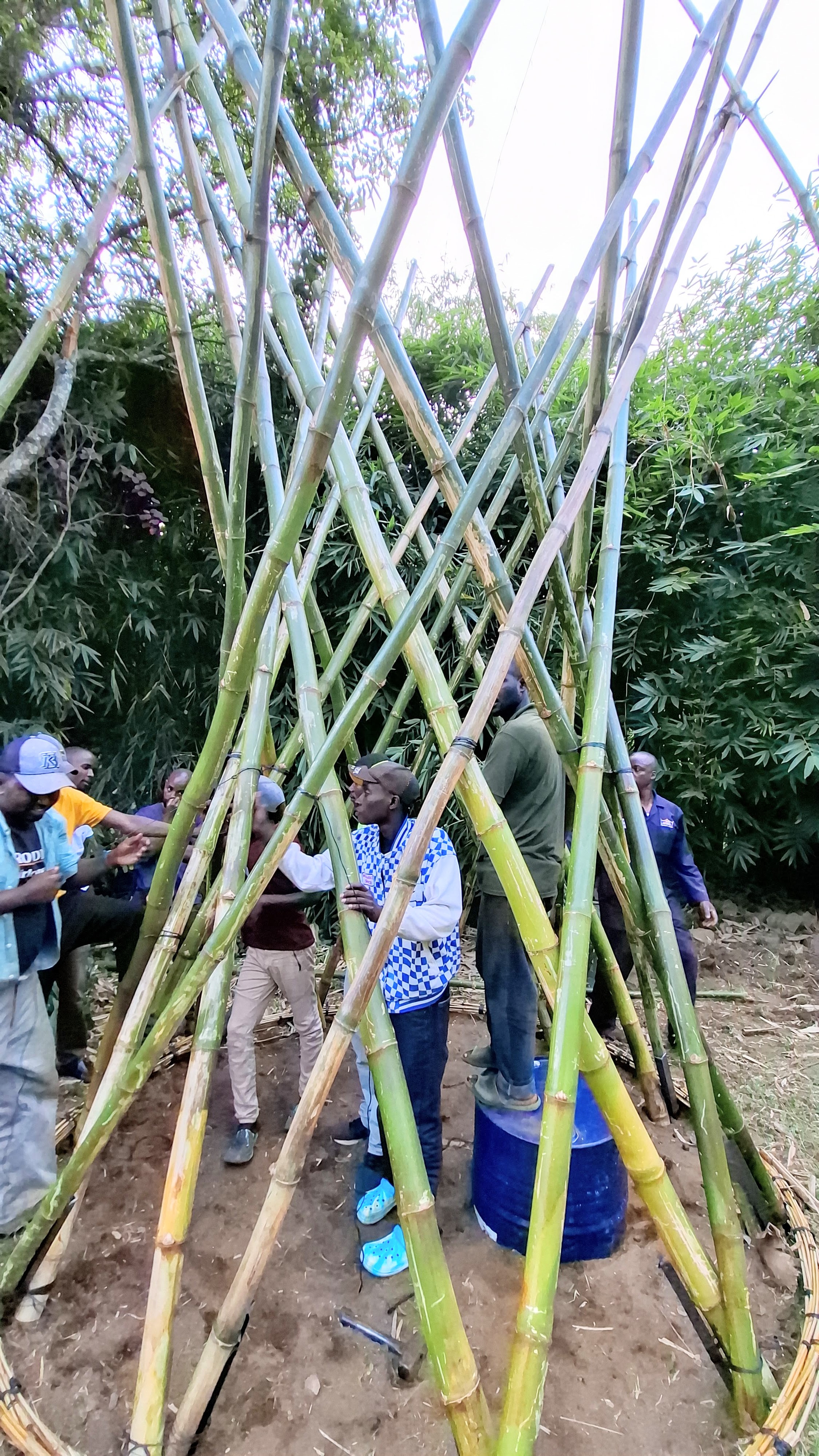
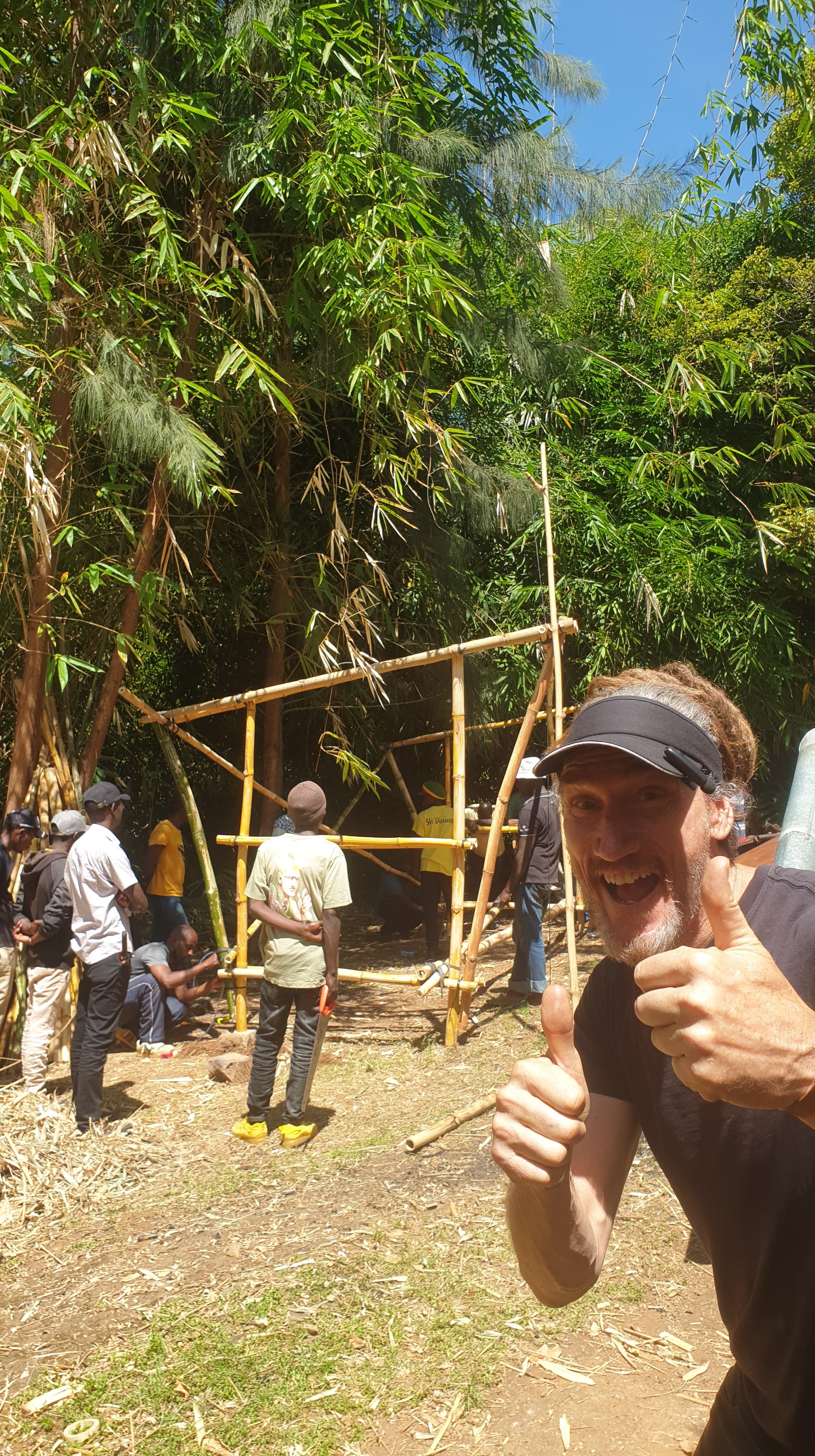
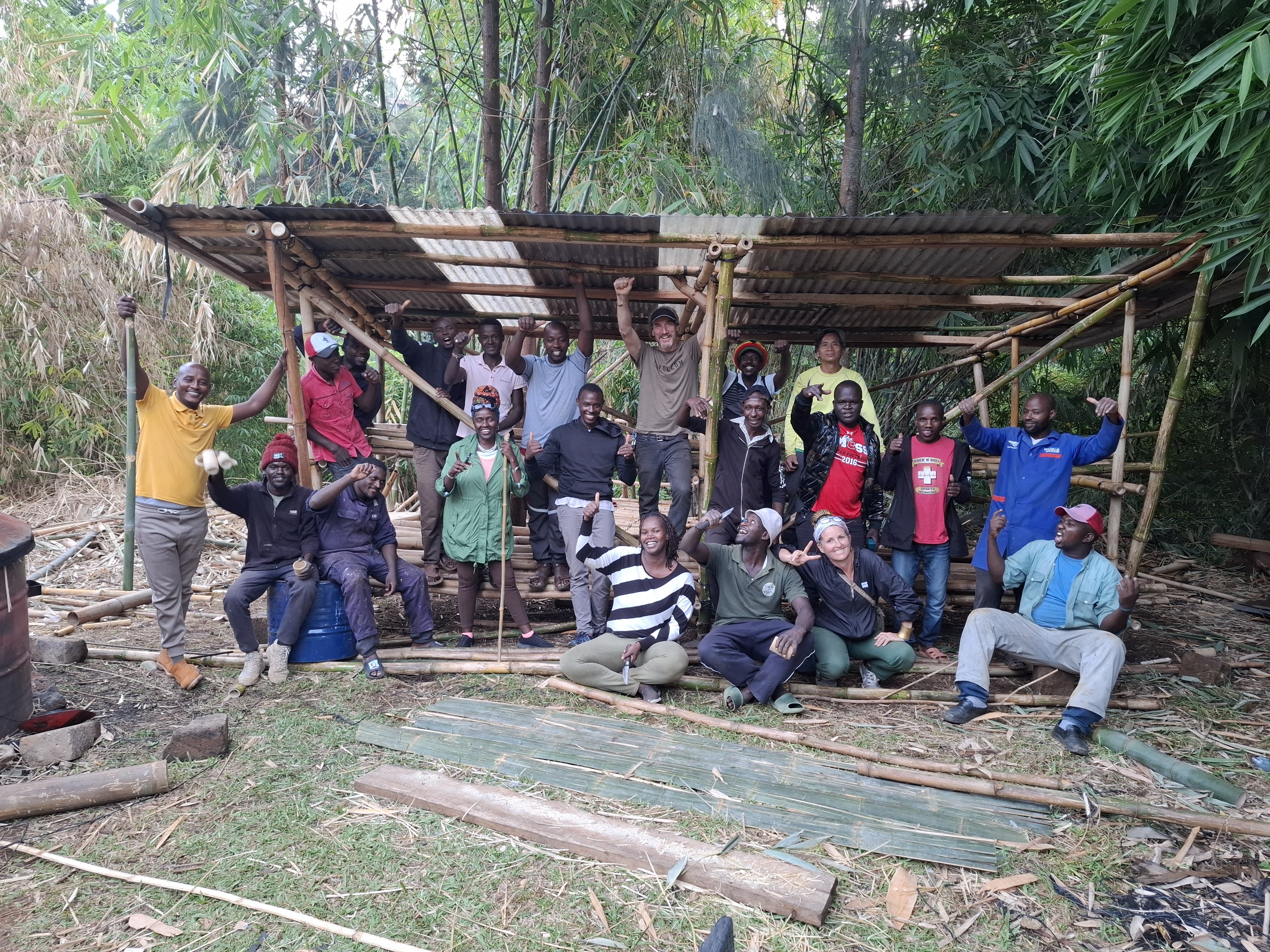
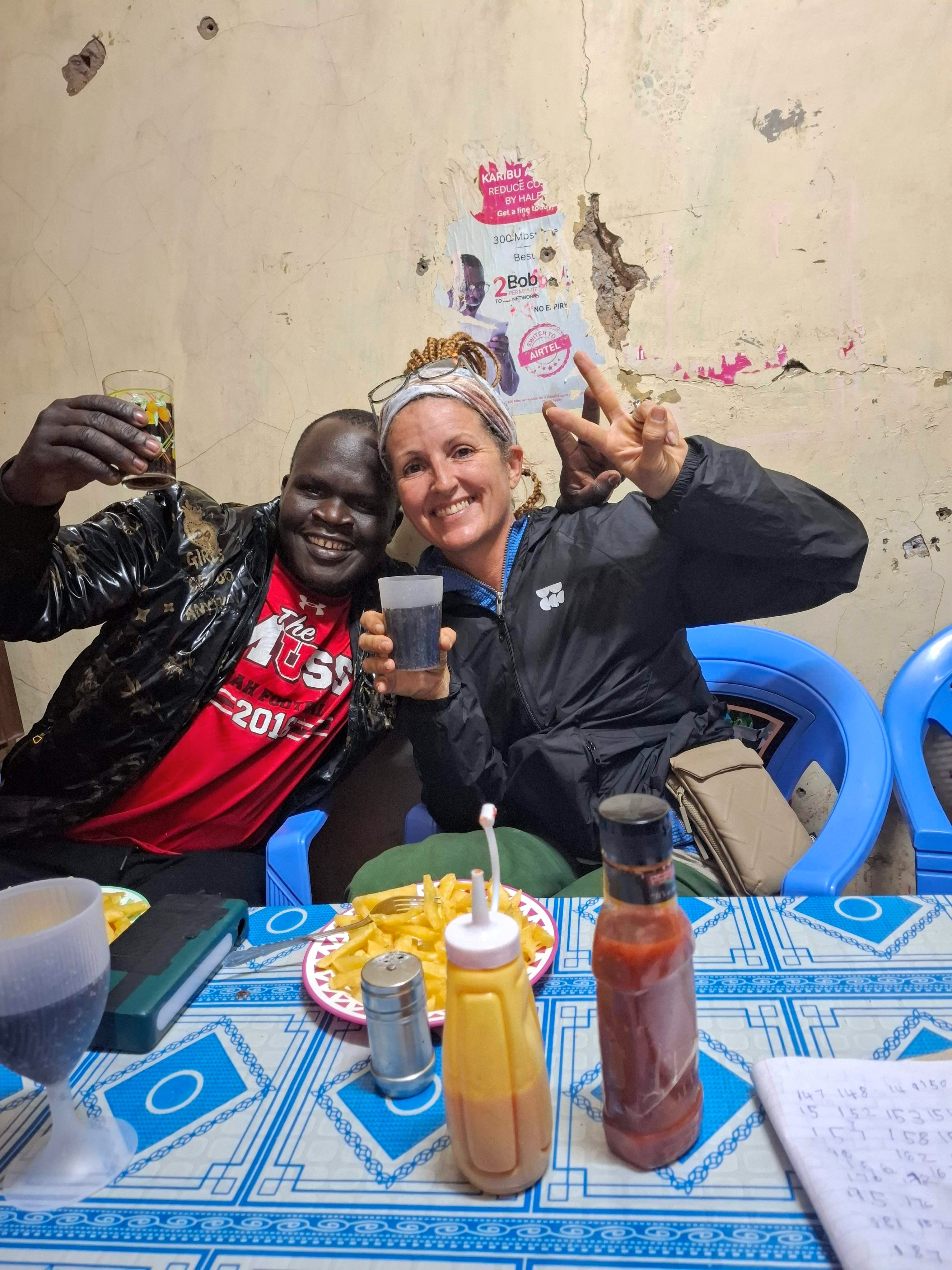
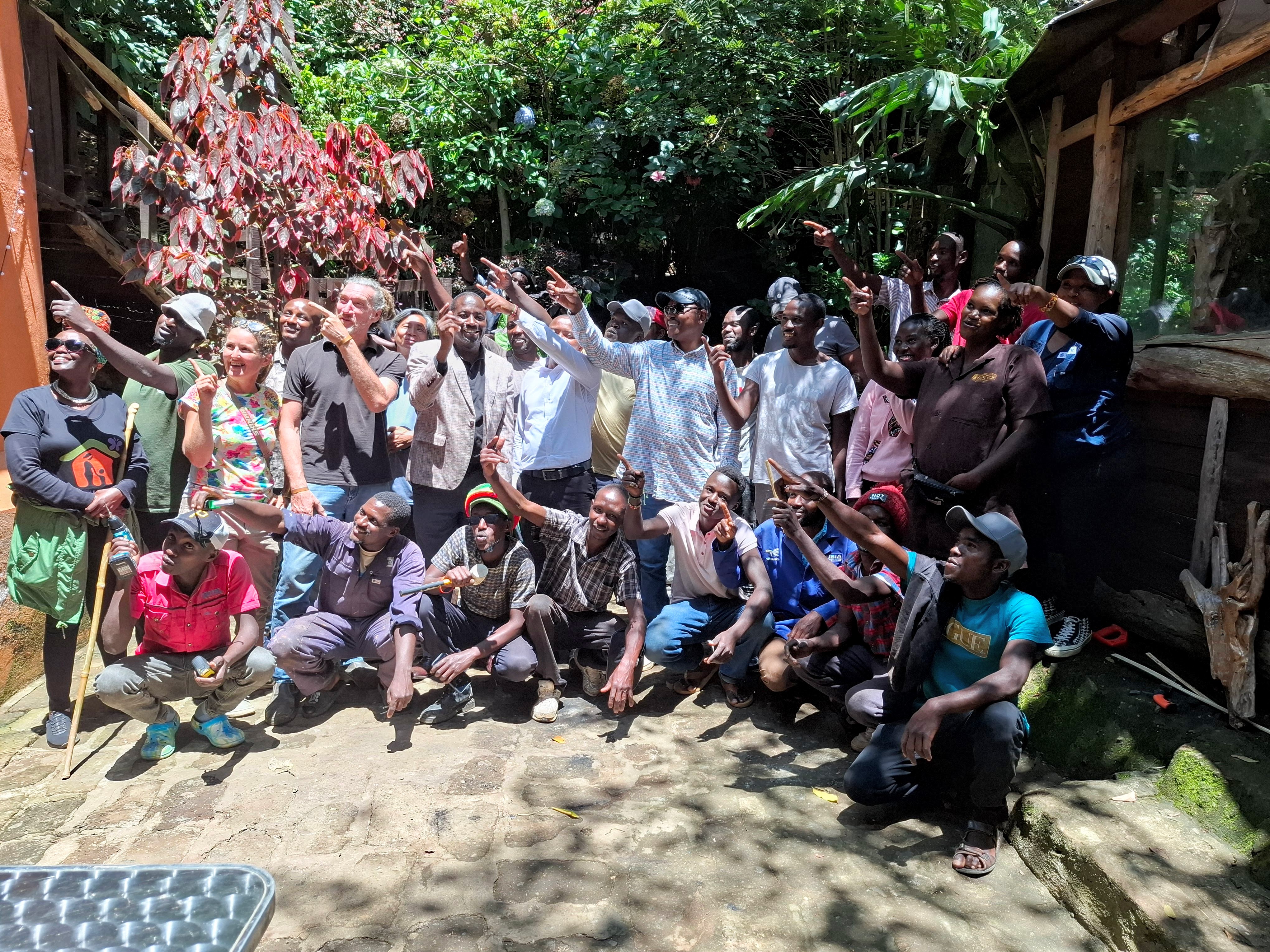
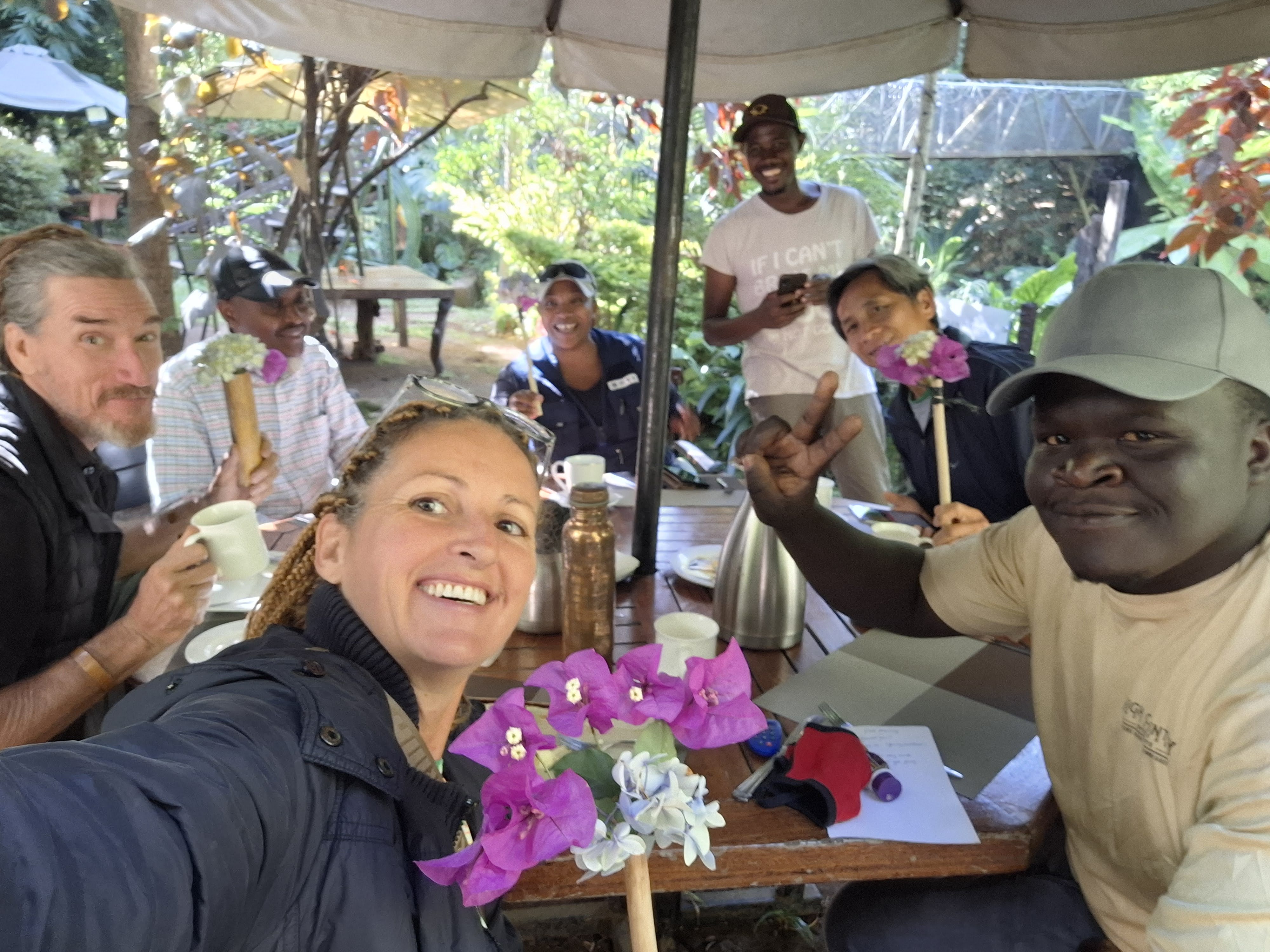
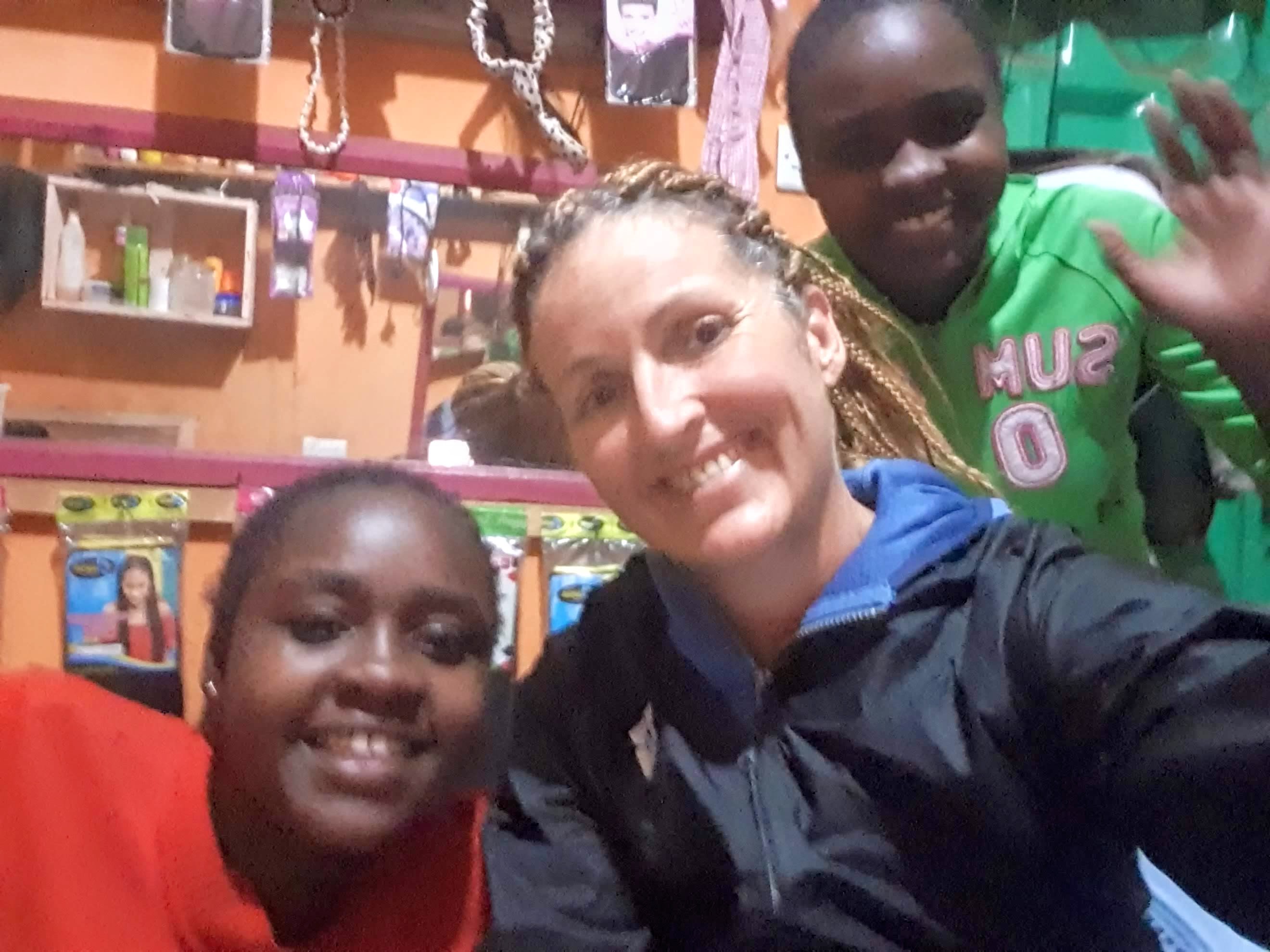
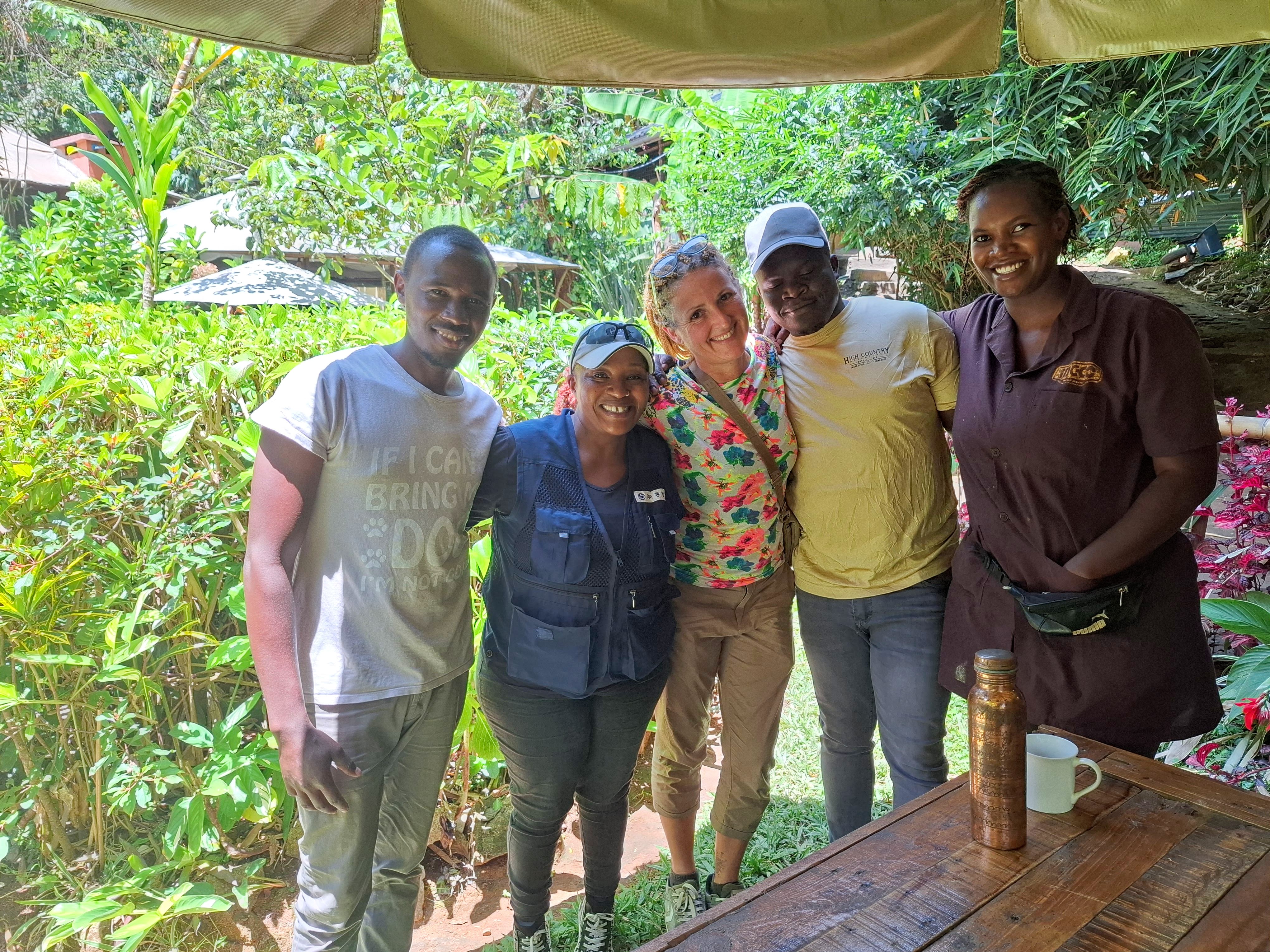
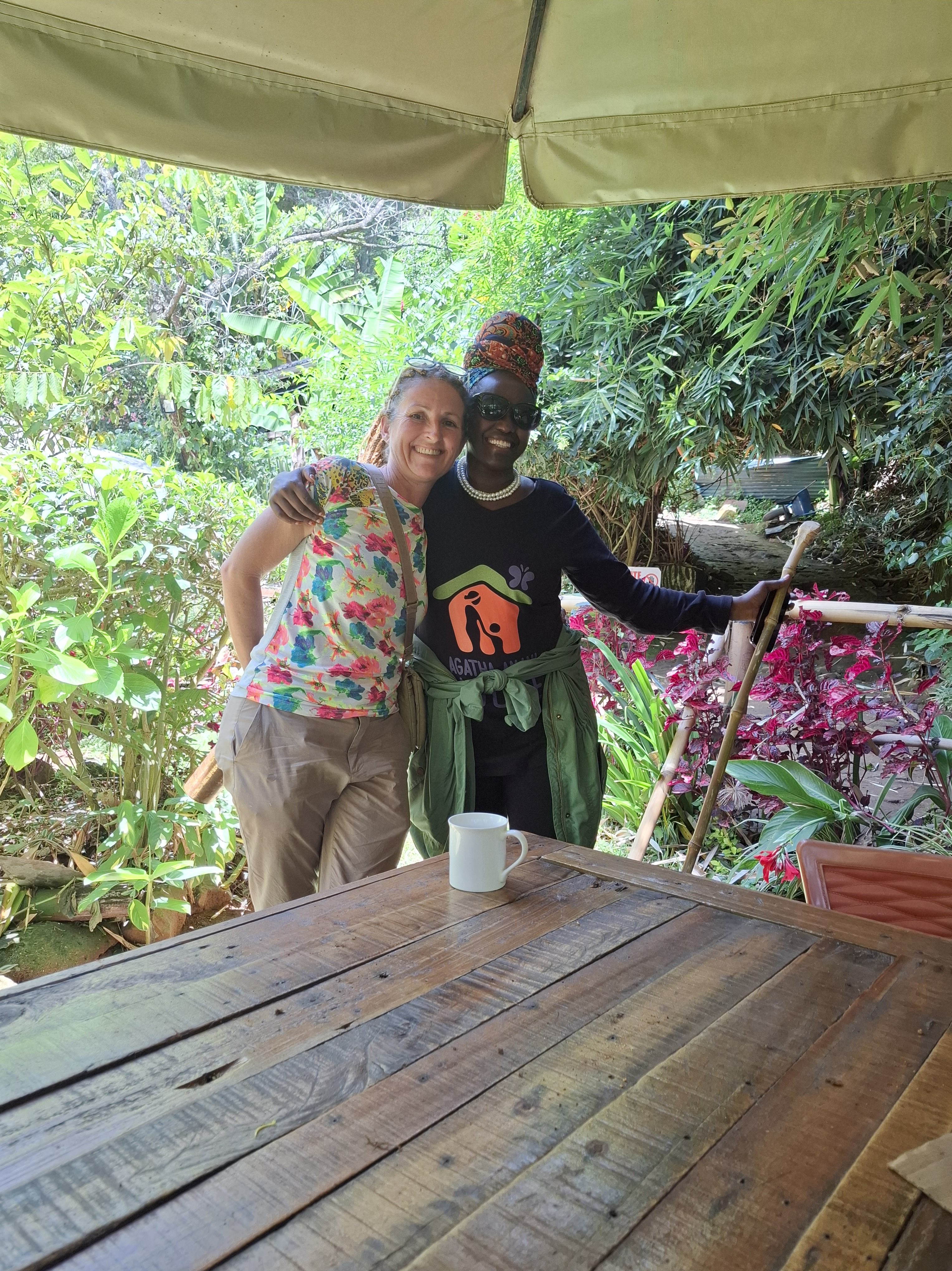
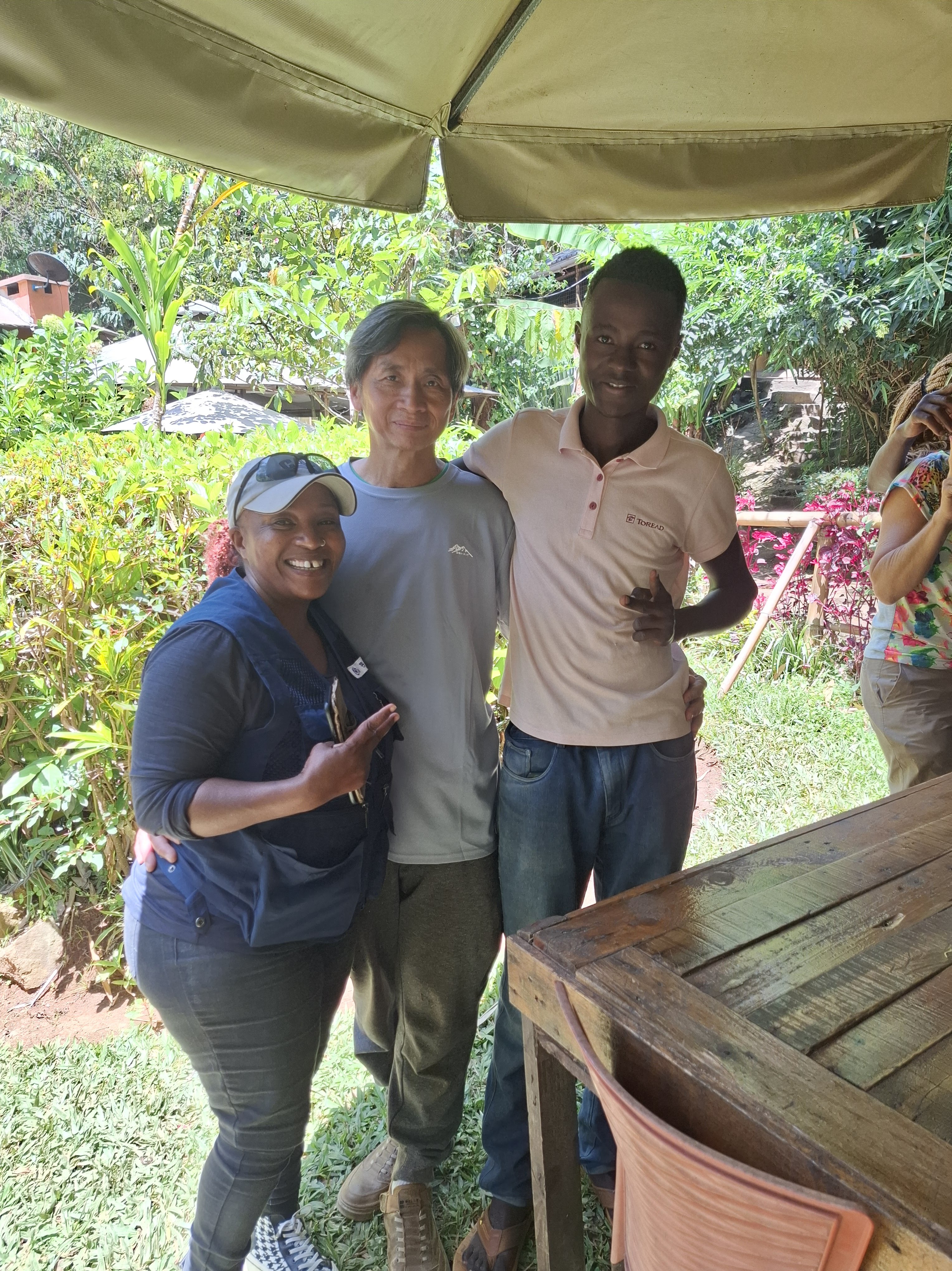
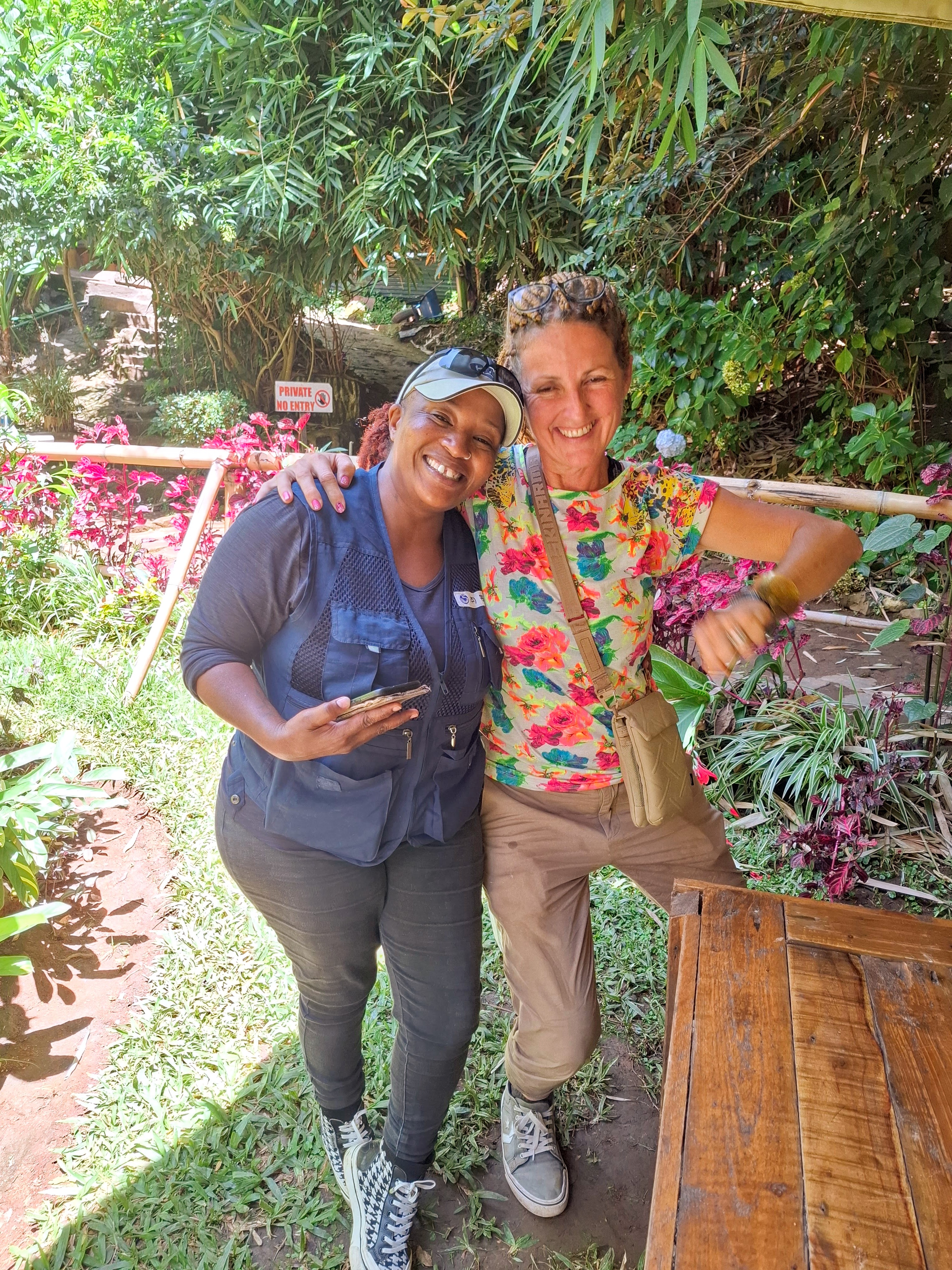
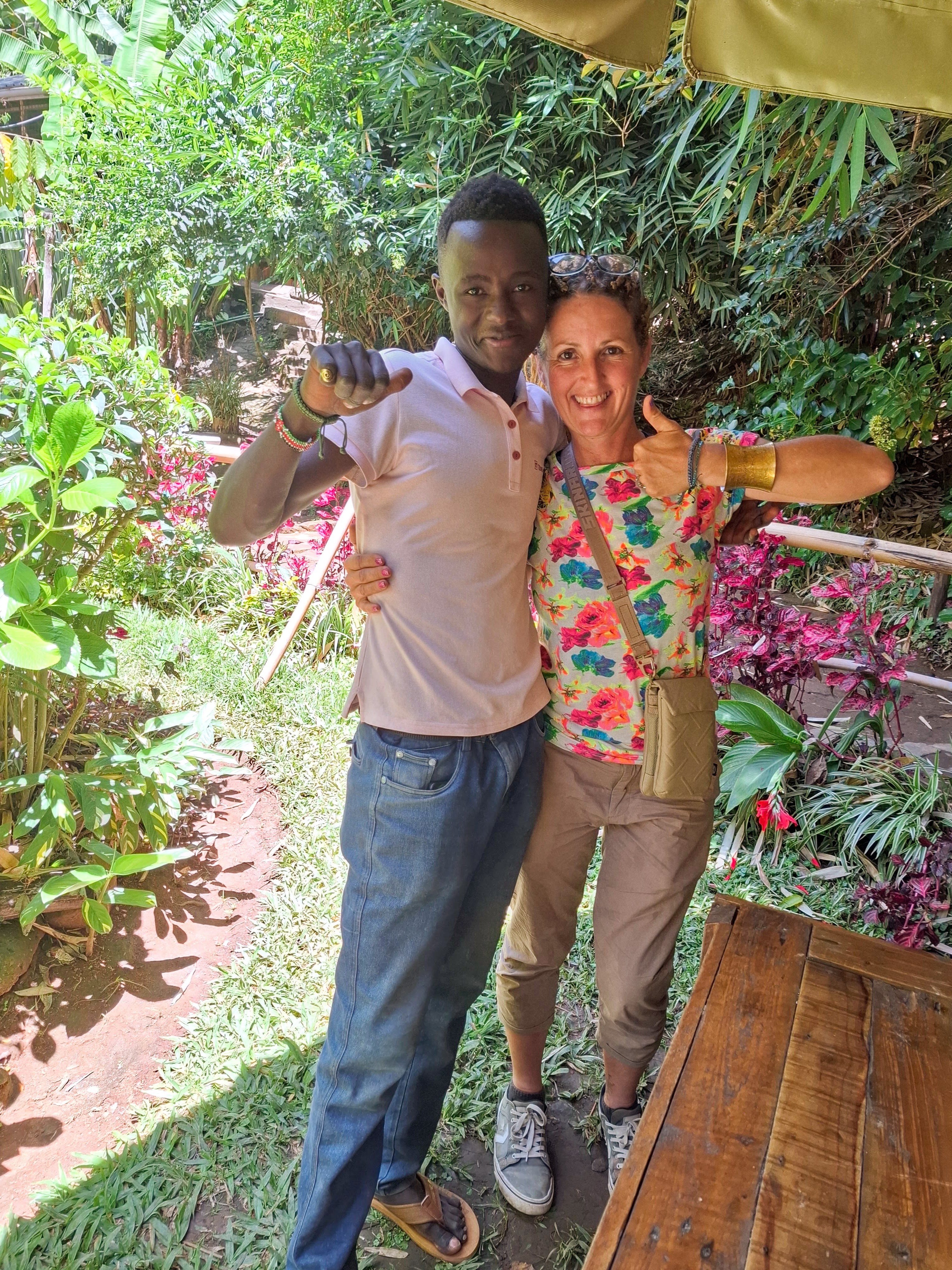
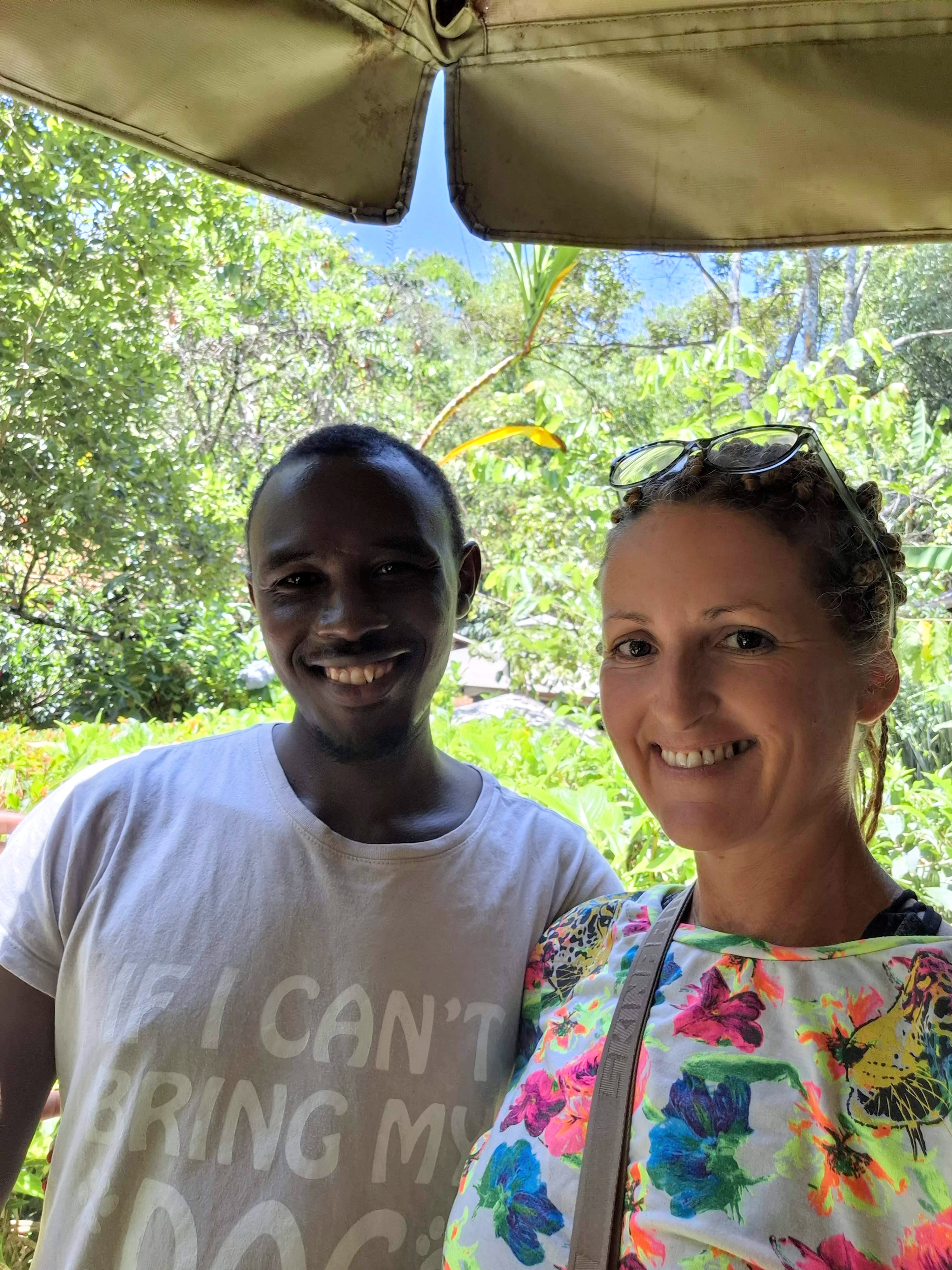
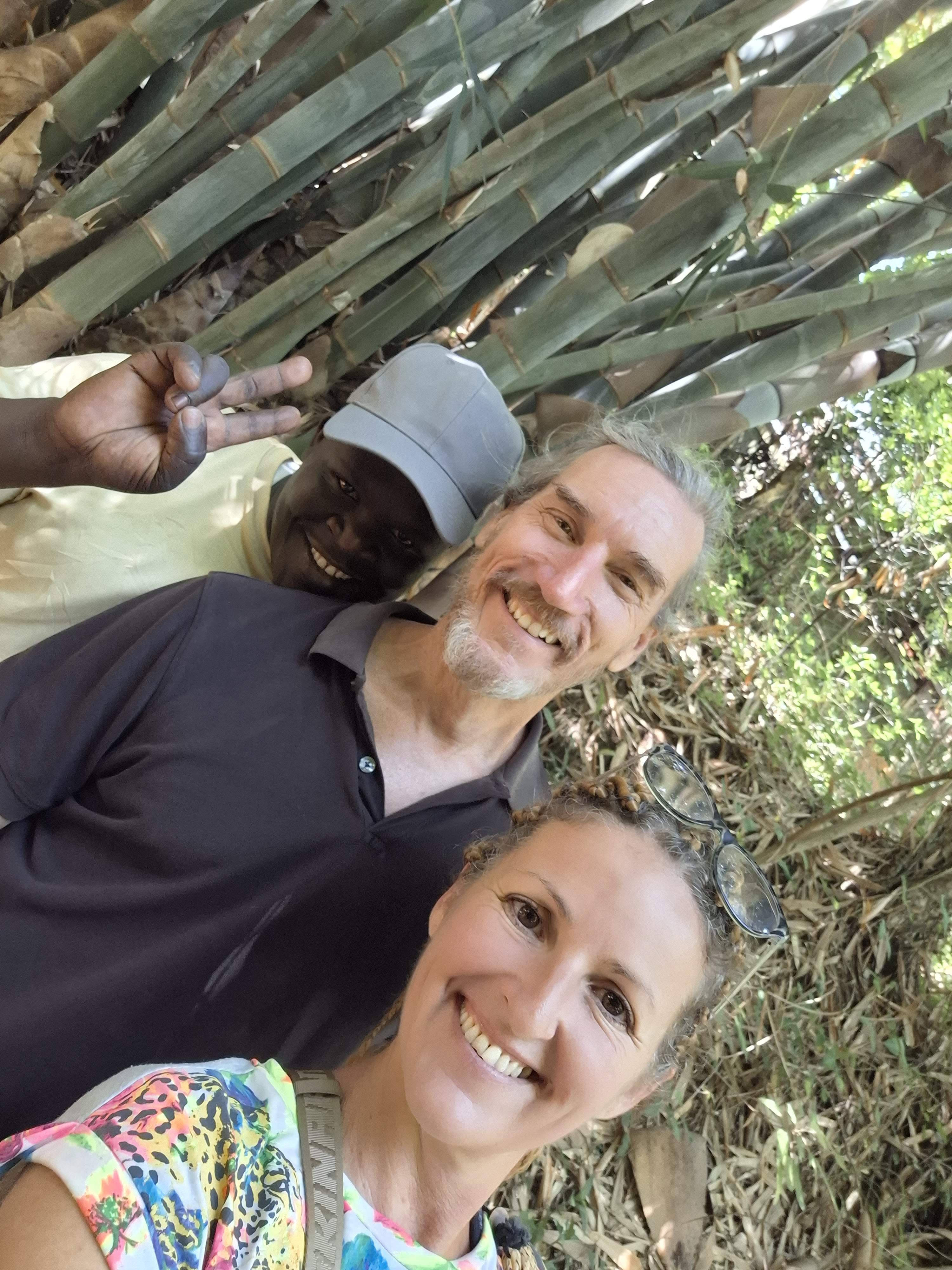
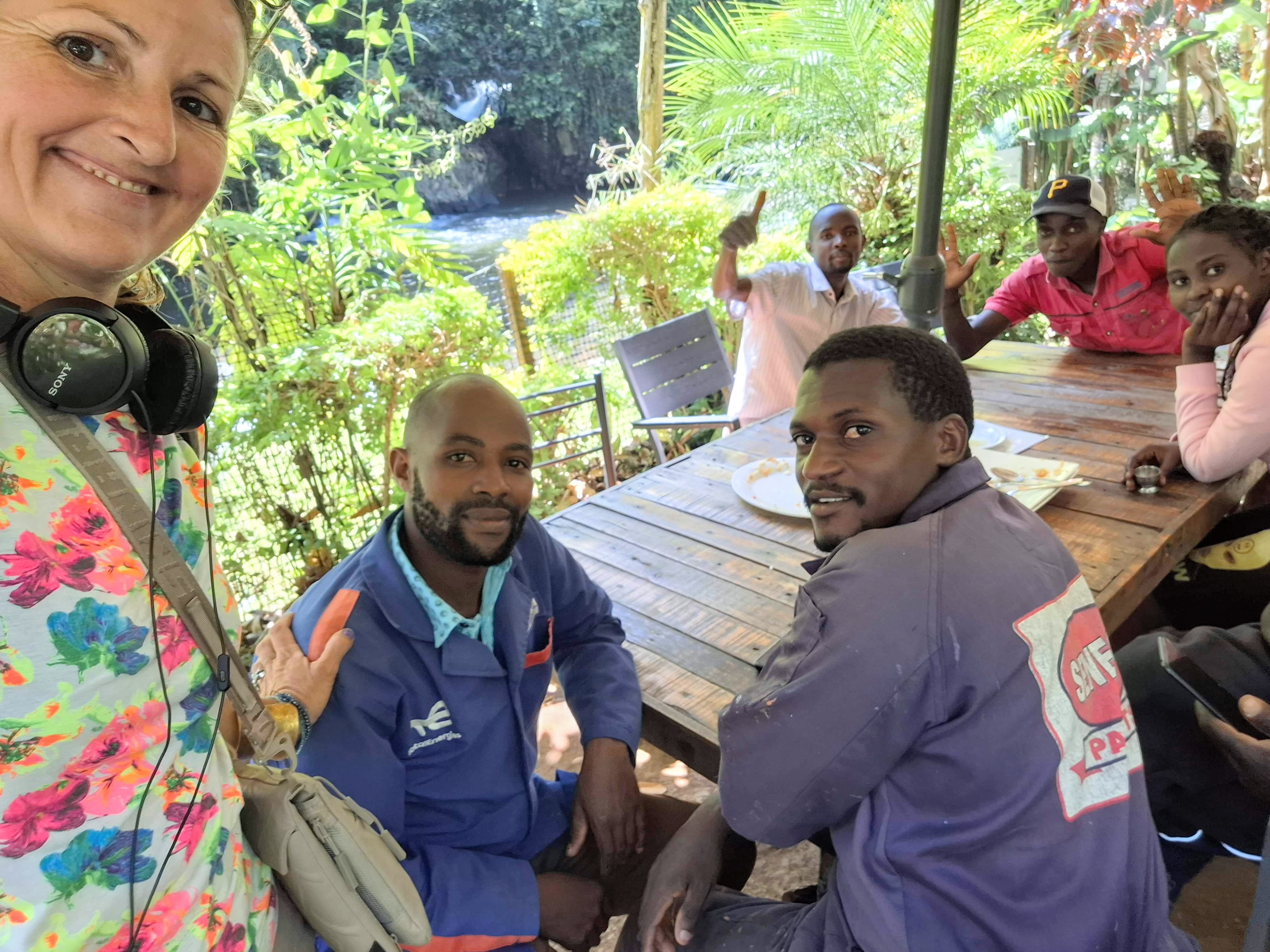
Spending a month in Africa— in the cooler altitude of the Chogoria/Mount Kenya region— has given me a new level of experience in working with business and community towards building a pathway of sharing bamboo skills to enable bamboo resources to be utilised – integrated within a community development and business framework. Working with Jaye Irving on the Bamboo4Africa training program has expanded my knowledge of bamboo and being in Africa has given my soul and brain some much-needed healing time while connecting me with beautiful people whose warmth and strength have touched me deeply; I’ve returned with a renewed spirit and clarity of purpose.

Coming Home to Africa
Something about Africa made me feel like I had come home. Perhaps it’s because it’s my birthplace, or maybe it was having a room/space/privacy and a change of scene and association from all the aspects of Bali and my journey with my daughter for a while. I felt a sense of belonging that has helped me view my work from a different perspective, and has given me insights to grow this Outreach project towards developing community livelihoods and well-being alongside business interests and environmentally sustainable practices.
I believe in the Filipino saying that “bamboo makes us human” – in terms of that it requires a Collaborative management approach… Bamboo is so abundant in terms of all the by-products, ecosystem services and products that it provides; viewing it through a capitalistic/exploitative lens alone just doesn’t work – or rather – doesn’t do it justice. The industrial attitude to me seems wasteful and individualistic. It doesn’t take into account or hear from the aspects… it’s a one-track mind. An example would be a very expensive biochar set-up which turns entire culms of bamboo into biochar – which to me, is killing a cow to make dog-food. Bamboo has so many parts and uses – the industrial mindset doesn’t work and shouldn’t have to be imposed on it. What makes us human is our ablity to co-operate (help-together), to give/share and to innovate… bamboo enables so many opportunities for this. If only we could focus a bit away from total capitalistic export and to what can be produced and shared between communities…. but while people are just greedy for money, perhaps it is not likely to happen.
Bamboo provides the fertile ground for our human creativity to flourish and for our sense of the “common good” to come to the fore, while producing more than enough for everyone. It gives me the hope that we can create economies which are “circular” and even Mandelbrotic (a type of fractal in which there are endless microcosms and macrocosms) and that we can break the cycle of linear ecomonic thinking and the “scarcity” mindset. For me, Bamboo can create pathways to reviving communuities—and can enable community enterprises to develop alongside “business interests” at the “farming level” – while at a community level, there could be a model for international community development harmonious with sustainable and regenerative livelihoods – culminating for me in projects/spaces where sustainabilty skills are shared and potentially where my daughter could spend time with me again.
The Journey That Led Me Here
My journey out of “normality” was spurred by the inadequacy of my own society to support my needs as a single parent of a child with a disability. Living in North Queensland, Australia, I experienced isolation and lack of sustained support that eventually led to physical and emotional burn-out and physical breakdown (around 2014/15). Traditional “respite” services didn’t overcome the fundamental chasm that exists in “modern”/individualistic society” in terms of how we “care” for eachother. I was faced with relinquishing care of my then 14-year-old daughter to the State—and of losing decision-making powers and regular contact with her. Then at the eleventh hour, God led me to the Philippines where I stayed with a friend’s family who helped me to support Freyr in a family environment. This opened my eyes to the reality of how life is for the majority of the world’s people and I experienced firsthand what life is like in the ‘Global South’.
Finding Inclusion in Southeast Asia
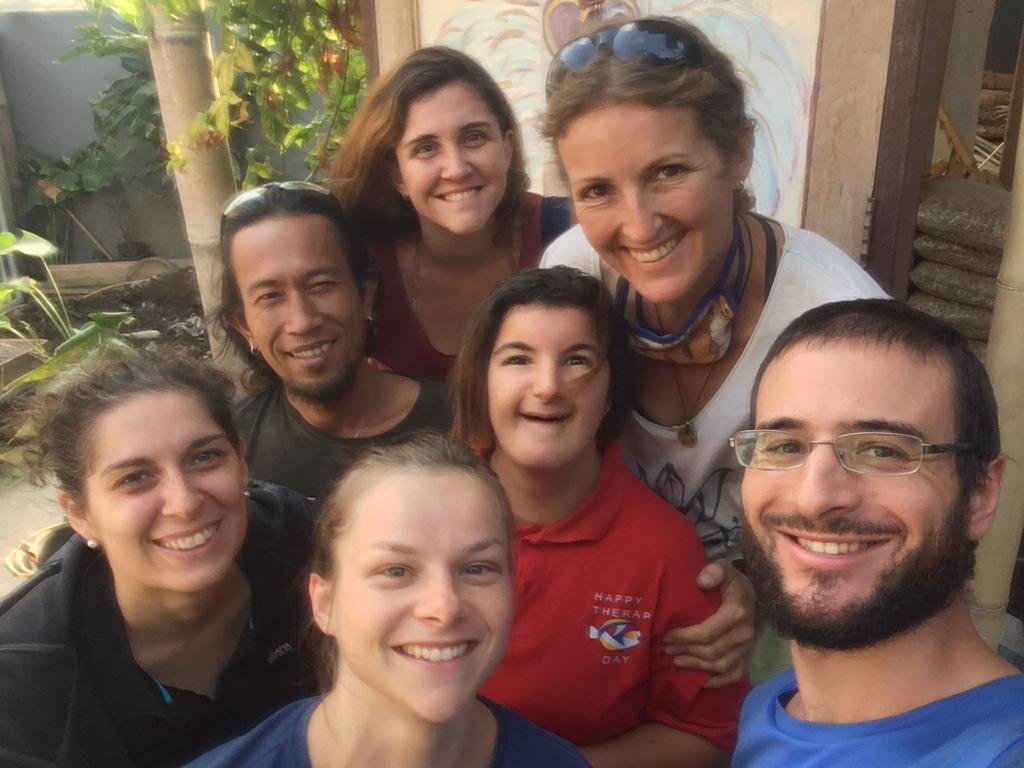
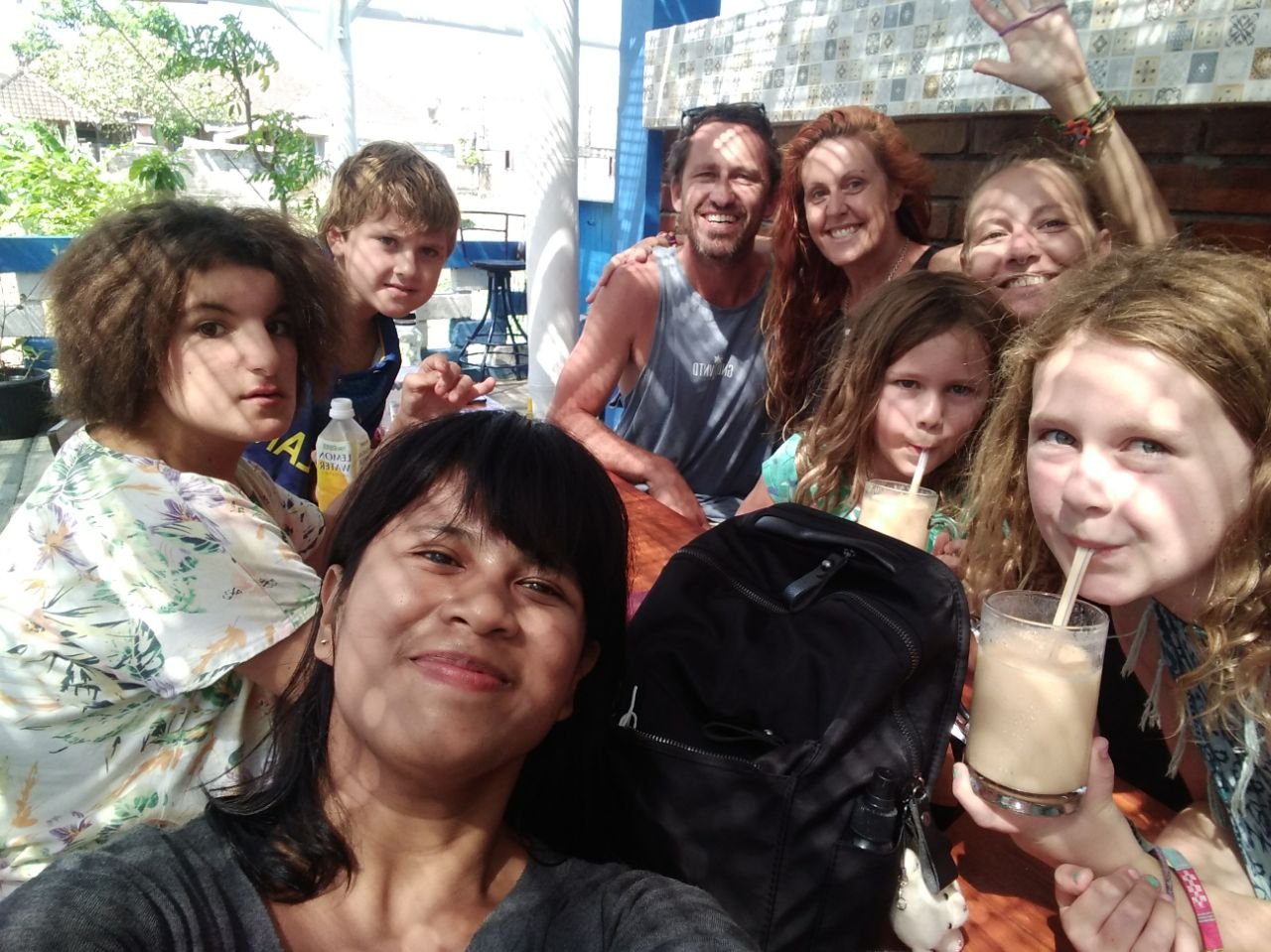
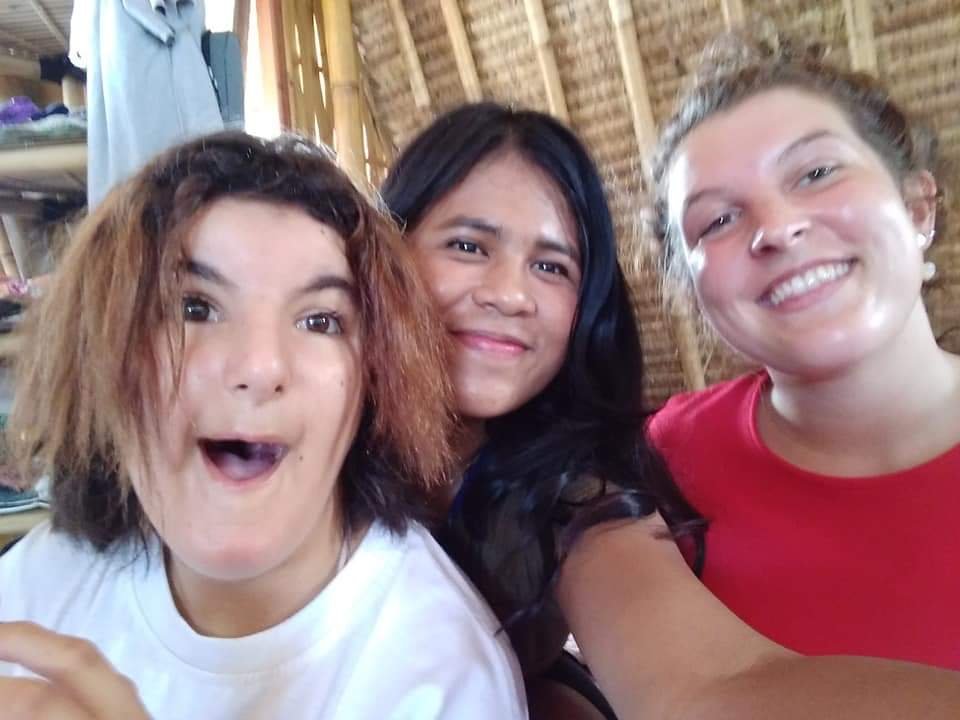
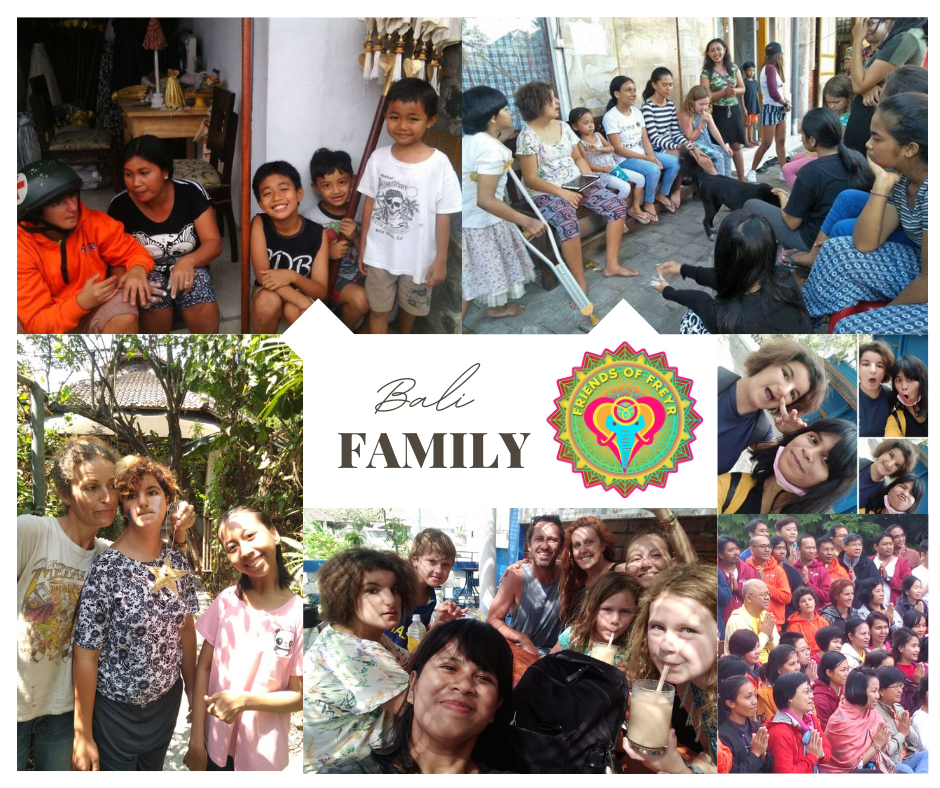
These past years in Southeast Asia and Bali have enabled me to live in societies where my daughter Freyr is seen as special—a gift. Wherever we go, people smile, greet her, share their food, and go ‘out of their way’ to interact with her… Whether simply the kids who gravitated around her, playing singing and clapping games or the mums/women who adpoted her into their families – it was a stark contrast to my experience in my own culture. We stayed with several families in the Philippines and with my new-found time resources, I helped make small livelihood projects – which is where I first encountered bamboo.
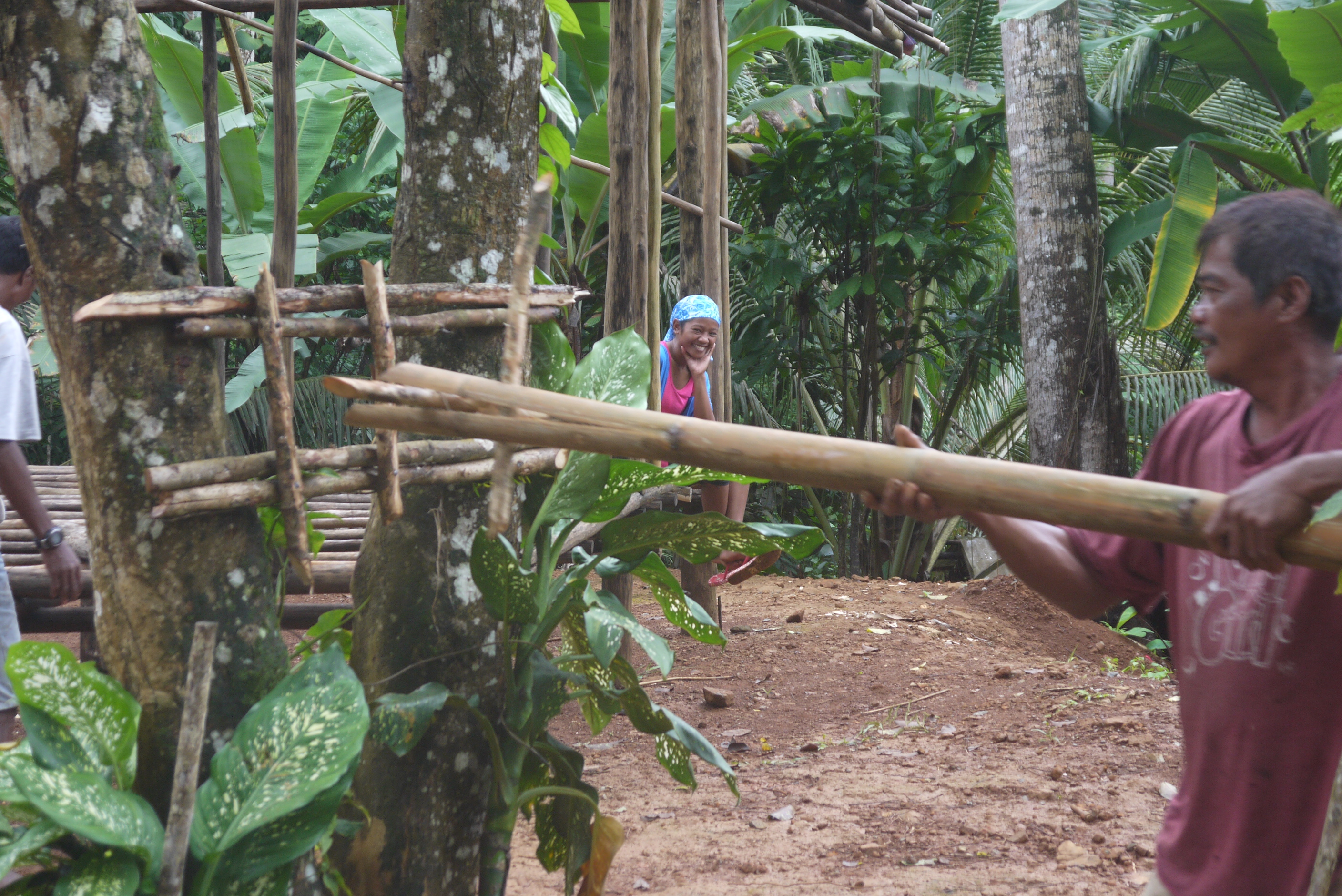


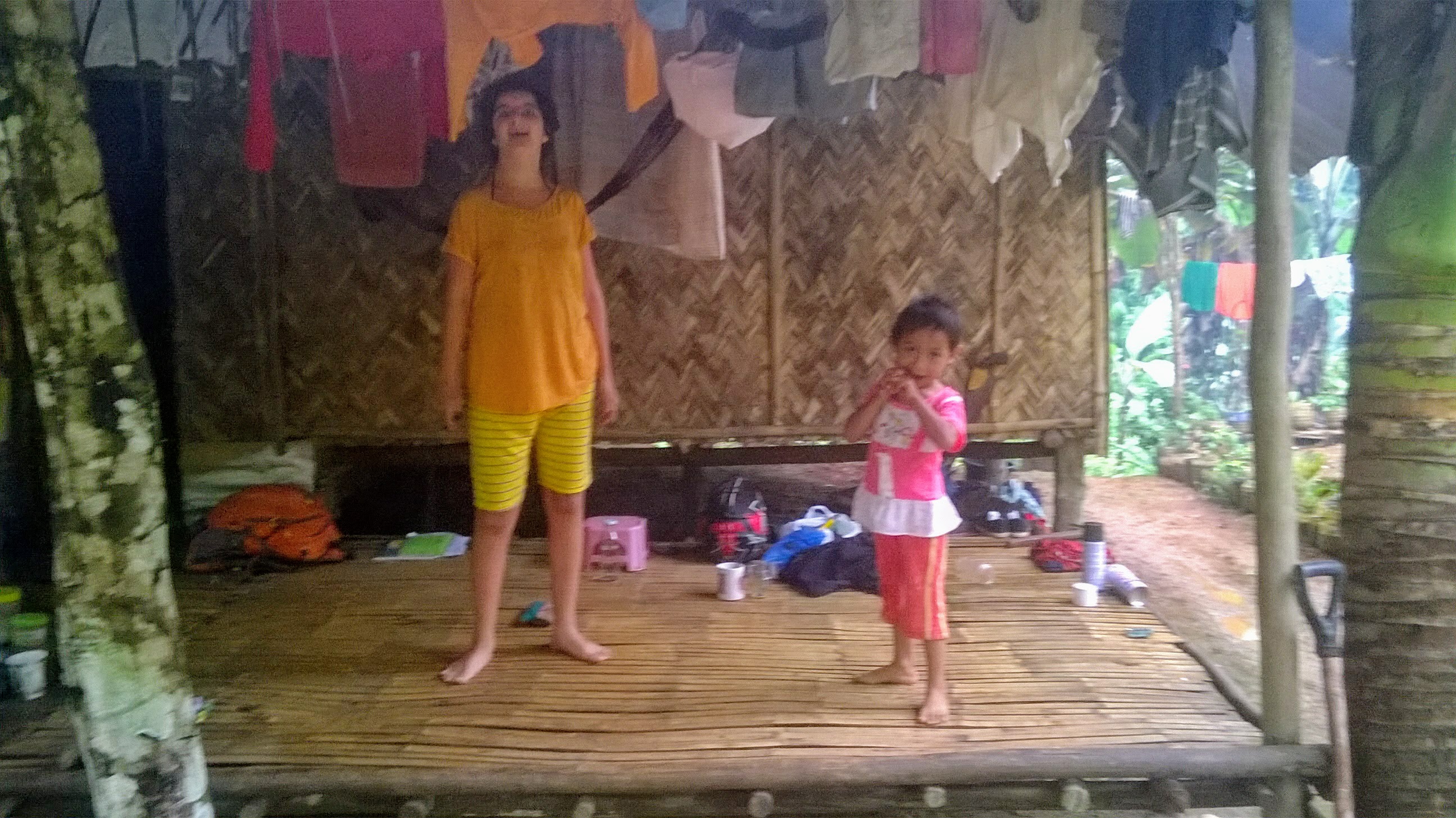
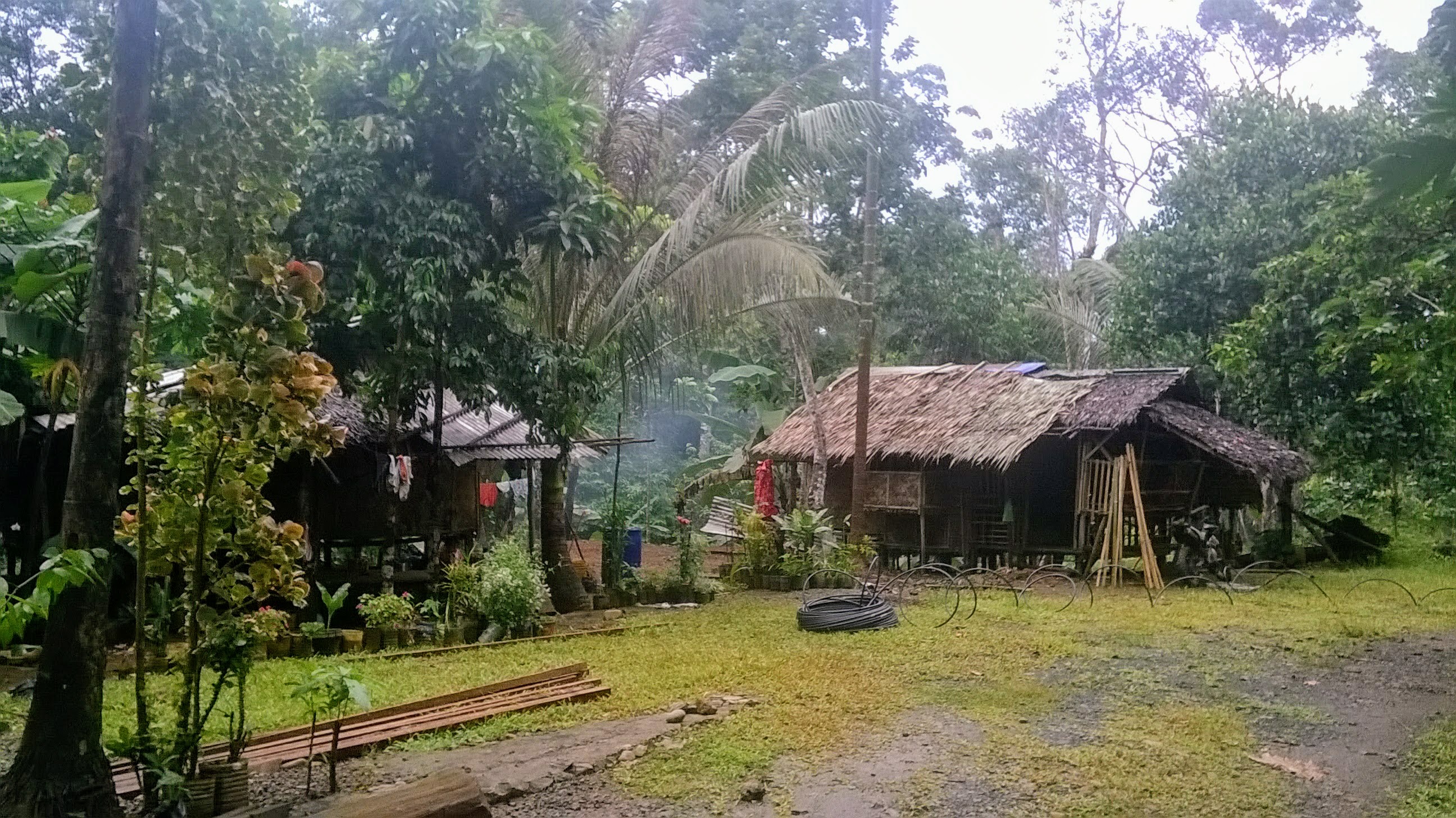
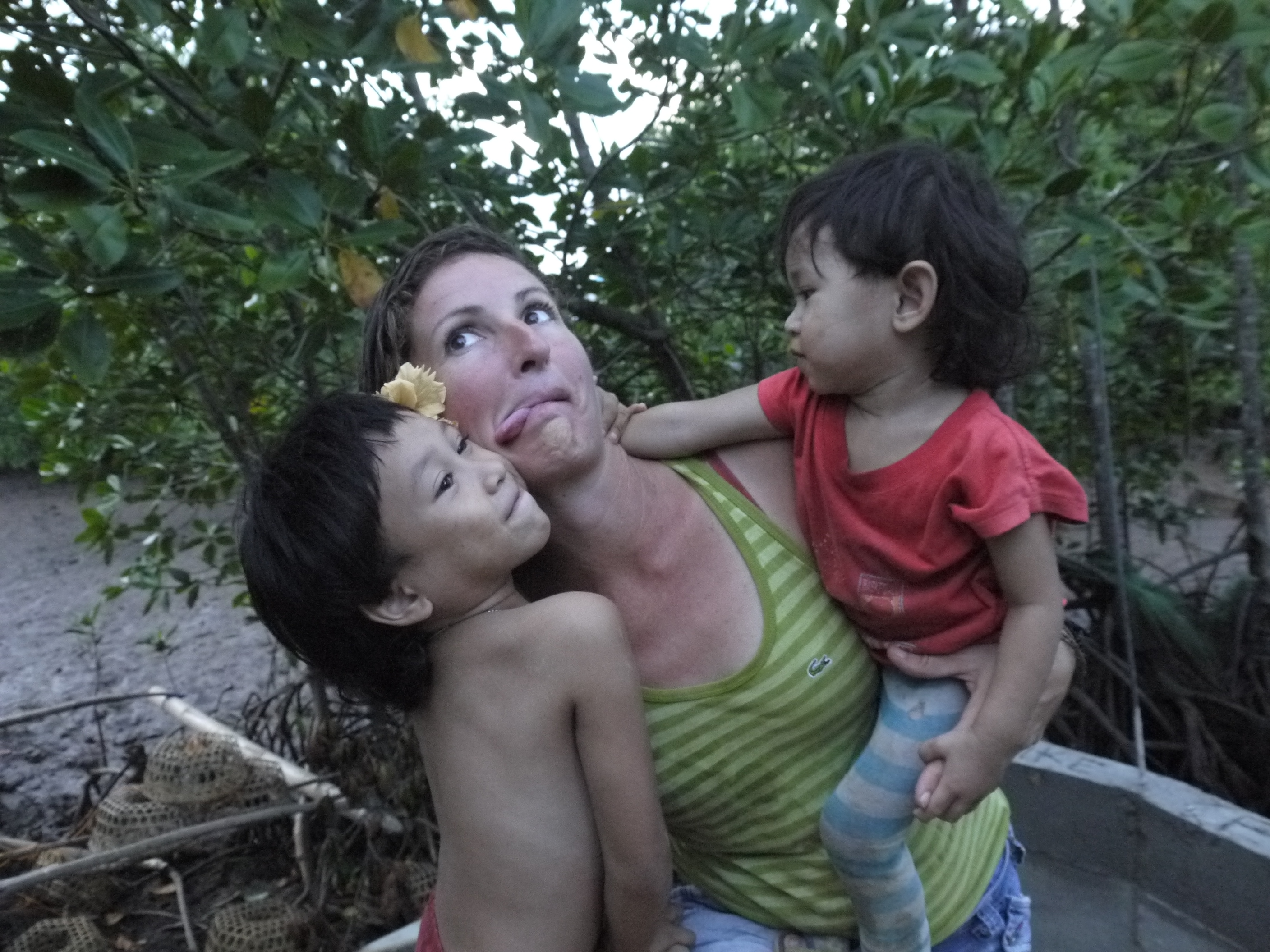
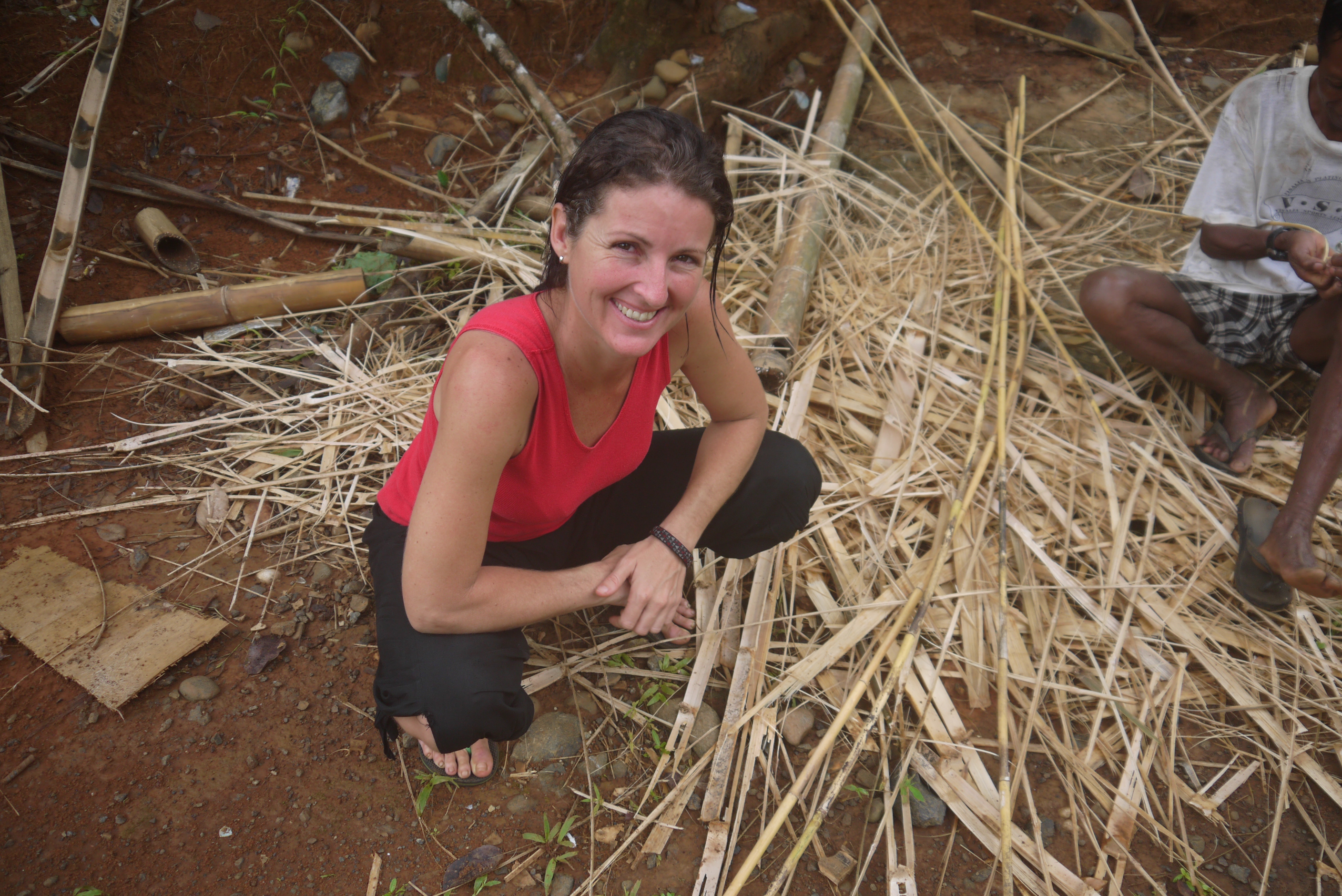
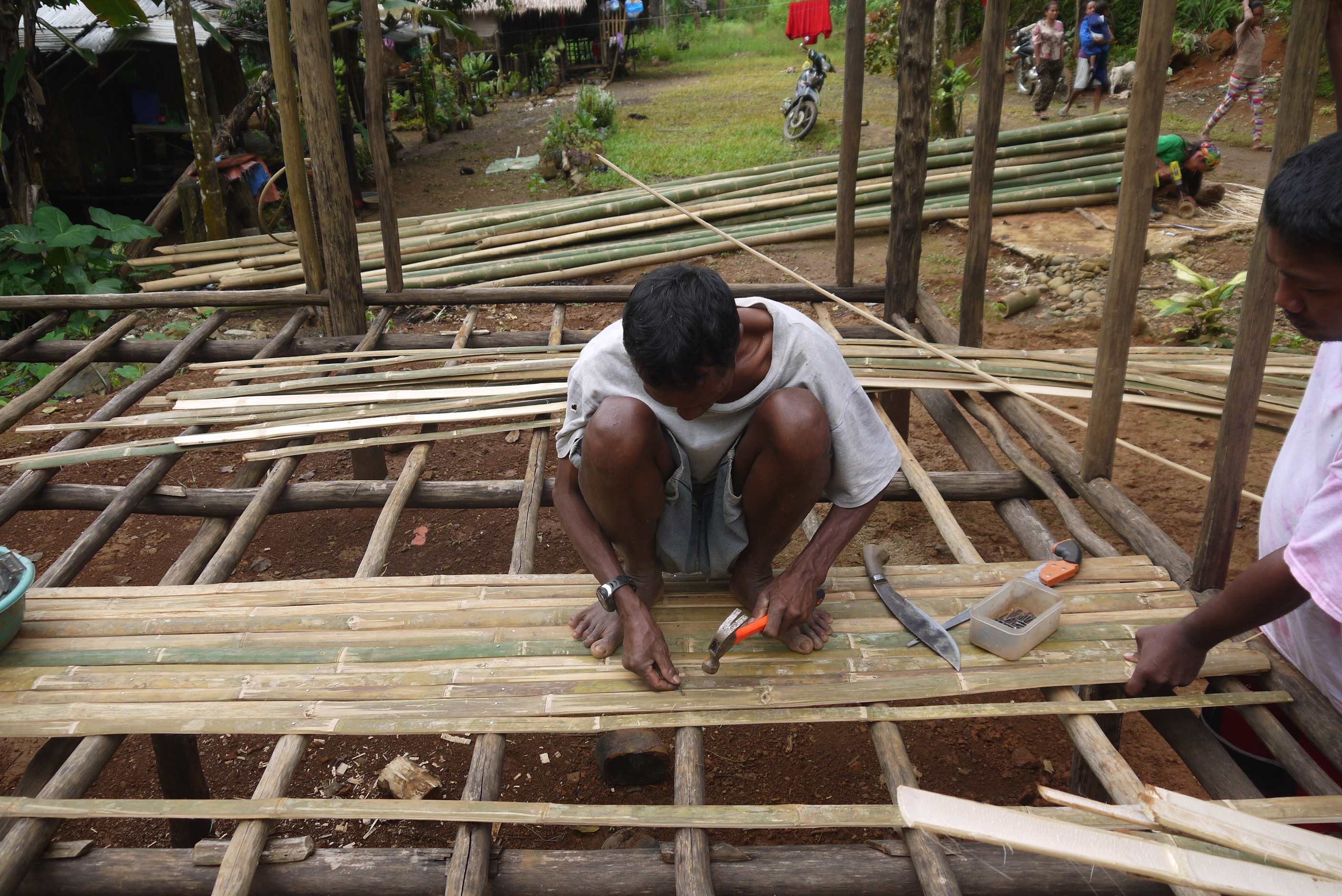
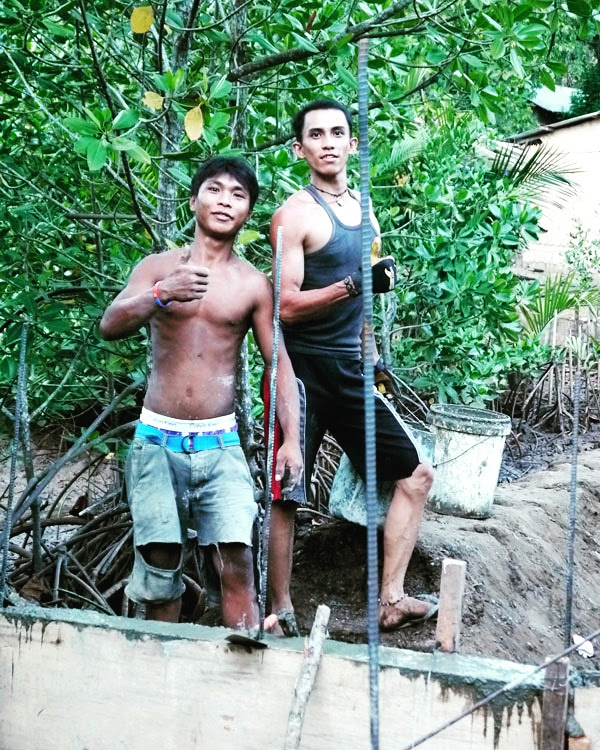
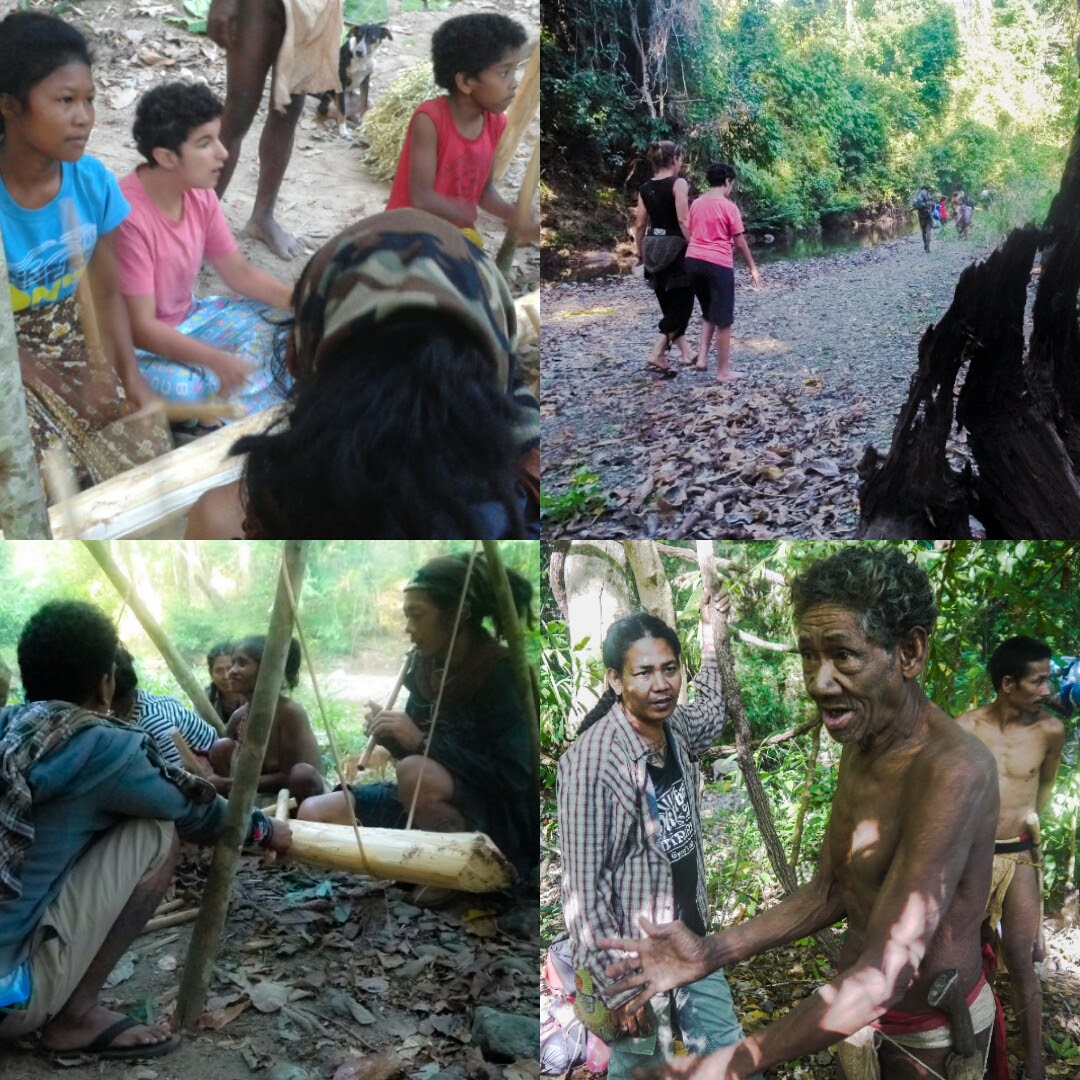
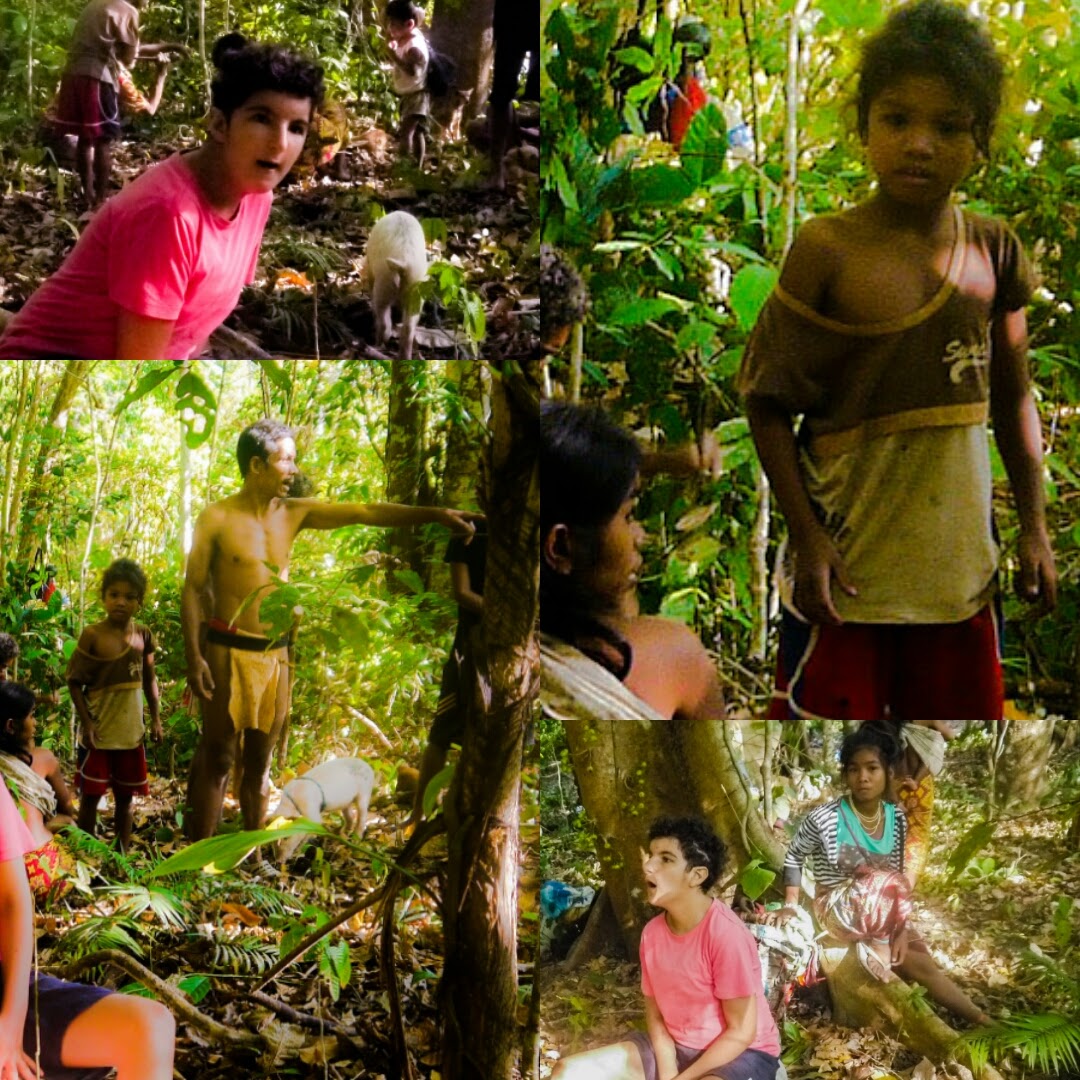
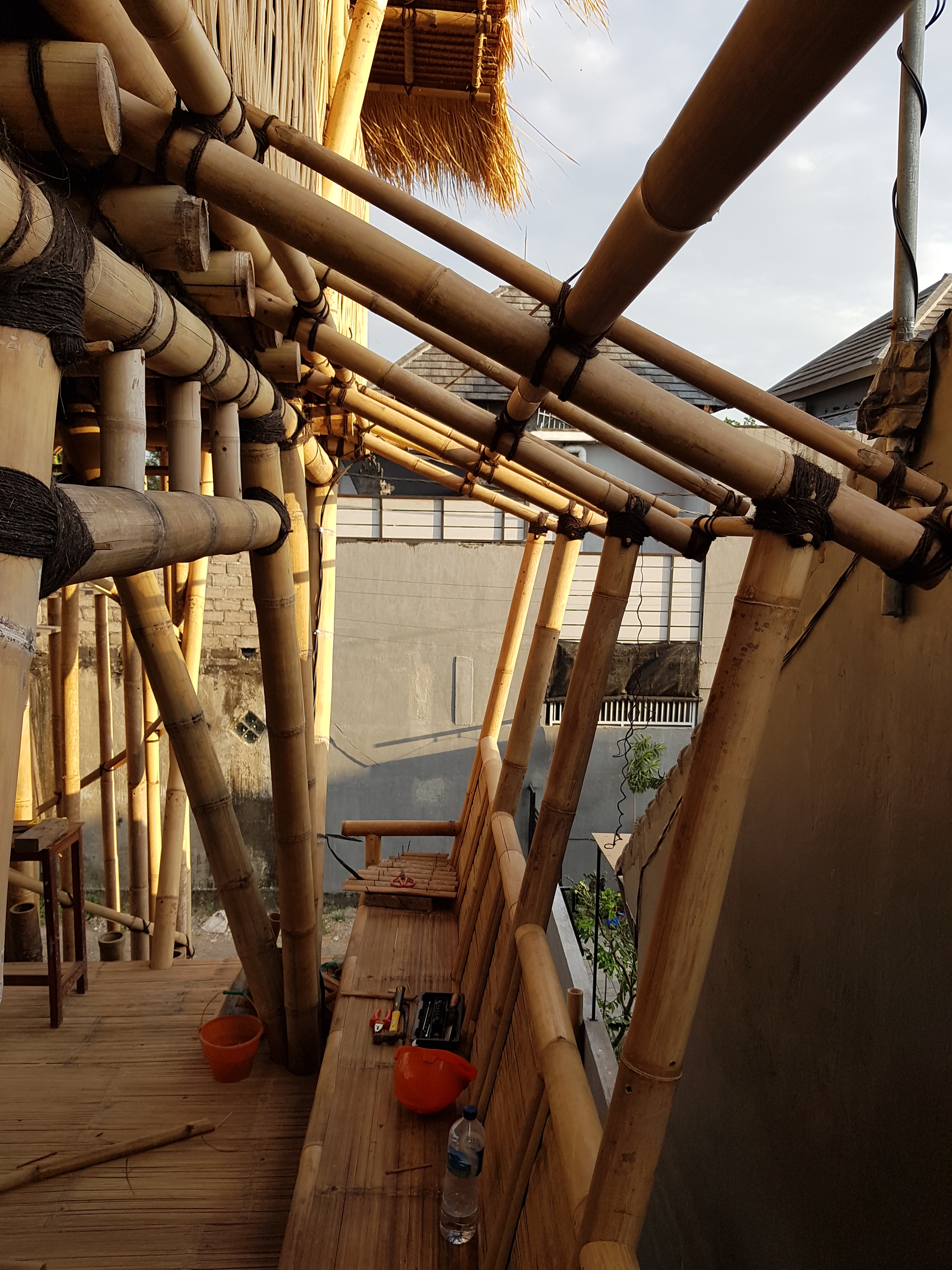
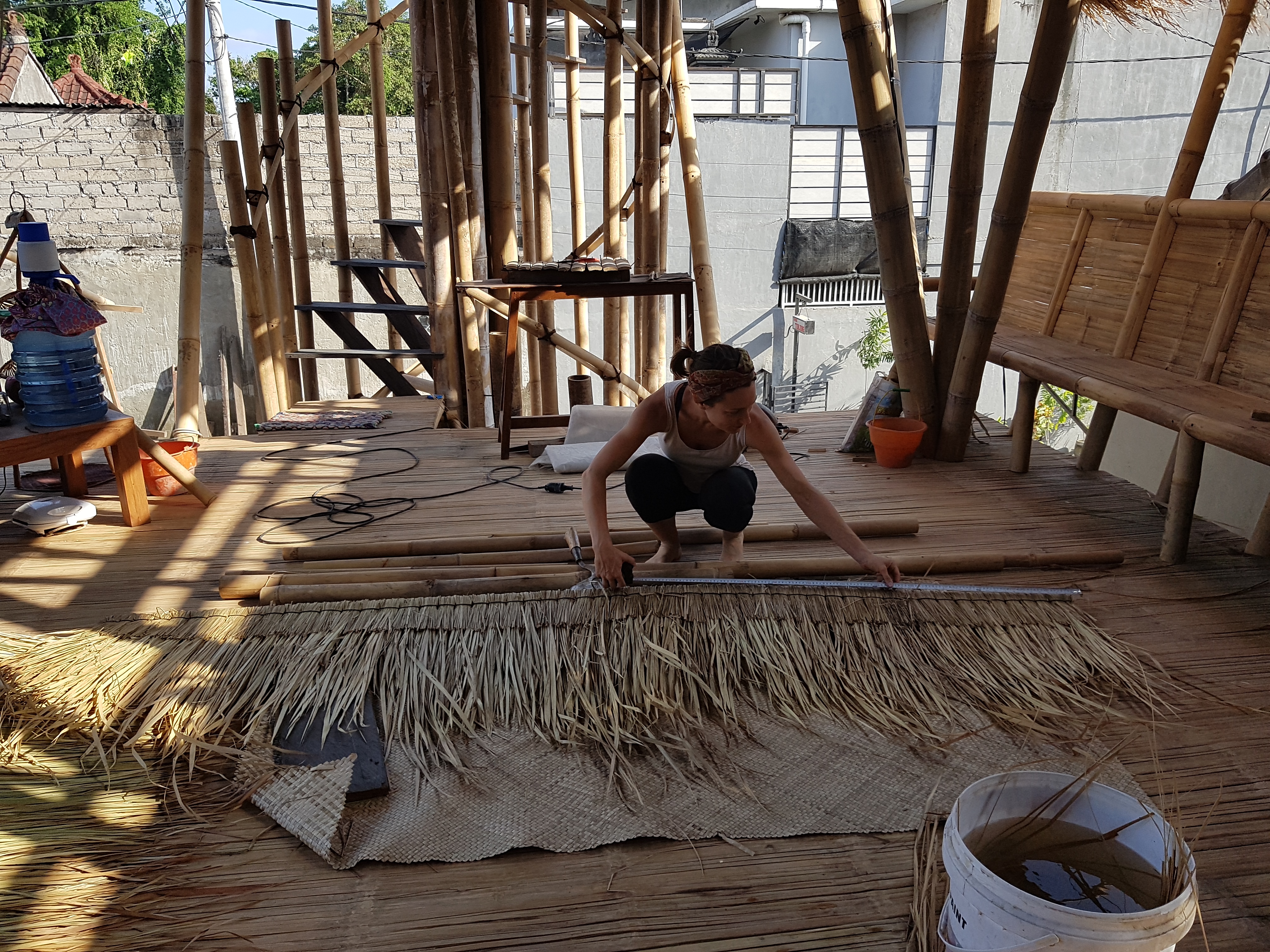
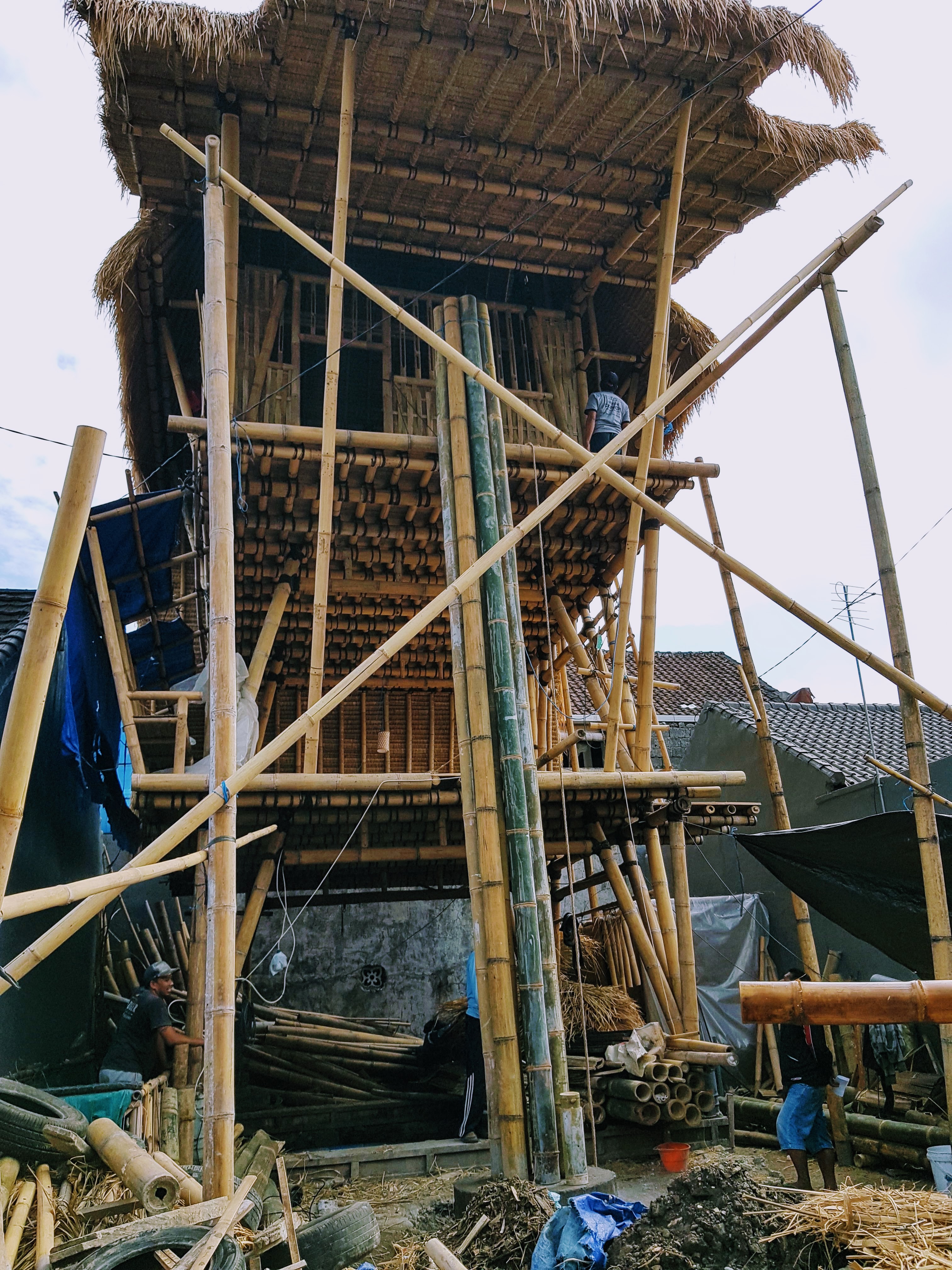
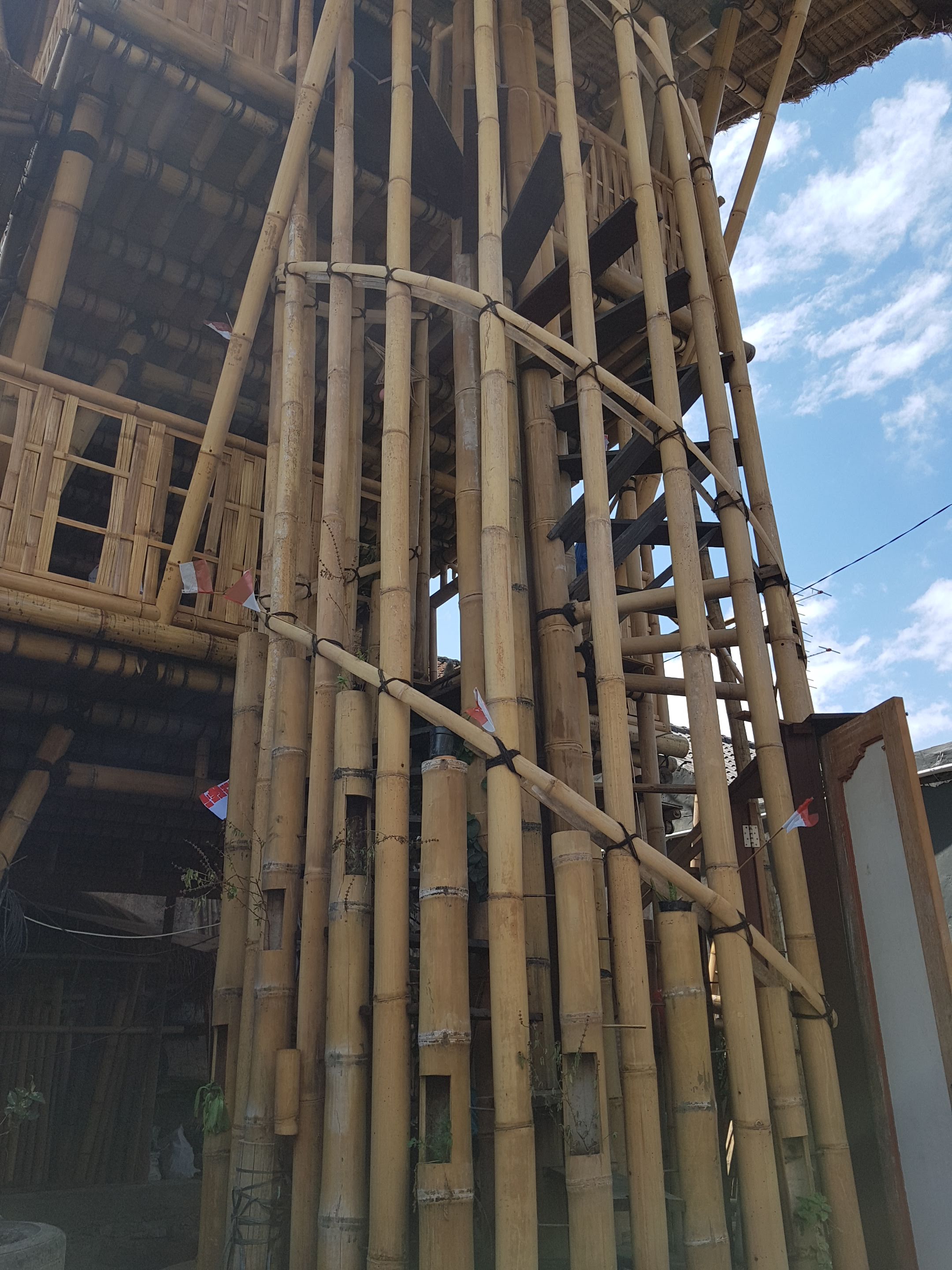
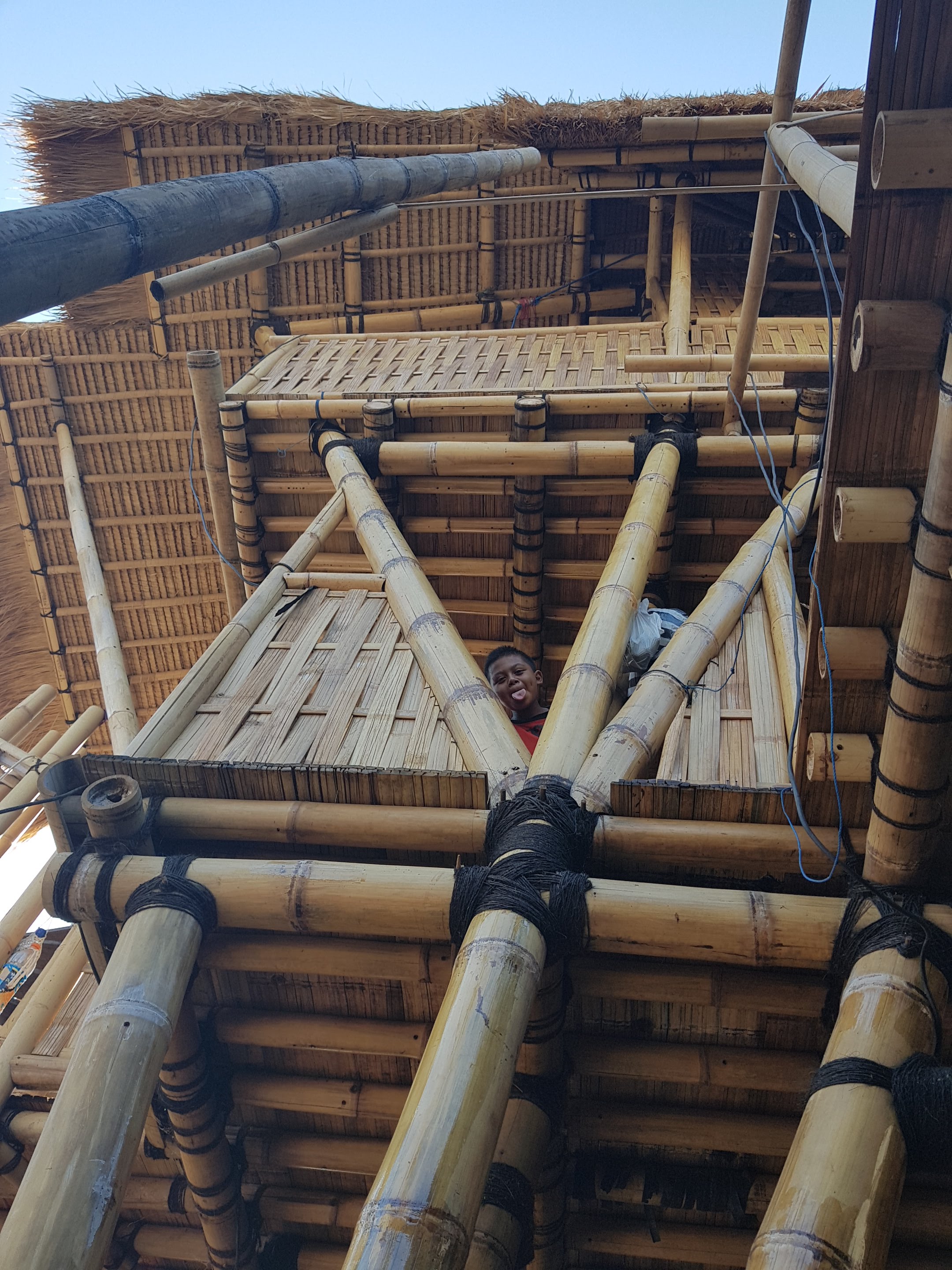
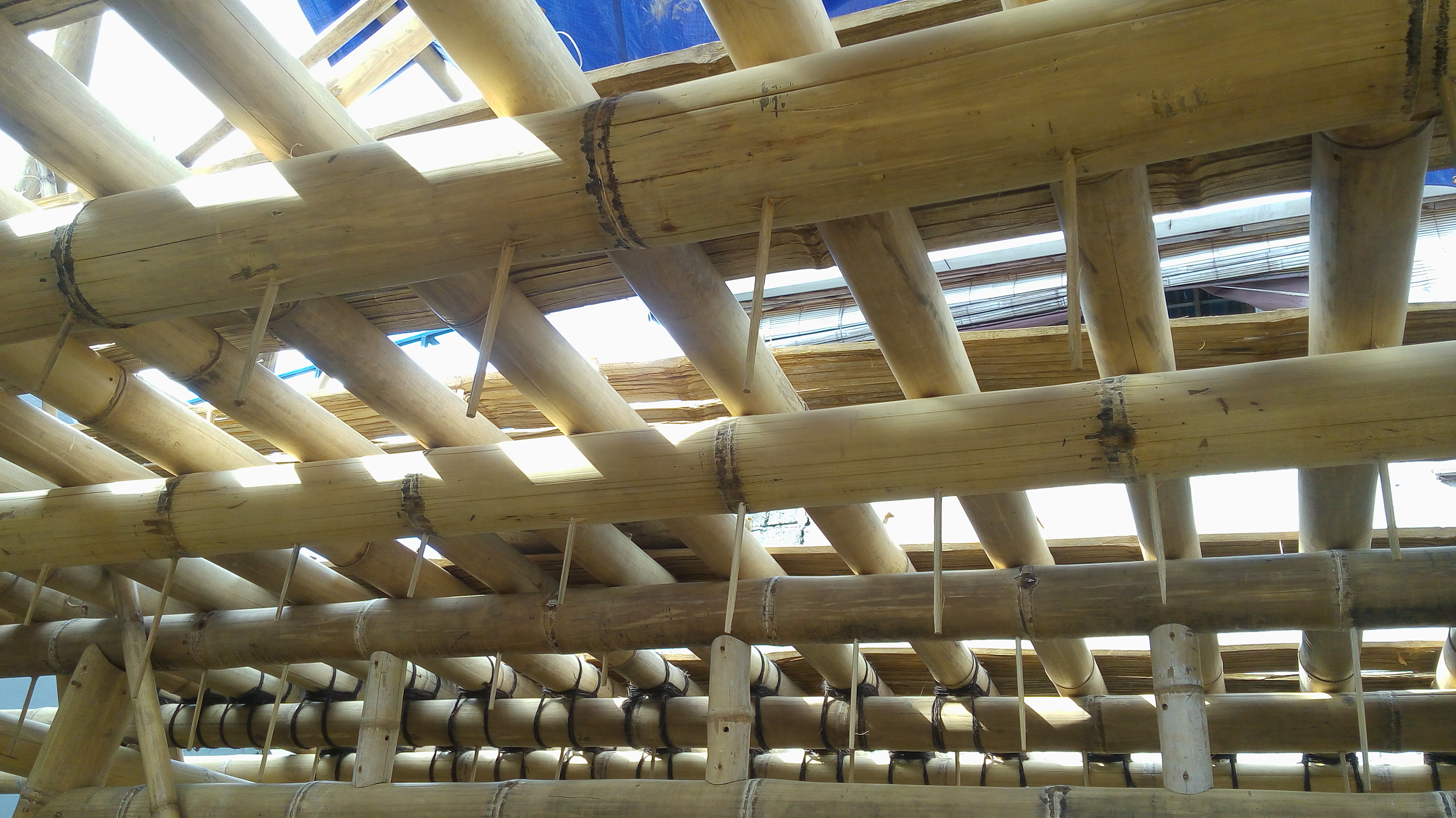
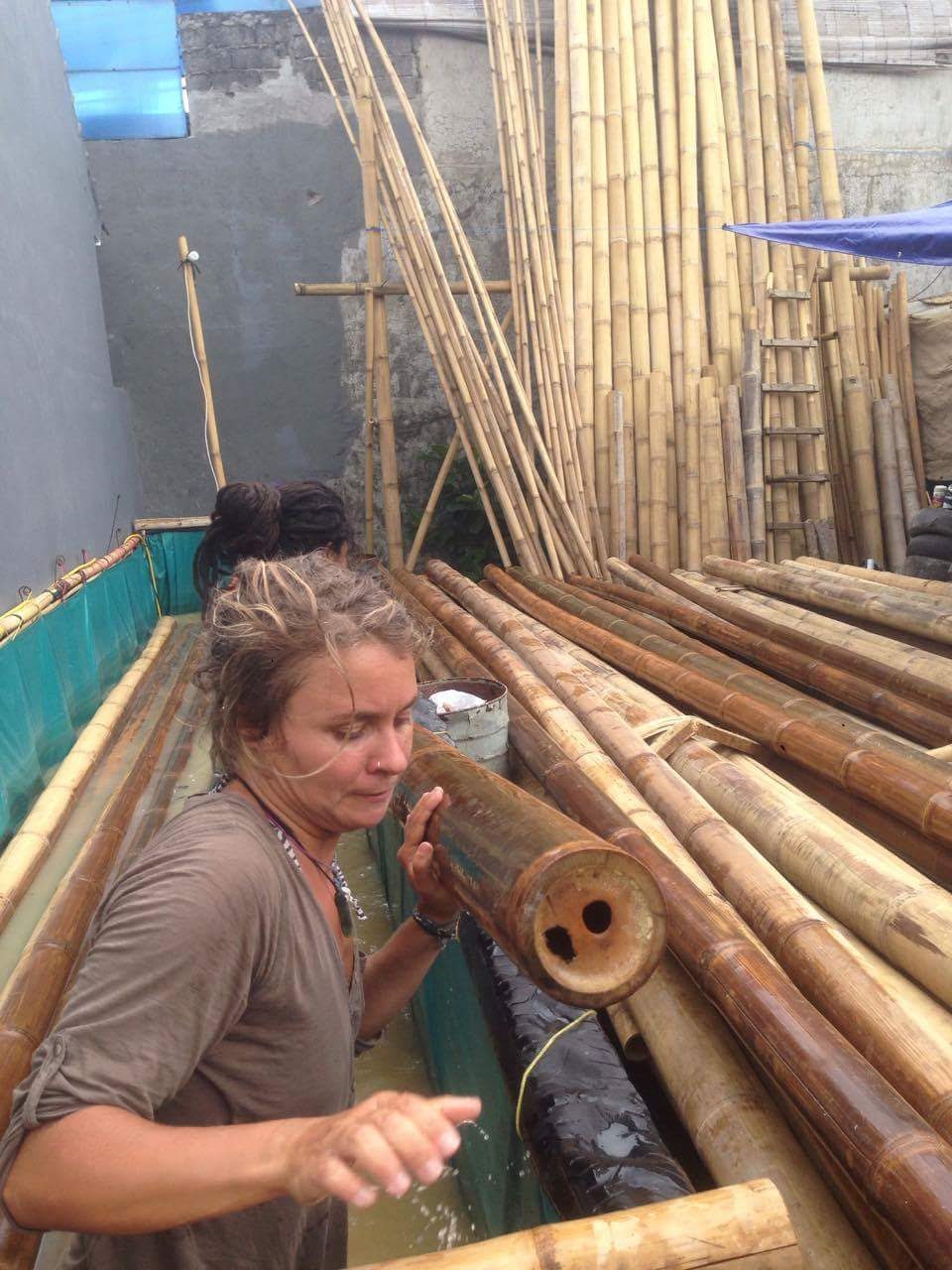
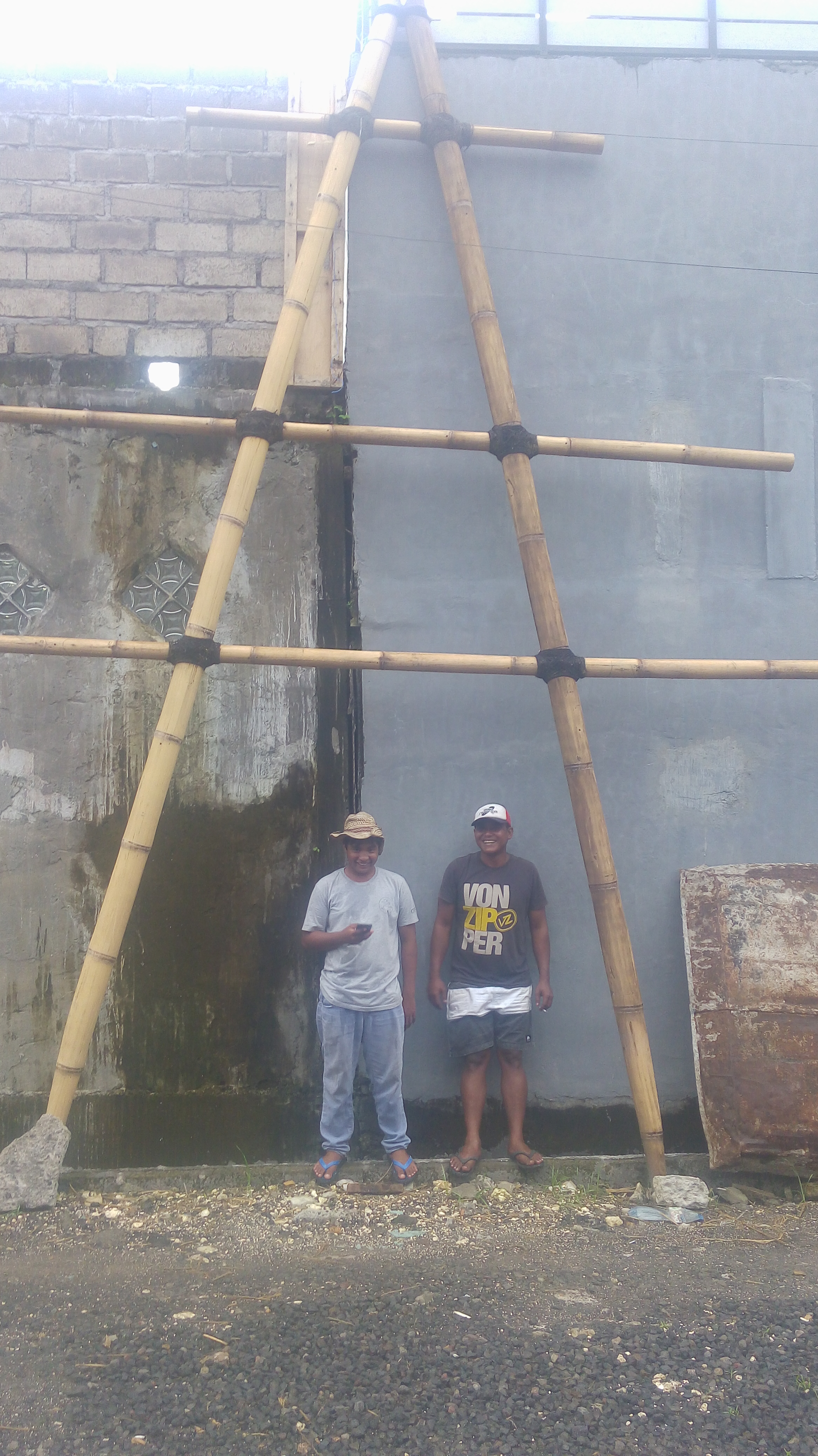
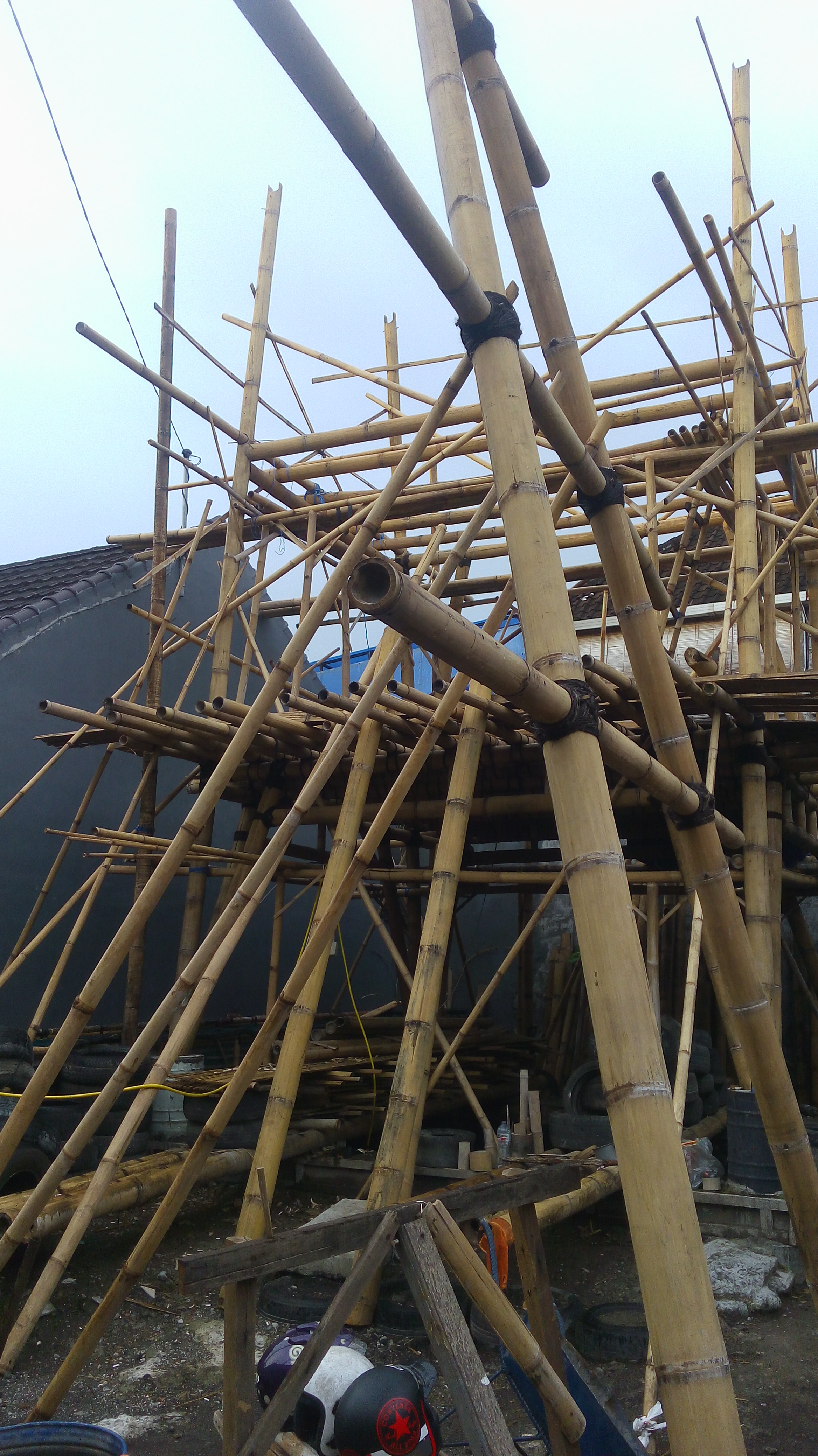
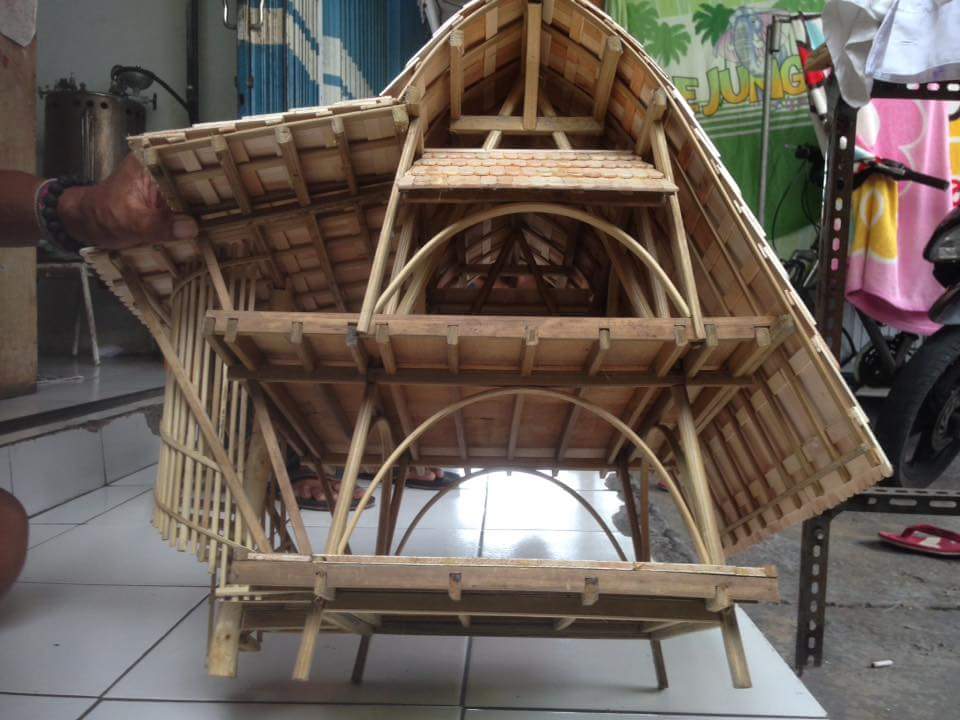
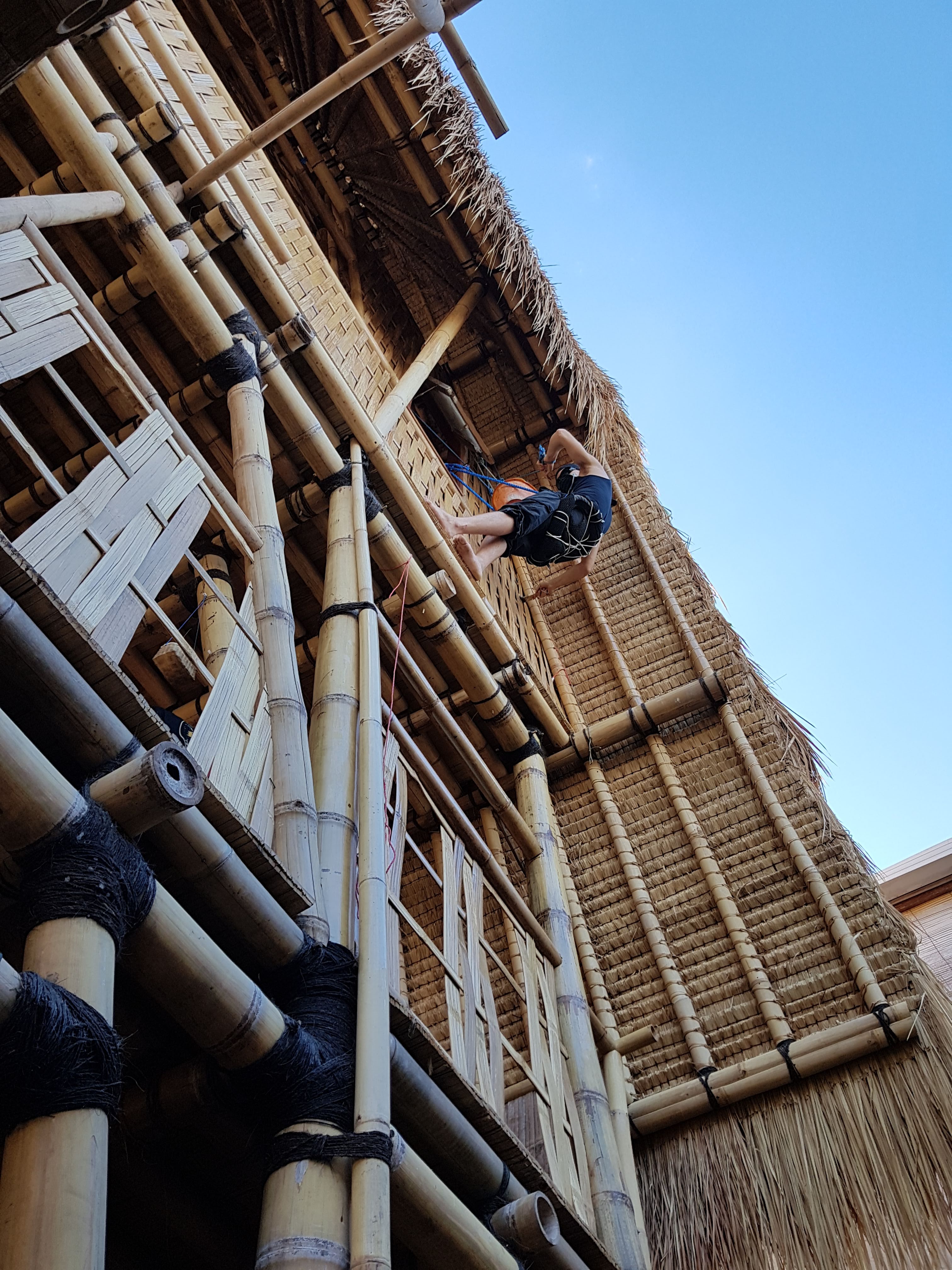
I went on to build a bamboo house in Bali for my daughter Freyr with local friends from Malang (Java), driven by my curiosity about why more people in Asia don’t use bamboo to build with… I wanted to help the families who hosted us in the Philippines to create income opportunities through eco-tourism home-stays – rather than waiting by the roadside each day for work or being in entrapment employment (where they would borrow from the next month’s salary to get through each month). And this became a way for me to create social inclusion around my daughter while developing my own learning. Along with the help of volunteers interested in natural building and helping people with disabilites, our local staff and her attendance at a local school, my daughter was able to be part of a rich social fabric. More than learning sustainable construction techniques and creating affodable comfortable dwellings without the expense of industrial treatment systems for bamboo; it was a way to keep my daughter in my care and to provide her with “natural” meaningful ways to participate socially.

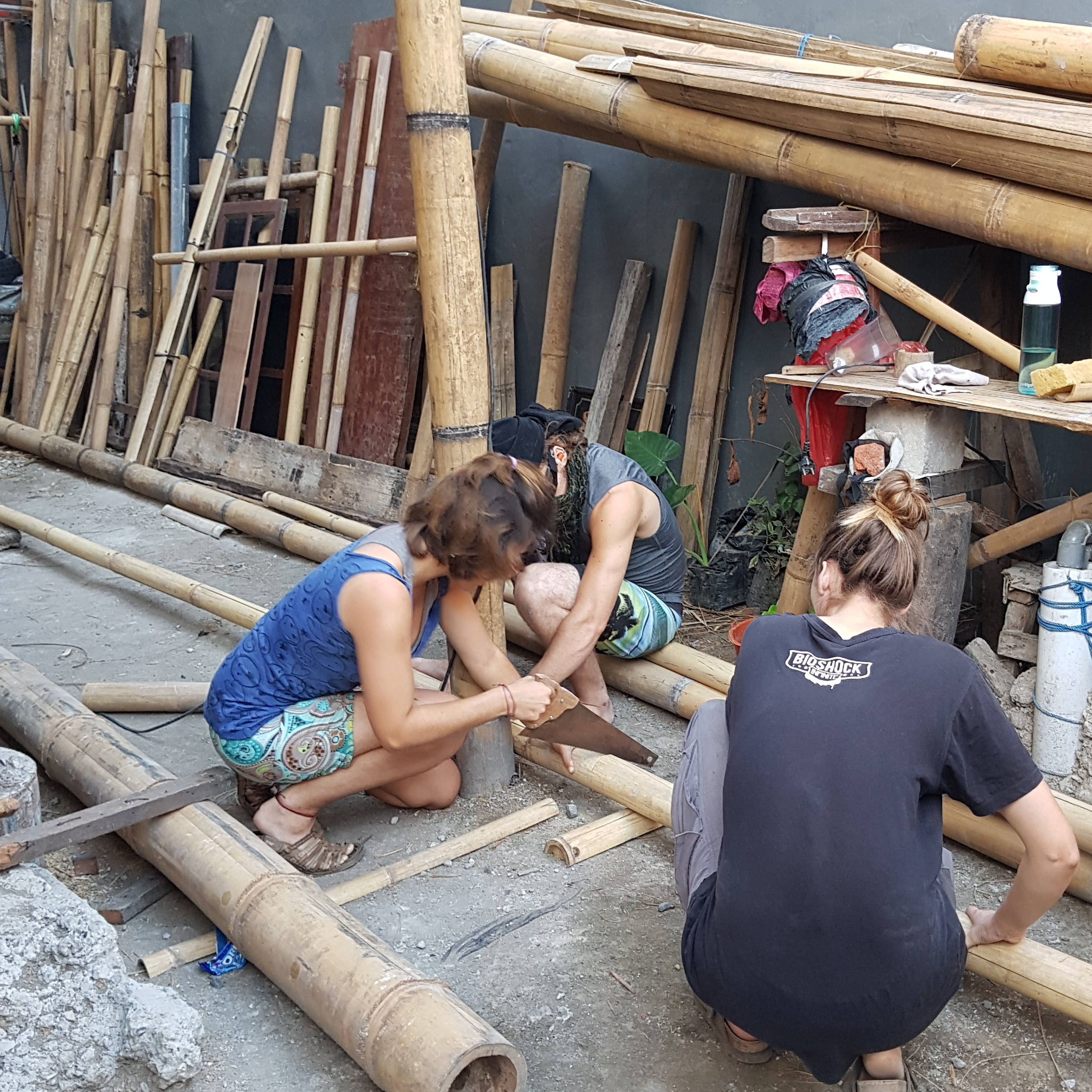

The Human Connection
When it comes down to it, don’t we all want to feel human? To belong somewhere and be loved? I found that living close to nature—waking up in the jungle in Palawan, near waterfalls in off-grid wildness —felt like paradise to me, even without modern conveniences. I felt human.
There’s an irony in how the “West” yearns for the “natural” life we’ve lost, while the “East” rushes toward cement and tile “modernity,” disturbing/destroying the natural landscape and village way of life. Even as we in the West recognize how our segregated lifestyles lead to depression and loneliness, people in the East have somehow become brainwashed to associate such lifestyles with prestige and status.
A Vision for Collective Care and Community
Prior to leaving Australia, I had a vision that has only grown stronger with time—a vision of creating a true community where parents like me could come together, supporting each other and our children with special needs. This vision started while living in Australia and took root during my first trip to the Philippines after Typhoon Yolanda, where I worked on the Earthship build in Tacloban and witnessed the power of collaborative building – making me question how, as westerners, we can change our mindset from “what can I Get?” to “what can I Give?”.
Around the time I left Australia, the National Disability Insurance Scheme (NDIS) was being announced, with its rollout preparation underway. While the initial funding cuts partly destabilized my ability to care for Freyr, I held onto hope that this system would eventually enable parents in similar situations to come together and create long-term planning—a framework that would allow us to live close to our family members with disabilities while maintaining our own lives, identities, and economic contributions to society. This is yet to come about in reality unfortunately – and what has eventuated so far in the NDIS is more of an “insurance scheme” indoctrination, opportunistic exploitation, and now funding cuts to those who are MOST in need.
A Call for Collaborative Community Building
What would it take to create a community built on multiple layers of contribution—both financial and non-financial—where everyone’s gifts are recognized and valued?
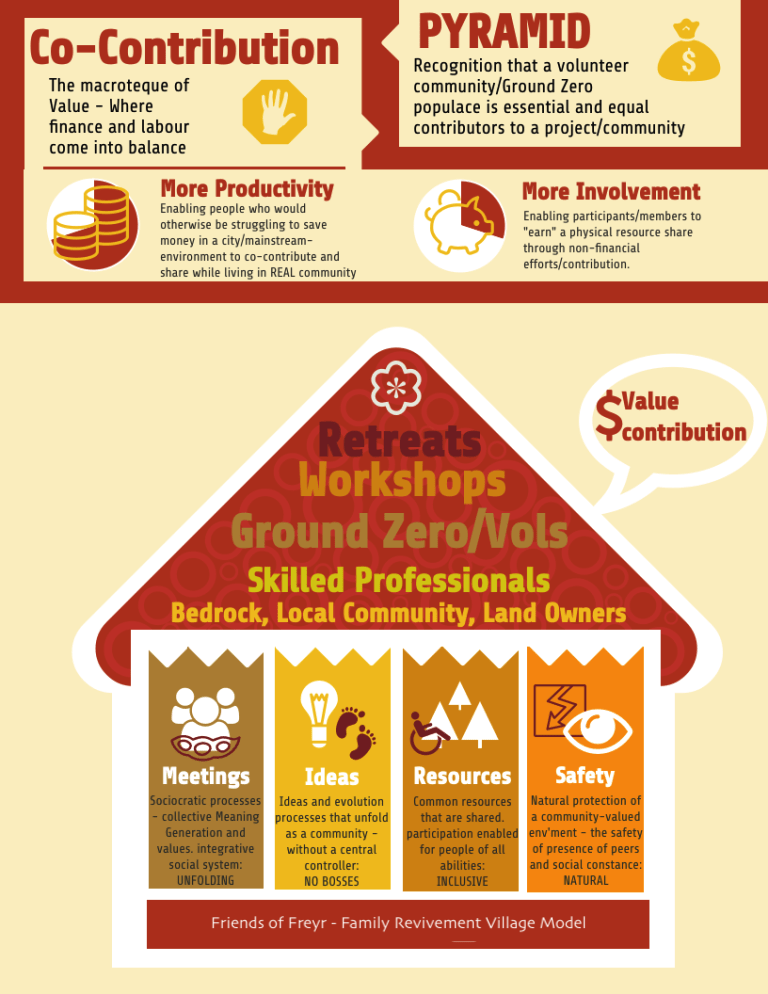
I envision natural learning environments where our kids (they will always be our “kids”) can be meaningfully involved in daily activities with their friends, supported by both paid staff, professionals and volunteers who come to learn natural building and sustainable living skills – and who want to live “in community” and contribute to “something greater”. There will be workshops and retreat stays for groups/families alongside those who reside more permanently or for periods which would enrich our community, creating a symbiotic relationship that benefits everyone involved.
This model of co-contribution moves beyond traditional economic structures, recognizing that value comes in many forms: time, skills, emotional support, creative expression, and financial resources. Some might contribute through teaching skills, others through growing food, creating art and music, sharing their unique talents/ skills or providing care. Some might invest financially, while others invest their time and energy. All forms of contribution would be honored as essential to the community’s fabric.
The backbone would be a regenerative farm and small hospitality venture run as as a co-operative/community business that provides economic sustainability while creating opportunities for our children to participate meaningfully in real work – perhaps tactilely or intellectually – depending on the nature of their “dif-ability” and talent/s . (I think my daughter Freyr would be well-suited to taking on the role as resident DJ – and I’d like to see her also involved in processing things grown on the farm). This would allow parents like me to have vital time for themselves while remaining connected to their children’s daily lives—creating the physical, moral, and peer support that is absolutely essential for anyone caring for a person with a disability.
From Vision to Practicality: The Inclusive Bamboo Festival
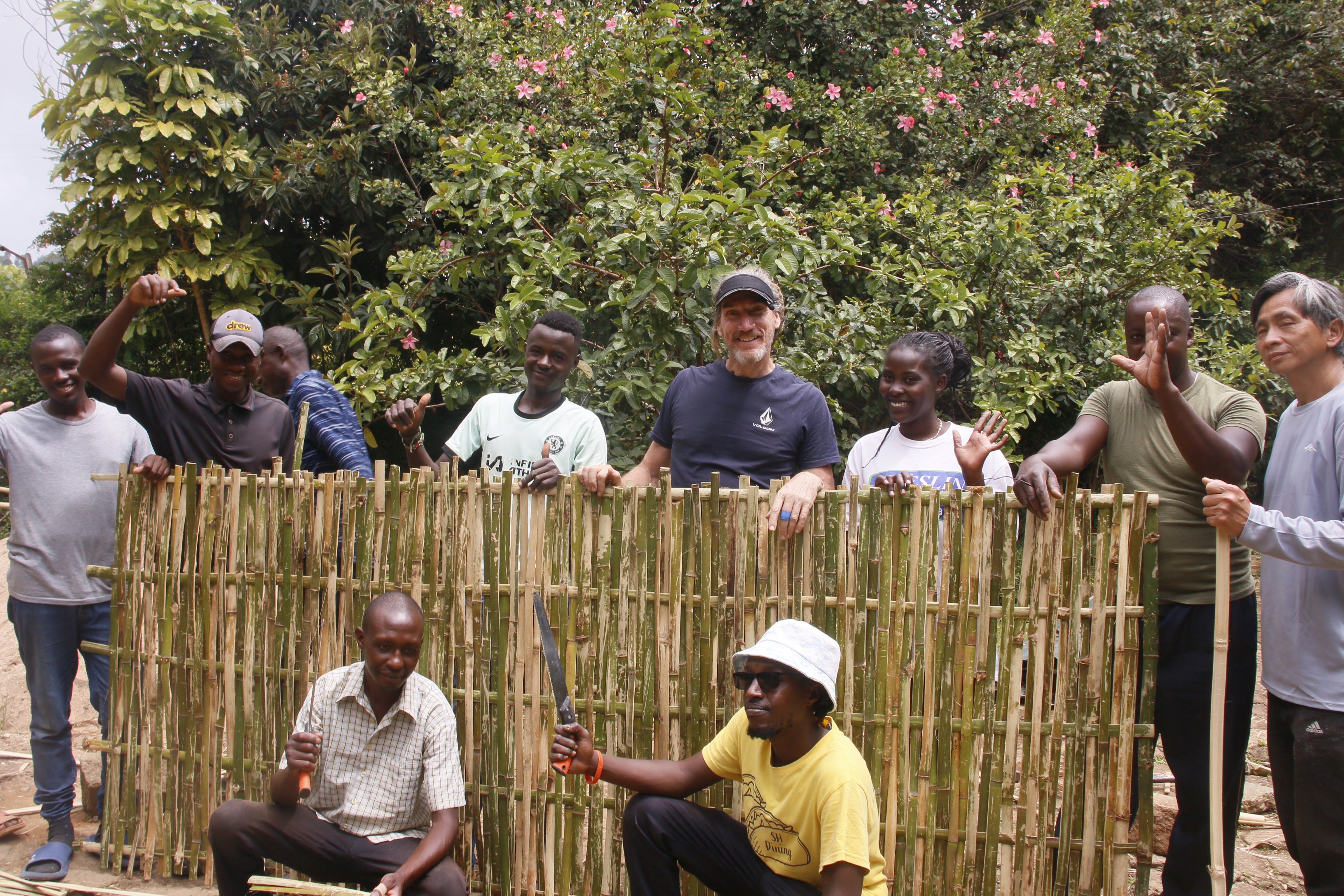
In the coming months, I’ll be taking steps toward manifesting this vision by hosting further training events in September/October 2025 (consolidating clump management and basic building techniques with local Youth Cooperatives) and then January/February 2026 in Kenya and build structures to teach more complex building techniques. This event will expand beyond a traditional workshop format to create something more akin to a festival—a celebration of inclusion, sustainability, and community learning. It will center around the construction of a yoga shala structure for a women’s shelter in Naivasha, bringing purpose and immediate community benefit to our work and with intentional design to include people of all abilities and ages.
We will be conducting a program alongside that caters to disability needs, ensuring that everyone can participate meaningfully. There will be dedicated activities for children, allowing “neurotypical” families to join and experience a natural learning environment alongside families with special needs members. This cross-pollination of experiences is exactly the kind of inclusive community building I envision for the future.
The training will feature an international team of facilitators:
- Myself and Jaye Irving leading bamboo building techniques
- Alemna and Sixtus from Ghana sharing their expertise in natural mud building
- Additional local trainees and specialists in bamboo harvesting, management, maintenance, biochar production, and small crafts and design
Participants will come from around the world, creating a truly international constituency of learners and collaborators. The atmosphere will blend the focused learning of a course with the celebration of a cultural festival—music, food, art, and community connection woven throughout the technical training.
This event represents a microcosm of what’s possible when we intentionally design spaces and programs for inclusion. By bringing together diverse participants—from experienced builders to complete beginners, from children to elders, from people with various abilities and needs—we create a richer learning environment for everyone.
I invite you to join us for this transformative experience, whether as a participant, a volunteer, or a supporter. This is an opportunity to not just learn valuable skills in sustainable building, but to experience firsthand the kind of inclusive community we’re working to create.
Connecting Sustainability with Care
This is where my work with bamboo and sustainable building practices connects directly with my vision for community care. The Bamboo4Africa program isn’t just about teaching construction skills—it’s about empowering communities to build sustainable futures that include everyone. By teaching these skills, we’re not just helping people build structures—we’re helping them build communities that can support all their members, including those with special needs.
Bamboo for the Future!
My experiences in Africa have reinforced my belief that we can create communities that are both environmentally sustainable and socially inclusive. The bamboo skills training programs I’ve been developing serve a dual purpose: they provide economic opportunities while creating the physical infrastructure for the kind of supportive community living I envision.
By bringing together sustainable building practices, regenerative farming, and a community-centered approach to care, we can create spaces where parents of children with special needs don’t have to choose between caring for their children and maintaining their own identities and livelihoods.
The warm reception I found in Africa has given me hope that this vision is possible—that we can create communities where everyone belongs, everyone contributes, and no one has to face the isolation I experienced in Australia.
I believe that Together, we can build not just buildings, but a healthy and stable community environment and quality of life learning and life experiences, come out of our socially isolated living conditions, and sustainable communities where care, inclusion, and mutual support are woven into the very fabric of daily life.
To support the raising of our first collaborative structure in Kenya, and to help train the work team of bamboo carpenters who we are going to train in September/October this year in Kericho, we are launching this first round of memberships for our Revivement Village Network… which is a membership that basically gives you accommodation rights/responsibilities in your choice of Eco-dwelling in our Network. So far we are on the way to completing our first Eco-Dwelling at Belega. During the phase 3 Kenya build/Festival in January-February 2026 we will raise the Yoga Shala at Naivasha at an Ecovillage headed by Nyakio ____ which is also a women’s shelter project (the first of its kind in Kenya).
In this vision of Revivement, there are various levels of contribution towards making, not only the physical place, but the spiritual and social dynamics that makes life fun and worth living. From physical and financial, to technical and knowledge-based skill; From volunteerism to workshop participation; and paid-memberships to Retail level programs and budgets… we can all play a part to enhance this living creation of marvel and just bloody amazement, you know?
In the past, I’ve created a lot of stress for myself, stressing that the thing that will lead to my life being less stressed doesn’t exist yet… and I’ve been in a mindset of trying to convince people of why I or other parents of disabled individuals DESERVE to have quality of life and support and care from their community. Why, I don’t know. Becasue I know how awesome my daughter is and how spending time with her is a breath of fresh air for so many people (especially those of us scrambling around on the spectrum somewhere pretending to be “normal ” (not). … Well, that’s particularly who these places are designed for, which is probably more people than you would even guess know…. Maybe.
Other than that, it’s just flipped out fruit cakes like myself who just NEED solitude and a night in a hot pool to sooth one’s brain out of a train wrecked magnitude stint of ADHDness obsession – which this often turns into but now I know more – through being more in touch with my body and sensations, when I actually do need to rest… when it would benefit me more to do so rather than ploughing on and on and on…….. and on. So I’m going to the beach right now then to walk a bit of shoulder strain off having satted here all day pretty much – getting things online for the commencement of fundraising season!!!
What is fundraising season???
That is the time of year when we simmer down to drive up the funds needed to finish the buildings we’ve been building during our bamboo programs. So that soon, people will be able to come and stay in them!!
Check out these super deals! 25% off until 30 August 2025:
Discover more from Bamboo Creative Bali
Subscribe to get the latest posts sent to your email.
 Bamboo Creative Bali