

In recent years, there has been a surge in global concern regarding the environmental impact of plastic waste. Images of marine life entangled in plastic debris and vast floating islands of garbage have captivated the world’s attention. Consequently, efforts to reduce and manage plastic waste have gained significant traction, with governments, businesses, and individuals advocating for policies and practices aimed at curbing plastic consumption and increasing recycling. While addressing plastic waste is undoubtedly crucial for environmental sustainability, there seems to be an alarming imbalance in the attention given to plastic waste compared to the equally damaging effects of fossil fuel use in exacerbating climate change.
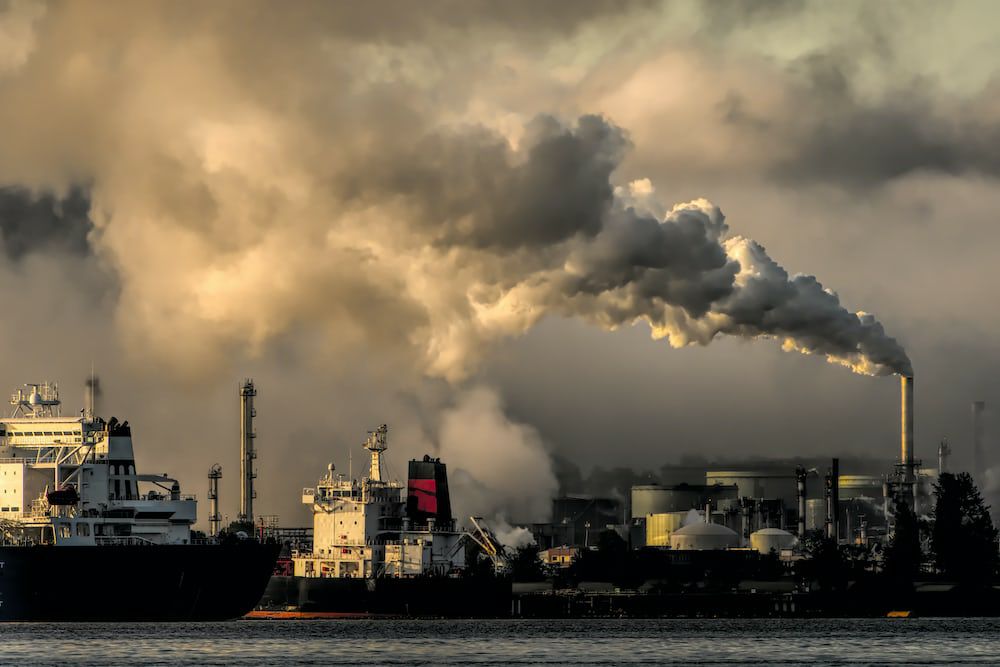
It is clear that the focus on PLASTIC WASTE and recycling in our media is disproportionate compared to the urgent need to address fossil fuel use and its impact on climate change. While there is constant coverage of waste management issues in poorer nations, we often neglect to acknowledge our own contribution to the problem.
Consider the process of simply getting food in our daily lives. We step out of our houses, get in our cars, drive to the supermarket, and proceed to pick produce that has been kept in refrigerators powered by electricity. We then go through the electronic checkout, walk through air-conditioned malls, and drive back home where we use even more energy to power our lights, fans, heaters, or air conditioning. The amount of fossil fuel burning and CO2 emissions required for this simple act of feeding ourselves is staggering.

On the other hand, let’s take a look at an average person from the “global south,” living in a place like Bali. They can step out of their front door and walk less than 50m to a small shop where fresh produce, bought earlier that morning from a local market, is sold in small portions for daily consumption. These goods are distributed by vendors on pushbikes or small motorbikes with a shop on the back. Some people don’t even need to leave their homes because the vendor stops right outside their front door. This highly efficient system of food distribution eliminates the need for refrigeration and air conditioning, resulting in very low fossil fuel usage.
It is worth considering the question of how much fossil fuel is burned by individuals living a local lifestyle in areas like these. Yet, instead of focusing on this more sustainable way of food distribution, we direct our attention and hysteria towards the use of plastic to package these goods. We fail to acknowledge our own lack of sustainability and continue to spread the Western lifestyle to places like Bali. Local areas are gentrified, displacing the local lifestyle and replacing it with housing developments and villas equipped with fridges and cars. More and more people are opting for air-conditioned supermarkets instead of supporting the local market, under the belief that it is more “civilized.” As more people embrace air-conditioned supermarkets and purchase fridges and cars, the local lifestyle’s sustainability is compromised.
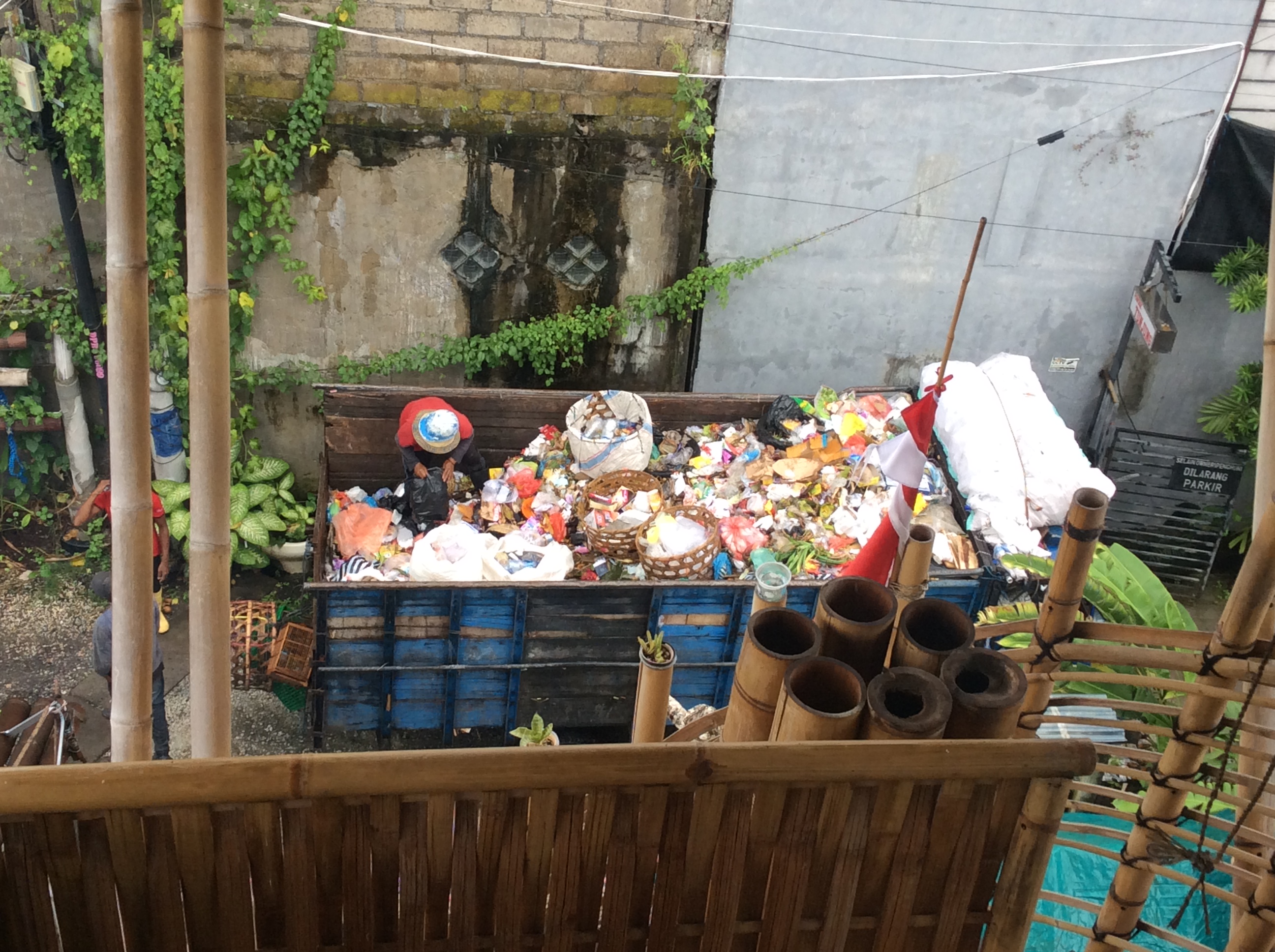
It is important to recognize that our own lifestyles and choices have a significant impact on the environment and contribute to the global climate crisis. While plastic waste and recycling are important issues to address, they should not overshadow the urgent need to reduce our reliance on fossil fuels.
Looking back to the 90s, many people made conscious efforts to live greener lives by adopting practices such as biking or taking public transportation to work, buying local produce, and living simply. However, as time went on, we have shifted our focus away from these sustainable practices and embraced a more convenience-driven lifestyle… and awareness of the impact of our fossil fuel usage is now largely ignored.
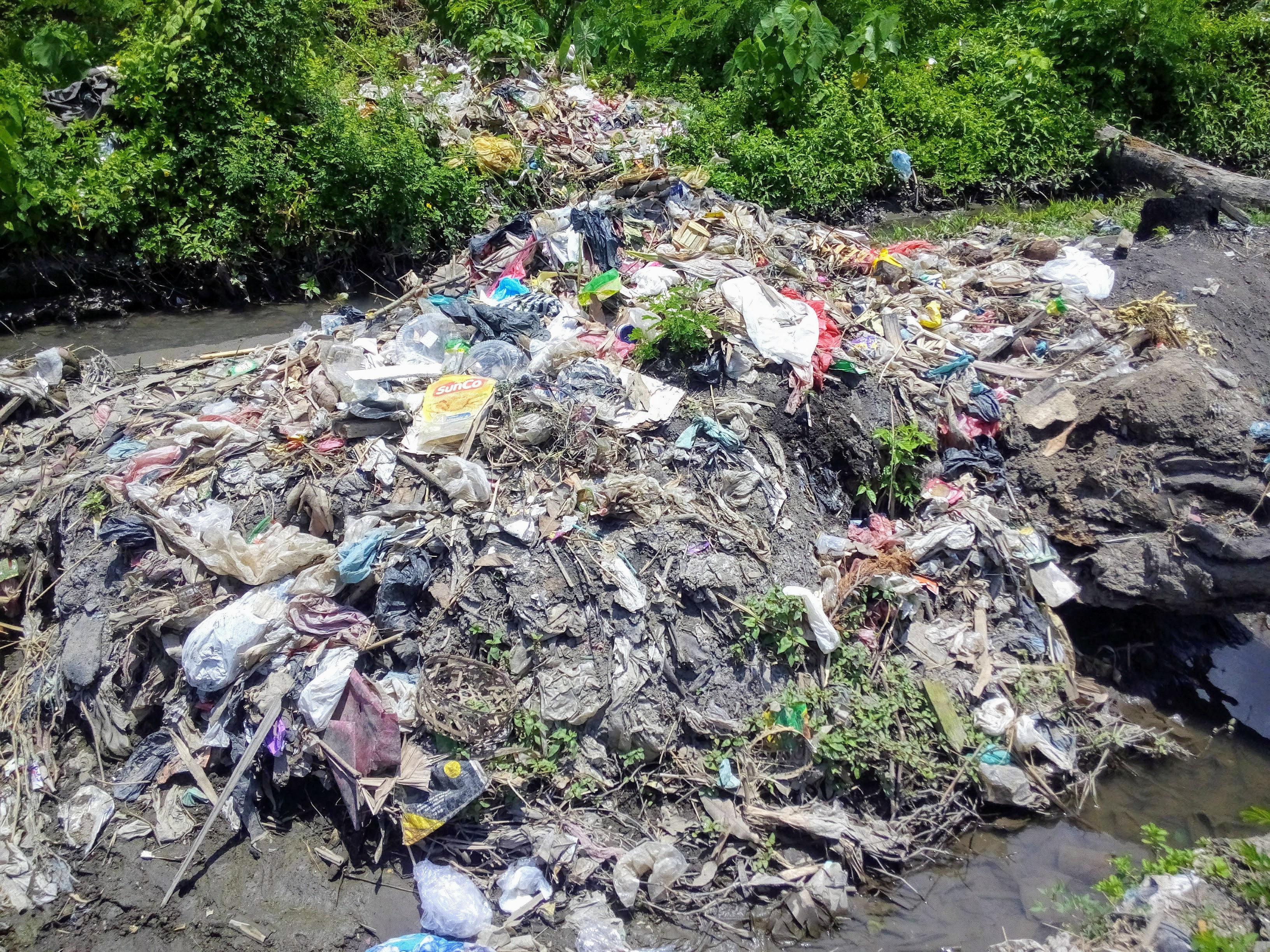
Conversely, in places like Bali, people have an efficient system of food distribution that requires minimal fossil fuel usage. They can easily access fresh produce from small shops within walking distance of their homes. The use of single-use plastic packaging in this system is a trade-off for efficiency of the overall ‘system’. . . which uses vastly less fossil fuel per capita than ours. The issue lies in Disposal and Reuse.
It is crucial to acknowledge the low electricity consumption in local homes, which is a result of not relying heavily on appliances like fridges and air conditioners, and an efficient local distribution infrastructure and small shops which reduce individuals’ transport needs.
The disproportionate focus on plastic waste and recycling in the media distracts us from addressing the root cause of climate change – FOSSIL FUEL USE. While it is essential to address waste management issues in poorer nations, we must also recognize our own contributions to the problem.
Fossil fuel consumption is responsible for the majority of greenhouse gas emissions, which contribute to global warming, sea-level rise, and extreme weather events. Yet, it often takes a backseat to plastic waste in public discourse and policy- making.
One reason for this disproportionate focus may be the tangible and visible impact of plastic waste. The images of marine life suffering due to plastic pollution are emotionally striking and easily captured by media outlets. On the other hand, the effects of fossil fuel use on climate change are more abstract and less immediately visible. The consequences of rising temperatures, melting ice caps, and changing weather patterns may not be as easily relatable for the general public, causing them to prioritize the more immediate and visible threat of plastic waste.
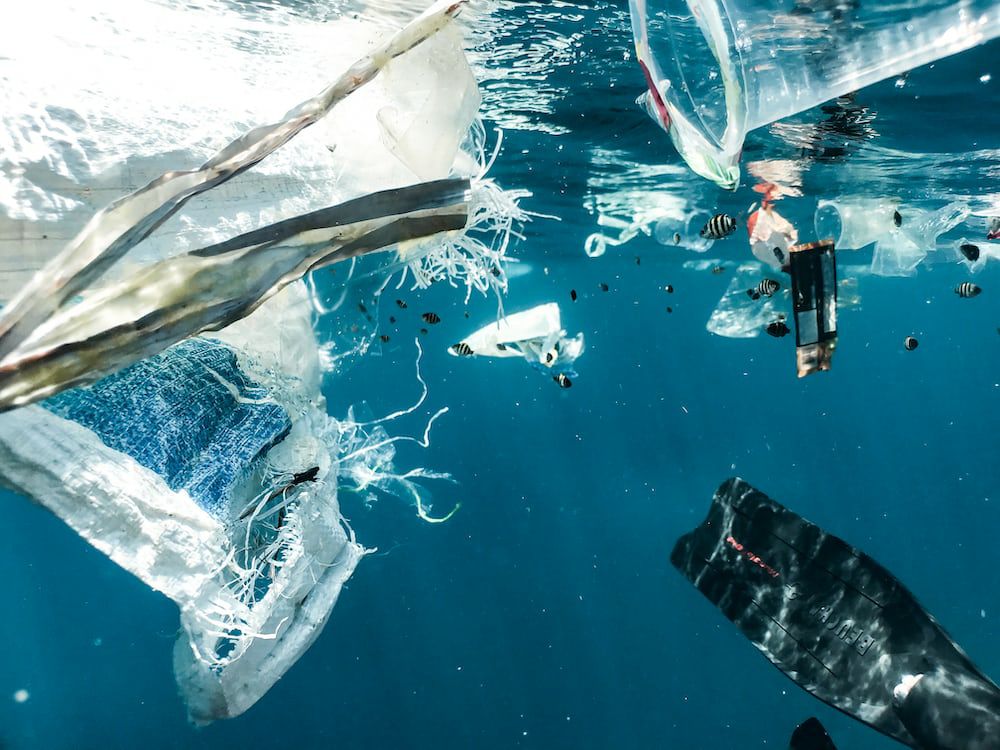
This has led to a wave of grassroots movements and initiatives calling for the ban of single-use plastics and the promotion of more “sustainable” alternatives – without really understanding the impact of the financial cost of these alternatives on “local people” who’s wage rate is around one tenth of an average western salary. Nor do these movements consider how the present efficiency provided by single-use plastic would be replicated by other means.
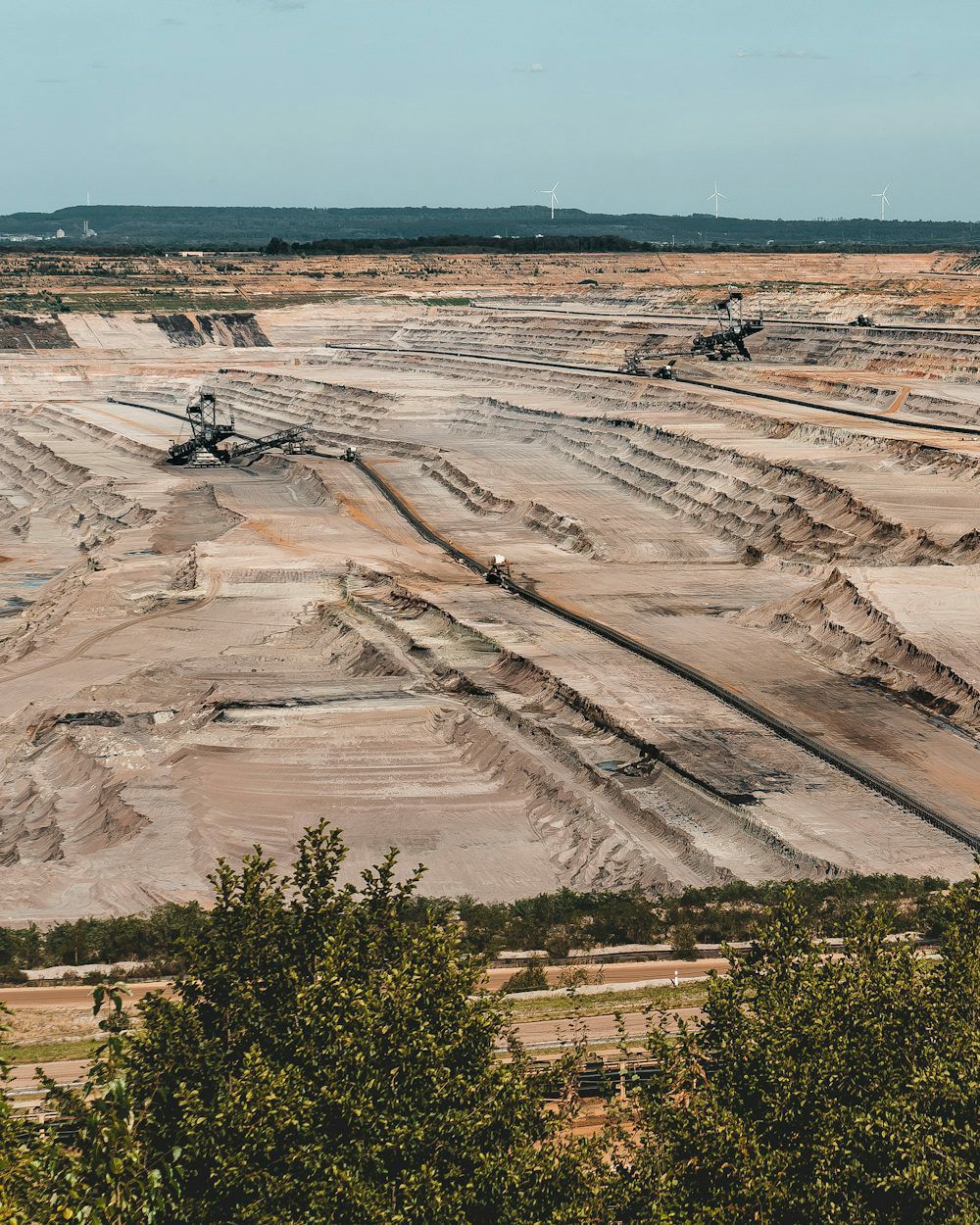
In contrast, the fossil fuel industry has a deep-rooted influence on the global economy and politics. It contributes significantly to employment, energy production, and economic growth, making it politically and economically challenging to shift away from fossil fuels. This influence has resulted in the industry receiving less scrutiny and regulation, despite its detrimental impact on the environment.

We need to shift our focus back to addressing our own Carbon Footprint and fossil fuel use and prioritize actions to reduce our electricity consumption and transportation – by buying fresh and local produce… and improving our urban planning to not let cities crowd out our farmlands… By supporting local farmers and reducing the transportation distance of our food, we can minimize the carbon emissions associated with the production and distribution of food. Furthermore, embracing organic and sustainable farming practices can mitigate the use of harmful pesticides and fertilizers, protecting both human health and the environment. Improving urban planning is also crucial in ensuring a sustainable future. By preventing cities from encroaching on valuable farmlands, we can maintain a balance between urbanization and agriculture. This can be achieved through smart zoning regulations, encouraging the development of urban green spaces, and implementing rooftop gardens and vertical farming techniques.
We could learn how to live more “locally” and efficiently and put resources towards the real challenge/ issue of DISPOSAL of plastic waste and how to help communities to manage waste appropriately.
Efforts should be directed towards finding innovative solutions for plastic waste management. This may include investing in recycling infrastructure, promoting the use of biodegradable alternatives, and incentivizing plastic waste separation to prevent greenhouse gas emissions when improperly disposed of in landfills.
By partnering with communities and providing them with the necessary resources and education, we can empower them to manage waste effectively and reduce their reliance on plastic. And by shifting our focus to addressing our own Carbon Footprint, we can make significant progress in mitigating climate change.
PlasticPost2024 #FossilFuelFocus #ClimateChangeReality #SustainableLiving #ShiftTheFocus #PlasticWasteVsFossilFuels #LocalLifestyle #LowFossilFuelUsage #AddressingOurOwnImpact #SpreadTheGreenMovement #ReducedEnergyConsumption #ClimateCrisisSolutions #PrioritizeSustainability
Discover more from Bamboo Creative Bali
Subscribe to get the latest posts sent to your email.










 Bamboo Creative Bali