
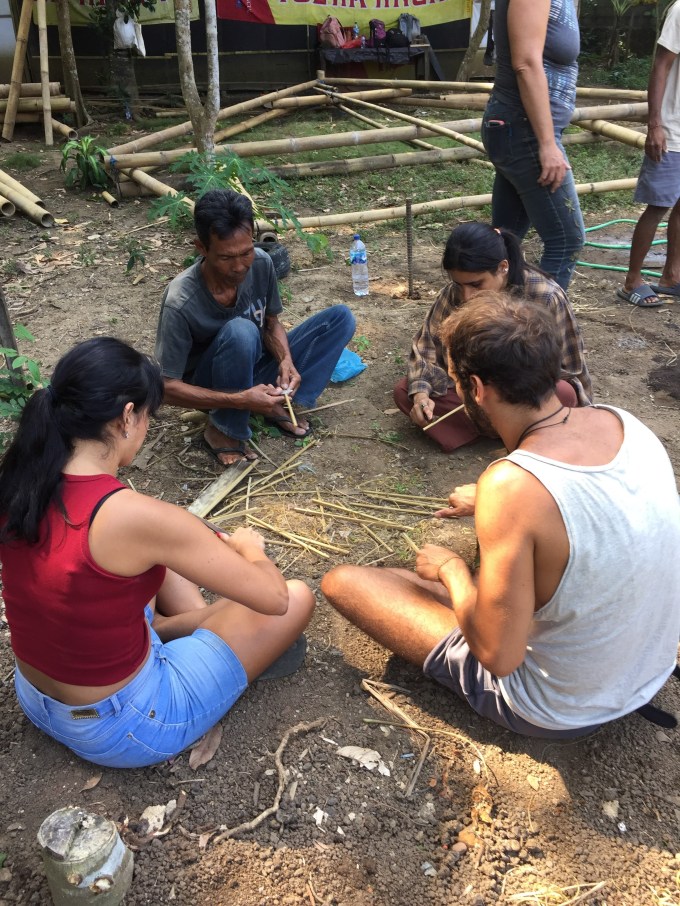
Bamboo is a versatile material that has been used for countless purposes by humans in ASEAN countries. While modern materials have enabled a new layer of convenience, the production of these materials and the lifestyles associated with acquiring them can be quite destructive. The skills to make utensils and products with bamboo still exist, but the price paid to local people hasn’t increased in line with the modern economy. This is due to the devaluation of local currencies by the takeover of their societies, effectively making them “third world” economies. The economic value exchange rate of our currency to local currency has led to a disparity in wealth, where foreigners can live cheaply in these countries while locals struggle to make ends meet.
This economic inequality has led to a pattern of exploitation across the developing world. As people move away from traditional village lifestyles to gain higher incomes, areas become more crowded, more vegetation is cleared, more buildings are built, and more waste is produced. People in remote areas sell their land cheaply and become dependent on outside income to survive, leading to a global caste system created by currency inequality. Colonialism may have ended, but its effects continue to reverberate in the modern world.
It is time to rethink our approach to capitalism and the idea of “cheapness.” Profit should not come at the expense of people’s well-being or the environment. We should strive to create a more fair and sustainable economic system that benefits everyone, not just the few.
Prior to Colonisation, local economies had an economic measure in their currencies which reflected the real value of the price paid for items/services. When these currencies were devalued by the take-over of their societies, they effectively became “third world” economies. That is why when you have $10 in foreign (Australian currency) and you exchange it to Indonesian currency, you then have ten times the amount in local currency. For example, a local daily salary in Indonesia may be 150,000 Rupiah – and it costs around 15,000 rupiah for a meal (on average), 21,000 – 50,000 rupiah for a movie ticket, 20,000 rupiah to fill your fuel tank on a motorbike, 14,000 rupiah for a broom, 5,000 rupiah for a packet of sanitary pads. So take off 3 zeros to those amounts and you have something that reflects living costs in Australia in dollar terms… Daily salary $150, $15 for a meal (maybe not now), $21 – 50 for a movie ticket, fuel is a bit skewed, $14 for a broom, $5 for a packet of sanitary pads.
How can it be that countries like Australia have far more economic “power” than local currency? Who, How and What decided that? Perhaps it’s not something many people would really like to pay attention to. Perhaps it would be quite inconvenient to our “wasteful” lifestyles to acknowledge or do something about. I say wasteful because for a local person earning $7 to $20 a day, buying a beer is a fair chunk of one’s salary – especially when you can buy enough food locally in the fresh market to feed your family for 2 or 3 days for the price of that beer (kind of like paying $30-90 for a beer in Australia… you would think twice no?) But it is so “cheap” for foreigners to live (here) BECAUSE of this disparity in the economic value exchange rate of our currency to local currency.
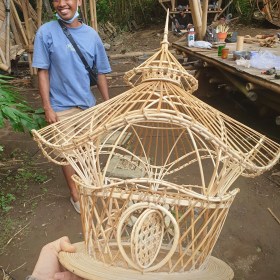
Further, the further you go away from city areas where this “big money” of our gets spread around, the LOWER salaries get… For example, someone in a village in Karangasem may source the materials to make a basket for 1,500 rupiah, and then sell that for 3,000 rupiah (30 cents Australian). Cool. because perhaps they could have bought vegetables or what they need if they make a few. And village livelihoods are meager. Perhaps a few years ago when a kilo of rice cost 300 rupiah, that was fine. A families basic needs could be met without too much trouble. But nowadays, a kilo of rice costs 10-12,000 rupiah – and the price is increasing after Covid now to 16,000. That’s 500% increase – but wages haven’t risen. So it’s no wonder when people visit these villages now, they are POOR…! And the youth do not want to stay in the village to farm and/or maintain traditional crafts – they would rather get a job in hospitality or go and work on a farm in Australia or on a cruise ship and get the BIG MONEY.
This pattern has been and is occurring across the “developing” world. Have we stopped to think about what we are DEVELOPING into?
From the village lifestyle where input needs are quite low… and nearly everything is made from/come from the nature – where creeks are still clean and can be drunk from (where vegetation hasn’t been removed). And what happens when people move away from the village to get higher income? As areas become more crowded, more vegetation is cleared, more buildings are built, rent prices get higher, more things must be bought in from further and further away… leading to higher fossil fuel use, more disposable plastic being used, more waste being produced (though sometimes well-hidden), more concrete, higher temperatures, higher energy needs for fridges, air-conditioners, shopping centres, consumer goods… Great for the “Economy” , right?
Can you see what’s happening though.
People in the remote areas sell their land very VERY cheaply and then become dependent on outside/urban/foreign income to gain/get salaries to live, eat work and send their kids to school… They become like us who are already “dispossessed” (though we don’t need to work so hard because THEY are now the factory workers and service economies producing our goods and services so “cheaply” – while we go more into DEBT). They start to become part of the modern PROBLEM; like us – living in a modern system where we have no real connection or belonging with our environment… Using more and more fossil fuels to generate energy… and becoming totally dependent on a system which is intrinsically Sick, valuing only “growth”/”more” – to the detriment of our living systems – and which propagates itself on the exploitation and disablement of others.
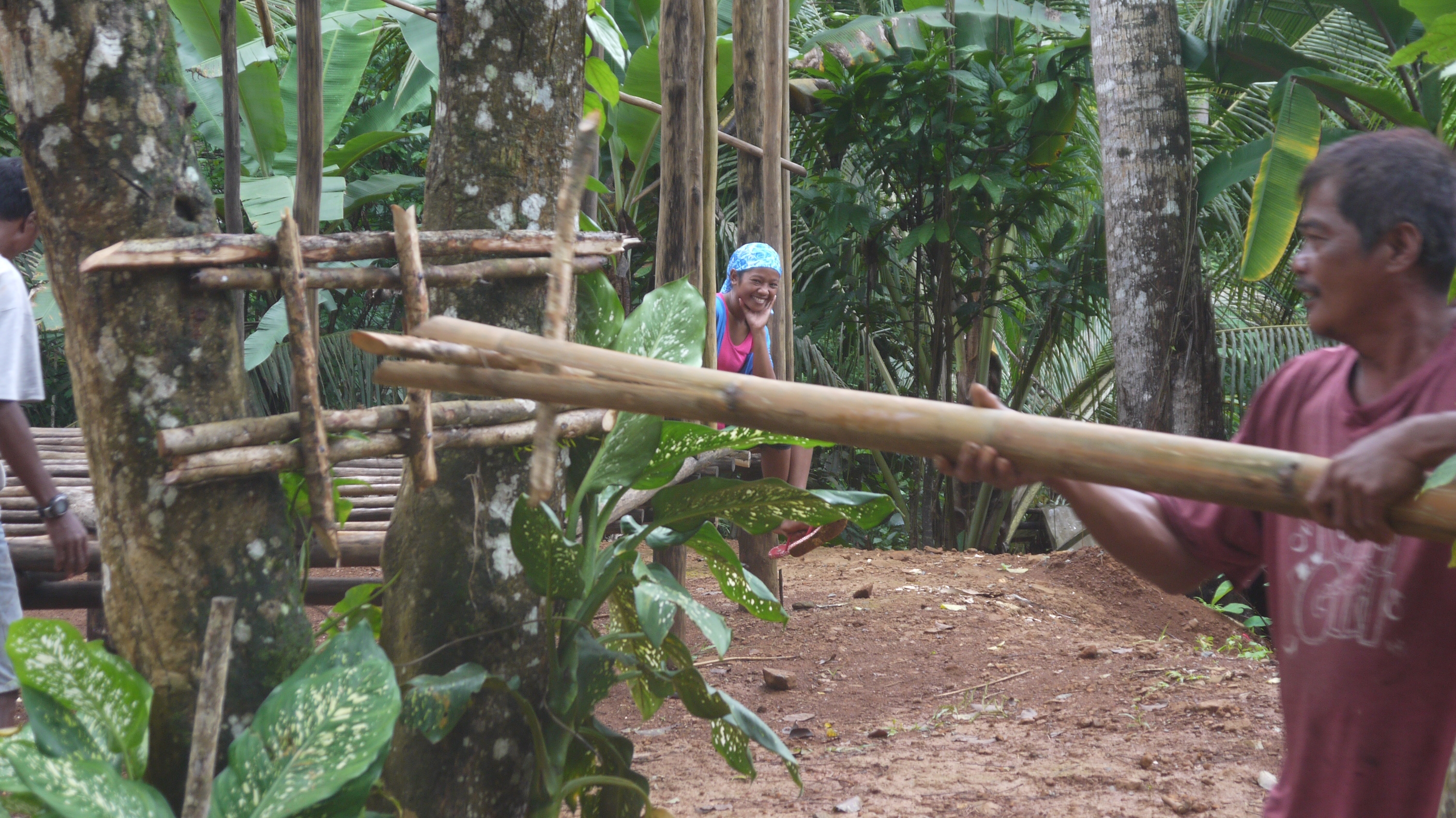
We think Colonialism happened many years ago and is over now – but the effects continue to reverberate. We can stop to think about the thriving Civilisations like India and Indonesia which were “conquered” and their “riches” excavated. Now a shadow of their former glory having been pushed into effective servitude to the Colonisers and ongoing poverty due to their currency’s low value compared with the dominant league of control’s effort to stay in control.
We do in effect, live in a global caste system created by currency inequality. For example, Uganda still has the Shilling (brought in by the British). It is so hard for people in this country to access money… they’re basically forced into criminality to get any kind of “currency” to be able to function economically…. . It’s something I saw in the Philippines also – where, even just to start a business … unless you live in a tiled brick house you can not get a loan from a bank. That makes it practically impossible for most people to get access to finance. The criminality and impoverishment of Colonialism on other countries lives on and on…. Can we possibly rethink the way we are “used” to doing things???? Especially the idea of Cheap… … Buy Low; sell High – this is the idea behind making profit which is the crux of Capitalism: Taking advantage of people’s giving natures/naivety in order to extract benefit.
Workers in post-colonized countries have been paid low salaries due to the influence of Western culture and the financial system. Even though many are not aware of this, the system has been intentionally designed by those in power to maintain dominance over colonized nations. This historical exploitation has led to poverty and perpetual debt in these nations. Efforts to help through economic means may overlook the real causes of poverty.
In order to empower rural communities and break the cycle of poverty, we must evolve a method and ethos to foster equitable and harmonious development. This involves moving away from capitalistic “need for profit” and instead focusing efforts on participation and community-building through sharing of knowledge for sustainable living and economic empowerment, particularly in the bamboo sector; and, enabling implementation of sustainable technologies and systems.
One of the fundamental aspects of sustainable systems is their capacity to enhance quality of life without burdening individuals with insurmountable debt. This necessitates a shift away from exploitative economic models that prioritize short-term gains over long-term stability. By embracing sustainable technologies and systems, we can mitigate the adverse impacts of rampant consumerism and foster a culture of responsible resource management.
Furthermore, the notion of living as a global family implies a collective sense of responsibility towards one another and the planet we inhabit. Sustainable systems and technologies play a pivotal role in fostering this interconnected worldview, as they offer practical solutions that transcend national boundaries and prioritize the well-being of all individuals, regardless of geographical location or socioeconomic status.
In essence, the advocacy for sustainable systems and technology represents a paradigm shift towards a more equitable and inclusive future for humanity. By sharing knowledge and fostering dialogue around these crucial topics, we can pave the way for a world where prosperity and well-being are not contingent on the exploitation of people or the planet, but are instead built on the foundations of fairness, compassion, and solidarity.
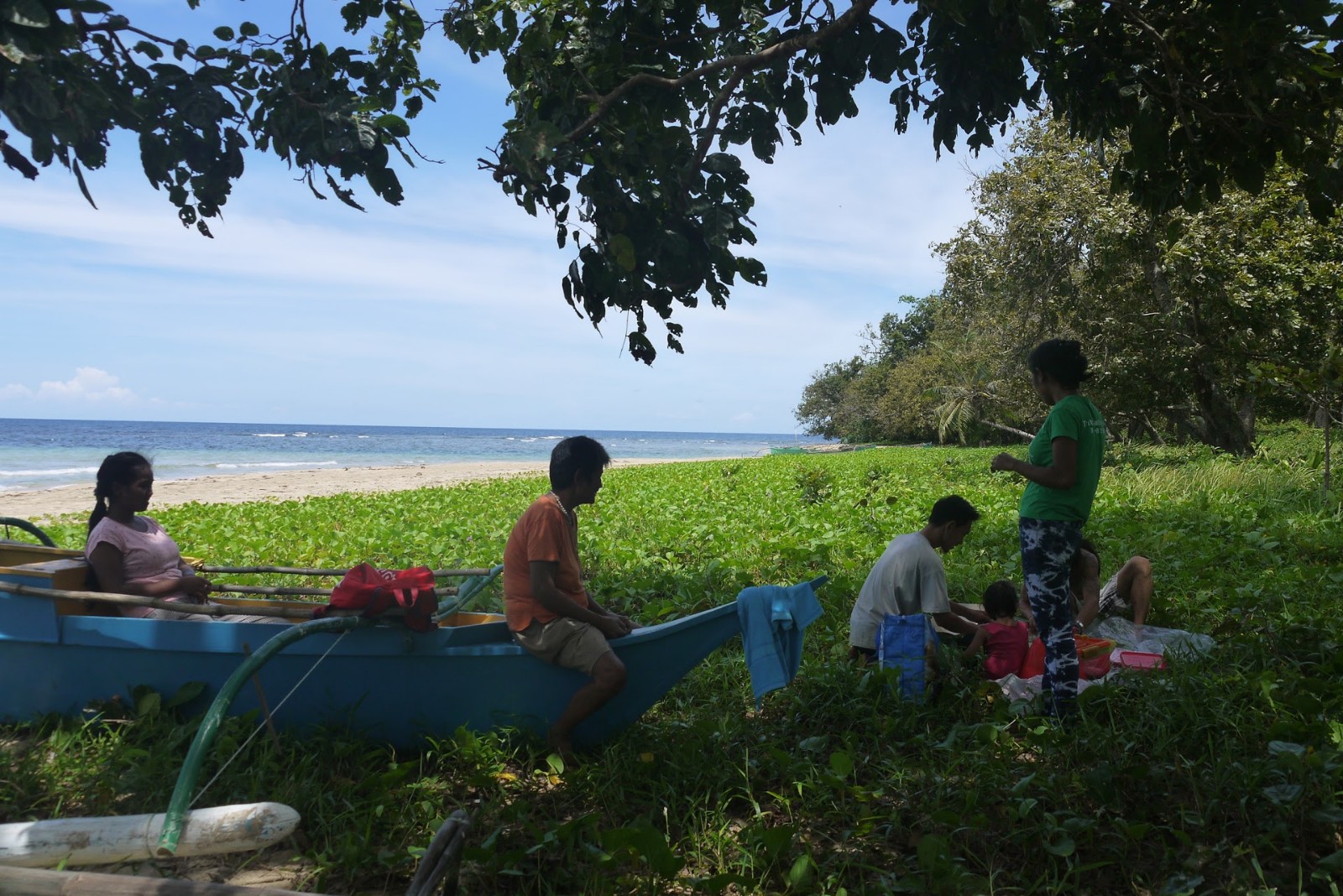
Eco-Cultural Leader Network & Revivement Village Building
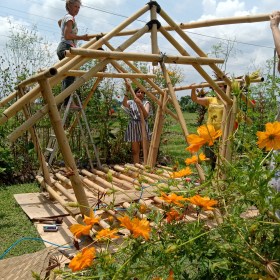
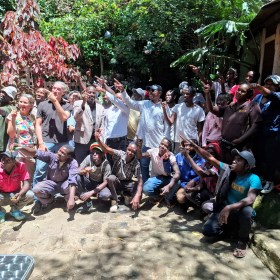
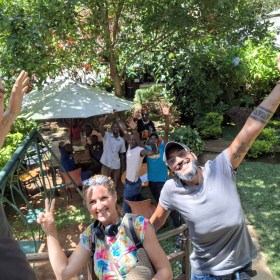
The Revivement Village Project and Eco-Cultural Leaders Community Development Program is an initiative not merely about constructing physical infrastructure, but about fostering a sense of belonging, learning, and cooperation among members. The emphasis on welcoming, educating, and sharing experiences underscored by our commitment to inclusivity and knowledge exchange, laying the groundwork for a truly thriving community-village network between countries and peoples. Funding assists in the development of sustainable, self-sufficient communities that encompasses ecological education, training in bamboo building, and integration of traditional skills with modern technologies.
Through establishing sister-projects, our goal is to address the historical inequalities caused by capitalism’s impact on colonized nations. We aim to promote community growth by facilitating local financial support through the creation of assets, reflecting the real value of labor.

This approach aims to promote ecological sustainability, local entrepreneurship, cultural preservation, and greater equity. By fostering a network of sister-village projects, the goal is to counter historical unfairness and empower communities while aligning with Sustainable Development Goals (SDG’s) 5, 8, 13 & 15. This includes training, technology implementation, commercial engagement, and community capacity building to further propagate sustainable community development participatively, thereby giving opportunity to reimagine the role/s of “benefactors/beneficiaries” – where economic influences and social forces combine. The intended outcomes encompass improved living standards, a strengthened global network, increased self-sufficiency, and greater equity.

Through our Bamboo Families Program, we aim to build partnerships between families to make Cooperative enterprises which builds on and enhances the skills people in villages have to make and grow things, with the economic advantages of the people living in the “west”. We did have quality of life – when we lived in Communities and grew our food locally – and before all the villages of the world are lost – could we bring some technologies to make life easier and more sustainable – to reduce the “need” to move to cities? Could we live in harmony again with our environment and be able to grow food and trade; create and live sustainably on our planet?
The Bamboo Families Program is an initiative that aims to promote economic development in an inclusive and equitable manner. Through partnerships between families, with the aim of establishing cooperative enterprises, this program seeks to empower individuals and communities to work together to create products that can be sold through a network, giving fair economic returns to the makers. By doing so, this program seeks to bring together the economic advantages of people living in the “west” with the skills and knowledge of people living in rural areas.
At its core, the Bamboo Families Program recognizes the importance of cooperation in overcoming financial inequality and trade barriers, such as the high price of shipping, towards building strong and sustainable communities that are able to support themselves.
By creating cooperative enterprises within villages, the Bamboo Families Program envisions a future where people can improve their quality of life by staying in their communities and utilizing their traditional skills. This not only reduces the need for individuals to migrate to cities in search of higher incomes but also helps in preserving the cultural heritage and natural resources of rural areas.
One of the key benefits of this program is that it supports families of people with disabilities. By providing opportunities for these families to be supported and work together in village communities where they are no longer isolated and may take charge of their own economic destinies. This is particularly important given the many challenges that people with disabilities face in accessing education, employment and community participation. By fostering partnerships between families, , opportunities are created for people with disabilities to be part of a naturally supportive environment and to create a brighter future for themselves.
Additionally, the program recognizes the potential benefits of integrating sustainable technologies into village life. By introducing technological advancements that make life easier and more sustainable, such as efficient farming methods or renewable energy solutions, the program aims to create a balanced and harmonious relationship between humans and the environment. This approach not only provides economic opportunities but also ensures the long-term viability and resilience of rural village communities.
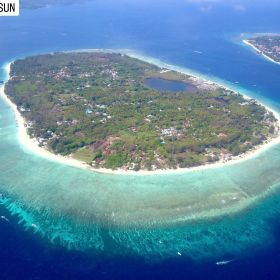
Our Bamboo Families membership is a co-investment model which can support community and family partnerships. And our pilot/seed project will take place in Gili Meno Island, Indonesia.
.
Find out more about our Disability-Inclusive Retreat

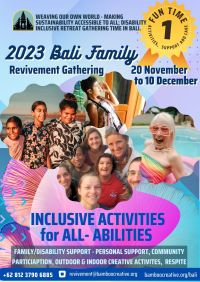
This will be a time to relax and unwind and to have your own time while still being able to be near your Loved one with a disability in a supportive environment….
For a long time I have been talking about and thinking about how I can live alongside my daughter sustainably and In-Community with others, with emotional support and the natural physical support which community provides. I have learned a lot living in SE Asia and would like to share my ideas and create a discussion with other families while being supported to have time out together, and planning for something more long term and inclusive (not just disabilities) where we can feel peace of mind and have joyful living.
Discover more from Bamboo Creative Bali
Subscribe to get the latest posts sent to your email.
 Bamboo Creative Bali