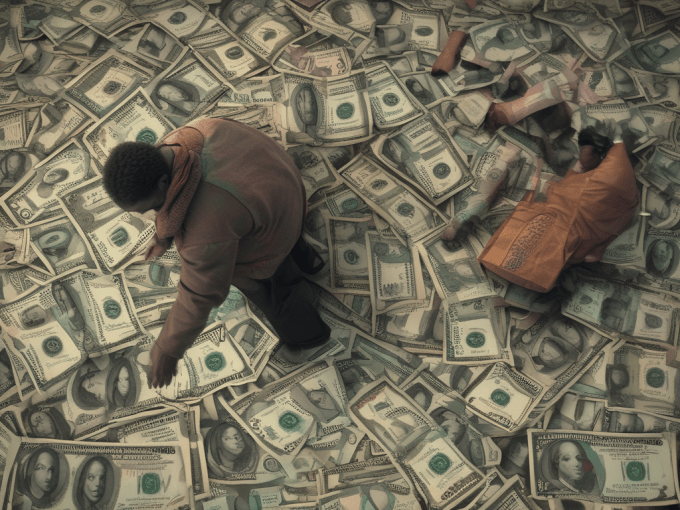
It wasn’t until I moved to the Philippines over 6 years ago that I was hit in the face with the reality of “normal” living standards in the “developing world”… One big realisation for me was that growing up with a fridge in your house is not a “normal” thing… most people buy what they need from each day from the local market, and air-con is a rarity (practically non-existent except in big shopping centres). A fridge produces about 116kg of carbon dioxide per year. We in the developed world have been running those things for a fair while… and have created quite a climate crisis (just to give some perspective in terms of energy use)… Now imagine a scale of four times that (we make up less than 17% of the global population)- who previously had very low energy use, and on average still use only 20% or less of an average “Western” household, becoming energy users like “us”… conceptualise how BIG that is and you will get a Real perspective on what’s going on with energy use… Energy demands are skyrocketing…. as the “developing world” becomes more “developed” and adopts the consumer-western lifestyle.
In the west we have moved far away from low-power consumption living and developing countries are following that pattern generally. Even though we talk about the possibility of living in a less resource-consumptive way through building with more natural materials and using passive solar design to lessen the need for air-con, and of living near or buying our food from regenerative farmers and supporting CSA cooperatives (Community Supported Agriculture – which means local farmers benefit better financially than if they sell their produce to big chains) and reducing food miles…. We are even attempting to design communities where food-growing is part of the system/wholistic plan. The question is, Can this model of sustainable resource use and community/ environmental benefit ” take off” /be maintained where it already exists or partially still exists and could it “catch on” in developing countries “before it’s too late”…….. ? In terms of the environmental effects of current energy-demanding lifestyles worldwide, increased food miles and need to create artificial environments to store food and ourselves in? And, stave-off the movement towards urbanisation while preventing the loss of traditional skills such as food-growing.
And in terms of bamboo becoming a sustainable mass-produced material for the masses, I still wonder whether people in developing countries will be able to afford to use it “in time” to ward off an environmental crisis such as we are already up against (though haven’t seen the full effects yet (rising sea levels, more extreme weather)… as, it is my observation that wages in developing countries are so low that brick and tile will remain more attractive due to cost and I am skeptical as to whether business interests in the bamboo industry would create initiatives to subsidise the cost of fabricated bamboo building products at a price in-line with what people in developing countries can afford (I’m imagining again 70% of the world population fall into this ‘catagory’ of wage-earner…
WHO decides the world currency conversion rates? Or What? Who determined “developing” countries to be “poor” – even on account of the incredible wealth and resources which WERE and still ARE being stripped from them? It’s one-way giving and endless taking model put in place by the now-privileged countries who’s currency value is set higher than everyone else’s – ensuring that world domination continues further than you ever probably thought about or considered…
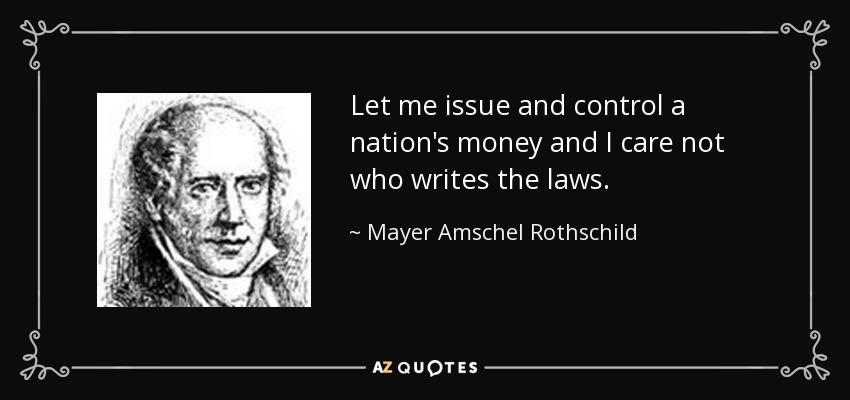
Since the “Western Culture” and the current financial system took control, workers in post-colonized countries have been paid very low salaries. Many of us are not aware of this due to our privileged upbringing and lack of education about such matters during schooling. We tend to believe that the Western financial system is fair and has always existed. However, this is not true. It has been intentionally designed by those in power to maintain dominance over others who have been colonized. As Mr. Rothschild himself said, “Let me issue and control a nation’s money and I care not who writes its laws.”
The poverty we see around the world today is caused by the historical takeover of other countries’ resources and financial systems by colonial powers. Third World Debt is a way for these colonialists to keep post-colonized nations in perpetual debt to the dominant economic powers. This is a result of wars and is used to generate wealth for a small percentage of the world’s population, including those living in developed countries. It’s not a natural outcome.
If we delve deeper into history beyond the narratives typically presented in Western education, we encounter fascinating accounts of places like the “Spice Islands” in Indonesia. The moniker “Spice Islands” alludes to the relentless efforts of colonizers and conquerors to seize control of the valuable spices abundant in the region. A journey through pre-colonial history unveils societies that thrived in prosperity and self-sufficiency. They possessed distinct trading practices, currencies, and substantial independent wealth. However, the invasion led to the abrupt loss of this wealth. India, for instance, boasted a rich tapestry of accomplishments in fields such as academia (mathematics), science and medicine (pioneering techniques like rhinoplasty), and the production of exquisite textiles and ceramics. These societies were markedly advanced compared to their invaders. Despite this, the invaders systematically dismantled their sophisticated systems or appropriated them as their own. The sorrow, devastation, and outright harm inflicted by our ancestors upon other cultures, families, and societies in pursuit of their objectives draw parallels with the poignant tale depicted in “Watership Down.” This contemplation evokes a crucial question: Why are we not presented with the comprehensive history encompassing narratives…?
Going to a “poor/developing country” and spending “our money” there, thinking we are helping those people, is an ignorant and arrogant mindset. This overlooks the fact that our economic system, along with the current world economic system, is actually responsible for the poverty in these countries. Additionally, some “westerners” may have a “white-saviour” complex and try to “save” people from the situation caused by our own presence. Colonial countries like England, Netherlands, Spain, France, and Portugal have deprived people worldwide of their resources. Even after achieving “Independence,” the currency value of these countries is still controlled by the dominant world trading system. Usually, all the natural resources and wealth have already been sold or are owned by companies, with the colonizers still having control. For instance, the mineral wealth in formerly colonized African countries is still owned by the French government, mining, and oil companies. We should also consider what royalties are actually paid to the people of those countries. This situation has led to the existence of individuals like Imelda Marcos. The political system established by colonists is designed to perpetuate corruption and imposed poverty indefinitely… until now.
It is important to reflect on how the historical exploitation and ongoing impact of colonialism have far-reaching effects on the economic and social fabric of nations around the world. The repercussions of centuries of colonial rule continue to manifest in the economic systems and power structures of many countries, perpetuating inequalities and hindering the development and prosperity of the affected populations. These deeply entrenched issues demand a comprehensive and multi-faceted approach to address the systemic inequalities and injustices that have persisted for generations. By acknowledging the historical context and complexities of these dynamics, we can work towards fostering sustainable solutions that empower communities and promote equitable development on a global scale.
During this time of Capitalistic Colonialism, we have developed remarkable technologies. Some of these technologies could greatly improve the lives of the Rural Poor, who have been disadvantaged by the current economic system for a long time. However, even the simplest technologies are too expensive for them due to devalued currencies (like the Ugandan Shilling) and low wages that are considered “acceptable” in our supposedly “modern” society.
If we want everyone in the world to live from the heart and create a sustainable culture, we must help the rural poor and provide access to technology and resources. These can offer the basic infrastructure to break the cycle of poverty. We need to reinstate basic human rights, fairness, and equal opportunity in our global society. This is especially important considering the exploitation of resources and corruption that has left rural people in poverty.
The ability to communicate effectively through modern means presents us with a powerful tool for fostering meaningful connections with individuals while approaching them as equals, rather than viewing them through a lens of perceived disadvantage. It is integral to recognize the importance of engaging with individuals who hold a deep-rooted connection to the land and possess the knowledge and skills to cultivate food. Spending time with such individuals allows us to gain valuable insights into sustainable agriculture and food production, which are crucial for ensuring food security in the future. This exchange of knowledge and experience is pivotal for shaping a more sustainable and mutually beneficial future for all.
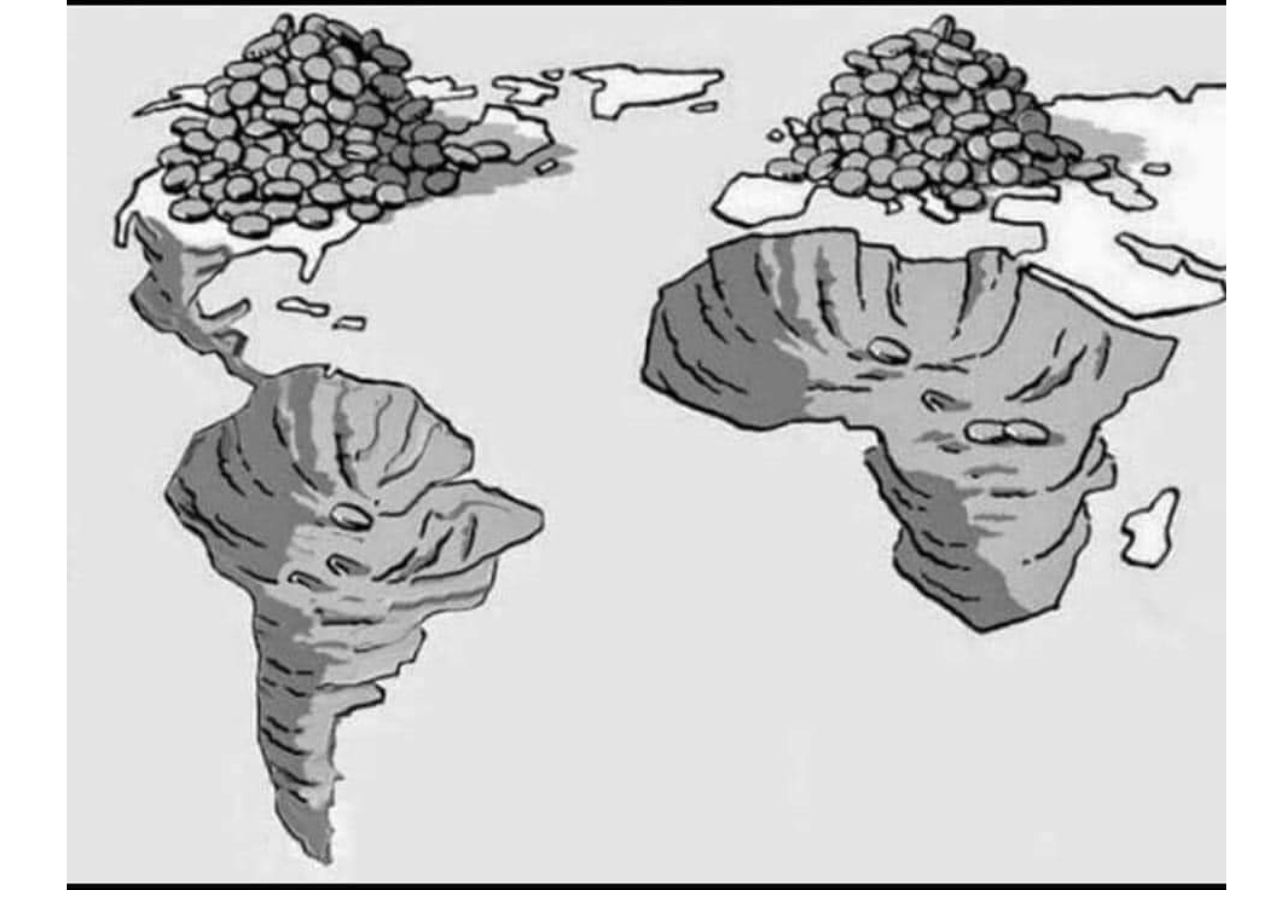
— Giving Fair and Reasonable Consideration for Where Our Privilege Came From
In my view, it’s time to share knowledge about sustainable systems and technology that can improve life without causing people to go into debt or exploiting them in the traditional capitalist system. Instead, we should focus on fair and practical systems that can help us live together as a global family.
The call for sustainable systems and technology that prioritize human well-being over profit margins is becoming increasingly prominent in today’s global discourse. It is crucial to recognize that the pursuit of sustainability is not just an environmental issue; it encompasses social, economic, and ethical dimensions as well. By fostering a deeper understanding of sustainable practices, individuals and communities can work towards creating a more equitable and harmonious world.
I wonder if ol’ mate Rothschild actually made up the whole modern monetary system and could foresee where all this would go. From “derivatives” (which are made-up money generated from interest paid on money that doesn’t actually exist) to “options” trading – where people bet on trends, whether funds/debt will go up, down, or into default. And now, with the rise of crypto, we still see people trying to make a buck without having to do any real work, which ultimately helps in keeping wealth in the hands of the “savvy”.
Why are entire populations dependent on this “agreed” (determined by whom?) outside source of money and wealth? One has to wonder: what and who gives “them” the right to say what a particular population’s time and labor is worth, and to determine the monetary exchange/value of their national currency?
Case in point: When you change $100 in Australian currency, you have equal to $1000 (ten times as much) in local Indonesian currency value… When you drink a “tall” beer while on holiday here in Bali ($4 for an Aussie), you’re drinking the dinner budget for an entire family. One beer can buy 1kg rice, half kilo chicken and at least 3 veg (which “back home” would cost around $30-40 if I’m not wrong. Comparatively, a “local” salary is around $10-15 a day (in Australian Currency as opposed to maybe $100/150 a day… as is the norm in Australia). No wonder Aussies love bali!!! What if we started asking a fair price for a beer here?
Why is it that “our” currency is worth ten times more?
As a young child, I inquired with my father about the apparent lesser value of other countries’ currency compared to ours. He simply attributed it to excessive money printing in those countries in the past. However, I now find myself doubting the accuracy of his explanation, particularly considering the extensive money printing by the United States and Australia since 2018, which has not led to significant devaluation of their currencies compared to countries that haven’t engaged in such practices. This disparity seems unjust and calls for a closer examination.
Maybe we never really think about our unfair privilege … or for how long a local person would have to save for – to have even a few days’ ‘holiday’ in a western country… (practically impossible). In Bali there is a term “kembali” used to denote the reciprocative action of giving… “Makasi kembali” means: Thanks coming back again, or “You’re welcome…” Would we in our own culture accept that giving someone $10 for $100 of work is acceptable? Oh, we can argue that it IS $100 VALUE in the local culture -however… we only had to do $10 work to earn that $100… So, it would it take more than 10-25 years, or possibly more than a lifetime, for someone in a “developing country” to save up for a mildly equivalent holiday in a “developed country”.
Further case in point: If I make a washing machine and you make something of similar value, we could trade fairly… However, with current exchange rates we are trading washing machines for matchbox toys… because of the unfair “value” currencies are set at.
Why is it that people have to sell their goods SO CHEAP to westerners? Why are antique shops here in bali filled with the stones used by farmers in remote islands to mark their farming areas and other artifacts of cultural heritage? Why can’t a person from “the tribes” walk into a bank and get a loan to start a business? Why must they live in a cement and tile house to be eligible to borrow money? There is huge disadvantage at the outset if you are born in a Post-Colonised/Unindustrialised country that we in the West are totally ignorant of.
Meanwhile, in our own countries… All the industries we’ve ‘lost’ due to trying to save a few bucks… Taking away the jobs which produce income and enable us to buy locally-made products… Leading us in a downward spiral… (In Australia, making us a stupid country that can’t even make a dress or a motorbike part… let alone a suitcase or a piece of furniture). We have lost the art of craftsmanship… the art of loving and being “lost” in one’s work (to some degree) and much more so for the younger generations. It’s Great seeing this current wave of Instagram videos demanding people pay the real work-product value to the human being creating these niche/hand-made products…but what about also fairly paying those people working in offshore factories making that product… are they DIFFERENT to “us”?
Exchange and trade presently is not reciprocal exchange at all… We are effectively living in a distortion which disproportionally advantages the “rich”… (and yes, if you grew up with a fridge in your house – YOU ARE one of the RICH people of this world). Its been going on for decades… and we are blind to our “unfair” privilege.
How can we bring about a new paradigm for the creation of currency (whether its a crypto or real coin) which enables a productive society and equitable wealth distribution…? I mean, money is (or should be) kinda like the oil or lube within the machine; enabling the parts to work/function and interact effectively. This [should be] the goal and reflection of the FUNCTION of money… as a vehicle for Economy – not to create scarcity or unfair advantage (as has occurred and is still perpetuating since the world currency system effectively cancelled localised former-trade and set international exchange rates)… After all, you can’t eat money right….? And graves don’t have pockets.
All these “things” that we buy which have become part of our ‘lifestyle’. .. made more ‘cheaply’ by someone somewhere unknown to us with probably not-great working conditions… on land stolen by Colonists and re appropriated to a manufactured upper-class, (like in India for example where the British government assigned huge and areas to certain families effectively creating feudal land ownership…. And a huge wealth divide [copy and paste to the rest of the world]). I mean most, if not all of the countries which are now “Poor”/ “third-world” / “Developing” were NOT at all poor – PRIOR to Colonialism.
Prior to English invasion, India was a rich and highly productive country – only since Colonial take-over has such massive inequality and extreme poverty arisen, (and it’s core industries of wealth-production destroyed by the British… ) Similarly, with other places such as here in the “Spice Islands” of Indonesia (where the Colonials grabbed and stole as much treasures and resources as they possibly could)- and as is still ongoing in African countries where the natural resources are appropriated/owned/controlled by former Colonial powers; France especially… (blame the French).
Control of said-country – already achieved through Colonialism; (even though many countries claim to be “independent”) their resources are now conveniently owned by a rich/elite… while the newly “independent” governments are coerced into into borrowing huge amounts of their newly low-valued currency (from the Colonizers) to become “modernized”… A debt which can rarely if ever be repaid … a kind of “re-slavery” … entrenching disadvantage… all a set-up for the rich to get richer: An act of deceit happening before humanity’s very eyes…
Do you believe the rhetoric that “Africa is a poor country”….?
We have Grown Up in the illusion of the White-Savior mentality: A big fat dinosaur suit in which we can’t SEE the “other side” of History or the Reality of life for those affected. (“As our heads were bowed to Jesus, they took away our lands”). WHY are people in Post-Colonised Nations STUCK waiting for a pitiful amount of “money” which a government allows into “currency”? And how the hell DOES this ascend or descend in value compared to another country’s and determine the value of what is “traded”? My blood for your socks…
Actually money itself essentially is meaningless. It is just a symbol of debt for what you promise to reciprocate/reimburse to someone in return for what they have done for/given to you… It is a system for keeping record of transactions of work/energy … But it’s been used to deceive people and cheat them out of their labour-power, wealth and heritage, and fooled them into working for wankers.
It’s strange to think…, that either there is no more silver left in the Earth’s crust, or no more slaves to mine it… Cyanide leeching from Gold Mines; people being worked to death in Diamond Mines… Why does it seem that industries which formerly produced “wealth” or “value” are bloodthirsty, murderous and/or majorly socially, culturally and environmentally destructive? Are we not evolved enough to Recognize the destruction caused – and repay the debt or AT THE VERY LEAST redistribute/rebalance the wealth thereby derived more fairly?
Its time to use our human creativity and imagination to reimagine currency as something which can benefit everyone fairly, not just the ‘rich’. . .
We need Everyone to be productive and thriving for the greater benefit to be derived overall by Everyone. … And if people can be happy and less stressed … enjoying the life they choose… contributing by making what they want to make… Then,… wouldn’t society be an awesome and fun place to live!? Imagine what could be created!!! (unless you benefit from sales of anti-depressant drugs and medication to treat the physical symptoms of stress, depression and loneliness ).
So how Could money be better “created”.? If we all brought things to the market place that we trade with each other… As when we produce value creatively, whether it be food, education or physical products or services, it is our Right and function as people to create and be productive with our actions…. And equitably compensated.
Who ARE the Real wealth producers? Who CREATES value?
Who makes Something from ‘Nothing’?
If there were no monetary currency system, how would we trade?
What would be Most valuable to us?
Personally, I believe that farmers and craftspeople are the real producers of wealth at the fundamental level. Once… everyone farmed or made something and people traded on the basis of REAL VALUE in the marketplace… Before Communism took over in China, farmers were the wealthiest people in society. It takes years to create a productive healthy soil (from nothing) and we all know that if we lose our soil productivity, then we’re fuc#ed… I believe we need to have localized trade currencies so that people can become motivated and rewarded to create produce that’s useful to human life… Things that we have the power to make and trade with our own hands… That is our birthright, right.?
We live in a crucial time… when we could restore humanity’s benefit or let it become slave to being dependent on this financial system controlled and reaped by ?… (WHO was that again?) Further, at a societal level, we can have so much impact: Being from a “developed” country, where our currency is worth 10x more, And in terms of what we can use our unfair advantage towards: Contributing to the Whole – by enabling sustainable food production systems and building places/villages which reduce our overall dependence on the western monopolistic currency system… And improving the quality of peoples’ lives… utilizing our privilege to assist in transferring technologies like solar water pumps. We can relearn the arts and trades which our western culture has forgotten/outsourced – which are part of ALL our heritages; our oversight of which has made us dangerously dependent consumers…
We all have a choice in what we put our money towards (and in who subsequently benefits); We can come together and create places where we can live simpler and more fulfilling lives through responsibly and proactively contributing to projects. Perhaps through connecting at a community level and developing local programs with local families and communities, paying fairer salaries and distributing profits more equally through a co-operative approach and by creating initiatives which enable cultural exchange and learning while preserving skills and knowledge central/intrinsic to (the highly diverse) Indonesian unique/hand-made lifestyles and heritage – maintaining and developing cultural traditions which have sustained people’s lives and livelihoods.
There is a swathe of cultural knowledge and skills/practices that are at risk of being lost with the current younger generation of Indonesians – who are aiming towards higher salaries of the hospitality industry and IT, while the skills and knowledge which come at a premium and are now being “sold” back to us (in western culture) at boutique prices. (You can get paid more working in Wendy’s in Taiwan than maintaining the generational skills of woodwork, stone-carving, making traditional foods and medicine or producing hand-woven textiles/homewares… which brings me back to my original premise).
I am more aware of the global ‘caste system’ in OECD/western countries, where world powers dictate currency value and living standards, leading to the acceptance of paying local people less than $10/day. I imagine future generations will be appalled by the injustices in the economic system’s favoritism.
I still can’t understand why countries like Africa and Indonesia are poor. All their wealth is being exploited by richer countries, and we’re taught to think of them as “poor,” when it’s the western financial system that has made them poor. I wish more people would stop to think about it and realize how privileged we are compared to others. It’s time to rethink monarchy, world power structures, and who has the right to dictate national currency values.
Post-Colonised countries in the “global south” are owed a significant debt. History books tend to focus on the perspective of the colonizers and downplay the significant negative impacts, including mass genocide and cultural devastation. It is crucial for those of us in privileged cultures and societies, with the economic advantage, to take action and facilitate access to technology that can improve the lives of those in Post-Colonised cultures. This technology may not be deemed economically beneficial and may not receive support from governments or investors. It is important for us to support and empower people in Post-Colonised cultures to make sustainable livelihoods as custodians of their traditional lands, rather than being pressured to sell their land and move to cities in search of a better life due to economic disparities and lack of capital.
At present there is incredible disadvantage and disincentive to maintain a lifestyle close to nature that’s non or less-polluting than what would be produced living in an urban environment where more plastic is needed and fossil fuels consumed.
I firmly disagree that urbanization is the only path forward for the global population, as some “intelligent” individuals in developed countries believe. It’s time for us in the West to recognize our continued privilege and use our financial resources to ensure that the largest segment of the world population, many of whom live on less than $10 a day, can afford to live sustainably without falling into debt and creating perpetual wealth for financial institutions. The current aid system often leads to creating ongoing debt and loan repayments for “poor” countries. It’s crucial to acknowledge the impact that influential figures in society are having in leading us towards an industrialized human farm environment.
It appears that current sustainability goals often prioritize economic interests over the well-being of the less privileged. While some progress has been made in considering intangible benefits like ecosystem and societal health, it seems difficult for these interests to look beyond their own greed. True transformation requires fundamental changes to ensure that wealth is directed where it is most needed. Supporting individual communities with modest financial resources can have a significant impact by enabling them to improve their infrastructure, access technology, and thrive.
I’m tired of the bureaucracy of working in government. I have deep respect for those who navigate it well, but I’m a doer. I believe in taking action and letting the bureaucracy catch up on its own time. I trust that things will happen when they are meant to, and I feel that now is the time for big, impactful changes. It’s time to be the change!
It’s overwhelming to consider the current world situation, but one question we can all ask ourselves is, “How can I help?” We can be a bridge to creating a brighter future! Community is essential for our shared future, and it’s time to recognize that we owe more to future generations than to present governments and businesses. We don’t have to passively accept a negative path, but rather take responsibility for changing the unhealthy direction humanity has taken. Reconnecting with mother earth and finding meaning in our humanity, we can come together as a community to collectively transform our planet, fostering awareness and peace.
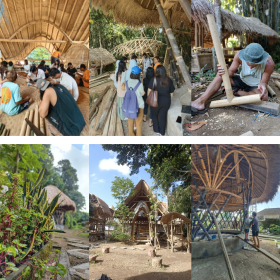
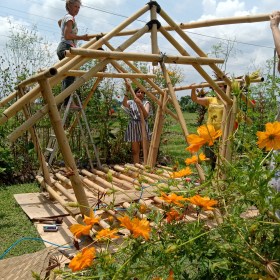
I have experienced transformations in my life, particularly during my time in Bali with my intellectually disabled daughter. I built a bamboo house there to learn about the material and its applications in building “earthship” structures. Despite the challenges of living with her in Australia, I hold a vision of living in an inclusive community with her. This concept of communal living and engaging in daily activities together to enhance our lives is particularly appealing to me.
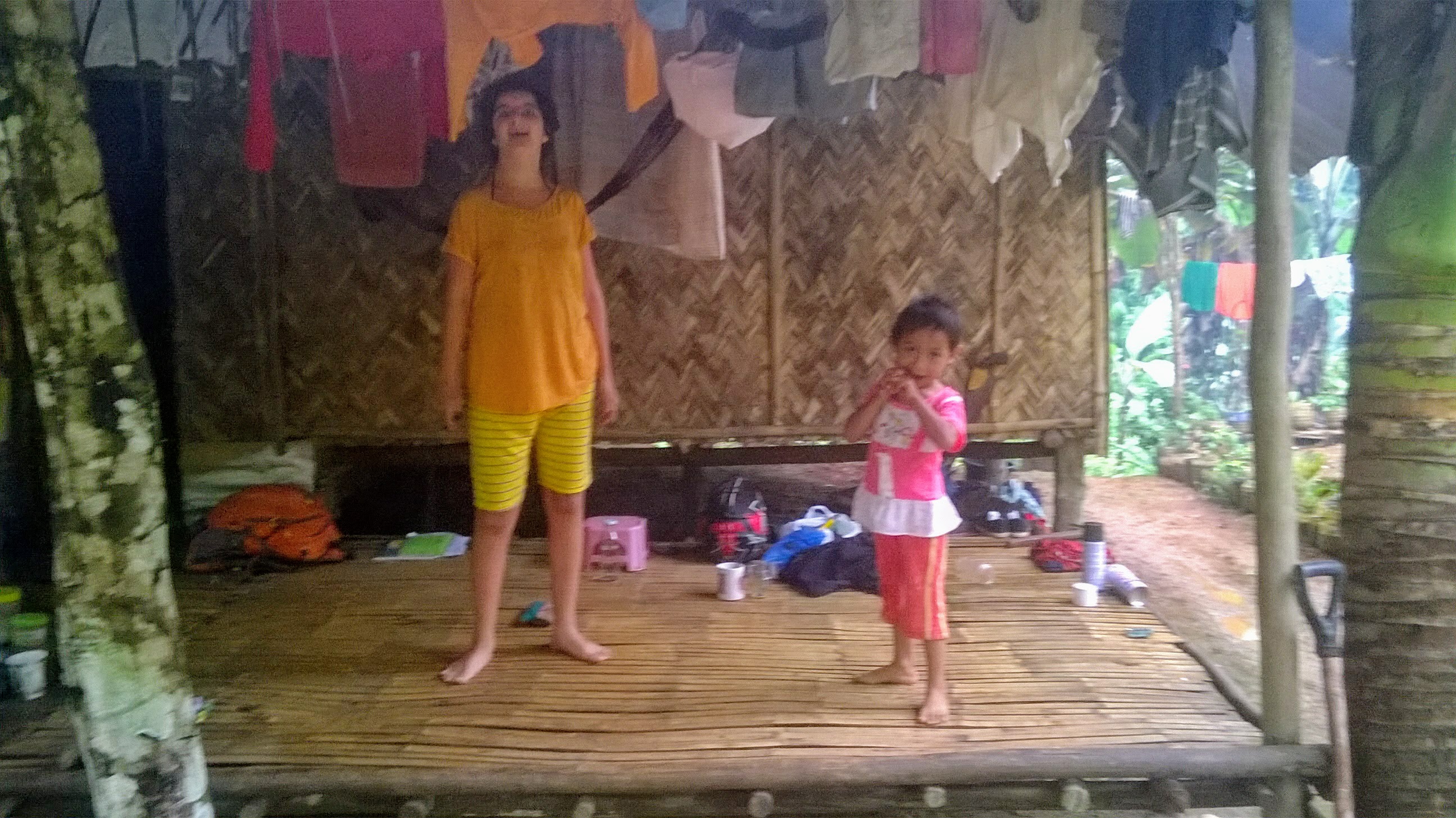
It’s not complicated, but choosing healthy food, gardening, supporting kids with special needs, and sharing talents in art and music sounds much better than relying on a supermarket and being isolated in a suburban home. Our current lifestyle leads to endless consumerism and profit exploitation, distancing us from living naturally and sharing with others.
Having lived among local people in Bali and the Philippines, witnessing everything from the materials houses are built from to daily routines like cooking and getting water, radically changed my perspective on life and my place in the world. I’ve realized there’s much to learn from ASEAN cultures about family and community, and I believe that our economy and society can evolve to create positive global transformation.
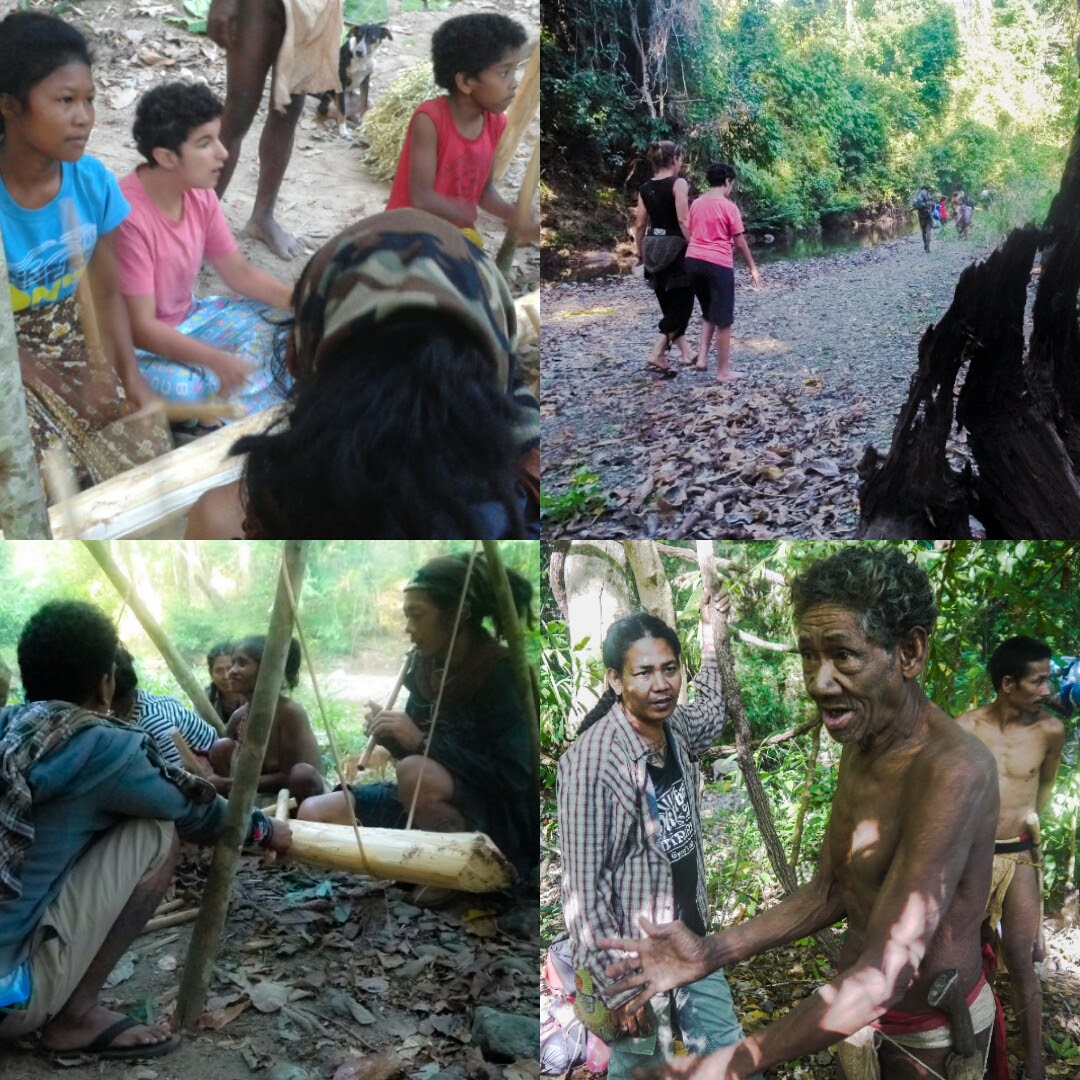
The first time I visited a jungle in the Philippines, I witnessed the local tribespeople gathering honey from wild bees, which is their main source of income. Unfortunately, it’s hard for them to survive in modern economic conditions since traditional barter has been phased out. Getting a bank loan is nearly impossible unless you live in a house with a brick structure and tile roof. This creates a cycle of poverty, as most people end up borrowing from their salary at the start of the month and end up owing more than their total salary by the month’s end, trapping them in debt to their employers.
Local wages are extremely low, with many earning just $7-10 per day. Westerners pay more to stay in backpackers than many locals earn in a day. Setting up accommodations on their land could help them earn income. It’s unfair that people rely on foreign banks for money, losing their self-determination. The financial system assigns artificial value to usable things, and locals are not paid what their work is truly worth. They struggle to sell things for money, sacrificing traditions and cultural knowledge for the sake of becoming more capitalist. As a result, many sell their land and move to cities, but some areas in the Philippines are designated as tribal and cannot be sold.
So, Why bamboo?
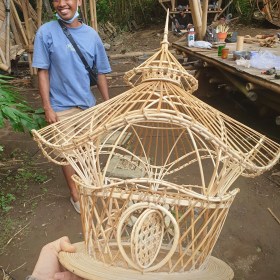
Most people in countries of South East Asia like the Philippines have endemic skills in living and working with bamboo… and maybe some tweaking and further development of these skills and some initial financial support and renewed fairness in our economic system would enable people to make livelihoods with bamboo… (Instead of becoming factory workers and taking on the lifestyle of the global north which we can already see has not worked well at all for the planet’s overall health). People could enrich their existing tribal/indigenous environments and build livelihoods… and not necessarily livelihoods which just serve the ‘tourist’ or western market, but which revitalise their own local economies and cultural trading systems (most all of which were stopped/destroyed when Colonial powers moved in, took control of and distorted their monetary system).
Our health and our wealth does not boil down to a single scientific function or financial derivative of resource extraction/exploitation. In the New Economy, our and the Environments’ health is the determining factor of real wealth… Corporations that pollute lose value/wealth because they have a detrimental effect on a system’s health in any given snapshot of time – and the cost of recovering and restoring the environments which are being affected detrimentally are immediately set down against any “positive” acquisition derived by company operations. We’ll get there soon… and I’ll continue to believe that this is already the case or in case = as this would be justice and sane economic sense.
When the economic systems reflect that value is held in protecting forest lands and not polluting, a profound shift will occur in the way we perceive wealth and prosperity. It will lead to a fundamental reevaluation of our priorities, recognizing the critical importance of preserving and nurturing the environment for future generations. As companies are held accountable and assessed immediately on their positive and negative environmental health impact to weigh their present economic position, a new standard of corporate responsibility will emerge, emphasizing sustainable practices and long-term ecological stewardship. In this paradigm, it will be recognized that Indigenous People are the Wealthiest people, not just in terms of their cultural heritage and knowledge, but also due to their invaluable role as guardians of the natural world. Their deep understanding of the intricacies of the environment, combined with their ancestral wisdom, provides essential tools for maintaining ecological balance and harmony. Therefore, it is essential that they are treated with the utmost respect and support, as they possess the knowledge and tools in their culture that keep the environmental bio-functions in sync and harmonizing within layers and layers of syntropy, enriching not only their communities but also the entire global ecosystem.

Discover more from Bamboo Creative Bali
Subscribe to get the latest posts sent to your email.
 Bamboo Creative Bali